- Published on: Aug 18, 2022
- 3 minute read
- By: Secondmedic Expert
What Is Emergency Care In Healthcare?




Have you ever found yourself wondering, "What is emergency care?" In the unpredictable landscape of life, where uncertainties lurk around every corner, understanding the crucial role of emergency care in healthcare becomes paramount. This blog aims to unravel the intricacies of emergency care, exploring its definition, types, challenges, and even the emerging concept of home care during critical situations.
What is Emergency Care?
Emergency care is a vital component of healthcare that addresses acute medical conditions requiring immediate attention. It is the frontline response to life-threatening situations, encompassing a spectrum of services designed to stabilize and treat patients in critical moments. From trauma cases and severe illnesses to sudden injuries, emergency care serves as the beacon of hope, ensuring timely interventions that can be the difference between life and death.
Types of Emergency Care:
1. Hospital Emergency Departments:
The most traditional form of emergency care, hospital emergency departments are equipped to handle a wide range of critical cases. They are staffed with skilled healthcare professionals, including emergency physicians, nurses, and specialists, ensuring comprehensive care.
2. Urgent Care Centers:
These facilities cater to non-life-threatening emergencies that still require prompt attention. Urgent care centers bridge the gap between primary care and emergency care, providing services for issues like fractures, infections, and minor injuries.
3. Pre-hospital Emergency Services:
Emergency medical services (EMS) play a pivotal role in delivering pre-hospital emergency care. Paramedics and emergency medical technicians (EMTs) respond to emergency calls, administering life-saving interventions on-site and during transportation to medical facilities.
Challenges in Emergency Care:
While emergency care is undeniably crucial, it faces its own set of challenges that impact its efficiency and accessibility.
1. Overcrowding in Emergency Departments:
Many emergency departments grapple with overcrowding, leading to prolonged wait times and potential delays in critical care delivery. Overcrowding can be exacerbated during peak times or when facing a surge in emergencies, such as during a public health crisis. Solutions to this challenge involve optimizing patient flow, improving triage systems, and investing in additional emergency resources.
2. Resource Allocation:
Adequate resources, including trained staff and essential equipment, are imperative for effective emergency care. Resource constraints can hinder the ability to provide timely interventions. Investment in healthcare infrastructure and workforce development is crucial to address these challenges. Additionally, embracing technological advancements can streamline resource allocation through predictive analytics and inventory management systems.
3. Coordination and Communication:
Seamless coordination between pre-hospital services, emergency departments, and other healthcare entities is vital. Challenges in communication and coordination may result in delays and suboptimal patient outcomes. Improved information systems and standardized protocols can enhance communication and collaboration across the continuum of care. Interdisciplinary training programs can further strengthen teamwork among healthcare professionals.
Home Care in Emergency Situations:
As the landscape of healthcare evolves, the concept of home care in emergency situations is gaining traction. Home care involves providing critical medical interventions in the comfort of a patient's home, offering an alternative to traditional hospital-based emergency care.
1. Telemedicine for Emergency Consultations:
Advances in technology enable healthcare professionals to conduct emergency consultations remotely. Through telemedicine, patients can receive timely advice and guidance, potentially avoiding unnecessary hospital visits. This not only provides convenience but also helps in prioritizing resources in emergency departments.
2. Mobile Emergency Units:
Some regions deploy mobile emergency units equipped with essential medical equipment and staffed with trained professionals. These units can reach patients in remote areas swiftly, providing vital care until further assistance is available. This approach is particularly crucial in rural or underserved areas where access to traditional emergency care facilities may be limited.
3. Home-Based Monitoring Devices:
For individuals with chronic conditions, home-based monitoring devices can detect early warning signs, allowing for proactive intervention before emergencies occur. This approach promotes preventive care and reduces the need for emergency services. The integration of wearable technology and smart devices enhances the ability to monitor vital signs and transmit real-time data to healthcare providers.
The Future of Emergency Care:
As we delve into the nuances of emergency care, it's essential to consider the evolving landscape and future trends shaping this critical aspect of healthcare.
1. Technology Integration:
Continued advancements in technology, including artificial intelligence and machine learning, are poised to revolutionize emergency care. Predictive analytics and decision support systems can assist healthcare professionals in making rapid and informed decisions during emergencies. The integration of electronic health records (EHRs) across healthcare systems can further enhance information sharing and streamline patient care.
2. Community Education and Preparedness:
Empowering communities with knowledge about basic first aid, emergency response, and the importance of timely medical intervention can contribute to better outcomes. Community-based initiatives and educational programs play a pivotal role in enhancing emergency preparedness. Collaboration between healthcare organizations and local communities can foster a culture of resilience and prompt response.
3. Interdisciplinary Collaboration:
The future of emergency care lies in interdisciplinary collaboration, where healthcare professionals from various specialties work seamlessly to address complex cases. This collaborative approach ensures a holistic and patient-centered response to emergencies. Interdisciplinary training programs and simulation exercises can foster effective communication and teamwork among diverse healthcare professionals.
In the intricate tapestry of healthcare, emergency care stands as a beacon of hope during critical moments. Understanding its various forms, challenges, and the evolving landscape of home care is essential for navigating the complexities of emergency situations. As we celebrate the strides made in emergency care, it's crucial to address challenges and explore innovative solutions that ensure timely, efficient, and accessible care for all. After all, the essence of emergency care lies in its ability to make a difference when every second counts.
The future promises transformative changes, and by staying informed and proactive, we can collectively contribute to a healthcare system that is resilient and responsive in the face of emergencies. Embracing technological advancements, fostering community education, and promoting interdisciplinary collaboration are key pillars that will shape the future landscape of emergency care. As we navigate the evolving challenges and opportunities, let us strive for a healthcare system that not only responds effectively to emergencies but also prioritizes prevention and community well-being.
Read FAQs
A. Emergency care refers to immediate medical attention provided to individuals facing acute, life-threatening conditions or injuries, aiming to stabilize and treat them promptly.
A. In healthcare, an emergency refers to a situation where immediate medical attention is required to prevent severe health complications or potential loss of life. It includes critical illnesses, injuries, and life-threatening events.
A. There are various types of emergency care, including services provided in hospital emergency departments, urgent care centers for non-life-threatening emergencies, and pre-hospital emergency services such as paramedic responses. Each type is tailored to address specific medical needs during critical situations.

Neurobion Forte: Benefits for Nerve Health and Vitamin B Deficiency
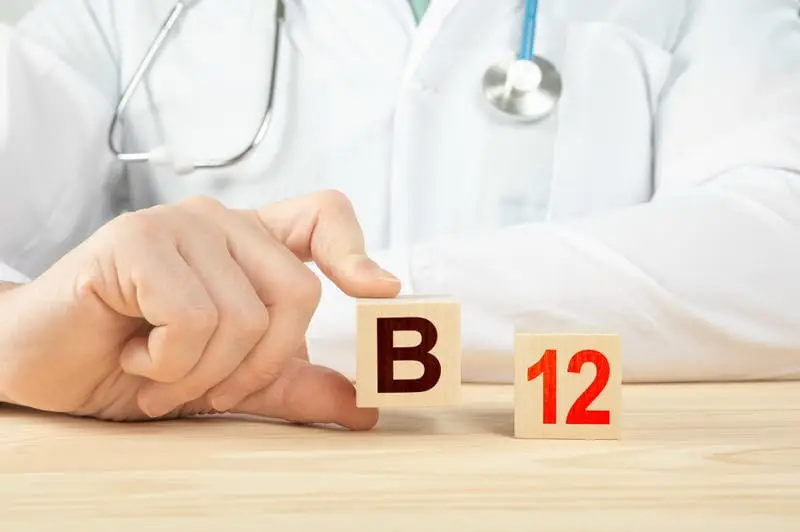
Vitamin deficiencies are a common but often overlooked health issue. Among them, vitamin B deficiency is particularly significant because of its direct impact on nerve function, energy metabolism and overall neurological health. Neurobion Forte is a widely used vitamin B-complex supplement designed to address these deficiencies and support nerve health.
Understanding how Neurobion Forte works and when it is beneficial helps individuals make informed decisions about their nutritional and neurological wellbeing.
What Is Neurobion Forte?
Neurobion Forte is a combination supplement containing essential B vitamins, primarily:
-
vitamin B1 (thiamine)
-
vitamin B6 (pyridoxine)
-
vitamin B12 (cobalamin)
These vitamins play a vital role in nerve signal transmission, energy production and maintenance of the nervous system.
Why Vitamin B Is Essential for Nerve Health
B vitamins are crucial for:
-
nerve impulse transmission
-
myelin sheath formation
-
energy metabolism in nerve cells
Deficiency can impair nerve function, leading to discomfort and neurological symptoms.
Common Causes of Vitamin B Deficiency
Vitamin B deficiency may occur due to:
-
inadequate dietary intake
-
poor absorption
-
chronic illnesses
-
long-term medication use
-
alcohol misuse
Vegetarians and elderly individuals are particularly at risk of vitamin B12 deficiency.
Symptoms of Vitamin B Deficiency
Early symptoms may include:
-
fatigue
-
weakness
-
numbness or tingling in hands and feet
-
poor concentration
If untreated, deficiency may progress to more serious neurological problems.
How Neurobion Forte Supports Nerve Health
Supports Nerve Repair
Vitamin B12 contributes to nerve regeneration and maintenance of nerve fibres.
Improves Nerve Signal Transmission
Vitamin B1 supports proper nerve impulse conduction.
Reduces Nerve Irritation
Vitamin B6 helps regulate neurotransmitter synthesis, reducing nerve-related discomfort.
Supports Energy Metabolism
B vitamins help convert food into energy, supporting overall nerve and muscle function.
Role of Neurobion Forte in Nerve Pain
Nerve pain caused by vitamin deficiency may present as:
-
burning sensation
-
tingling
-
numbness
-
shooting pain
In such cases, correcting the deficiency through supplementation may help relieve symptoms over time.
Conditions Where Neurobion Forte Is Commonly Used
Neurobion Forte may be prescribed or recommended in cases such as:
-
peripheral neuropathy
-
diabetic neuropathy (as supportive care)
-
nutritional deficiency-related nerve symptoms
-
general weakness associated with vitamin B deficiency
It is not a painkiller but supports underlying nutritional correction.
Importance of Medical Guidance
While vitamin supplements are widely available, inappropriate or excessive use may cause side effects.
Medical guidance ensures:
-
correct diagnosis
-
appropriate dosage
-
monitoring of response
Self-medication should be avoided, especially for long-term use.
Diet and Vitamin B Intake
Dietary sources of B vitamins include:
-
whole grains
-
legumes
-
dairy products
-
eggs
-
meat and fish
Balanced nutrition remains the foundation of vitamin sufficiency.
Who May Benefit Most from Neurobion Forte?
Individuals who may benefit include:
-
those with confirmed vitamin B deficiency
-
people with nerve-related symptoms
-
elderly individuals with poor nutrient absorption
-
individuals with restricted diets
Supplementation should complement dietary improvement.
Possible Side Effects and Precautions
When taken as advised, Neurobion Forte is generally well tolerated.
However:
-
excessive vitamin B6 intake may cause nerve symptoms
-
allergic reactions are rare but possible
Always follow professional advice.
How Long Does It Take to See Benefits?
Improvement depends on:
-
severity of deficiency
-
duration of symptoms
-
individual health status
Some people notice symptom improvement within weeks, while others require longer support.
Neurobion Forte and Overall Wellbeing
Correcting vitamin B deficiency supports:
-
nerve health
-
energy levels
-
cognitive function
-
overall vitality
Supplementation is most effective when combined with healthy lifestyle habits.
Conclusion
Neurobion Forte plays an important role in managing vitamin B deficiency and supporting nerve health. By supplying essential B vitamins, it helps restore nerve function, reduce deficiency-related symptoms and improve overall neurological wellbeing. While it can be highly beneficial when deficiency is present, its use should always be guided by medical advice to ensure safety and effectiveness. Balanced nutrition, early diagnosis and appropriate supplementation together form the foundation of healthy nerve function.
References
-
World Health Organization (WHO) – Micronutrients and Neurological Health
-
Indian Council of Medical Research (ICMR) – Nutrient Deficiency Guidelines
-
National Institute of Nutrition (NIN) – Vitamin B and Nerve Function Reports
-
Lancet Neurology – Vitamin Deficiency and Neuropathy Studies
-
Indian Journal of Clinical Nutrition – Vitamin B Supplementation Researc
-
Statista – Dietary Supplement Usage Trends
Our Services
Request A Callback
Recent Posts




Aptamil Pepti Infant Formula 0 to 12 Months Tin 400gm
Brand: Nutricia International Private Limited
₹2000.00₹1960.00
View Details


Neocate LCP Infant Formula Powder 400GM
Brand: Nutricia International Private Limited
₹3300.00₹3234.00
View Details
Web Stories


Popular Lab Test






Live Doctor consultation
Live Doctor Chat

Fees ₹99
General Physician

Dr. Syed Mukhtar Mohiuddin
MBBS, MD , Fellowship in Diabetes Mellitus (UK)
- 7 Years
- English
Available at 00:00 to 07:00
Fees ₹99
General Physician
Fees ₹99
General Physician
Fees ₹99
General Physician
Fees ₹99
General Physician
Download Our App & Get Consultation from anywhere.