• Published on: Jan 02, 2026
  • 4 minute read
  • By: Secondmedic Expert

Top 10 Superfoods For Maximum Health Benefits: Nourish Your Body Naturally

  • WhatsApp share link icon
  • copy & share link icon
  • twitter share link icon
  • facebook share link icon

Nutrition plays a central role in maintaining health, preventing disease and supporting longevity. Among the vast variety of foods available, certain foods stand out for their exceptional nutrient content and health-promoting properties. These are commonly known as superfoods.

Superfoods are not miracle cures, but they provide high concentrations of vitamins, minerals, antioxidants and bioactive compounds that support overall wellbeing. Including them regularly in daily meals can significantly improve energy levels, immunity and long-term health outcomes.

What Makes a Food a Superfood?

A food is often considered a superfood if it:

  • is nutrient-dense
     

  • provides antioxidants
     

  • supports immunity and metabolism
     

  • helps reduce inflammation
     

  • contributes to disease prevention
     

Both traditional and modern diets include powerful superfoods.

Top 10 Superfoods for Maximum Health Benefits

1. Leafy Green Vegetables

Examples include spinach, kale and fenugreek leaves.

Benefits:

  • rich in iron, folate and fibre
     

  • support blood health
     

  • improve digestion
     

Regular intake supports energy and immunity.

2. Berries

Berries such as blueberries and strawberries are antioxidant-rich.

Benefits:

  • protect cells from oxidative stress
     

  • support brain health
     

  • improve skin health
     

They are low in calories and high in nutrients.

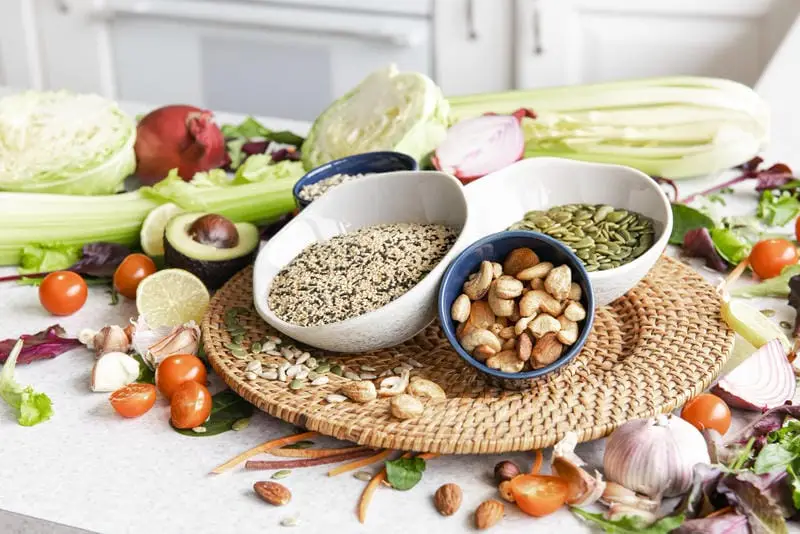
3. Nuts and Seeds

Almonds, walnuts, chia seeds and flaxseeds are excellent sources of healthy fats.

Benefits:

  • support heart health
     

  • improve cholesterol levels
     

  • provide plant-based protein
     

They promote satiety and metabolic balance.

4. Fatty Fish

Fatty fish like salmon and sardines are rich in omega-3 fatty acids.

Benefits:

  • reduce inflammation
     

  • support brain function
     

  • improve heart health
     

They are among the most researched superfoods.

5. Whole Grains

Whole grains such as oats, brown rice and millets provide complex carbohydrates.

Benefits:

  • support digestion
     

  • stabilise blood sugar
     

  • provide sustained energy
     

They are superior to refined grains.

6. Yogurt and Fermented Foods

Fermented foods support gut health through probiotics.

Benefits:

  • improve digestion
     

  • enhance immunity
     

  • support nutrient absorption
     

A healthy gut influences overall health.

7. Legumes

Lentils, chickpeas and beans are rich in plant protein and fibre.

Benefits:

  • support muscle health
     

  • improve blood sugar control
     

  • promote digestive health
     

They are affordable and nutrient-dense.

8. Fruits Rich in Vitamin C

Citrus fruits and guava are excellent vitamin C sources.

Benefits:

  • boost immunity
     

  • improve skin health
     

  • enhance iron absorption
     

Vitamin C supports infection resistance.

9. Healthy Oils

Olive oil and cold-pressed oils provide beneficial fats.

Benefits:

  • support heart health
     

  • reduce inflammation
     

  • improve nutrient absorption
     

Moderation is key for maximum benefit.

10. Spices with Medicinal Properties

Spices such as turmeric and ginger offer anti-inflammatory benefits.

Benefits:

  • support immunity
     

  • improve digestion
     

  • reduce chronic inflammation
     

Traditional diets have long recognised their value.

How Superfoods Support Overall Health

Superfoods contribute to:

  • stronger immunity
     

  • improved metabolism
     

  • reduced inflammation
     

  • better digestion
     

  • enhanced mental clarity
     

Their impact is cumulative with consistent intake.

Common Myths About Superfoods

“Superfoods alone can cure diseases.”
They support health but cannot replace medical care.

“Superfoods must be expensive.”
Many affordable local foods are powerful superfoods.

“More is always better.”
Balance is essential; excess intake may cause imbalance.

How to Include Superfoods in Daily Diet

Simple ways include:

  • adding fruits to breakfast
     

  • including vegetables in every meal
     

  • using nuts and seeds as snacks
     

  • replacing refined grains with whole grains
     

Small changes bring long-term benefits.

Superfoods and Disease Prevention

Studies show that diets rich in nutrient-dense foods reduce the risk of:

  • heart disease
     

  • diabetes
     

  • obesity
     

  • certain cancers
     

Prevention begins with everyday food choices.

Who Can Benefit from Superfoods?

Superfoods are beneficial for:

  • children and adolescents
     

  • working adults
     

  • elderly individuals
     

  • people with lifestyle-related conditions
     

They support health across life stages.

Importance of Consistency Over Perfection

Occasional intake is not enough. Regular inclusion of superfoods in balanced meals delivers sustainable benefits.

Conclusion

The top 10 superfoods for maximum health benefits provide powerful nutrition that supports immunity, energy, digestion and long-term wellbeing. While no single food can guarantee perfect health, consistently including a variety of superfoods in a balanced diet strengthens the body’s natural defences and promotes overall vitality. Smart food choices today lay the foundation for a healthier tomorrow.

References

  • World Health Organization (WHO) – Healthy Diet and Nutrition Guidelines

  • Indian Council of Medical Research (ICMR) – Dietary Recommendations for Indians

  •  National Institute of Nutrition (NIN) – Nutrient Density and Health Reports

  • Lancet – Nutrition, Diet and Disease Prevention Studie

  •  Indian Journal of Nutrition – Functional Foods and Healt

  •  Statista – Global Superfood and Nutrition Trends

Read FAQs


A. Superfoods are foods rich in vitamins, minerals, antioxidants and beneficial compounds.

A. They help reduce risk when combined with a healthy lifestyle.

A. They support health but do not replace medical treatment.

Read Blog
Zincovit

Zincovit Tablets: Uses, Benefits, Dosage, and Side Effects Explained

Nutritional deficiencies are common in India due to irregular diets, stress, fast-paced lifestyles and increased health demands. Multivitamin supplements are often recommended to support overall health, immunity and energy levels. One commonly prescribed supplement is Zincovit tablets.

This comprehensive guide explains what Zincovit is, its uses, benefits, dosage recommendations and potential side effects.


What Are Zincovit Tablets?

Zincovit is a multivitamin and multimineral supplement that contains:

  • Zinc
     

  • Vitamin C
     

  • B-complex vitamins
     

  • Vitamin A
     

  • Vitamin D
     

  • Vitamin E
     

  • Selenium and other antioxidants
     

It is commonly prescribed to address nutritional deficiencies and support immune function.


Uses of Zincovit Tablets

Zincovit may be recommended for:

1. Nutritional Deficiencies

Helps replenish low vitamin and mineral levels due to poor diet or illness.

2. Weak Immunity

Zinc and vitamin C support immune system function.

3. Recovery After Illness

Often prescribed during recovery from infections, surgery or prolonged weakness.

4. Fatigue and Low Energy

B vitamins help improve energy metabolism.

5. Hair and Skin Health

Zinc and antioxidants may support healthy skin and hair.


Benefits of Zincovit Tablets

Immune Support

Zinc plays a vital role in immune cell function.

Antioxidant Protection

Vitamins C and E help reduce oxidative stress.

Improved Energy Levels

B-complex vitamins aid in converting food into energy.

Better Nutritional Balance

Supports individuals with dietary gaps.

Support During Stress

Stress can deplete nutrients; supplementation may help maintain balance.


Recommended Dosage

  • Adults: Usually one tablet daily after meals
     

  • Children: Only if prescribed by a pediatrician
     

  • Duration: As advised by healthcare professional
     

Do not exceed recommended dosage without medical guidance.


How to Take Zincovit

  • Take after food to prevent stomach irritation
     

  • Swallow whole with water
     

  • Avoid taking with high-calcium foods unless advised
     

Consistency improves effectiveness.


Possible Side Effects

Zincovit is generally well tolerated. However, some individuals may experience:

  • Nausea
     

  • Mild stomach discomfort
     

  • Metallic taste
     

  • Constipation or diarrhea (rare)
     

Severe allergic reactions are uncommon but require immediate medical attention.


Who Should Use Caution?

Consult a doctor before taking Zincovit if you have:

  • Kidney disorders
     

  • Liver disease
     

  • Thyroid problems
     

  • Known allergies to supplement components
     

Pregnant and breastfeeding women should seek medical advice before use.


Can Zincovit Be Taken Long-Term?

Short-term use for deficiency correction is common. Long-term use should be monitored by a healthcare provider to avoid excessive intake of certain vitamins or minerals.

Excess zinc intake may interfere with copper absorption if taken excessively over time.


Zincovit and Immunity in India

With increasing concern about immunity and viral infections, supplements containing zinc and antioxidants have gained popularity. However, supplements should complement — not replace — a balanced diet rich in:

  • Fruits
     

  • Vegetables
     

  • Whole grains
     

  • Protein sources
     

Healthy lifestyle habits remain essential.


When to Consult a Doctor

Seek medical advice if you experience:

  • Persistent fatigue
     

  • Recurrent infections
     

  • Unexplained weight loss
     

  • Severe weakness
     

These may indicate underlying medical conditions beyond nutritional deficiency.


Balanced Nutrition Still Matters

Supplements cannot substitute a healthy diet. Combine Zincovit with:

  • Proper hydration
     

  • Regular exercise
     

  • Adequate sleep
     

  • Stress management
     

This ensures overall wellness.


Conclusion

Zincovit tablets are widely used multivitamin supplements that support immunity, energy levels and overall nutritional balance. When taken in recommended doses, they are generally safe and beneficial for individuals with dietary deficiencies or increased nutritional needs.

However, supplements should be used responsibly and under medical guidance, especially for long-term use. Maintaining a healthy diet and lifestyle remains the foundation of good health.

If you are unsure whether Zincovit is right for you, consult a healthcare professional for personalized advice.


References

  • Indian Council of Medical Research – Nutrient Guidelines

  • World Health Organization – Micronutrient Recommendations

  • National Health Portal India – Supplement Safety

  • Journal of Clinical Nutrition – Zinc and Immunity Studies

  • National Institute of Nutrition India – Dietary Guidelines

See all

Live Doctor consultation
Live Doctor Chat

Download Our App & Get Consultation from anywhere.

App Download
call icon for mobile number calling and whatsapp at secondmedic