• Published on: Dec 31, 2025
  • 4 minute read
  • By: Secondmedic Expert

Monthly Field Day With Patients & Staff: Building Trust, Engagement, And Wellbeing

  • WhatsApp share link icon
  • copy & share link icon
  • twitter share link icon
  • facebook share link icon

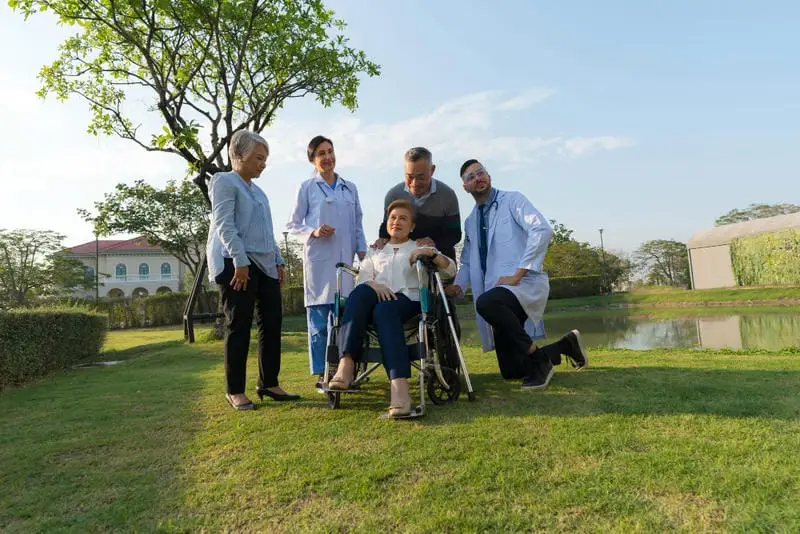
Healthcare is built on relationships. While diagnosis, treatment and technology are critical, the human connection between patients and healthcare staff remains central to healing and recovery. A Monthly Field Day with Patients & Staff is a thoughtful initiative designed to strengthen these relationships by creating opportunities for interaction outside routine clinical environments.

In today’s healthcare systems, patient engagement and staff wellbeing are recognised as essential components of quality care. Monthly field days provide a structured yet informal platform to support both.

What Is a Monthly Field Day with Patients & Staff?

A Monthly Field Day is a planned engagement event where patients and healthcare staff come together to participate in non-clinical activities. These events focus on:

  • interaction
     

  • wellbeing
     

  • communication
     

  • community-building
     

They are not medical appointments but shared experiences that promote trust and understanding.

Why Field Days Matter in Healthcare

Healthcare Is Emotionally Demanding

Patients often experience anxiety, fear and uncertainty. Staff face long hours, emotional stress and high responsibility. Field days offer a space for:

  • relaxed interaction
     

  • emotional connection
     

  • mutual understanding
     

This humanises care delivery.

Strengthening Patient–Staff Trust

Trust grows through:

  • open communication
     

  • shared experiences
     

  • consistent engagement
     

Field days reduce perceived barriers between patients and healthcare teams.

Benefits for Patients

Improved Comfort and Confidence

Patients feel more at ease when they know the people involved in their care beyond clinical roles.

Better Engagement in Care

Engaged patients are more likely to:

  • ask questions
     

  • follow care plans
     

  • attend follow-ups
     

This leads to improved health outcomes.

Emotional and Social Wellbeing

Social interaction, light activity and positive experiences support mental and emotional health, especially for patients with chronic conditions.

Benefits for Healthcare Staff

Reduced Burnout

Regular non-clinical engagement helps:

  • reduce emotional fatigue
     

  • restore motivation
     

  • improve job satisfaction
     

Stronger Team Relationships

Shared activities strengthen teamwork and communication among staff members.

Renewed Sense of Purpose

Seeing patients outside stressful clinical settings reinforces the meaningful impact of healthcare work.

Organisational Benefits

Enhanced Patient-Centered Culture

Field days reinforce values of empathy, accessibility and respect.

Improved Patient Satisfaction

Trust and familiarity contribute to better patient experiences and feedback.

Better Communication and Feedback

Informal settings encourage honest dialogue, helping organisations understand patient needs and expectations.

Activities Commonly Included in Field Days

Wellness Activities

  • gentle exercises
     

  • stretching or yoga
     

  • breathing sessions
     

Educational Interactions

  • health awareness talks
     

  • preventive care discussions
     

  • lifestyle guidance
     

Recreational and Social Activities

  • group games
     

  • creative sessions
     

  • interactive challenges
     

These activities promote joy, connection and inclusion.

Inclusivity and Accessibility

Effective field days are:

  • inclusive of different age groups
     

  • adaptable for physical limitations
     

  • culturally sensitive
     

  • welcoming and non-competitive
     

Inclusivity ensures meaningful participation for all.

Why Monthly Frequency Works Best

Monthly scheduling:

  • maintains continuity
     

  • builds long-term trust
     

  • prevents disengagement
     

  • supports gradual relationship building
     

Consistency transforms engagement into culture.

Evidence Supporting Engagement Initiatives

Research shows that:

  • patient engagement improves health outcomes
     

  • staff wellbeing reduces errors and burnout
     

  • relationship-based care enhances satisfaction
     

Global health frameworks emphasise people-centred care models.

Measuring the Impact of Field Days

Impact can be evaluated through:

  • patient feedback
     

  • staff engagement surveys
     

  • participation rates
     

  • qualitative testimonials
     

Regular assessment helps refine the program.

Implementing a Successful Monthly Field Day

Key elements include:

  • leadership support
     

  • clear objectives
     

  • simple, inclusive activities
     

  • consistent scheduling
     

  • feedback-driven improvement
     

Success depends on commitment rather than scale.

Long-Term Impact on Healthcare Culture

Over time, Monthly Field Days contribute to:

  • stronger trust
     

  • improved communication
     

  • better morale
     

  • enhanced care experience
     

They reinforce the idea that healthcare is a partnership between people.

Conclusion

A Monthly Field Day with Patients & Staff is more than an engagement activity—it is a meaningful investment in trust, wellbeing and human connection. By creating shared experiences beyond clinical settings, healthcare organisations strengthen relationships that directly influence care quality and satisfaction. In an environment often driven by efficiency and outcomes, monthly field days remind us that compassion, communication and community remain at the heart of effective healthcare.

References

  • World Health Organization (WHO) – People-Centred Care and Patient Engagement

  • Indian Council of Medical Research (ICMR) – Patient Experience and Care Quality Studie

  •  Lancet – Patient–Provider Relationships and Health Outcomes

  • National Health Systems Resource Centre – Community Engagement in Healthcare

  • Indian Journal of Healthcare Management – Staff Wellbeing and Patient Satisfaction

  • Statista – Healthcare Engagement and Experience Trends

Read FAQs


A. It is a structured engagement initiative where patients and staff participate in shared, non-clinical activities.

A. They improve trust, communication, emotional wellbeing and patient satisfaction.

A. Wellness sessions, group activities, educational talks and interactive discussions.

Read Blog
air pollution

Symptoms of Chronic Inflammation in the Body: Early Warning Signs Explained

Inflammation is a natural defense mechanism that helps the body fight infections and heal injuries. However, when inflammation persists for months or even years without a clear cause, it becomes chronic. Chronic inflammation can silently damage tissues and increase the risk of serious diseases.

In India, rising cases of lifestyle diseases such as diabetes, heart disease and autoimmune disorders are often linked to long-term inflammatory processes. Recognizing the symptoms of chronic inflammation in the body is essential for early prevention and treatment.


What Is Chronic Inflammation?

Acute inflammation is short-term and occurs in response to injury or infection. Chronic inflammation, on the other hand, is:

  • Persistent
     

  • Low-grade
     

  • Often symptomatically subtle
     

  • Linked to long-term health conditions
     

It may occur due to unhealthy lifestyle habits, stress, obesity or underlying disease.


Common Symptoms of Chronic Inflammation

1. Persistent Fatigue

Ongoing tiredness that does not improve with rest may indicate systemic inflammation.

Inflammatory chemicals in the body can interfere with energy production.


2. Joint and Muscle Pain

Unexplained pain, stiffness or swelling in joints may suggest inflammatory conditions such as arthritis.

Pain may:

  • Last for weeks
     

  • Worsen in the morning
     

  • Occur without injury


3. Digestive Issues

Chronic inflammation may affect the gut, leading to:

  • Bloating
     

  • Diarrhea or constipation
     

  • Abdominal discomfort
     

  • Food sensitivities
     

Gut health and immune function are closely connected.


4. Frequent Infections

A weakened immune response due to chronic inflammation may result in:

  • Recurrent colds
     

  • Slow wound healing
     

  • Persistent sore throat


5. Skin Problems

Inflammatory skin conditions include:

  • Acne
     

  • Eczema
     

  • Psoriasis
     

  • Rashes
     

Persistent skin issues may reflect internal inflammation.


6. Brain Fog and Mood Changes

Inflammation can affect brain function, causing:

  • Difficulty concentrating
     

  • Memory issues
     

  • Irritability
     

  • Low mood
     

Mental and physical health are interconnected.


7. Unexplained Weight Changes

Inflammation may disrupt metabolism, leading to:

  • Abdominal weight gain
     

  • Difficulty losing weight
     

Obesity itself can further promote inflammation.


Causes of Chronic Inflammation

Common contributing factors include:

  • Poor diet high in processed foods
     

  • Excess sugar intake
     

  • Smoking
     

  • Alcohol abuse
     

  • Chronic stress
     

  • Lack of exercise
     

  • Sleep deprivation
     

  • Environmental pollution
     

Addressing these factors is essential for prevention.


Diseases Linked to Chronic Inflammation

Long-term inflammation is associated with:

  • Type 2 diabetes
     

  • Cardiovascular disease
     

  • Cancer
     

  • Autoimmune disorders
     

  • Fatty liver disease
     

  • Alzheimer’s disease
     

Early intervention reduces risk significantly.


How to Reduce Chronic Inflammation Naturally

1. Adopt an Anti-Inflammatory Diet

Include:

  • Fresh fruits and vegetables
     

  • Whole grains
     

  • Nuts and seeds
     

  • Fatty fish
     

  • Olive oil
     

Avoid processed foods and excessive sugar.


2. Exercise Regularly

Moderate physical activity lowers inflammatory markers.

Aim for at least 30 minutes daily.


3. Manage Stress

Chronic stress increases inflammatory hormones.

Practice:

  • Meditation
     

  • Yoga
     

  • Deep breathing exercises


4. Improve Sleep

7–8 hours of quality sleep supports immune regulation.


5. Maintain Healthy Weight

Reducing excess body fat lowers inflammation levels.

6. Avoid Smoking and Limit Alcohol

Both habits promote inflammatory responses in the body.


When to Seek Medical Advice

Consult a healthcare professional if you experience:

  • Persistent fatigue
     

  • Joint swelling
     

  • Recurrent infections
     

  • Unexplained pain
     

  • Long-lasting digestive problems
     

Blood tests such as C-reactive protein (CRP) may help assess inflammation levels.


Chronic Inflammation in the Indian Context

Rapid urbanization, sedentary lifestyle and dietary shifts in India have contributed to increasing inflammatory-related diseases. Public awareness about preventive measures can significantly reduce healthcare burden.

Early lifestyle changes play a crucial role in improving long-term outcomes.


Conclusion

Chronic inflammation may present subtle symptoms such as fatigue, joint pain, digestive issues and brain fog. Although often overlooked, long-term inflammation can increase the risk of serious diseases.

Adopting healthy eating habits, regular exercise, stress management and adequate sleep can help reduce inflammation naturally. Recognizing early warning signs and seeking medical advice when needed ensures better long-term health.

Taking proactive steps today can prevent major complications tomorrow.


References

  • Indian Council of Medical Research – Chronic Disease Reports

  • World Health Organization – Non-Communicable Disease Guidelines

  • National Institute of Nutrition India – Dietary Recommendations

  • Lancet Global Health – Inflammation Research

  • Journal of Clinical Medicine – Chronic Inflammation Studies

See all

Live Doctor consultation
Live Doctor Chat

Download Our App & Get Consultation from anywhere.

App Download
call icon for mobile number calling and whatsapp at secondmedic