- Published on: Nov 03, 2021
- 3 minute read
- By: Second Medic Expert
What Should My Cholesterol Level Be At My Age?




What should my cholesterol level be at my age?
For healthy people (especially under the age of 20), the optimal cholesterol level is total cholesterol of less than 200mg/dL, LDL cholesterol of less than 130mg/dL. Anything over that should be approached cautiously and you may want to work with a healthcare professional to determine the best course of action. Based on your health condition, lifestyle habits, family history, and more, they may recommend supplementing your diet with specific high-quality plant sterols which - after some time - can decrease LDL particles in the blood gradually through lowering blood triglyceride levels. This might not be necessary for everyone but it never hurts to listen to expert advice.
A person's cholesterol level should be measured after fasting, or after not eating for 12-14 hours. If you are male, your total blood cholesterol should be below 200 milligrams per deciliter, while females can have a high of 220 milligrams per deciliter. Some people have to modify their diet to lower their levels.
Half of the population will need less than or equal to 200 mg/dL, while the other half will need more than 200 mg/dL. Having said that - it is best if these numbers are as close together as possible; higher HDLs and LDLs would mean better heart health conditions overall (and lower cardiovascular risk).
Your total cholesterol should not exceed 200.
This number is the sum of your HDL, LDL, and VLDL. The AHA Recommendations state that LDL levels below 160 are recommended for people with CAD (coronary artery disease) or who have one risk factor for heart attack or stroke. If you do not have CAD or risk factors for heart attack or stroke, LDL levels below 130 are recommended to maintain healthy coronary arteries. If you have a high level of HDL then a slightly higher range may be appropriate depending on what kind of diet and lifestyle choices you make. So start by looking at your total cholesterol – which can be found through a regular blood test – and work from there to meet the optimal goals set out
Lipids are used by the body to store energy. Cholesterol is needed for certain cells in the body, including neurons, and it's used to make certain hormones like estrogen and testosterone. Low levels of cholesterol can be dangerous because they can result in mood swings, abdominal cramps (due to inadequate digestive function), breathing difficulties (due to insufficient cell membrane fluidity) or muscle or joint pain (if they are not maintained). For most people, there's no issue with cholesterol levels around 240mg/dL.
The value of cholesterol is measured in the bloodstream by looking at the ratio between "low-density lipoprotein" (LDL) and "high-density lipoproteins" (HDL). The ideal level is to have high ratios or an HDL that is two times as high as LDL. A number like 170/120 would represent an excellent ratio for someone your age.
Lower levels can lead to elevated triglycerides, which are unhealthy fats found in blood, liver, heart muscle cells, and adipose tissue; small bumps on red blood cells; fatty scars inside coronary artery walls; arteriosclerosis; decreased regulation of blood sugar control in diabetes patients - all mechanisms that increase the risk for strokes. Your cholesterol level should be higher the older you get. Your children have a more diverse pool of cholesterol, so their levels won't necessarily be as high as yours will. To keep our cells thriving and healthy, we need a certain amount of this neutral lipid molecule in order to maintain a stable membrane around each cell that separates the inside from the outside. In some ways, an appropriate balance is necessary because too much cholesterol can clog your arteries or cause health problems for those with familial hypercholesterolemia.
Generally, a good cholesterol level is 150mg/dL or lower. And this number becomes even more important when it's been consistently that way for many years. If there are any changes over the years, let your physician know so they can investigate any unanticipated health problems.
A low cholesterol level can protect against heart diseases by decreasing the oxidation of LDL cholesterol particles and preventing them from sticking to artery walls. Plus, HDL or high-density lipoprotein increases with decreases in dietary fat, so limiting the fat intake will also lead to decreased oxidized LDLs and unclogging arteries due to less fatty plaque build up on the lining of blood vessels. Bottom line: eat right and exercise!
Appropriate cholesterol levels vary quite widely, making the blanket “200 is healthy” sound like more of a guideline than anything. It can go up to 600 mg/dL (nanomoles per liter), but usually only if there are other health issues present. There are complications to hypercholesterolemia or excessively high cholesterol, but it's difficult for an individual to know at what point they've crossed the threshold without consulting their doctor for more details about their specific health situation.
There's no easy answer to this question. It depends on your diet, weight, and genetics. For most people, the cholesterol levels rise about 20-30?tween the ages of 20 and 65. After that time period, they usually start decreasing slowly until they reach 200-300mg/dL at about 85-90 years old (depending on various factors). Sometimes higher than optimal HDL cholesterol may be associated with more longevity.
More Information: Cholesterol is found in two forms - high-density lipoprotein (HDL) or low-density lipoprotein (LDL), which are both types of "good" cholesterol; there is also referred to as "bad" cholesterol because LDL can cause plaque buildup in arteries.

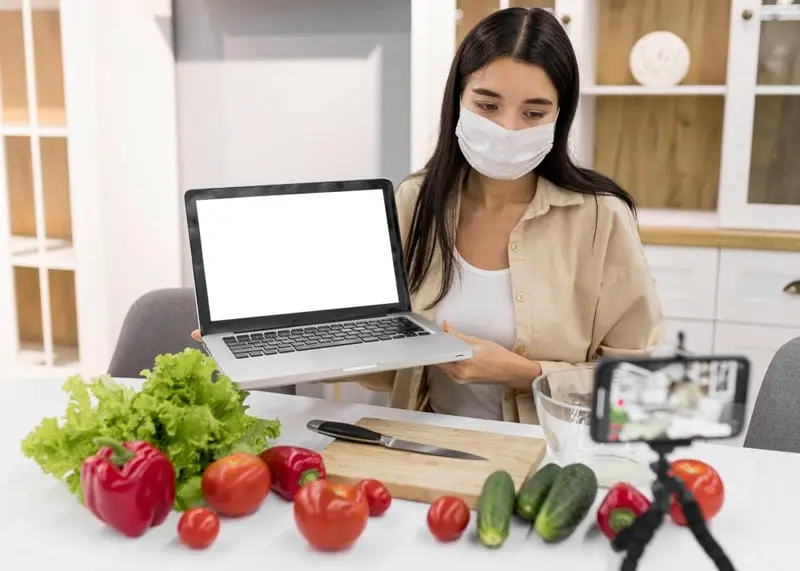
Virtual Cooking Class with a Dietitian: Why It’s a Powerful Corporate Wellness Benefit
Corporate wellness programs in India are undergoing a meaningful transformation. What once revolved primarily around annual health checkups and gym memberships is now shifting toward sustainable lifestyle-based interventions. Among these, the virtual cooking class with a dietitian has emerged as one of the most practical and high-impact wellness initiatives for modern workplaces.
Poor dietary habits are a leading contributor to lifestyle-related conditions such as diabetes, obesity, hypertension, and heart disease. According to the Indian Council of Medical Research (ICMR) and the National Family Health Survey (NFHS-5), a significant proportion of India’s working population consumes excess refined carbohydrates, sugar, and unhealthy fats, while falling short on protein, fibre, and essential micronutrients.
For corporate wellness initiatives to create lasting impact, they must move beyond awareness and actively support behaviour change. Dietitian-led virtual cooking classes address this gap by turning nutritional knowledge into daily practice.
Why Nutrition Is a Critical Corporate Wellness Priority
1. Rising lifestyle disease burden among employees
ICMR data highlights the growing health challenge within India’s workforce:
-
Over 100 million Indians live with diabetes
-
Nearly one in four adults has hypertension
-
Obesity rates are rising even among younger professionals
These conditions directly affect productivity, absenteeism, insurance claims, and long-term healthcare costs.
2. Desk-bound and remote work culture
Sedentary routines, irregular meal timings, and reliance on processed or convenience foods have become common in corporate environments, especially with hybrid and remote work models.
3. Knowledge does not translate into action
Many employees are aware of what constitutes healthy eating but struggle to apply this knowledge in everyday cooking. Virtual cooking classes bridge this gap by offering hands-on, real-world guidance.
What Is a Virtual Cooking Class with a Dietitian?
A virtual cooking class with a dietitian is an interactive online session led by a qualified nutrition professional who:
-
Demonstrates healthy, practical recipes
-
Explains ingredient choices and substitutions
-
Teaches portion control and meal balance
-
Addresses common dietary myths
-
Answers real-time participant questions
Unlike generic cooking shows or wellness webinars, these sessions are evidence-based and aligned with preventive health goals. They are designed specifically for corporate audiences, ensuring simplicity, cultural relevance, and scalability.
Why Virtual Cooking Classes Work Better Than Traditional Nutrition Talks
1. Practical skill-building
Employees learn how to:
-
Plan balanced meals
-
Cook quick, healthy dishes
-
Reduce excess sugar, salt, and oil
-
Read food labels with confidence
Skill-based learning leads to stronger habit formation than passive education.
2. Higher engagement and participation
Interactive cooking sessions are:
-
More engaging than lecture-style talks
-
Suitable for virtual and hybrid teams
-
Inclusive across age groups and roles
Participants actively cook, ask questions, and engage rather than passively listening.
3. Cultural relevance
Dietitians tailor recipes to Indian food habits, regional preferences, and household realities, making healthy eating feel practical and sustainable rather than restrictive.
Key Benefits for Employees
Improved daily nutrition
Employees gain confidence in preparing balanced, nourishing meals at home.
Better energy and focus
Stable blood sugar levels and improved nutrient intake support sustained energy and mental clarity during work hours.
Reduced lifestyle disease risk
WHO and Lancet research confirms that dietary improvements significantly reduce the risk of chronic diseases.
Stress reduction
Cooking itself can be therapeutic, contributing positively to mental wellbeing.
Family-wide impact
Healthy habits learned by employees often influence household food choices, extending benefits beyond the workplace.
Why Employers Benefit from Virtual Cooking Classes
1. Reduced absenteeism
Healthier employees tend to experience fewer illness-related absences.
2. Improved productivity
Better nutrition supports cognitive performance, stamina, and focus.
3. Lower long-term healthcare costs
Preventive nutrition initiatives reduce the burden of chronic disease-related claims.
4. Stronger wellness culture
Interactive and practical programs demonstrate genuine employer commitment to employee wellbeing.
5. High return on investment
Compared to large-scale medical interventions, virtual cooking classes are cost-effective, scalable, and easy to implement.
EY–FICCI corporate wellness reports consistently show that nutrition-focused preventive programs deliver higher engagement and long-term impact.
Topics Commonly Covered in Corporate Cooking Classes
-
Balanced Indian meals
Focus on protein, fibre, and micronutrient adequacy -
Quick workday recipes
Healthy meals prepared in under 30 minutes -
Disease-preventive diets
Heart-healthy, diabetes-friendly, and weight-conscious cooking -
Smart ingredient swaps
Replacing refined grains, excess oil, and added sugar -
Portion control techniques
Understanding serving sizes without calorie obsession -
Reading food labels
Identifying hidden sugar, sodium, and trans fats
How Virtual Cooking Classes Support Preventive Healthcare
Preventive healthcare focuses on addressing risk factors before disease develops, and nutrition plays a central role in this approach.
According to WHO and NITI Aayog:
-
Dietary modification is among the most cost-effective preventive strategies
-
Workplace interventions significantly influence adult eating habits
Virtual cooking classes help:
-
Reinforce preventive screening insights
-
Support chronic disease management
-
Improve adherence to dietitian recommendations
Role of AI-Guided Insights in Corporate Nutrition Programs
Modern wellness programs increasingly use data-driven tools to strengthen impact. AI-enabled health insights can:
-
Identify common nutritional gaps across employee populations
-
Personalise dietary recommendations
-
Support dietitians with evidence-based insights
-
Track long-term wellness outcomes
This ensures cooking sessions are aligned with real employee health needs rather than generic advice.
Why Virtual Delivery Works Best for Corporates
-
Easy scalability across multiple locations
-
No physical infrastructure required
-
Ideal for remote and hybrid teams
-
Flexible scheduling
-
Consistent quality delivery
Virtual formats ensure uniform wellness experiences regardless of employee location.
Long-Term Impact on Corporate Wellness
Organisations that consistently implement nutrition-focused wellness initiatives observe:
-
Higher employee engagement
-
Improved biometric health indicators
-
Reduced burnout
-
Stronger employer branding
Lancet workplace health studies indicate that nutrition-based interventions show measurable benefits within 6–12 months.
Conclusion
A virtual cooking class with a dietitian is more than a wellness activity—it is a powerful preventive health intervention. By equipping employees with practical nutrition skills, these sessions drive meaningful behaviour change, reduce lifestyle disease risk, and support long-term wellbeing. For organisations seeking impactful, scalable, and evidence-based corporate wellness solutions, dietitian-led virtual cooking classes represent a forward-thinking investment in workforce health.
References
-
ICMR – Dietary Patterns and Lifestyle Disease Prevention Reports
-
National Family Health Survey (NFHS-5) – Nutrition and Metabolic Health Data
-
NITI Aayog – Workplace Wellness and Preventive Healthcare Reports
-
WHO – Diet, Nutrition and Chronic Disease Prevention Guidelines
-
Lancet – Workplace Nutrition Interventions and Health Outcomes
-
EY-FICCI – Corporate Wellness and Productivity Studies
-
Statista – Corporate Wellness Program Trends in India
Our Services
Request A Callback
Recent Posts



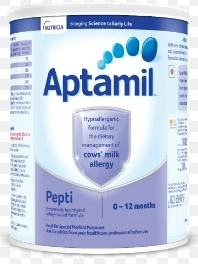
Aptamil Pepti Infant Formula 0 to 12 Months Tin 400gm
Brand: Nutricia International Private Limited
₹2000.00₹1960.00
View Details

Neocate LCP Infant Formula Powder 400GM
Brand: Nutricia International Private Limited
₹3300.00₹3234.00
View Details
Web Stories


Popular Lab Test





Live Doctor consultation
Live Doctor Chat

Fees ₹99
General Physician
Fees ₹99
General Physician
Fees ₹99
General Physician

Dr. Syed Mukhtar Mohiuddin
MBBS, MD , Fellowship in Diabetes Mellitus (UK)
- 7 Years
- English
Available at 00:00 to 07:00
Fees ₹99
General Physician
Fees ₹99
General Physician
Download Our App & Get Consultation from anywhere.