- Published on: Nov 06, 2025
- 2 minute read
- By: Secondmedic Expert
Virtual Clinic India: How SecondMedic Is Transforming Digital Healthcare Access




Virtual Clinic India: The Digital Transformation of Healthcare
In a country as vast and diverse as India, healthcare accessibility has always been a challenge. However, digital innovation is changing that narrative. SecondMedic’s virtual clinic is redefining how Indians access medical expertise - seamlessly, safely, and affordably from their own homes.
The Rise of Virtual Clinics in India
The virtual clinic concept gained momentum after the COVID-19 pandemic, but it has since evolved into a mainstream healthcare model. According to NITI Aayog’s 2023 telemedicine report, over 55 million online consultations took place in India, marking a 30% rise year-over-year.
Urban convenience and rural necessity together fuel this growth. With smartphone penetration exceeding 80% and internet access expanding rapidly, digital clinics are bridging the gap between patients and doctors across regions.
How SecondMedic’s Virtual Clinic Works
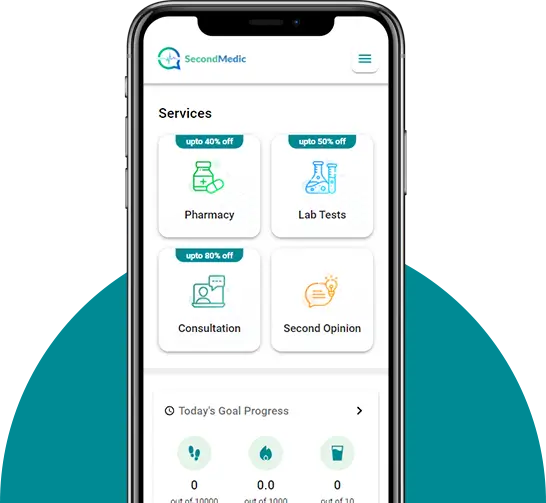
SecondMedic’s platform integrates teleconsultation, digital health records, AI-based analytics, and preventive health packages into one comprehensive experience.
Patients can:
-
Book appointments with specialists in less than a minute.
-
Upload prescriptions and lab reports securely.
-
Receive AI-enhanced diagnostic insights.
-
Get follow-ups without repeated hospital visits.
The platform’s seamless workflow ensures medical consistency, continuity of care, and 24/7 accessibility - whether for a chronic condition or an urgent query.
AI Meets Virtual Healthcare
SecondMedic enhances its virtual clinic with AI-driven predictive analytics. The platform’s algorithms analyze patient histories, lab results, and wearable data to forecast health risks early.
For example, AI models can identify patterns suggesting prediabetes or hypertension risk long before symptoms appear - allowing timely interventions. According to IMARC Group (2024), AI in Indian healthcare is projected to reach $1.5 billion by 2028, driven largely by predictive analytics and telehealth solutions.
Key Benefits of Virtual Clinics
-
Accessibility - No more long commutes or waiting hours. Consult specialists from any location.
-
Affordability - Online consultations reduce healthcare costs by up to 40%, per an IBEF 2024 report.
-
Continuity of Care - Remote monitoring helps manage chronic conditions effectively.
-
Data Integration - Unified digital health records improve diagnosis accuracy.
-
Preventive Health Focus - AI-powered alerts encourage early testing and lifestyle changes.
Aligning with India’s Digital Health Vision
The Government of India’s Ayushman Bharat Digital Mission (ABDM) aims to create a unified digital health ecosystem. SecondMedic aligns perfectly with this goal by providing ABHA ID integration, e-prescriptions, and real-time doctor accessibility - making it an essential part of India’s digital healthcare future.
Who Benefits Most from Virtual Clinics
-
Urban professionals seeking time-efficient consultations.
-
Rural families without easy hospital access.
-
Elderly patients needing regular follow-ups.
-
Corporate employees under preventive care programs.
This inclusivity defines SecondMedic’s mission - accessible healthcare for every Indian, powered by AI and compassion.
The Future of Healthcare in India is Virtual
As per a FICCI-EY 2024 report, nearly 65% of Indian hospitals are now integrating telemedicine or hybrid models. By 2030, virtual care is expected to become a standard component of healthcare delivery.
For patients, this means freedom - freedom to choose doctors, control data, and access quality care without barriers.
Conclusion
The virtual clinic revolution isn’t just a convenience - it’s a movement towards a healthier, connected India.
SecondMedic stands at the forefront, merging technology, trust, and medical excellence to bring world-class care to your fingertips.
Book your consultation today at www.secondmedic.com
References
-
NITI Aayog – “Telemedicine: The Digital Healthcare Revolution in India” (2023)
-
IBEF – “Healthcare Industry in India Report” (2024)
-
IMARC Group – “India Healthcare AI Market Report 2024-2028”
-
FICCI-EY – “Reimagining Indian Healthcare through Digital Transformation” (2024)
-
ABDM (Ayushman Bharat Digital Mission) – https://abdm.gov.in
Read FAQs
A. A virtual clinic allows patients to consult doctors, get prescriptions, and access healthcare services online using secure digital platforms like SecondMedic.
A. SecondMedic connects you to certified doctors via video calls, chat, or phone. You can upload reports, get prescriptions, and track your health through the integrated digital dashboard.
A. Yes, for most non-emergency and routine conditions, virtual consultations are equally effective. A 2024 NITI Aayog study found teleconsultations reduce patient travel time by up to 70%.
A. Consultations, digital prescriptions, preventive health packages, chronic disease monitoring, and AI-based health analytics are all available under one platform.
A. Absolutely. SecondMedic follows the Ayushman Bharat Digital Mission (ABDM) data protection guidelines to ensure patient privacy and HIPAA-compliant storage.


How Inflammation Affects Overall Health: Understanding the Hidden Risks
Inflammation is often misunderstood. While it is a vital protective response of the immune system, persistent or chronic inflammation can quietly damage tissues and increase the risk of serious diseases. Understanding how inflammation affects overall health is crucial in preventing long-term complications and maintaining optimal wellbeing.
According to the World Health Organization and global medical research published in Lancet, chronic inflammation is linked to a wide range of non-communicable diseases, including heart disease, diabetes and autoimmune disorders.
What Is Inflammation?
Inflammation is the body’s natural response to:
-
infection
-
injury
-
toxins
-
stress
It activates immune cells to eliminate harmful stimuli and promote healing.
There are two main types:
Acute Inflammation
Short-term and protective.
Examples include swelling after injury or fever during infection.
Chronic Inflammation
Long-term, low-grade inflammation that persists even without injury.
Chronic inflammation is harmful.
How Chronic Inflammation Develops
Persistent inflammation can result from:
-
unhealthy diet
-
sedentary lifestyle
-
obesity
-
chronic stress
-
environmental toxins
-
untreated infections
Modern lifestyle patterns contribute significantly to this condition.
Impact on Heart Health
Inflammation damages blood vessels and promotes plaque formation.
This increases risk of:
-
heart attack
-
stroke
-
hypertension
ICMR data highlights cardiovascular disease as a leading cause of death in India, with inflammation playing a contributing role.
Link Between Inflammation and Diabetes
Chronic inflammation interferes with insulin signalling.
This leads to:
-
insulin resistance
-
elevated blood sugar
-
metabolic syndrome
NFHS-5 data shows rising diabetes prevalence, partly linked to inflammatory lifestyle factors.
Effect on Joint and Muscle Health
Inflammatory processes contribute to:
-
arthritis
-
joint stiffness
-
muscle pain
Autoimmune diseases often involve chronic inflammation.
Gut Health and Inflammation
The gut plays a central role in immune regulation.
Poor diet and stress disrupt gut balance, triggering:
-
inflammatory bowel conditions
-
digestive discomfort
-
nutrient malabsorption
Gut inflammation impacts systemic health.
Brain Health and Inflammation
Emerging research suggests chronic inflammation affects:
-
memory
-
mood
-
cognitive performance
Inflammatory markers are associated with depression and neurodegenerative disorders.
Chronic Fatigue and Inflammatory Stress
Persistent inflammation causes:
-
ongoing fatigue
-
reduced stamina
-
sleep disturbances
The immune system remains in constant activation mode.
Role in Autoimmune Disorders
Autoimmune diseases occur when the immune system mistakenly attacks healthy tissues.
Chronic inflammation is central to conditions such as:
-
rheumatoid arthritis
-
lupus
-
inflammatory bowel disease
Signs of Chronic Inflammation
Symptoms may include:
-
unexplained fatigue
-
persistent joint pain
-
digestive issues
-
frequent infections
-
skin problems
Early detection is important.
Lifestyle Factors That Increase Inflammation
High Sugar Intake
Excess sugar promotes inflammatory pathways.
Processed Foods
Trans fats and additives trigger immune responses.
Sedentary Lifestyle
Lack of exercise reduces anti-inflammatory benefits.
Poor Sleep
Sleep deprivation increases inflammatory markers.
Chronic Stress
Elevated cortisol disrupts immune balance.
Natural Ways to Reduce Inflammation
Anti-Inflammatory Diet
Include:
-
leafy greens
-
fruits rich in antioxidants
-
nuts and seeds
-
whole grains
Avoid excessive processed foods.
Regular Physical Activity
Exercise lowers inflammatory markers and improves circulation.
Stress Management
Meditation and breathing exercises reduce stress hormones.
Adequate Sleep
7–8 hours of quality sleep supports immune regulation.
Maintain Healthy Weight
Excess abdominal fat produces inflammatory chemicals.
Role of Preventive Health Screening
Regular tests such as:
-
blood sugar
-
lipid profile
-
inflammatory markers
help monitor risk factors early.
Importance of Early Intervention
Unchecked inflammation increases risk of:
-
cardiovascular disease
-
metabolic disorders
-
organ damage
Timely lifestyle changes reverse early inflammatory effects.
Long-Term Health Benefits of Inflammation Control
Reducing inflammation supports:
-
heart health
-
stable blood sugar
-
improved immunity
-
enhanced cognitive function
-
reduced pain
Preventive strategies protect long-term wellbeing.
Conclusion
Understanding how inflammation affects overall health reveals its profound impact on the heart, brain, gut and metabolic systems. While acute inflammation protects the body, chronic inflammation silently contributes to major diseases. Fortunately, lifestyle changes such as balanced nutrition, regular exercise, quality sleep and stress management significantly reduce inflammatory burden. Prevention and early monitoring remain the most effective tools for protecting overall health and ensuring long-term vitality.
References
-
World Health Organization (WHO) – Chronic Disease and Inflammation Reports
-
Indian Council of Medical Research (ICMR) – Cardiovascular and Metabolic Health Studies
-
National Family Health Survey (NFHS-5) – Diabetes and Hypertension Data
-
NITI Aayog – Preventive Healthcare Strategy Reports
-
Lancet – Inflammation and Chronic Disease Research
Our Services
Request A Callback
Recent Posts




Aptamil Pepti Infant Formula 0 to 12 Months Tin 400gm
Brand: Nutricia International Private Limited
₹2000.00₹1960.00
View Details


Neocate LCP Infant Formula Powder 400GM
Brand: Nutricia International Private Limited
₹3300.00₹3234.00
View Details
Web Stories


Popular Lab Test






Live Doctor consultation
Live Doctor Chat

Fees ₹99
General Physician
Fees ₹99
General Physician
Fees ₹99
General Physician

Dr. Syed Mukhtar Mohiuddin
MBBS, MD , Fellowship in Diabetes Mellitus (UK)
- 7 Years
- English
Available at 00:00 to 07:00
Fees ₹99
General Physician
Fees ₹99
General Physician
Download Our App & Get Consultation from anywhere.