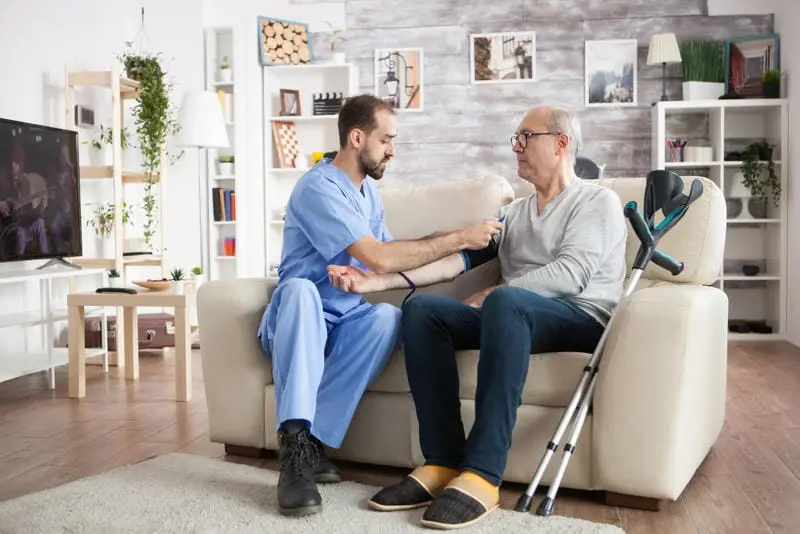
Hospital discharge marks an important milestone in recovery, but it does not mean treatment has ended. In fact, the period immediately after discharge is critical. Without proper supervision, patients are at risk of complications, medication errors and readmission. This is why home patient care after hospital discharge plays a vital role in ensuring safe and successful recovery.
According to global health reports and Indian healthcare data, a significant percentage of hospital readmissions occur within 30 days of discharge, often due to inadequate follow-up care or poor medication management. Structured home-based care bridges this gap.
Why the Post-Discharge Period Is Critical
After hospitalisation, patients may experience:
-
weakness
-
reduced mobility
-
medication adjustments
-
wound healing requirements
-
dietary restrictions
Close monitoring during this period prevents setbacks.
What Is Home Patient Care After Hospital Discharge?
Home patient care includes professional medical and nursing support provided at the patient’s residence after hospital treatment.
Services may involve:
-
medication supervision
-
wound dressing
-
injection administration
-
physiotherapy
-
monitoring vital signs
-
dietary guidance
-
teleconsultation follow-ups
This ensures continuity of care.
Who Needs Post-Hospital Home Care?
1. Post-Surgery Patients
After surgeries such as:
-
cardiac procedures
-
orthopaedic operations
-
abdominal surgeries
patients require wound care and mobility assistance.
2. Elderly Individuals
Older adults recover more slowly and need:
-
fall prevention
-
medication reminders
-
regular monitoring
3. Chronic Disease Patients
Individuals with:
-
diabetes
-
heart disease
-
respiratory disorders
require structured monitoring to avoid relapse.
Key Components of Effective Home Recovery Care
Medication Management
Medication errors are a leading cause of readmission.
Caregivers ensure:
-
correct dosage
-
timely administration
-
monitoring side effects
Wound Care and Infection Prevention
Professional nurses:
-
clean surgical wounds
-
change dressings
-
detect early signs of infection
This reduces complications.
Vital Sign Monitoring
Tracking:
-
blood pressure
-
oxygen saturation
-
temperature
-
blood glucose
helps detect early warning signs.
Physiotherapy and Mobility Support
Rehabilitation at home:
-
restores strength
-
improves mobility
-
prevents muscle stiffness
Regular therapy accelerates recovery.
Benefits of Home Patient Care After Hospital Discharge
Reduced Risk of Readmission
Consistent supervision prevents complications.
Lower Infection Risk
Hospitals expose patients to secondary infections. Home recovery reduces this exposure.
Emotional Comfort
Familiar surroundings support mental wellbeing.
Family Involvement
Family members can participate actively in recovery planning.
Cost Efficiency
Shorter hospital stays combined with home care reduce overall treatment expenses.
Role of Technology in Post-Discharge Care
Digital health solutions enable:
-
remote vital monitoring
-
virtual doctor consultations
-
electronic prescription tracking
These tools improve coordination between healthcare providers and families.
Preventive Approach to Recovery
Preventive monitoring identifies:
-
fluid retention
-
blood pressure spikes
-
blood sugar fluctuations
Early intervention prevents emergencies.
Importance of Clear Discharge Planning
Before discharge, patients should receive:
-
written instructions
-
medication schedule
-
follow-up appointment plan
-
dietary guidelines
Home care teams help implement these instructions correctly.
Challenges Families Face Without Professional Support
Families may struggle with:
-
complex medication regimens
-
wound management
-
recognising warning signs
Professional home care reduces uncertainty and stress.
Signs That Immediate Medical Attention Is Needed
Seek urgent help if the patient experiences:
-
high fever
-
severe pain
-
breathing difficulty
-
sudden confusion
-
abnormal wound discharge
Home care teams can assist in early escalation.
Long-Term Health Benefits
Effective home recovery:
-
reduces chronic complications
-
improves long-term outcomes
-
enhances overall quality of life
Recovery does not end at discharge—it continues at home.
Conclusion
Home patient care after hospital discharge ensures a safe, structured and supportive transition from hospital to home. By combining medication management, wound care, physiotherapy and continuous monitoring, home-based recovery reduces complications and improves long-term health outcomes. The post-discharge period is critical, and investing in professional home care significantly enhances patient safety, comfort and recovery success.
References
- Indian Council of Medical Research (ICMR) – Hospital Readmission and Recovery Reports
- National Family Health Survey (NFHS-5) – Chronic Disease Data
- World Health Organization (WHO) – Transitional Care Guidelines
- NITI Aayog – Home Healthcare and Preventive Health Strategy
- Lancet – Post-Hospitalisation Care and Readmission Studies