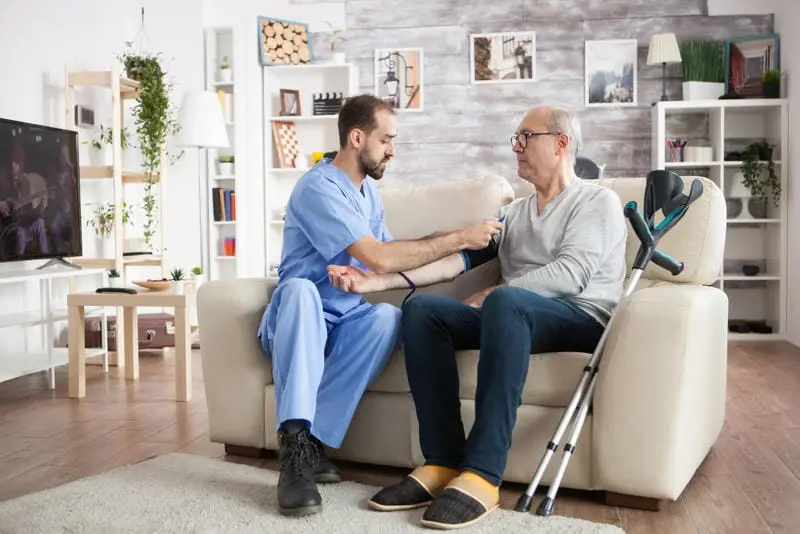
India is witnessing a steady rise in its elderly population. According to government and health reports, the number of citizens aged 60 years and above is growing rapidly due to increased life expectancy and improved healthcare access. As families navigate busy lifestyles and urban work demands, many are seeking dependable elderly care services at home to ensure their loved ones receive safe, dignified and professional support.
Home-based elderly care combines medical supervision, nursing assistance and emotional support within the comfort of familiar surroundings.
Why Elderly Care at Home Is Becoming Essential
Growing Ageing Population
National health data indicates that India’s senior population is expanding significantly, increasing the need for geriatric-focused healthcare.
Rise in Chronic Conditions
Common conditions among seniors include:
-
diabetes
-
hypertension
-
arthritis
-
heart disease
-
neurological disorders
These conditions require continuous monitoring and medication management.
Preference for Familiar Environment
Most seniors prefer:
-
staying in their own homes
-
maintaining independence
-
remaining close to family
Home care supports these preferences while ensuring safety.
What Do Elderly Care Services at Home Include?
1. Medical Supervision
Professional nurses monitor:
-
blood pressure
-
blood sugar
-
oxygen levels
-
medication adherence
Regular assessments prevent complications.
2. Post-Hospital Recovery Support
After surgery or hospital discharge, seniors may require:
-
wound care
-
physiotherapy
-
medication administration
-
nutritional monitoring
Home care reduces hospital readmission risk.
3. Assistance with Daily Activities
Caregivers support:
-
bathing and grooming
-
mobility assistance
-
meal preparation
-
hygiene management
This ensures dignity and comfort.
4. Chronic Disease Management
Conditions such as diabetes and hypertension require:
-
routine monitoring
-
dietary regulation
-
timely medication
Home-based monitoring improves compliance.
5. Palliative and Long-Term Care
For advanced illnesses, compassionate care focuses on:
-
comfort
-
pain management
-
emotional support
Families benefit from professional guidance.
Benefits of Elderly Care Services at Home
Comfort and Emotional Wellbeing
Remaining at home reduces stress and confusion, especially for seniors with memory issues.
Reduced Infection Risk
Hospitals may expose seniors to infections. Home care minimises this risk.
Personalised Attention
One-on-one supervision improves response to health changes.
Family Involvement
Family members can actively participate in care decisions.
Cost-Effective Compared to Long-Term Hospitalisation
Home care often reduces extended hospital stay costs.
Role of Preventive Monitoring
Regular checkups and health tracking at home help:
-
detect early warning signs
-
adjust medications
-
prevent emergencies
Preventive strategies improve quality of life.
Technology in Home Elderly Care
Digital tools support:
-
remote monitoring devices
-
teleconsultations
-
digital medical records
Technology enhances coordination between caregivers and doctors.
Choosing the Right Elderly Care Service
When selecting services, ensure:
-
trained and certified staff
-
background verification
-
transparent communication
-
clear emergency protocols
Professional standards ensure safety.
Emotional Support for Seniors
Elderly individuals often face:
-
loneliness
-
anxiety
-
reduced social interaction
Caregivers provide companionship and reassurance.
Supporting Caregivers and Families
Home elderly care reduces caregiver burnout by:
-
sharing responsibilities
-
offering professional support
-
ensuring continuous supervision
Families gain peace of mind.
Preventive Healthcare for Seniors
Regular health screenings for seniors should include:
-
blood tests
-
heart health assessment
-
bone density evaluation
-
vision and hearing tests
Early detection prevents complications.
Addressing Common Misconceptions
Some believe home care is only for critically ill patients. In reality, it is suitable for:
-
mild mobility challenges
-
routine monitoring
-
preventive care
Home care adapts to varying needs.
The Future of Elderly Care in India
Healthcare systems are increasingly focusing on:
-
geriatric specialisation
-
home-based monitoring
-
digital health integration
Elderly care services at home are becoming central to senior healthcare strategy.
Conclusion
Elderly care services at home offer a compassionate, practical and patient-centred solution for senior wellbeing. By combining medical supervision, daily assistance and emotional support, home-based care allows seniors to live with dignity in familiar surroundings. As India’s ageing population grows, investing in structured, professional home elderly care ensures safety, comfort and improved quality of life for both seniors and their families.
References
- Indian Council of Medical Research (ICMR) – Geriatric Health Reports
- National Family Health Survey (NFHS-5) – Ageing and Chronic Disease Data
- World Health Organization (WHO) – Ageing and Health Guidelines
- NITI Aayog – Elderly Care and Preventive Health Strategy
- Economic Times – Growth of Home Healthcare Industry in India