The Butterfly Pose, or Baddha Konasana, is a gentle and accessible yoga posture that offers numerous benefits for both body and mind. Whether you're a seasoned yogi or a beginner, incorporating this pose into your routine can improve your physical health, enhance flexibility, and bring a sense of calm and relaxation.
What is Butterfly Pose?
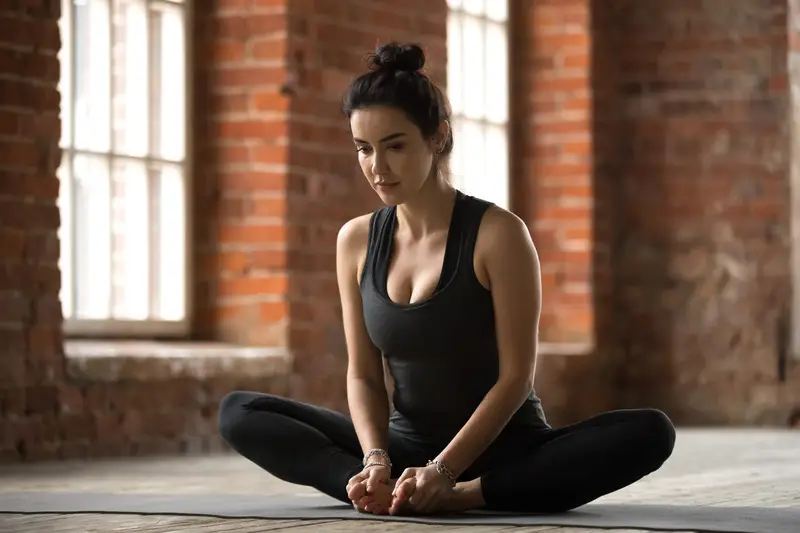
Butterfly Pose is a seated yoga posture that involves bringing the soles of your feet together while allowing your knees to fall outward, resembling the wings of a butterfly. This simple pose is often used as a warm-up for more intense stretches, but it can also be practiced on its own for its unique benefits.
How to Perform Butterfly Pose
Before diving into the benefits, let’s go over the steps to perform Butterfly Pose correctly:
-
Sit on the floor with your legs extended straight out in front of you.
-
Bend your knees and bring the soles of your feet together, allowing your knees to drop outward.
-
Hold your feet with both hands, keeping your spine straight and your chest open.
-
Inhale deeply and as you exhale, gently press your knees toward the floor.
-
Hold the pose for 1-3 minutes, breathing deeply and focusing on the stretch in your hips and inner thighs.
Physical Benefits of Butterfly Pose
1. Enhances Hip Flexibility
One of the most well-known benefits of Butterfly Pose is its ability to increase flexibility in the hips and groin area. As you hold the pose, you gently stretch the inner thighs, groin, and knees, which can help reduce tightness in these areas. Regular practice can lead to improved range of motion and greater ease in other yoga poses or daily activities.
2. Strengthens Pelvic Muscles
Butterfly Pose also engages and strengthens the muscles around the pelvis. This can be particularly beneficial for women, as strong pelvic muscles support reproductive health and can ease discomfort during menstruation. Additionally, this pose can help alleviate tension in the pelvic area, promoting relaxation and comfort.
3. Improves Posture
Maintaining a straight spine during Butterfly Pose encourages good posture. As you sit tall and open your chest, you strengthen the muscles along your back and shoulders. Over time, this can lead to improved posture, reducing the risk of back pain and enhancing your overall appearance.
4. Stimulates Blood Circulation
Butterfly Pose helps stimulate blood flow to the lower body, including the hips, thighs, and knees. Improved circulation in these areas can aid in detoxification, reduce the risk of varicose veins, and promote overall leg health.
5. Relieves Sciatica Pain
For those who suffer from sciatica, Butterfly Pose can offer relief. The gentle stretch helps alleviate pressure on the sciatic nerve, reducing pain and discomfort. This pose is a safe and effective way to manage sciatica symptoms, especially when practiced regularly.
Mental and Emotional Benefits of Butterfly Pose
Like many yoga poses, Butterfly Pose has a calming effect on the mind. As you focus on your breath and the gentle stretch, you can release tension and stress. This pose encourages relaxation and can be a great way to unwind after a long day or prepare for meditation.
2. Promotes Mindfulness
Practicing Butterfly Pose can enhance mindfulness by encouraging you to focus on the present moment. As you hold the pose, you become more aware of your body, breath, and the sensations you experience. This heightened awareness can help you stay grounded and present, both on and off the mat.
3. Supports Emotional Balance
Butterfly Pose can also help balance emotions by releasing stored tension in the hips and pelvis. According to yoga philosophy, the hips are a storage area for emotions, particularly those related to fear and stress. By opening the hips in this pose, you may experience an emotional release, leading to a greater sense of emotional balance and well-being.
Tips for a Safe and Effective Practice
While Butterfly Pose is generally safe for most people, here are some tips to ensure you get the most out of your practice:
-
Use a cushion or blanket: If you find it difficult to sit on the floor with a straight spine, place a cushion or folded blanket under your hips for support. This will help you maintain proper alignment and avoid straining your back.
-
Avoid forcing the stretch: It's important to listen to your body and avoid pushing your knees too close to the floor. Overstretching can lead to injury. Instead, focus on a gentle stretch and allow your flexibility to improve gradually over time.
-
Breathe deeply: Deep breathing enhances the benefits of Butterfly Pose by increasing oxygen flow to your muscles and promoting relaxation. Inhale slowly and deeply through your nose, and exhale fully, releasing any tension in your body.
-
Modify if needed: If you have knee or hip issues, you can modify the pose by placing blocks or cushions under your knees for added support. This reduces strain on your joints while still allowing you to enjoy the benefits of the pose.
Incorporating Butterfly Pose into Your Routine
Butterfly Pose can be practiced as part of your regular yoga routine or on its own whenever you need a gentle stretch. Here are some ways to incorporate this pose into your day:
-
Morning Stretch: Start your day with Butterfly Pose to wake up your hips and promote flexibility. Pair it with deep breathing for a calming morning ritual.
-
Pre-Workout Warm-Up: Use Butterfly Pose as a warm-up before engaging in physical activities like running or weightlifting. It prepares your hips and thighs for movement, reducing the risk of injury.
-
Evening Wind-Down: Practice Butterfly Pose in the evening to release tension from the day and prepare your body for rest. This pose pairs well with other relaxing poses like Child's Pose or Legs Up the Wall.
-
During Meditation: Butterfly Pose is a comfortable seated position for meditation. It helps you maintain an upright posture while allowing your hips to relax, making it easier to focus on your breath and mindfulness.
Conclusion
The Butterfly Pose is a simple yet powerful yoga asana that offers a wide range of benefits for both the body and mind. By incorporating this pose into your yoga practice or daily routine, you can improve your flexibility, strengthen your pelvic muscles, and promote emotional balance. Whether you're looking to relieve stress, enhance your posture, or simply enjoy a gentle stretch, Butterfly Pose is a valuable addition to any wellness routine. Give it a try and experience the transformative effects for yourself.