
• Published on: Aug 14, 2025
  • 1 minute read
  • By: Secondmedic Expert

Best Health Checkup Package For Busy Professionals

  • WhatsApp share link icon
  • copy & share link icon
  • twitter share link icon
  • facebook share link icon

In today’s fast-paced corporate world, health often takes a back seat. Long working hours, constant deadlines, irregular meals, and limited physical activity can silently impact your well-being. This is where the best health checkup package for busy professionals becomes your lifesaver—helping you stay on top of your health without sacrificing precious work time.

Why Health Checkups Matter for Busy Professionals

Professional life often leaves little room for self-care. But ignoring routine health monitoring can result in late detection of conditions like high cholesterol, diabetes, or liver disease. Regular checkups act as an early warning system, allowing you to take corrective measures before issues become serious.

Key Tests in the Best Health Checkup Package

1. Complete Blood Count (CBC)
A CBC evaluates red and white blood cells, hemoglobin levels, and platelets. It’s a quick way to detect anemia, infections, and immune deficiencies.

2. Lipid Profile
This test measures cholesterol and triglycerides, which are critical indicators of heart health. High levels can increase the risk of heart attack and stroke.

3. Blood Sugar Tests (Fasting & HbA1c)
The fasting blood sugar test gives a snapshot of your current glucose level, while HbA1c shows your average blood sugar over the past three months—essential for detecting diabetes early.

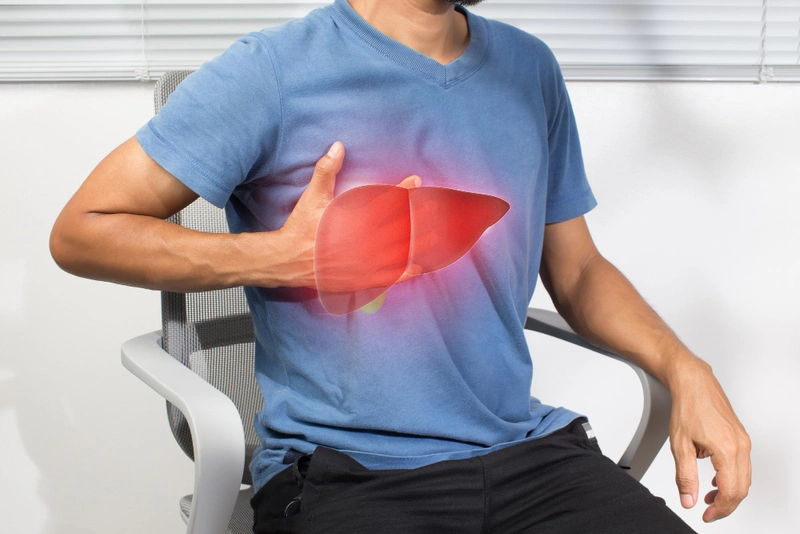
4. Liver & Kidney Function Tests
These tests assess organ performance by checking enzyme, protein, and creatinine levels. Early detection of damage can prevent long-term complications.

5. Thyroid Profile
Thyroid issues are common among professionals, especially women. Testing T3, T4, and TSH ensures hormonal balance and energy regulation.

6. Vitamin D & B12 Tests
Deficiencies can lead to fatigue, poor concentration, and weakened immunity—problems that can affect productivity at work.

Benefits of At-Home Health Checkups for Professionals

One of the main barriers for professionals is time. At-home health checkups solve this by allowing trained technicians to collect samples at your convenience. You can schedule tests early in the morning before work, and receive digital reports within a couple of days.

How to Choose the Best Health Package

When selecting a health checkup package, ensure it covers:

  • Essential preventive tests
     

  • Both current health status and long-term indicators
     

  • Flexible home sample collection slots
     

  • Reports reviewed by qualified doctors
     

Preventive Care Saves Time and Money

Investing in preventive checkups not only safeguards your health but also helps avoid costly treatments in the future. A small amount of time once or twice a year can save weeks of recovery later.

Conclusion

Staying healthy while managing a demanding career is possible when you prioritize regular testing. Choose the best health checkup package for busy professionals to keep your health in check, prevent diseases, and maintain peak performance in both work and life.

Read FAQs


A. A hectic lifestyle increases stress and risk of lifestyle diseases, making early detection crucial.

A. Most at-home checkups can be completed in 20–30 minutes with results in 24–48 hours.

A. Yes, reputed labs offer home sample collection without disrupting your workday.

A. It usually covers CBC, lipid profile, blood sugar, liver & kidney tests, thyroid profile, and vitamin levels.

A. Once a year is recommended for healthy adults, and every 6 months if you have chronic conditions.

Read Blog
Busting Nutrition Myths in India: An Evidence-Based Guide Powered by SecondMedic’s AI Health Guide

Busting Nutrition Myths in India: An Evidence-Based Guide Powered by SecondMedic’s AI Health Guide

Nutrition misinformation has become increasingly common in India. From viral social media diets to generational food beliefs, many individuals struggle to separate fact from fiction. These myths can influence daily habits, delay proper treatment and contribute to the growing burden of lifestyle diseases.

SecondMedic’s AI Health Guide was designed to offer clarity. By analysing scientific literature, Indian dietary patterns and personal health inputs, it explains complex nutrition topics in a human-friendly, practical manner. This blog explores the most widespread nutrition myths in India and how an AI-enabled approach helps users make informed dietary decisions.


Why Nutrition Myths Persist in India

1. Cultural dietary traditions

Food practices often evolve through experience but not always through evidence. Certain long-held assumptions continue despite scientific updates.

2. Rise of viral misinformation

Millions of Indians search diet advice online daily, and misleading content spreads rapidly without expert review.

3. High prevalence of lifestyle diseases

ICMR and NFHS-5 highlight escalating rates of:

  • Diabetes

  • Obesity

  • Hypertension

  • PCOS

  • Thyroid disorders
     

The public seeks quick solutions, making myths appealing.

4. Limited access to qualified dietitians

Many people rely on hearsay or generic tips rather than personalised nutrition guidance.

SecondMedic’s AI Health Guide bridges this gap by offering accessible, evidence-backed explanations.


Myth 1: “Carbohydrates always lead to weight gain.”

Carbohydrates are not inherently harmful.
The problem lies in refined carbohydrates like white bread, sugary drinks and packaged snacks.

What the science says

Whole grains, millets, oats and fibre-rich carbs improve:

  • Gut health

  • Blood sugar regulation

  • Energy levels
     

Research in Lancet Public Health confirms that complex carbs support metabolic wellbeing.

AI Health Guide perspective

The system evaluates:

  • Activity level

  • Blood sugar trends

  • Dietary preferences
     

Then recommends the type and quantity of carbs suitable for the individual.


Myth 2: “Protein damages the kidneys.”

This is one of India’s most common misconceptions.

Clinical reality

Protein affects kidneys only in individuals with existing kidney disease.

NFHS-5 shows that most Indians do not meet their daily protein requirement.

Balanced approach

Safe protein sources:

  • Lentils

  • Paneer

  • Eggs

  • Tofu

  • Chicken

  • Fish
     

An AI-guided nutrition plan ensures intake matches needs and health conditions.


Myth 3: “All fats are unhealthy.”

Fats play essential roles in:

  • Hormone production

  • Brain function

  • Vitamin absorption
     

Good fats

  • Nuts and seeds

  • Olive oil

  • Flaxseed

  • Fatty fish
     

Harmful fats

  • Trans fats

  • Hydrogenated oils

  • Deep-fried packaged snacks
     

SecondMedic’s AI Health Guide analyses dietary logs to suggest healthier fat alternatives.


Myth 4: “Detox diets cleanse the body.”

Detox teas, juices and cleanses are popular but not scientifically validated.

Actual detoxification

The liver, kidneys and digestive system naturally remove toxins.

Risks of extreme detox diets

  • Fatigue

  • Digestive distress

  • Slow metabolism

  • Nutrient deficiencies
     

A sustainable alternative includes balanced meals, hydration and fibre-rich foods.


Myth 5: “Eating after 8 PM causes weight gain.”

Timing is not the primary factor.
Weight gain depends on:

  • Total calorie intake

  • Food quality

  • Portion control

  • Sleep-wake cycles
     

For shift workers or late diners, an AI-based guide personalises eating windows that match biological rhythms.


How AI Personalises Nutrition Guidance for India

The AI Health Guide adapts advice based on:

• Clinical inputs

Blood reports, symptoms, chronic conditions.

• Lifestyle signals

Sleep, activity, stress, work schedules.

• Cultural eating patterns

North Indian, South Indian, vegetarian, non-vegetarian diets.

• Personal health goals

Weight control, energy improvement, disease management.

This ensures that the guidance is not generic-it is tailored for real-life Indian scenarios.


How an AI Health Guide Supports Preventive Healthcare

1. Early risk identification

AI recognises patterns that may indicate:

  • Rising blood sugar

  • Nutrient deficiencies

  • Poor digestion

  • Inflammatory markers
     

2. Behavioural nudges

Small, realistic changes are suggested instead of extreme diet plans.

3. Improved health literacy

Users understand why certain foods are better choices.

4. Better medical support

Clear explanations enhance doctor and dietitian consultations.


Conclusion

Nutrition myths can lead individuals toward restrictive diets, nutrient deficiencies and misguided health decisions. With rising lifestyle diseases in India, accurate nutrition knowledge is essential. A scientific, personalised approach-supported by an AI Health Guide-helps individuals navigate misinformation confidently.

By combining evidence-based insights with individual dietary needs, SecondMedic’s AI-driven guidance empowers people to adopt sustainable, preventive and truly health-enhancing food habits.


References

• ICMR Indian Nutrition Profile & Dietary Science Study
• National Family Health Survey (NFHS-5) - Protein Intake & Micronutrient Data
• NITI Aayog - Preventive Health & Digital Nutrition Insights
• WHO Global Dietary Guidelines & Balanced Nutrition Framework
• Lancet Public Health - Carbohydrate Quality & Metabolic Health Studies
• Statista - India Digital Nutrition & Health Behaviour Analysis
• EY-FICCI - AI and Preventive Healthcare Consumer Report

See all

Live Doctor consultation
Live Doctor Chat

Download Our App & Get Consultation from anywhere.

App Download
call icon for mobile number calling and whatsapp at secondmedic