High C-reactive protein levels do not produce specific symptoms on their own. Instead, they reflect underlying inflammation in the body, which may present as fever, fatigue, body pain, or swelling. Clinical evidence indicates that CRP is a marker, not a disease, so symptoms depend on the underlying cause such as infection, autoimmune disorders, or chronic illness.
C-reactive protein is produced by the liver in response to inflammation. When CRP levels rise, it signals that the immune system is actively responding to tissue injury or infection. In many cases, individuals may not notice direct symptoms unless the underlying condition becomes clinically significant.
For example, a person with a bacterial infection may experience fever and chills, while someone with chronic inflammation may report fatigue and joint discomfort.
What Is C-Reactive Protein and Its Role in the Body
C-reactive protein is an acute phase protein that increases rapidly in response to inflammation. It is widely used in clinical practice as a biomarker to assess inflammatory activity.
Key Functions of CRP
- Detects inflammation in the body
- Helps in identifying infections
- Assists in monitoring chronic diseases
- Supports risk assessment for cardiovascular disease
CRP levels can rise within hours of inflammation onset and decrease once the condition improves. This makes it a valuable diagnostic and monitoring tool.
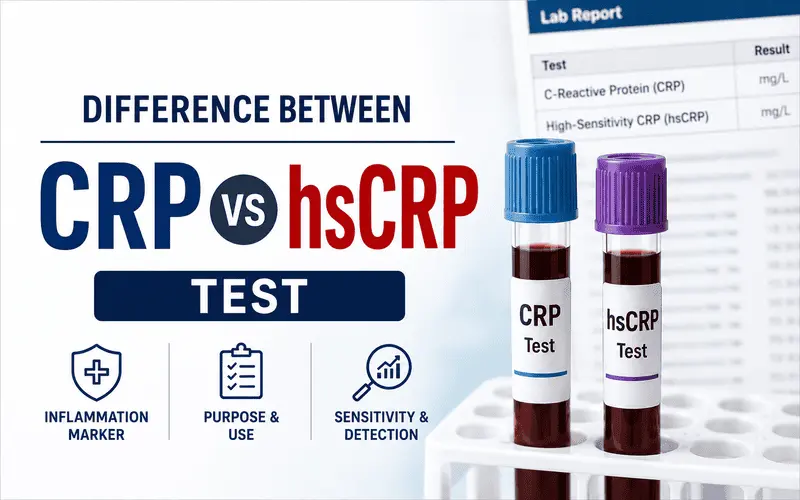
There are two common types of CRP testing:
- Standard CRP test for acute inflammation
- High sensitivity CRP test for cardiovascular risk evaluation
What Happens When CRP Levels Are High
When CRP levels are elevated, it indicates active inflammation that may be acute or chronic. The severity of elevation often correlates with the intensity of the inflammatory response.
Mild elevation may occur due to minor infections or stress, while significantly high levels may indicate serious conditions such as bacterial infections or autoimmune diseases.
Possible Outcomes of High CRP
- Increased immune system activity
- Tissue inflammation and damage
- Elevated risk of chronic diseases
Persistent elevation of CRP is often associated with long term health risks, including cardiovascular disease and metabolic disorders.
Common Symptoms Linked to High CRP Levels
Symptoms associated with high CRP are usually related to the underlying condition causing inflammation.
Frequently Observed Symptoms
- Fever or chills
- Fatigue or weakness
- Muscle aches and joint pain
- Swelling or redness in affected areas
- Loss of appetite
- Headache
In infections, symptoms tend to be acute and pronounced. In chronic inflammatory conditions, symptoms may be subtle and persistent over time.
For instance, autoimmune disorders may present with joint stiffness and fatigue, while infections may cause fever and localized pain.
Is High CRP a Sign of Serious Disease
High CRP levels can indicate serious disease, but not always. The interpretation depends on the level of elevation and associated clinical findings.
Moderate to high CRP levels are often seen in conditions such as:
- Severe bacterial infections
- Autoimmune diseases like rheumatoid arthritis
- Chronic inflammatory diseases
- Cardiovascular disease
However, temporary increases may occur due to minor infections, physical stress, or injury.
Medical evaluation is necessary when CRP levels remain elevated or are associated with severe symptoms such as persistent fever, unexplained weight loss, or severe pain.
Causes of Elevated C-Reactive Protein Levels
Several medical and lifestyle factors can lead to increased CRP levels.
Medical Causes
- Bacterial or viral infections
- Autoimmune disorders
- Chronic inflammatory diseases
- Tissue injury or trauma
Lifestyle Factors
- Obesity
- Smoking
- Sedentary lifestyle
- Poor diet
In the Indian population, rising rates of obesity and metabolic syndrome contribute significantly to chronic low grade inflammation and elevated CRP levels.
How to Reduce High CRP Levels
Reducing CRP levels involves addressing the underlying cause of inflammation and adopting healthy lifestyle practices.
Medical treatment depends on diagnosis and may include antibiotics, anti inflammatory medications, or disease specific therapies.
Lifestyle Strategies
- Balanced diet rich in fruits and vegetables
- Regular physical activity
- Weight management
- Smoking cessation
Anti inflammatory diets that include omega 3 fatty acids, whole grains, and antioxidants may help reduce CRP levels over time.
CRP Test, Normal Range, and Interpretation
The CRP test measures the concentration of C-reactive protein in the blood and helps assess inflammation.
Normal CRP Levels
- Less than 1 mg per liter: Low risk
- 1 to 3 mg per liter: Moderate risk
- Above 3 mg per liter: High risk
High Sensitivity CRP
- Used to assess cardiovascular risk
- Detects low levels of inflammation
Interpretation should always be done in conjunction with clinical symptoms and other diagnostic tests. Elevated CRP alone is not sufficient for diagnosis.