• Published on: Apr 04, 2020
  • 3 minute read
  • By: Secondmedic Expert

Understanding COVID-19 Symptoms And Causes

  • WhatsApp share link icon
  • copy & share link icon
  • twitter share link icon
  • facebook share link icon

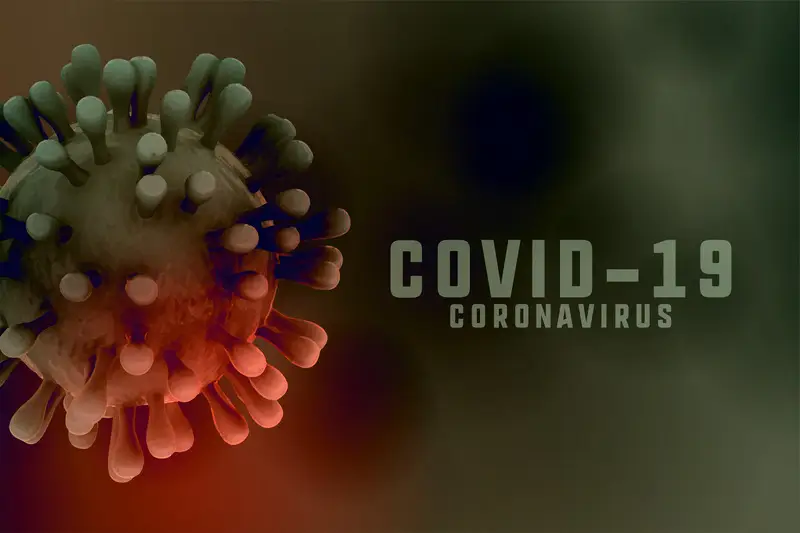
In a world where staying healthy is super important, COVID-19 is a big deal affecting people everywhere. Right now, things are a bit confusing, but it's really important to know more about it. In this blog, we're going to talk about the signs and reasons for COVID-19 in a way that's as clear as a sunny day.

The Small Trouble Buddy: Getting to Know COVID-19

Picture a super tiny intruder getting into our bodies, messing with our health. That's the coronavirus. It can be quiet like a whisper or loud like thunder, making us feel different things. To fight it, we need to know what signs to watch out for.

As we check these signs, remember that COVID-19 is not the same for everyone. Some might feel a little sick, and others could feel really, really sick. The big thing is to notice the signs early and do the right things to stay healthy.

Common Symptoms: Listen to Your Body's Whispers

COVID-19 usually starts with mild symptoms that might seem similar to a regular cold or flu. Your body is like a messenger, trying to tell you something important—so pay attention.

- Fever: When you have a fever, it's like a red flag waving to let you know something might be wrong. Keep an eye on your temperature, and if it goes up, it's a good idea to get advice from someone who knows about these things.

- Cough: If you find yourself coughing a lot, especially if it's a dry cough, think of it as your body's way of trying to get rid of an unwanted guest—it's like a little alarm going off.

- Shortness of Breath: Feeling like you can't catch your breath might happen, and it could be a sign that the virus is affecting how you breathe. This symptom can range from feeling a bit off to more serious, so it's important to take notice.

Apart from these main symptoms, it's also important to be on the lookout for subtler signs that could mean you have a COVID-19 infection. Things like headaches, a sore throat, or just a general feeling of not being well are worth paying attention to.

Less Common Symptoms: The Plot Thickens

As we talk about the symptoms, it's like understanding that COVID-19 doesn't affect everyone in the same way. Some people might feel things that aren't so common but are still very important to notice.

- Feeling Tired: If you're more tired than usual, it could be your body's way of trying to fight off the virus.

- Body Aches: Your muscles and joints might hurt, which is something you shouldn't ignore.

- Loss of Taste or Smell: This one's interesting—losing your sense of taste or smell can happen and might stick around even after other symptoms go away.

These symptoms might not be as obvious as a really high fever or a strong cough, but they're still clues that you might have COVID-19. If you notice them early, it can help you get help sooner and have a better chance of getting better.

Severe Symptoms: When the Storm Hits

Sometimes, COVID-19 can get really serious, and you might need to see a doctor right away. It's important to know the signs.

- Trouble Breathing: If your chest hurts a lot, or you're finding it super hard to breathe, call for emergency help.

- Confusion: If you suddenly feel really confused or can't stay awake, it's a sign that you might not be getting enough oxygen. You need to get help fast.

Understanding how symptoms can go from not so bad to really bad shows why it's crucial to talk to a doctor as soon as you notice any problems. Getting help early can make a big difference in how things turn out.

The Road to Understanding: Causes of COVID-19

To stop a foe, we need to know where it comes from. COVID-19 is caused by the SARS-CoV-2 virus, and it mainly spreads when someone who is sick talks, coughs, or sneezes. Knowing how it moves around is super important to stop it from going to more people.

- Airborne Spread: The virus can stay in the air, especially in closed places with not much fresh air.

- Touching Things: If you touch things that have the virus and then touch your face, you might get infected.

Understanding these ways helps us make smart choices every day. This knowledge is like the base for things we do to stay safe, like wearing masks, washing our hands a lot, and keeping some distance from others.

Prevention and Preparedness

Now that we know more about the signs and reasons, let's talk about how to keep ourselves safe. Getting a vaccine is like putting on superhero armor against COVID-19. It helps a lot in making the sickness less severe.

Besides that, doing simple things regularly is like having a shield. Washing your hands often, wearing a mask in crowded places, and keeping up with what your local health experts say can really help stop the virus from spreading.

Being ready is super important too. If you or someone you know starts feeling sick, it's good to know what to do. Listen to your body, and if things don't feel right, it's okay to ask for help from doctors or nurses. Following their advice is like having a team of experts on your side, working together to keep everyone safe from the virus.

Summary

In our mission to figure out COVID-19, knowledge is like our superhero. When we get what the symptoms and reasons are in easy words, we give ourselves the power to keep not just ourselves but everyone safe. Be smart, stay alert, and as a team, we can get through these uncertain times and come out even stronger. If you have any concerns or questions, why not chat with a doctor? They're here to help you stay healthy and happy. Click here to book a doctor consultation with us – your health is our top priority!

Read FAQs


A. If you suspect you have COVID-19, it's crucial to take immediate action. Isolate yourself from others, contact healthcare professionals for guidance, and follow their advice. Monitoring your symptoms and seeking medical help promptly can make a significant difference in your recovery.

A. Surviving COVID-19 involves a combination of early detection, proper medical care, and adopting healthy practices. If you experience symptoms, seek medical attention, follow prescribed treatments, and take care of your overall well-being. Additionally, adhere to preventive measures, such as vaccination, to reduce the severity of the illness.

A. Recovery from COVID-19 doesn't end with symptom resolution. Gradually reintegrate into your routine, focusing on your health. Listen to your body, follow post-illness guidelines from healthcare professionals, and prioritize self-care. Returning to normal may take time, but with patience and proper guidance, it's achievable.

Read Blog
Sleep disorders

Sleep Disorder Treatment: Effective Ways to Restore Healthy Sleep

Sleep is a fundamental biological process essential for physical restoration, mental clarity and emotional balance. Despite its importance, sleep disorders are increasingly common across all age groups. Millions of people struggle with poor sleep quality, difficulty falling asleep or frequent nighttime awakenings, often without seeking help.

Effective sleep disorder treatment plays a critical role in restoring healthy sleep patterns and preventing long-term health complications.


Understanding Sleep Disorders

Sleep disorders are conditions that disrupt normal sleep patterns, affecting the ability to fall asleep, stay asleep or achieve restorative sleep. They can be short-term or chronic and may occur due to lifestyle factors, medical conditions or psychological stress.

According to global and Indian health data, sleep disorders are underdiagnosed despite their strong association with chronic diseases.


Common Types of Sleep Disorders

Insomnia

Insomnia is the most common sleep disorder.

It involves:

  • difficulty falling asleep
     

  • frequent awakenings
     

  • early morning waking
     

  • non-restorative sleep
     

Chronic insomnia significantly affects daily functioning.


Sleep Apnea

Sleep apnea is a serious condition where breathing repeatedly stops during sleep.

Symptoms include:

  • loud snoring
     

  • daytime sleepiness
     

  • morning headaches
     

Untreated sleep apnea increases cardiovascular risk.


Restless Leg Syndrome

This condition causes uncomfortable leg sensations and an urge to move the legs, especially at night.

It disrupts sleep continuity and quality.


Circadian Rhythm Disorders

These occur when the body’s internal clock is misaligned with daily schedules, common in shift workers and frequent travellers.


Why Sleep Disorders Should Not Be Ignored

Chronic sleep problems increase the risk of:

  • heart disease
     

  • hypertension
     

  • diabetes
     

  • obesity
     

  • depression and anxiety
     

  • reduced immunity
     

Poor sleep affects both physical and mental health.


Causes of Sleep Disorders

Sleep disorders often result from multiple factors, including:

  • chronic stress
     

  • irregular sleep schedules
     

  • excessive screen exposure
     

  • caffeine or alcohol use
     

  • medical conditions
     

  • mental health disorders
     

Identifying root causes is essential for effective treatment.


Diagnosis of Sleep Disorders

Diagnosis involves:

  • detailed sleep history
     

  • lifestyle assessment
     

  • medical evaluation
     

  • sleep studies in selected cases
     

Accurate diagnosis guides appropriate treatment.


Sleep Disorder Treatment Approaches

Behavioural and Cognitive Therapy

Cognitive Behavioural Therapy for Insomnia (CBT-I) is a highly effective non-drug treatment.

It focuses on:

  • correcting sleep-related thoughts
     

  • improving sleep routines
     

  • reducing anxiety around sleep
     

CBT-I is recommended as first-line treatment for chronic insomnia.


Lifestyle and Sleep Hygiene Measures

Good sleep hygiene includes:

  • maintaining regular sleep timings
     

  • limiting screen exposure before bedtime
     

  • creating a comfortable sleep environment
     

  • avoiding heavy meals late at night
     

These measures support natural sleep regulation.


Medical Management

Medications may be used:

  • short-term for severe symptoms
     

  • under medical supervision
     

Medication is often combined with behavioural therapy rather than used alone.


Treatment for Sleep Apnea

Management may include:

  • weight management
     

  • positional therapy
     

  • continuous positive airway pressure (CPAP) devices
     

  • treating underlying conditions
     

Early treatment reduces cardiovascular risk.


Role of Mental Health in Sleep Disorders

Sleep and mental health are closely connected.

Conditions such as anxiety and depression:

  • disrupt sleep architecture
     

  • worsen insomnia
     

  • require integrated treatment
     

Addressing mental health improves sleep outcomes.


Importance of Consistency in Treatment

Sleep disorder treatment requires:

  • patience
     

  • consistency
     

  • follow-up
     

Improvement may take weeks, but sustained effort yields lasting results.


Preventing Sleep Disorders

Preventive strategies include:

  • stress management
     

  • physical activity
     

  • balanced nutrition
     

  • limiting stimulants
     

  • maintaining work-life balance
     

Prevention is more effective than treatment alone.


Impact of Technology on Sleep

Excessive screen use affects melatonin production and delays sleep onset.

Reducing nighttime screen exposure significantly improves sleep quality.


When to Seek Professional Help

Consult a healthcare provider if:

  • sleep problems persist beyond two weeks
     

  • daytime functioning is affected
     

  • snoring and breathing pauses are noticed
     

  • sleepiness interferes with safety
     

Early treatment prevents complications.


Long-Term Benefits of Treating Sleep Disorders

Effective sleep disorder treatment leads to:

  • improved energy and concentration
     

  • better mood and emotional stability
     

  • reduced chronic disease risk
     

  • enhanced quality of life
     

Healthy sleep supports overall wellbeing.


Conclusion

Sleep disorder treatment is essential for restoring physical health, mental clarity and emotional balance. While sleep problems are common, they are not normal or harmless. Insomnia, sleep apnea and other sleep disorders can be effectively managed through behavioural therapy, lifestyle changes and medical care when needed. Early recognition and consistent treatment not only improve sleep quality but also protect long-term health. Prioritising sleep is a powerful step toward a healthier and more productive life.


References

  • Indian Council of Medical Research (ICMR) – Sleep Health and Lifestyle Studies
  • World Health Organization (WHO) – Sleep and Mental Health Guidelines
  • National Institute of Mental Health and Neurosciences (NIMHANS) – Sleep Disorders Research
  • Lancet Psychiatry – Sleep Disorders and Chronic Disease Risk
  • NITI Aayog – Mental Health and Preventive Healthcare Reports
  • Statista – Global Sleep Disorder Prevalence and Trends

See all

Live Doctor consultation
Live Doctor Chat

Download Our App & Get Consultation from anywhere.

App Download
call icon for mobile number calling and whatsapp at secondmedic