- Published on: Nov 02, 2023
- 2 minute read
- By: SecondMedic Expert
Pinworm Infection: Symptoms, Treatments, And Effective Prevention




Pinworm infections, though common, often remain unnoticed until they cause uncomfortable symptoms. In this comprehensive guide, we will delve into the world of pinworms, exploring their causes, symptoms, and effective treatment options for both children and adults. Let's shed light on this itchy truth.
Introduction
Pinworm infection, also known as enterobiasis or oxyuriasis, is a common parasitic infection caused by the tiny, white, and thread-like roundworm, Enterobius vermicularis. This infection predominantly affects children, but adults can also fall prey to these unwelcome visitors.
What Are Pinworms?
Pinworms are tiny parasites, typically measuring about half an inch in length. These parasites dwell in the lower part of the small intestine and the upper part of the colon. They have a short lifespan but can cause a lot of discomfort during their stay.
Symptoms of Pinworm Infection in Children
1. Itchiness
One of the hallmark symptoms of pinworm infection in children is intense anal itching, primarily occurring at night. This itching is caused by female pinworms laying their eggs in the folds of the skin around the anus.
2. Restlessness
Children infected with pinworms may become restless, especially during the night. The itching sensation disrupts their sleep, making them uncomfortable.
3. Sleep Disturbances
The constant itching can lead to sleep disturbances, which, in turn, can affect a child's overall health and well-being.
4. Irritability
Pinworm infections can cause irritability and mood changes in children. The persistent itching can leave them feeling agitated and anxious.
Symptoms of Pinworms in Adults
1 Anal Itching
Just like in children, adults with pinworm infections may experience anal itching, which can be distressing and embarrassing.
2 Discomfort
The discomfort associated with pinworms can range from mild to severe. It can include abdominal pain and occasional nausea.
3 Insomnia
Adults may also experience insomnia due to itching, affecting their overall quality of life.
Pinworm Disease: Causes and Transmission
Pinworm infections are caused by the ingestion of pinworm eggs. These eggs can be found in contaminated food, water, or on surfaces like doorknobs and toilet seats. When a person touches these contaminated surfaces and then puts their hands in their mouth, they can unknowingly ingest the eggs, leading to an infection.
Pinworm eggs have remarkable resilience, capable of surviving on surfaces for a considerable period, ranging from two to three weeks. This longevity allows them to pose an ongoing risk of transmission, as unsuspecting individuals can inadvertently come into contact with contaminated surfaces, subsequently leading to potential infections. Proper hygiene and regular cleaning of frequently touched areas are essential measures to reduce the risk of pinworm transmission and maintain a hygienic living environment.
Diagnosis of Pinworm Infection
To diagnose a pinworm infection, doctors often use the "tape test." A piece of clear tape is applied to the skin around the anus, and if pinworm eggs are present, they will stick to the tape. The sample is then examined under a microscope for confirmation.
Pinworm Treatment Options
1. Over-the-Counter Medications
Over-the-counter medications are often effective in treating pinworm infections. These medications contain anthelmintic agents that kill the pinworms. They are usually taken in a single dose and may need to be repeated after a few weeks.
2. Prescription Medications
In severe cases or when over-the-counter treatments fail, prescription medications may be necessary. These medications are highly effective and should be taken as directed by a healthcare professional.
3. Natural Remedies
Some individuals prefer natural remedies to treat pinworm infections, such as garlic or pumpkin seeds. However, these methods may not be as effective as conventional medications.
Preventing Pinworm Infections
1. Hygiene Practices
- Encourage regular handwashing, especially before eating and after using the restroom.
- Keep children's fingernails short to reduce the likelihood of pinworm eggs getting trapped under them.
2. Household Cleaning
- Regularly clean and disinfect frequently touched surfaces in your home, such as doorknobs and toilet seats.
- Change and wash bedding, towels, and underwear regularly to prevent reinfection.
3. Education and Awareness
Teaching children about the importance of hygiene and not sharing personal items can go a long way in preventing pinworm infections.
Living with Pinworms: Coping and Support
Living with pinworms can be challenging, but with proper treatment and preventative measures, the infection can be managed effectively. Support and understanding from family and friends are crucial during this time. If you suspect a pinworm infection, seek medical advice promptly.
Read FAQs
A. Detecting a pinworm infection often begins with the presence of noticeable symptoms. Common signs include intense anal or vaginal itching, especially at night, as well as restlessness and sleep disturbances, particularly in children. Additionally, some individuals may experience mild abdominal discomfort or irritation. To confirm the presence of pinworms, a healthcare provider may perform a simple and non-invasive test by applying transparent tape to the skin around the anus to collect pinworm eggs. These eggs are then examined under a microscope for a definitive diagnosis.
A. Pinworm infections typically start when a person unknowingly ingests pinworm eggs. These tiny eggs are shed by infected individuals and can end up on various surfaces, such as doorknobs, bedding, or even food. When someone touches these contaminated surfaces and then touches their mouth or eats without washing their hands, they can ingest the eggs. Once ingested, the eggs hatch in the small intestine, and the emerging pinworms migrate to the colon, where they mature and eventually move to the rectum, leading to the characteristic symptoms and the potential for further transmission.
A. Pinworm infections are generally not considered serious from a medical perspective. While they can cause discomfort and disrupt sleep due to itching, they do not typically lead to severe health issues. However, they can be quite bothersome, especially in children, and can affect one's quality of life. If left untreated, pinworm infections can persist for an extended period, so it is essential to seek medical advice and treatment to alleviate symptoms and prevent further transmission.
A. Pinworms can be effectively treated with medications known as anthelmintics, which are specifically designed to kill parasitic worms. Over-the-counter medications are often effective and readily available for treatment. Prescription medications, which are more potent, may be necessary in severe cases or if over-the-counter treatments prove ineffective. Natural remedies, such as dietary adjustments and the use of certain herbs, may also be considered, but it's crucial to consult a healthcare professional before using these alternatives. Additionally, practicing good hygiene, regular handwashing, and thorough cleaning of household surfaces can help prevent the spread of pinworms and their eggs, further aiding in their elimination.
A. Yes, pinworm infections can often be self-treated using over-the-counter medications specifically designed to eliminate pinworms. These medications contain anthelmintic agents that are effective in killing the worms. However, it's crucial to follow the instructions on the product label carefully and ensure that you are not allergic to any of the ingredients. If symptoms persist or worsen despite self-treatment, or if you are unsure about using over-the-counter medications, it is advisable to consult a healthcare professional for a proper diagnosis and treatment plan.
A. Eliminating pinworm eggs is as crucial as treating the adult worms. To kill pinworm eggs, it's essential to maintain a clean and hygienic environment. Regular cleaning and disinfection of frequently touched surfaces, such as doorknobs, light switches, and toilet seats, can help remove and kill any eggs present. Additionally, washing bedding, towels, and underwear in hot water can effectively eliminate eggs that may be present in these items. Ensuring good personal hygiene practices, such as regular handwashing, also plays a significant role in preventing the spread of pinworm eggs and reducing the risk of reinfection.


Heart Related Health Issues: Early Warning Signs You Should Not Ignore
Heart related health issues remain one of the leading causes of illness and death worldwide. Despite advancements in medical care, many heart conditions are diagnosed late because early symptoms are subtle, misunderstood or ignored. Understanding early warning signs of heart related health issues is crucial, as timely action can prevent life-threatening events such as heart attacks and strokes.
Public health data consistently shows that most cardiovascular events are preceded by warning signals that appear weeks, months or even years earlier. Recognising these signs allows for early intervention and better long-term outcomes.
What Are Heart Related Health Issues?
Heart related health issues include conditions that affect:
-
the heart muscle
-
coronary arteries
-
heart valves
-
electrical system of the heart
Common conditions include coronary artery disease, heart failure, arrhythmias and hypertension-related heart damage.
Why Heart Problems Often Go Unnoticed
Heart disease is often called a “silent killer” because:
-
symptoms develop gradually
-
early signs are mild
-
discomfort is mistaken for fatigue or indigestion
-
people delay medical evaluation
Unfortunately, waiting for severe pain or emergencies increases risk.
Early Warning Signs of Heart Related Health Issues
Chest Discomfort
Chest pain or discomfort is the most recognised warning sign, but it does not always feel severe.
It may present as:
-
pressure
-
tightness
-
heaviness
-
burning sensation
Chest discomfort may come and go and worsen with exertion.
Breathlessness
Shortness of breath during routine activities or at rest may indicate:
-
reduced heart pumping capacity
-
fluid buildup in lungs
Breathlessness is often an early sign of heart failure or coronary disease.
Unusual Fatigue
Persistent, unexplained fatigue can signal reduced blood supply to the body.
People may notice:
-
exhaustion after minimal activity
-
reduced stamina
-
prolonged recovery after exertion
Fatigue is frequently overlooked as stress or ageing.
Palpitations or Irregular Heartbeat
Feeling the heart race, flutter or skip beats may indicate rhythm disturbances.
Symptoms include:
-
rapid heartbeat
-
pounding sensation
-
irregular pulse
Some arrhythmias increase stroke risk if untreated.
Dizziness or Lightheadedness
Reduced blood flow to the brain can cause:
-
dizziness
-
fainting spells
-
imbalance
These symptoms may signal heart rhythm or blood pressure issues.
Swelling in Legs or Ankles
Fluid retention in lower limbs suggests:
-
weakened heart function
-
poor circulation
Swelling often worsens by evening and improves overnight.
Pain in Other Areas
Heart-related pain may radiate to:
-
left arm
-
neck
-
jaw
-
back
-
upper abdomen
This atypical pain is common and frequently misdiagnosed.
Symptoms That Are More Common in Women
Women may experience:
-
nausea
-
jaw pain
-
back pain
-
extreme fatigue
-
shortness of breath without chest pain
These non-classic symptoms often delay diagnosis.
Risk Factors for Heart Related Health Issues
Major risk factors include:
-
high blood pressure
-
diabetes
-
high cholesterol
-
smoking
-
obesity
-
sedentary lifestyle
-
chronic stress
-
family history
Risk increases when multiple factors coexist.
Why Early Detection Is Critical
Early diagnosis:
-
prevents heart attacks
-
reduces heart muscle damage
-
lowers hospitalisation risk
-
improves quality of life
Most heart conditions are manageable when detected early.
How Heart Problems Are Diagnosed
Evaluation may involve:
-
blood pressure measurement
-
blood tests
-
electrocardiogram (ECG)
-
imaging studies
-
stress testing
Tests are chosen based on symptoms and risk profile.
Treatment and Management
Medical Management
Depending on the condition:
-
medications
-
lifestyle changes
-
monitoring
Early treatment slows disease progression.
Lifestyle Modification
Lifestyle plays a major role in heart health:
-
balanced diet
-
regular physical activity
-
stress management
-
adequate sleep
-
smoking cessation
Lifestyle changes significantly reduce risk.
Preventive Measures for Heart Health
-
regular health checkups
-
blood pressure and sugar monitoring
-
cholesterol screening
-
physical activity
-
heart-healthy diet
Prevention is the most effective strategy against heart disease.
When to Seek Immediate Medical Help
Seek urgent care if:
-
chest pain is severe or persistent
-
breathlessness occurs suddenly
-
fainting happens
-
pain radiates to arm or jaw
Prompt action saves lives.
Long-Term Impact of Ignoring Warning Signs
Ignoring early symptoms may lead to:
-
heart attack
-
stroke
-
heart failure
-
permanent heart damage
-
sudden cardiac events
Delayed care increases mortality risk.
Conclusion
Heart related health issues rarely appear suddenly without warning. The body often sends early signals such as chest discomfort, fatigue, breathlessness and palpitations long before emergencies occur. Recognising these early warning signs and seeking timely medical evaluation can prevent serious complications and save lives. Heart health requires awareness, proactive care and early action—because when it comes to the heart, ignoring symptoms is a risk no one should take.
References
-
Indian Council of Medical Research (ICMR) – Cardiovascular Disease Report
-
World Health Organization (WHO) – Cardiovascular Health Guidelines
-
National Heart Institute – Early Signs of Heart Disease
-
Lancet – Global Burden of Cardiovascular Disease Studies
-
Indian Journal of Cardiology – Heart Disease Detection and Preventio
-
Statista – Heart Disease Trends and Risk Factors
Our Services
Request A Callback
Recent Posts

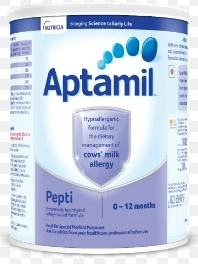
Aptamil Pepti Infant Formula 0 to 12 Months Tin 400gm
Brand: Nutricia International Private Limited
₹2000.00₹1960.00
View Details


Neocate LCP Infant Formula Powder 400GM
Brand: Nutricia International Private Limited
₹3300.00₹3234.00
View Details
Web Stories


Popular Lab Test






Live Doctor consultation
Live Doctor Chat

Fees ₹99
General Physician

Dr. Syed Mukhtar Mohiuddin
MBBS, MD , Fellowship in Diabetes Mellitus (UK)
- 7 Years
- English
Available at 00:00 to 07:00
Fees ₹99
General Physician
Fees ₹99
General Physician
Fees ₹99
General Physician
Fees ₹99
General Physician
Download Our App & Get Consultation from anywhere.