• Published on: Dec 29, 2025
  • 5 minute read
  • By: Secondmedic Expert

Mental Health Conditions: Understanding Stress, Anxiety, And Depression

  • WhatsApp share link icon
  • copy & share link icon
  • twitter share link icon
  • facebook share link icon

Mental health is a fundamental component of overall wellbeing, influencing how people think, feel, behave and interact with others. Yet mental health conditions are often misunderstood, minimised or ignored. Among the most common mental health conditions worldwide are stress-related disorders, anxiety disorders and depression. Understanding these conditions helps reduce stigma, encourages early care and improves long-term outcomes.

Public health studies indicate that a significant portion of adults experience mental health symptoms at some point in life, often without recognising them as health conditions requiring care.

What Are Mental Health Conditions?

Mental health conditions are disorders that affect:

  • emotional wellbeing
     

  • thinking patterns
     

  • behaviour
     

  • daily functioning
     

They can be temporary or long-term and vary in severity from mild distress to disabling illness.

Understanding Stress

Stress is the body’s natural response to pressure or demands.

Common Causes of Stress

  • work pressure
     

  • financial concerns
     

  • relationship issues
     

  • health problems
     

  • major life changes
     

Short-term stress can be helpful, but chronic stress is harmful.

Symptoms of Chronic Stress

  • irritability
     

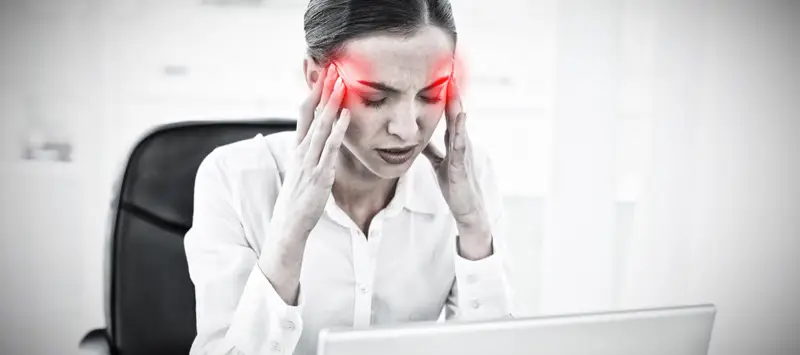
  • headaches
     

  • muscle tension
     

  • sleep disturbances
     

  • poor concentration
     

  • fatigue
     

Persistent stress disrupts both mental and physical health.

Impact of Untreated Stress

Long-term stress contributes to:

  • anxiety disorders
     

  • depression
     

  • heart disease
     

  • weakened immunity
     

Managing stress early prevents progression.

Understanding Anxiety

Anxiety is characterised by persistent worry or fear that is disproportionate to the situation.

Common Anxiety Symptoms

  • excessive worrying
     

  • restlessness
     

  • racing thoughts
     

  • rapid heartbeat
     

  • shortness of breath
     

  • difficulty relaxing
     

Unlike stress, anxiety may persist even without an obvious trigger.

Types of Anxiety Disorders

  • generalised anxiety disorder
     

  • panic disorder
     

  • social anxiety
     

  • phobias
     

Anxiety disorders can significantly impair daily life if untreated.

Understanding Depression

Depression is more than feeling sad or low for a few days.

Common Depression Symptoms

  • persistent low mood
     

  • loss of interest or pleasure
     

  • fatigue
     

  • changes in sleep or appetite
     

  • feelings of hopelessness
     

  • difficulty concentrating
     

Depression affects emotional, physical and cognitive functioning.

Myths About Depression

  • “Depression is just sadness”
     

  • “Strong people don’t get depressed”
     

  • “It will go away on its own”
     

These myths delay care and worsen outcomes.

How Stress, Anxiety and Depression Are Connected

These conditions often overlap.

  • chronic stress increases anxiety risk
     

  • untreated anxiety may lead to depression
     

  • depression worsens stress tolerance
     

Early intervention prevents this cycle.

Why Mental Health Conditions Are Often Ignored

Mental health issues are overlooked because:

  • symptoms are invisible
     

  • stigma discourages discussion
     

  • people normalise distress
     

  • access to care may feel limited
     

Ignoring symptoms increases long-term burden.

Physical Effects of Mental Health Conditions

Mental health conditions affect the body through:

  • hormonal imbalance
     

  • inflammation
     

  • disrupted sleep
     

  • weakened immunity
     

This explains why mental and physical health are closely linked.

Risk Factors for Mental Health Conditions

Common risk factors include:

  • chronic stress
     

  • trauma
     

  • genetic vulnerability
     

  • substance use
     

  • social isolation
     

  • medical illnesses
     

Risk increases when multiple factors coexist.

Importance of Early Recognition

Early recognition:

  • improves treatment success
     

  • prevents worsening symptoms
     

  • reduces disability
     

  • supports faster recovery
     

Mental health conditions are easier to manage when addressed early.

Treatment and Management Approaches

Psychological Support

  • counselling
     

  • cognitive behavioural therapy
     

  • stress management techniques
     

Therapy helps individuals develop coping strategies.

Medical Treatment

  • medications when clinically indicated
     

  • treatment tailored to symptom severity
     

Medical support is often temporary and effective.

Lifestyle Interventions

  • regular physical activity
     

  • healthy sleep routine
     

  • balanced nutrition
     

  • reduced substance use
     

Lifestyle changes strongly support recovery.

Preventive Strategies for Mental Wellbeing

  • recognise early stress signals
     

  • maintain social connections
     

  • practice relaxation techniques
     

  • set healthy work-life boundaries
     

  • seek help without delay
     

Prevention is key to long-term mental health.

When to Seek Professional Help

Consult a mental health professional if:

  • symptoms last more than two weeks
     

  • daily functioning is affected
     

  • mood or anxiety worsens
     

  • thoughts of self-harm occur
     

Seeking help is a sign of strength, not weakness.

Long-Term Impact of Untreated Mental Health Conditions

Ignoring mental health problems may lead to:

  • chronic illness
     

  • substance dependence
     

  • relationship difficulties
     

  • work impairment
     

  • increased physical health risks
     

Early care significantly reduces these outcomes.


Conclusion

Mental health conditions such as stress, anxiety and depression are common, real and treatable. While stress may begin as a normal response to life’s demands, prolonged stress can evolve into anxiety and depression if ignored. Understanding the differences, recognising early symptoms and seeking timely support are essential steps toward recovery. Mental wellbeing is not optional—it is fundamental to a healthy, balanced and fulfilling life. Addressing mental health early protects both mind and body for the long term.

References

  • Indian Council of Medical Research (ICMR) – Mental Health and Stress Studies

  • World Health Organization (WHO) – Mental Health Action Plan and Guidelines

  • National Institute of Mental Health – Anxiety and Depression Resource

  •  Lancet Psychiatry – Global Mental Health Burden Studie

  •  Indian Journal of Psychiatry – Stress, Anxiety and Depression Research

  • Statista – Mental Health Trends and Workplace Stress Data

Read FAQs


A. Stress-related disorders, anxiety disorders and depression are among the most common.

A. Stress is a response to external pressure, while anxiety is persistent worry even without a trigger.

A. Yes. Fatigue, low motivation and sleep changes may be primary symptoms.

A. Yes. Most conditions respond well to early treatment and lifestyle changes.

A. If symptoms persist, worsen or interfere with daily life.

Read Blog
mental health support online

The Importance of Mental Health Support Online: A Lifeline for Many

In today's fast-paced world, mental health has become a significant concern for people of all ages and backgrounds. From stress and anxiety to depression and other mental health issues, many individuals are struggling silently. Fortunately, the rise of mental health support online has opened new doors for people who need help but may be hesitant to seek traditional in-person therapy. This blog explores why online mental health support is a valuable resource, how it works, and how it can provide a lifeline for those seeking assistance.

Why Mental Health Support is Crucial

Mental health issues are no longer something that can be ignored. In fact, according to the World Health Organization (WHO), one in four people worldwide will experience a mental health problem at some point in their lives. The stigma surrounding mental health has gradually decreased, but there is still a long way to go before everyone feels comfortable seeking help.

Mental health support is essential because it can lead to improved well-being, better coping mechanisms, and even the prevention of more severe mental health conditions. Therapy and counseling can provide individuals with the tools and techniques they need to manage their emotions, thoughts, and behaviors in healthy ways. In turn, this can lead to better relationships, improved productivity, and an overall improved quality of life.

The Challenges of Traditional Mental Health Services

While traditional therapy can be highly beneficial, it does come with certain challenges. Many people still find it difficult to access in-person mental health services due to various reasons such as:

  • Geographical barriers: Not everyone has easy access to mental health professionals. In some areas, there may be limited availability of therapists or counselors.
     

  • Cost: Therapy can be expensive, especially if it is not covered by insurance or if the cost is out of reach for individuals with limited income.
     

  • Time commitment: Scheduling and attending therapy sessions can be time-consuming, especially for individuals with busy schedules or those with responsibilities like work or family.
     

  • Stigma: For some, the fear of judgment or stigma can prevent them from seeking in-person help. This can be especially true in smaller communities where people might worry about being judged for seeking mental health support.
     

How Mental Health Support Online Works

With the advent of technology, mental health support online has become a practical solution to overcome these barriers. Online therapy and counseling services allow individuals to receive mental health support in the comfort of their own homes. Here’s how it typically works:

  1. Choosing a Platform: There are various platforms available that offer mental health support online. Some popular ones include BetterHelp, Talkspace, and 7 Cups. These platforms connect individuals with licensed professionals who can provide therapy, counseling, and coaching services.
     

  2. Selecting a Therapist: Once a platform is chosen, individuals can browse through a list of available therapists. Many platforms provide filters that allow individuals to find therapists based on specialties such as anxiety, depression, family issues, or trauma. Users can also select therapists based on their preferred communication style (e.g., chat, video, or voice).
     

  3. Scheduling Sessions: Unlike traditional therapy, online platforms often offer more flexible scheduling. Users can schedule sessions at times that fit into their busy lives, making it easier to commit to therapy without disrupting other obligations.
     

  4. Confidentiality and Safety: Mental health support online platforms prioritize user confidentiality. Sessions are typically conducted through secure, encrypted communication channels, ensuring that personal information and conversations remain private.
     

  5. Affordable and Accessible: One of the biggest benefits of online therapy is its affordability and accessibility. Online therapy tends to be more cost-effective than in-person sessions. Additionally, many platforms offer different pricing plans and payment options to accommodate various budgets.
     

Benefits of Mental Health Support Online

Online mental health support has numerous benefits, making it an attractive option for many people. Here are some of the key advantages:

1. Convenience and Flexibility

Online therapy allows individuals to access help from anywhere at any time. Whether you're at home, at work, or traveling, you can schedule a session that fits into your schedule. This flexibility makes it easier for people to receive consistent support without having to worry about missing appointments or traveling long distances.

2. Anonymity and Comfort

For some people, the idea of speaking to a therapist in person can be intimidating. Online therapy provides a sense of anonymity and comfort, as individuals can engage in sessions from the privacy of their own home. This can reduce anxiety about judgment and allow individuals to be more open and honest during sessions.

3. Wide Range of Therapists

Online platforms often provide access to a diverse range of therapists from different backgrounds, specialties, and approaches. This increases the likelihood of finding a professional who aligns with your needs and preferences. Whether you're seeking cognitive-behavioral therapy (CBT), mindfulness-based therapy, or couples counseling, you'll likely find an expert who can help.

4. Affordability

As mentioned earlier, online therapy is often more affordable than in-person sessions. For people who may not have insurance or who are underinsured, online platforms offer an opportunity to receive professional help at a lower cost. Many platforms also offer sliding scale fees based on your financial situation.

5. Access to Specialized Care

For individuals living in remote or rural areas, online therapy opens up access to specialized care that may not be available locally. This is particularly important for people who need help managing specific conditions such as trauma, addiction, or eating disorders.

Overcoming Common Concerns About Online Mental Health Support

While online therapy is beneficial for many, it’s not without its concerns. Some individuals may hesitate to try online therapy due to worries about effectiveness, security, or personal preferences. Here are some ways to address those concerns:

  • Effectiveness: Research has shown that online therapy can be just as effective as in-person therapy for treating conditions like anxiety, depression, and stress. Many therapists use evidence-based practices and approaches to ensure clients receive quality care.
     

  • Security: Leading online platforms use encrypted messaging and video services to ensure that conversations are secure. Be sure to choose a reputable platform with clear security protocols to protect your privacy.
     

  • Personal Connection: Some people worry that they won’t form a strong bond with their online therapist. However, many individuals find that they can build meaningful relationships through online platforms, especially when they feel comfortable and safe in their environment.
     

Conclusion: The Future of Mental Health Support

In conclusion, mental health support online has revolutionized the way people access therapy and counseling services. It offers a convenient, affordable, and effective alternative to traditional therapy, providing individuals with the support they need when they need it most. Whether you're dealing with stress, anxiety, or more complex mental health issues, online therapy can provide the guidance and tools to improve your mental well-being.

If you or someone you know is seeking help, mental health support online may be the solution you've been looking for. Take the first step today and explore the many online platforms that can connect you with licensed professionals who can support your mental health journey.

Start your path to better mental health now with mental health support online.

See all

Live Doctor consultation
Live Doctor Chat

Download Our App & Get Consultation from anywhere.

App Download
call icon for mobile number calling and whatsapp at secondmedic