• Published on: Dec 10, 2020
  • 2 minute read
  • By: Dr Rajan ( Medical Second Opinion)

The Gut-Brain Link: How Your Gut Health Affects Alzheimer's

  • WhatsApp share link icon
  • copy & share link icon
  • twitter share link icon
  • facebook share link icon

Ever pondered the enigmatic bond between your gut and your brain? Delving into this captivating exploration, we unravel the mysteries of how your gut health can shape the course of Alzheimer's disease. This journey unveils the intricate connection between gut health and Alzheimer's progression, shedding light on the pivotal role of lifestyle choices. Join us in decoding the secrets behind this fascinating relationship, where managing blood pressure and adopting a wholesome diet emerge as key players. As we navigate through the corridors of medical research, a central question emerges: How does your gut impact your brain, and what significance does it hold in the initiation of Alzheimer's disease? Buckle up for a journey into the realms of gut-brain dynamics, where understanding this interplay becomes paramount in the pursuit of cognitive well-being.

Alzheimer's Disease – A Glimpse into the Unknown

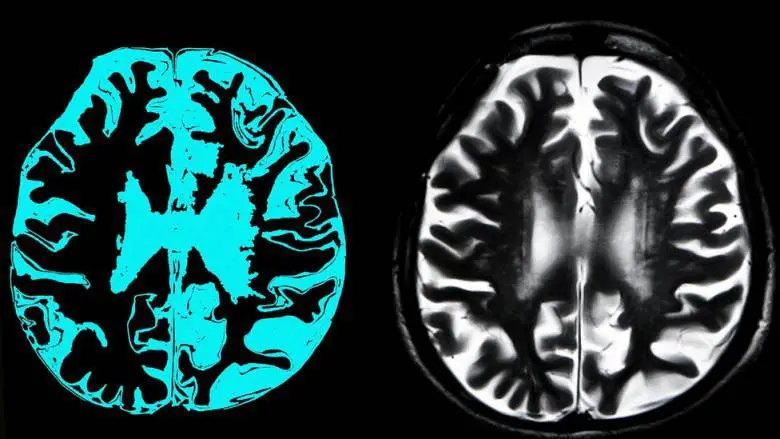
Alzheimer's disease, a formidable form of dementia, casts a shadow over the lives of individuals and their families. Defined by memory loss, cognitive decline, and disrupted daily functioning, it demands our focused attention. Let's delve into the intricacies of Alzheimer's, a glimpse into the unknown corridors of the mind. In this exploration, we uncover the broader term, dementia, housing various cognitive disorders, with Alzheimer's emerging as one of the most prevalent forms. As we embark on this journey, the spotlight falls on the hallmark – of amyloid beta plaques accumulating in the brain, disrupting normal neuronal function. Join us in unraveling the enigma of Alzheimer's, and gaining insights into a condition that challenges our understanding of cognition and memory.

  • Alzheimer's is Dementia: Dementia is a broader term encompassing various cognitive disorders, and Alzheimer's is one of the most prevalent forms.

  • Amyloid Beta: One of the hallmarks of Alzheimer's is the accumulation of amyloid beta plaques in the brain, disrupting normal neuronal function.

The Gut-Brain Axis: A Symbiotic Relationship

Scientists have uncovered a dynamic communication system between the gut and the brain, known as the gut-brain axis. This bidirectional highway influences various aspects of our health, including mental well-being. How does it work, and what role does it play in the context of Alzheimer's?

  • Healthy Diet and Gut Microbiota: A diet rich in fiber and nutrients promotes a diverse gut microbiota, fostering a healthier gut environment.

  • Gut Microbiota and Neurotransmitters: The gut is a hub for neurotransmitter production, influencing mood and cognitive function.

Blood Pressure and the Domino Effect

Now, let's shift our focus to a critical factor – blood pressure. How does high blood pressure contribute to the cascade of events leading to Alzheimer's disease, and what steps can be taken to mitigate this risk?

  • High Blood Pressure Disease: Studies suggest a correlation between high blood pressure and an increased risk of Alzheimer's.

  • Nervous System Impact: Elevated blood pressure can damage small blood vessels in the brain, affecting the nervous system and cognitive function.

Empowering Choices for a Healthy Brain

In the quest to promote brain health and reduce the risk of Alzheimer's, actionable steps become paramount. What lifestyle changes can you make to support a robust gut-brain connection?

  • Online Doctor Consultation: Stay informed about your health by consulting with medical professionals online, fostering a proactive approach.

  • Prioritize a Healthy Diet: Adopt a diet rich in fruits, vegetables, and whole grains to nourish your gut microbiota and support overall well-being.

  • Manage Blood Pressure: Regular exercise, stress reduction techniques, and medication adherence can help maintain healthy blood pressure levels.

Conclusion:

In the culmination of our exploration into the intricate dance between gut health and Alzheimer's disease, a resounding truth emerges – our lifestyle choices wield considerable influence. Armed with an understanding of the delicate nuances within the gut-brain axis, the importance of fostering a healthy diet, regulating blood pressure, and seeking prompt medical guidance through online consultations becomes evident. This knowledge is not just information; it is an empowering tool, urging you to make choices that pave the way for a healthier and sharper mind.

Imagine health as a grand tapestry, with your gut and brain as interconnected threads. Nurturing one invariably nurtures the other – a symbiotic relationship that carries the promise of a future unmarred by the shadows of Alzheimer's disease. As you embrace this holistic approach to well-being, you become an active participant in a journey toward cognitive resilience and a life where the brilliance of your mind continues to shine unfettered.

Read FAQs


A. Certainly. Research suggests a dynamic connection between gut health and Alzheimer's. The gut-brain axis plays a pivotal role, in influencing cognitive function and potentially impacting the development and progression of Alzheimer's disease.

A. Yes, the gut-brain connection is closely associated with various forms of dementia, including Alzheimer's. The intricate interplay between the gut and the brain, known as the gut-brain axis, is crucial in understanding the factors influencing cognitive health and the onset of dementia.

A. Behavioral triggers in Alzheimer's often stem from environmental, emotional, or sensory factors. Environmental changes, such as alterations in surroundings, can induce confusion or agitation. Unmet needs, whether physical or emotional, are another trigger. Lastly, overstimulation, often caused by excessive noise or stimuli, can overwhelm individuals with Alzheimer's, prompting various behavioral responses. Understanding and addressing these triggers are crucial aspects of providing effective care for individuals living with Alzheimer's.

Read Blog
Mental health

Mental Health Conditions: Understanding Stress, Anxiety, and Depression

Mental health is a fundamental component of overall wellbeing, influencing how people think, feel, behave and interact with others. Yet mental health conditions are often misunderstood, minimised or ignored. Among the most common mental health conditions worldwide are stress-related disorders, anxiety disorders and depression. Understanding these conditions helps reduce stigma, encourages early care and improves long-term outcomes.

Public health studies indicate that a significant portion of adults experience mental health symptoms at some point in life, often without recognising them as health conditions requiring care.


What Are Mental Health Conditions?

Mental health conditions are disorders that affect:

  • emotional wellbeing
     

  • thinking patterns
     

  • behaviour
     

  • daily functioning
     

They can be temporary or long-term and vary in severity from mild distress to disabling illness.


Understanding Stress

Stress is the body’s natural response to pressure or demands.

Common Causes of Stress

  • work pressure
     

  • financial concerns
     

  • relationship issues
     

  • health problems
     

  • major life changes
     

Short-term stress can be helpful, but chronic stress is harmful.


Symptoms of Chronic Stress

  • irritability
     

  • headaches
     

  • muscle tension
     

  • sleep disturbances
     

  • poor concentration
     

  • fatigue
     

Persistent stress disrupts both mental and physical health.


Impact of Untreated Stress

Long-term stress contributes to:

  • anxiety disorders
     

  • depression
     

  • heart disease
     

  • weakened immunity
     

Managing stress early prevents progression.

Understanding Anxiety

Anxiety is characterised by persistent worry or fear that is disproportionate to the situation.

Common Anxiety Symptoms

  • excessive worrying
     

  • restlessness
     

  • racing thoughts
     

  • rapid heartbeat
     

  • shortness of breath
     

  • difficulty relaxing
     

Unlike stress, anxiety may persist even without an obvious trigger.


Types of Anxiety Disorders

  • generalised anxiety disorder
     

  • panic disorder
     

  • social anxiety
     

  • phobias
     

Anxiety disorders can significantly impair daily life if untreated.


Understanding Depression

Depression is more than feeling sad or low for a few days.

Common Depression Symptoms

  • persistent low mood
     

  • loss of interest or pleasure
     

  • fatigue
     

  • changes in sleep or appetite
     

  • feelings of hopelessness
     

  • difficulty concentrating
     

Depression affects emotional, physical and cognitive functioning.


Myths About Depression

  • “Depression is just sadness”
     

  • “Strong people don’t get depressed”
     

  • “It will go away on its own”
     

These myths delay care and worsen outcomes.


How Stress, Anxiety and Depression Are Connected

These conditions often overlap.

  • chronic stress increases anxiety risk
     

  • untreated anxiety may lead to depression
     

  • depression worsens stress tolerance
     

Early intervention prevents this cycle.


Why Mental Health Conditions Are Often Ignored

Mental health issues are overlooked because:

  • symptoms are invisible
     

  • stigma discourages discussion
     

  • people normalise distress
     

  • access to care may feel limited
     

Ignoring symptoms increases long-term burden.


Physical Effects of Mental Health Conditions

Mental health conditions affect the body through:

  • hormonal imbalance
     

  • inflammation
     

  • disrupted sleep
     

  • weakened immunity
     

This explains why mental and physical health are closely linked.


Risk Factors for Mental Health Conditions

Common risk factors include:

  • chronic stress
     

  • trauma
     

  • genetic vulnerability
     

  • substance use
     

  • social isolation
     

  • medical illnesses
     

Risk increases when multiple factors coexist.


Importance of Early Recognition

Early recognition:

  • improves treatment success
     

  • prevents worsening symptoms
     

  • reduces disability
     

  • supports faster recovery
     

Mental health conditions are easier to manage when addressed early.


Treatment and Management Approaches

Psychological Support

  • counselling
     

  • cognitive behavioural therapy
     

  • stress management techniques
     

Therapy helps individuals develop coping strategies.


Medical Treatment

  • medications when clinically indicated
     

  • treatment tailored to symptom severity
     

Medical support is often temporary and effective.


Lifestyle Interventions

  • regular physical activity
     

  • healthy sleep routine
     

  • balanced nutrition
     

  • reduced substance use
     

Lifestyle changes strongly support recovery.


Preventive Strategies for Mental Wellbeing

  • recognise early stress signals
     

  • maintain social connections
     

  • practice relaxation techniques
     

  • set healthy work-life boundaries
     

  • seek help without delay
     

Prevention is key to long-term mental health.


When to Seek Professional Help

Consult a mental health professional if:

  • symptoms last more than two weeks
     

  • daily functioning is affected
     

  • mood or anxiety worsens
     

  • thoughts of self-harm occur
     

Seeking help is a sign of strength, not weakness.


Long-Term Impact of Untreated Mental Health Conditions

Ignoring mental health problems may lead to:

  • chronic illness
     

  • substance dependence
     

  • relationship difficulties
     

  • work impairment
     

  • increased physical health risks
     

Early care significantly reduces these outcomes.


Conclusion

Mental health conditions such as stress, anxiety and depression are common, real and treatable. While stress may begin as a normal response to life’s demands, prolonged stress can evolve into anxiety and depression if ignored. Understanding the differences, recognising early symptoms and seeking timely support are essential steps toward recovery. Mental wellbeing is not optional—it is fundamental to a healthy, balanced and fulfilling life. Addressing mental health early protects both mind and body for the long term.


References

  • Indian Council of Medical Research (ICMR) – Mental Health and Stress Studies

  • World Health Organization (WHO) – Mental Health Action Plan and Guidelines

  • National Institute of Mental Health – Anxiety and Depression Resource

  •  Lancet Psychiatry – Global Mental Health Burden Studie

  •  Indian Journal of Psychiatry – Stress, Anxiety and Depression Research

  • Statista – Mental Health Trends and Workplace Stress Data

See all

Live Doctor consultation
Live Doctor Chat

Download Our App & Get Consultation from anywhere.

App Download
call icon for mobile number calling and whatsapp at secondmedic