• Published on: Jan 13, 2025
  • 4 minute read
  • By: SecondMedic Expert

HIV Vs. AIDS: Understanding The Symptoms, Treatment, And Key Differences

  • WhatsApp share link icon
  • copy & share link icon
  • twitter share link icon
  • facebook share link icon

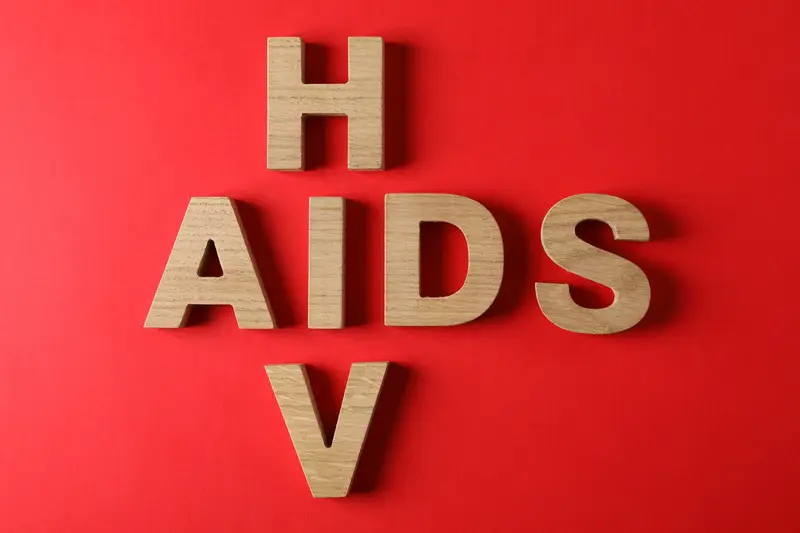
HIV (Human Immunodeficiency Virus) and AIDS (Acquired Immunodeficiency Syndrome) are terms often used interchangeably, but they are distinct stages of the same disease process. While HIV refers to the virus that attacks the immune system, AIDS is the final, most severe stage of HIV infection. Understanding the symptoms of HIV and AIDS, along with the treatment options available, is crucial for early detection and effective management of the disease. This blog will explore the key differences between HIV and AIDS, how HIV becomes AIDS, and the symptoms and treatments for both.

What Is HIV?

HIV is a virus that attacks the body's immune system, specifically the CD4 cells (T cells), which are essential for fighting off infections. When the immune system becomes severely damaged, the body becomes more susceptible to opportunistic infections and certain cancers. The virus is primarily spread through blood, semen, vaginal fluids, and breast milk. It is important to note that HIV can be managed with proper medical care, but it remains a chronic condition.

What Is AIDS?

AIDS is the final stage of HIV infection, which occurs when the immune system is severely damaged by the virus. Not everyone with HIV will develop AIDS, especially if the virus is diagnosed early and treated effectively with antiretroviral therapy (ART). However, without treatment, HIV can progress to AIDS in about 10 to 15 years.

Difference Between HIV and AIDS

The primary difference between HIV and AIDS is their stage in the disease process. HIV is the initial infection, while AIDS represents the advanced stage. In medical terms, HIV is a virus that attacks the immune system, whereas AIDS is a syndrome—a collection of symptoms and infections that arise when the immune system is significantly weakened.

How Does HIV Become AIDS?

HIV progresses to AIDS when the immune system becomes severely damaged, and the CD4 count falls below 200 cells per cubic millimetre of blood. This makes the body vulnerable to infections and diseases that a healthy immune system would normally fight off. The progression of HIV to AIDS can take several years, and early diagnosis and treatment with ART can delay or even prevent the onset of AIDS.

Early Signs of HIV Infection vs. AIDS

It is crucial to understand the early signs of HIV infection and how they differ from the symptoms of AIDS. While both conditions affect the immune system, their symptoms vary based on the stage of the disease.

Early Signs of HIV Infection

The early signs of HIV infection typically appear within 2-4 weeks after exposure to the virus. These symptoms are often referred to as acute retroviral syndrome (ARS) or primary HIV infection. Symptoms may include:

  • Fever

  • Sore throat

  • Swollen lymph nodes

  • Rash

  • Muscle aches

  • Diarrhea

  • Headache

These symptoms are similar to those of the flu or a common cold, which is why many people might not initially recognize that they have HIV.

Symptoms of AIDS

As the immune system weakens and HIV progresses to AIDS, individuals may experience more severe symptoms. These include:

  • Rapid weight loss

  • Recurring fever or profuse night sweats

  • Extreme and unexplained tiredness

  • Prolonged swelling of the lymph glands

  • Diarrhea that lasts for more than a week

  • Pneumonia

  • Red, brown, pink, or purplish blotches on or under the skin or inside the mouth, nose, or eyelids

  • Memory loss, depression, and other neurologic disorders

Symptoms of AIDS in Men vs. Women

While the overall symptoms of AIDS are similar in both men and women, there can be some differences.

  • Symptoms of AIDS in Men: Men with AIDS may experience severe weight loss, opportunistic infections such as tuberculosis, and increased susceptibility to HIV-associated cancers like Kaposi's sarcoma.

  • Symptoms of AIDS in Women: Women with AIDS may experience vaginal infections, cervical cancer, and higher rates of severe herpes outbreaks. Additionally, women might experience a more rapid progression from HIV to AIDS compared to men.

Stages of HIV Leading to AIDS

HIV progresses through three stages before potentially reaching AIDS:

  1. Stage 1: Acute HIV Infection
    This stage typically occurs 2-4 weeks after exposure to the virus and is characterized by acute retroviral syndrome (ARS) symptoms, as mentioned earlier. The viral load is very high during this stage, making the person highly contagious.

  2. Stage 2: Clinical Latency (Chronic HIV)
    During this stage, the virus remains active but reproduces at very low levels. People may not experience any symptoms, and this stage can last for several years if the person is on ART. However, without treatment, the virus continues to damage the immune system.

  3. Stage 3: Acquired Immunodeficiency Syndrome (AIDS)
    This is the final stage, where the immune system is severely damaged, and the body becomes vulnerable to life-threatening infections and cancers.

HIV/AIDS Treatments

While there is currently no cure for HIV or AIDS, the disease can be managed effectively with treatment. The most common treatment for HIV is Antiretroviral Therapy (ART). ART involves a combination of HIV medicines taken daily to prevent the virus from replicating, allowing the immune system to recover and function properly.

HIV/AIDS Treatments Include:

  • Antiretroviral Medications: These medications work by reducing the viral load in the body, which helps in managing HIV and preventing its progression to AIDS.

  • Prevention of Opportunistic Infections: For people with AIDS, treatments may also include medications to prevent infections that a weakened immune system is more susceptible to, such as pneumonia or tuberculosis.

  • Supportive Care: This may involve treatments for pain, nausea, diarrhoea, or any other symptoms caused by opportunistic infections.

Conclusion

Understanding the differences between HIV and AIDS is crucial for early diagnosis and treatment. While HIV is the virus that causes the infection, AIDS is the final, most severe stage of the disease. By recognizing the early signs of HIV and seeking treatment, individuals can prevent the progression to AIDS and manage the condition effectively with modern treatments. Regular testing, early diagnosis, and adherence to ART can greatly improve the quality of life for people living with HIV, ensuring they can live long, healthy lives.

For more information on HIV/AIDS prevention and treatment, or if you’re seeking guidance, reach out to Secondmedic Consultants. We’re here to help you take control of your health journey.

Read FAQs


A. HIV (Human Immunodeficiency Virus) is a virus that attacks the immune system, while AIDS (Acquired Immunodeficiency Syndrome) is the final stage of HIV infection, where the immune system is severely weakened. HIV can be managed with treatment, but without proper care, it can progress to AIDS.

A. The early signs of HIV infection often appear 2-4 weeks after exposure and resemble flu-like symptoms. These may include fever, sore throat, swollen lymph nodes, muscle aches, and rash. Early detection and treatment are crucial to managing the virus.

A. HIV progresses to AIDS when the virus severely damages the immune system, reducing the CD4 count to below 200 cells per cubic millimeter of blood. At this stage, the body becomes vulnerable to opportunistic infections and certain cancers. Proper treatment can delay or prevent this progression.

Read Blog
TB

TB disease symptoms

Tuberculosis (TB) remains one of the most significant infectious diseases worldwide, especially in developing countries. Despite advancements in diagnosis and treatment, TB continues to cause serious illness due to delayed detection. Understanding TB disease symptoms is essential because the condition often begins quietly, allowing infection to progress and spread before treatment starts.

According to the Indian Council of Medical Research (ICMR) and the World Health Organization (WHO), early diagnosis and complete treatment are the most effective strategies to control TB and prevent drug resistance.


What Is Tuberculosis?

Tuberculosis is a bacterial infection caused by Mycobacterium tuberculosis. It primarily affects the lungs (pulmonary TB) but can also involve other organs, known as extrapulmonary TB.

TB spreads through the air when an infected person:

  • coughs
     

  • sneezes
     

  • speaks
     

  • sings
     

Prolonged close contact increases transmission risk.


How TB Infection Progresses

TB infection progresses in stages:

  1. Latent TB infection – bacteria remain inactive without symptoms
     

  2. Active TB disease – bacteria multiply and cause symptoms
     

Only active TB causes illness and spreads infection.


Common TB Disease Symptoms

Persistent Cough

A cough lasting more than two weeks is the most common TB symptom.

Characteristics include:

  • continuous coughing
     

  • worsening over time
     

  • coughing up mucus or blood
     

Blood-streaked sputum is a serious warning sign.


Fever

TB-related fever is usually:

  • low-grade
     

  • persistent
     

  • worse in the evening
     

Fever may be accompanied by chills.


Night Sweats

Excessive sweating during sleep, even in cool environments, is a classic TB symptom.

Night sweats occur due to immune system activation against infection.


Unexplained Weight Loss

Significant weight loss without dieting is common.

TB causes:

  • reduced appetite
     

  • increased metabolic demand
     

Weight loss indicates advanced disease activity.


Fatigue and Weakness

Chronic fatigue is often one of the earliest symptoms.

People may experience:

  • low energy
     

  • weakness
     

  • reduced ability to work
     

Fatigue worsens as disease progresses.


Chest Pain and Breathlessness

Inflammation of lung tissue can cause:

  • chest discomfort
     

  • pain during breathing
     

  • shortness of breath
     

These symptoms indicate lung involvement.


Symptoms of Extrapulmonary TB

TB can affect organs beyond the lungs.

Lymph Node TB

  • painless swelling in neck or armpits
     

  • nodes may become firm or drain pus


Bone and Joint TB

  • persistent back pain
     

  • joint stiffness
     

  • difficulty walking


TB of the Brain (TB Meningitis)

  • severe headache
     

  • confusion
     

  • vomiting
     

  • neck stiffness
     

This is a medical emergency.


Abdominal TB

  • abdominal pain
     

  • swelling
     

  • altered bowel habits
     

  • unexplained fever


Why TB Symptoms Are Often Ignored

TB symptoms are overlooked because:

  • they develop gradually
     

  • they resemble common infections
     

  • fever and cough seem seasonal
     

  • weight loss is attributed to stress
     

Delay allows disease progression and transmission.


Who Is at Higher Risk of TB?

High-risk groups include:

  • people with weak immunity
     

  • individuals with diabetes
     

  • smokers
     

  • malnourished individuals
     

  • people living in crowded conditions
     

  • close contacts of TB patients
     

Regular screening is essential in high-risk populations.


Importance of Early Diagnosis

Early detection:

  • prevents disease spread
     

  • reduces lung damage
     

  • improves treatment success
     

  • lowers risk of drug-resistant TB
     

WHO reports that delayed diagnosis is a major cause of TB-related deaths.


How TB Is Diagnosed

Diagnosis may involve:

  • sputum tests
     

  • chest X-ray
     

  • molecular tests
     

  • blood investigations
     

Testing is guided by symptoms and clinical assessment.


Treatment and Recovery

TB is curable with:

  • timely diagnosis
     

  • complete treatment course
     

  • medication adherence
     

Incomplete treatment increases the risk of drug-resistant TB.


When to Seek Medical Attention

Consult a doctor immediately if:

  • cough lasts more than two weeks
     

  • fever persists
     

  • unexplained weight loss occurs
     

  • blood appears in sputum
     

  • fatigue worsens
     

Early evaluation saves lives.


Preventing TB Spread

Preventive measures include:

  • early diagnosis and treatment
     

  • proper cough hygiene
     

  • adequate ventilation
     

  • screening close contacts
     

Public health efforts rely on awareness and early action.


Long-Term Impact of Untreated TB

Untreated TB can lead to:

  • severe lung damage
     

  • spread to other organs
     

  • respiratory failure
     

  • death
     

TB is preventable and curable—but only if treated early.


Conclusion

TB disease symptoms often begin subtly but signal a serious, potentially life-threatening infection. Persistent cough, fever, night sweats, weight loss and fatigue should never be ignored. Recognising these symptoms early and seeking timely medical care not only improves recovery but also prevents transmission to others. TB remains a major public health challenge, but awareness, early diagnosis and complete treatment can save lives and stop its spread.


References

  • Indian Council of Medical Research (ICMR) – Tuberculosis Control and Research Report

  •  National Tuberculosis Elimination Programme (NTEP) – TB Guidelines India

  • World Health Organization (WHO) – Tuberculosis Fact Sheets and Management Guidelines

  • Lancet – Global Tuberculosis Burden and Outcomes Studies

  • National Centre for Disease Control (NCDC) – TB Surveillance Dat

  •  Indian Journal of Tuberculosis – Clinical Features and Diagnosis Studies

See all

Live Doctor consultation
Live Doctor Chat

Download Our App & Get Consultation from anywhere.

App Download
call icon for mobile number calling and whatsapp at secondmedic