- Published on: Oct 15, 2021
- 3 minute read
- By: Secondmedic Expert
Which Food Is Worst For High Blood Pressure?




Are you struggling to keep your blood pressure in check? The journey to maintaining a healthy blood pressure level involves a combination of lifestyle changes, including a balanced diet. In this comprehensive guide, we delve into the world of high blood pressure, exploring its symptoms, causes, and most importantly, identifying the foods that could be contributing to this silent yet serious condition.
High Blood Pressure: A Silent Threat
High blood pressure, also known as hypertension, is a prevalent health issue affecting millions worldwide. Often referred to as the "silent killer," it can lead to severe complications such as heart disease, stroke, and kidney damage if left uncontrolled. Recognizing the symptoms and understanding the causes are crucial steps towards preventing and managing this potentially life-threatening condition.
Symptoms of High Blood Pressure:
Before we unveil the worst foods for high blood pressure, let's delve deeper into the symptoms that might indicate you are grappling with this health concern. Common symptoms include persistent headaches, shortness of breath, chest pain, dizziness, and vision problems. However, it's important to note that hypertension is often asymptomatic in its early stages, underscoring the significance of regular monitoring and early detection for effective management.
Causes of High Blood Pressure:
Understanding the root causes of high blood pressure is key to adopting preventive measures. Age, family history, obesity, lack of physical activity, and excessive salt intake can contribute to hypertension. Genetics also play a role, making it essential to stay vigilant and proactive in maintaining a healthy lifestyle. Moreover, stress and certain chronic conditions, such as kidney disease and diabetes, can also elevate blood pressure levels.
The Culprits Unveiled – Which Food Is Worst for High Blood Pressure?
Now, let's turn our attention to the main question: Which foods should you avoid to maintain a healthy blood pressure level? Delving into this topic will shed light on dietary choices that could be negatively impacting your cardiovascular health.
Salt Sensation – The Link Between Sodium and Hypertension
One of the leading contributors to high blood pressure is excessive salt intake. Sodium, a component of salt, plays a crucial role in fluid balance. Foods high in sodium can lead to water retention, increasing the volume of blood in your arteries and consequently elevating blood pressure. Common culprits include processed foods, canned soups, and salty snacks. To reduce your sodium intake, opt for fresh fruits and vegetables, choose low-sodium alternatives, and limit the use of salt in your cooking.
The Sugary Dilemma – How Added Sugars Can Sweeten the Risk of Hypertension
While sugar may not directly impact blood pressure, its indirect effects on weight gain and obesity are well-documented. Obesity, in turn, is a significant risk factor for hypertension. It's crucial to limit the consumption of sugary beverages, candies, and processed foods to maintain a healthy weight and blood pressure. Choose natural sweeteners like honey or maple syrup in moderation and focus on whole foods to satisfy your sweet cravings.
Saturated Fats – A Heart-Unfriendly Affair
Saturated fats, found in red meat, full-fat dairy products, and certain oils, can contribute to high cholesterol levels, increasing the risk of heart disease and hypertension. Opting for lean proteins such as poultry and fish, and healthier fats found in avocados and nuts, can be a wise choice for those aiming to manage their blood pressure. Additionally, incorporating omega-3 fatty acids from sources like fatty fish and flax seeds may have positive effects on cardiovascular health.
Caffeine Conundrum – Friend or Foe?
While moderate caffeine intake is generally considered safe for most people, excessive consumption can lead to a temporary spike in blood pressure. It's essential to be mindful of your caffeine intake, especially if you are sensitive to its effects. Experimenting with decaffeinated options or herbal teas may be beneficial for some individuals. Moreover, staying hydrated with water is a crucial aspect of overall health and can contribute to blood pressure regulation.
Alcohol's Impact on Blood Pressure – Finding the Right Balance
While moderate alcohol consumption may have some cardiovascular benefits, excessive drinking can raise blood pressure and contribute to other health issues. It's advisable to limit alcohol intake to moderate levels, defined as up to one drink per day for women and up to two drinks per day for men. Choosing red wine in moderation, which contains antioxidants, may offer some potential benefits, but it's essential to consult with a healthcare professional to determine the most suitable approach for your individual health.
Processed and Fast Foods – The Double Trouble
Processed and fast foods often contain a combination of excessive salt, unhealthy fats, and hidden sugars. These culinary culprits not only contribute to weight gain but also pose a threat to blood pressure. Opting for whole, unprocessed foods and cooking at home can significantly improve the nutritional quality of your diet. Incorporate a variety of fruits, vegetables, whole grains, and lean proteins to provide essential nutrients that support overall health.
High Blood Pressure: How to Reduce and Manage
Now that we've identified the worst foods for high blood pressure, let's shift our focus to proactive measures you can take to reduce and manage hypertension.
Online Doctor Consultation:
Seeking professional advice is crucial for personalized guidance on managing high blood pressure. With the convenience of online doctor consultations, you can access expert opinions and recommendations from the comfort of your home. Discussing your symptoms, lifestyle, and any concerns with a healthcare professional can help formulate a tailored plan for blood pressure management.
Full Body Checkup:
Regular health checkups, including blood pressure monitoring, provide valuable insights into your overall well-being. Consider a comprehensive full body checkup to assess various health parameters and detect potential issues early on. This proactive approach allows for timely intervention and the implementation of preventive measures.
Online Medicine Order:
Adhering to prescribed medications is a vital aspect of hypertension management. Conveniently order your prescribed medications online, ensuring timely and consistent treatment. It's crucial to follow your healthcare provider's recommendations regarding medication dosage and lifestyle modifications to achieve optimal blood pressure control.
In the journey to maintain a healthy blood pressure level, awareness and informed choices play a pivotal role. By steering clear of the worst foods for high blood pressure and embracing a balanced, heart-healthy diet, you can take significant strides towards safeguarding your cardiovascular well-being. Remember, a proactive approach, regular monitoring, and professional guidance are key components of a successful hypertension management plan. Taking control of your diet and lifestyle today can pave the way for a healthier, heartier tomorrow.
Read FAQs
A. Certain foods can contribute to high blood pressure. These typically include those high in sodium, saturated fats, and added sugars. Processed foods, salty snacks, and excessive red meat intake are examples to be cautious about.
A. Foods high in sodium, such as processed and canned foods, can contribute to increased blood pressure. Additionally, excessive consumption of caffeine and alcohol may lead to a temporary spike in blood pressure. It's crucial to monitor and moderate the intake of these substances.
A. Several foods are known to have a positive impact on blood pressure. Incorporating potassium-rich foods like bananas, leafy greens, and sweet potatoes can be beneficial. Additionally, adopting the DASH (Dietary Approaches to Stop Hypertension) diet, which emphasizes fruits, vegetables, lean proteins, and whole grains, has been shown to help lower blood pressure. Consuming foods rich in omega-3 fatty acids, such as fatty fish and flaxseeds, may also contribute to lower blood pressure levels over time. Remember, it's essential to maintain a well-balanced and heart-healthy diet for long-term blood pressure management.

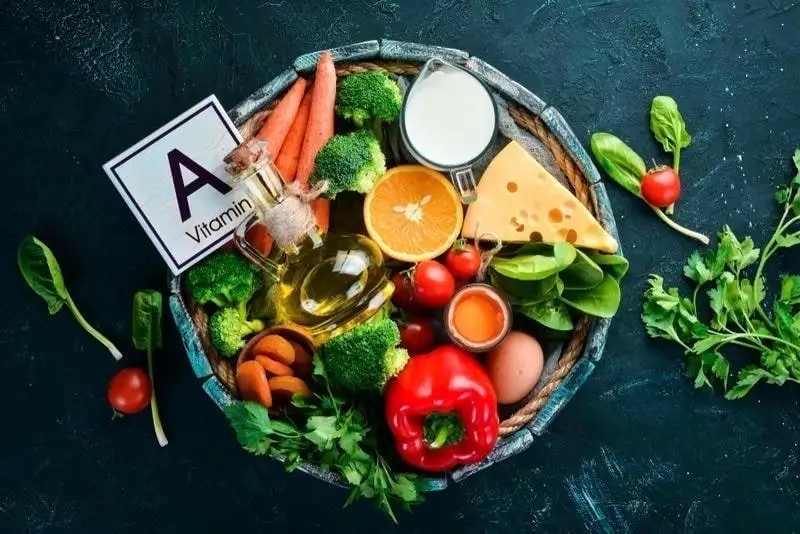
Role of Nutrition in Disease Prevention: How Food Choices Shape Long-Term Health
Disease prevention is no longer limited to vaccinations and medical screenings. Modern healthcare increasingly recognises nutrition as one of the most powerful tools for preventing illness before it begins. The role of nutrition in disease prevention is especially important in India, where lifestyle-related diseases account for a large share of premature illness and mortality.
According to the Indian Council of Medical Research (ICMR) and the National Family Health Survey (NFHS-5), poor dietary patterns contribute significantly to rising cases of diabetes, heart disease, obesity and hypertension. Unlike genetic factors, nutrition is a modifiable risk factor, meaning everyday food choices can actively protect health.
Why Nutrition Is Central to Disease Prevention
1. Nutrition regulates metabolic health
Balanced diets help maintain:
-
healthy blood sugar levels
-
optimal cholesterol balance
-
stable blood pressure
Disruption in these systems increases disease risk.
2. Nutrition strengthens immunity
WHO highlights that immune function depends heavily on adequate intake of vitamins, minerals and protein.
3. Nutrition controls inflammation
Chronic low-grade inflammation is linked to most lifestyle diseases. Diets rich in whole foods reduce inflammatory markers.
Major Diseases Influenced by Nutrition
Diabetes and Prediabetes
Excess refined carbohydrates and sugar drive insulin resistance.
Preventive nutrition focuses on:
-
whole grains
-
fibre-rich vegetables
-
adequate protein
-
controlled portion sizes
ICMR data shows that dietary modification can delay or prevent type 2 diabetes in high-risk individuals.
Cardiovascular Disease
Heart disease remains a leading cause of death in India.
Nutrition impacts:
-
cholesterol levels
-
blood pressure
-
arterial inflammation
Diets low in trans fats and high in fibre significantly reduce cardiovascular risk, as confirmed by WHO and Lancet studies.
Obesity
Obesity increases the risk of multiple chronic diseases.
Preventive nutrition addresses:
-
calorie density
-
food quality
-
satiety regulation
NFHS-5 reports a steady rise in overweight and obesity across age groups.
Hypertension
High sodium intake and low potassium intake contribute to high blood pressure.
Preventive dietary strategies include:
-
reducing processed foods
-
increasing fruits and vegetables
-
maintaining mineral balance
Certain Cancers
Diet influences cancer risk through:
-
antioxidant intake
-
fibre consumption
-
reduced exposure to carcinogenic compounds
WHO estimates that a significant percentage of cancers are preventable through diet and lifestyle changes.
Key Nutrients That Support Disease Prevention
Fibre
Supports gut health, blood sugar control and cholesterol reduction.
Protein
Essential for muscle health, immune function and metabolic balance.
Healthy Fats
Omega-3 fats reduce inflammation and protect heart health.
Micronutrients
Iron, zinc, vitamin D and B vitamins are essential for metabolic and immune regulation.
NFHS-5 highlights widespread micronutrient deficiencies in India, increasing disease vulnerability.
Role of Gut Health in Prevention
The gut microbiome plays a major role in:
-
immune regulation
-
inflammation control
-
nutrient absorption
Fermented foods and fibre-rich diets support healthy gut bacteria, strengthening disease resistance.
Why Preventive Nutrition Works Best Early
Nutrition is most effective when applied:
-
before disease onset
-
during pre-disease stages
-
alongside regular health screening
Once disease progresses, nutrition remains supportive but may not reverse damage fully.
Nutrition vs Medication in Prevention
Medication treats disease; nutrition reduces risk.
WHO and NITI Aayog emphasize that:
-
preventive nutrition reduces disease incidence
-
lifestyle modification lowers healthcare burden
-
early nutrition changes reduce dependency on long-term medication
Both approaches work best when combined appropriately.
Workplace and Community Role in Preventive Nutrition
Structured nutrition programs at workplaces and communities:
-
improve awareness
-
support behaviour change
-
reduce population-level disease burden
Lancet studies show that group-based nutrition interventions improve long-term adherence.
Common Myths About Nutrition and Disease Prevention
Myth 1: Supplements replace healthy food
Whole foods provide better long-term protection.
Myth 2: Prevention requires extreme diets
Consistency matters more than restriction.
Myth 3: Nutrition only matters after diagnosis
Early nutrition is most effective before disease develops.
Building a Preventive Nutrition Routine
Effective preventive nutrition includes:
-
regular meals
-
diverse food groups
-
portion awareness
-
minimal processed foods
-
hydration
Small daily choices compound into long-term health benefits.
Long-Term Impact of Preventive Nutrition
Consistent healthy eating leads to:
-
reduced disease risk
-
improved energy and productivity
-
better immune resilience
-
lower healthcare costs
-
improved quality of life
NITI Aayog identifies nutrition as a cornerstone of sustainable healthcare systems.
Conclusion
Understanding the role of nutrition in disease prevention empowers individuals to take control of their health long before illness develops. Balanced, consistent nutrition reduces inflammation, supports immunity and protects against chronic diseases that burden India’s healthcare system. Preventive nutrition is not about short-term fixes but about building lifelong habits that support health, resilience and longevity.
References
-
ICMR – Nutrition and Lifestyle Disease Prevention Reports
-
National Family Health Survey (NFHS-5) – Dietary and Metabolic Health Data
-
NITI Aayog – Preventive Healthcare and Nutrition Strategy Reports
-
WHO – Diet, Nutrition and Chronic Disease Prevention Guidelines
-
Lancet – Nutrition and Disease Risk Reduction Studies
-
Statista – Dietary Trends and Health Outcomes India
-
EY-FICCI – Preventive Healthcare and Nutrition Economics
Our Services
Request A Callback
Recent Posts



Aptamil Pepti Infant Formula 0 to 12 Months Tin 400gm
Brand: Nutricia International Private Limited
₹2000.00₹1960.00
View Details

Neocate LCP Infant Formula Powder 400GM
Brand: Nutricia International Private Limited
₹3300.00₹3234.00
View Details
Web Stories


Popular Lab Test






Live Doctor consultation
Live Doctor Chat

Fees ₹99
General Physician

Dr. Syed Mukhtar Mohiuddin
MBBS, MD , Fellowship in Diabetes Mellitus (UK)
- 7 Years
- English
Available at 00:00 to 07:00
Fees ₹99
General Physician
Fees ₹99
General Physician
Fees ₹99
General Physician
Fees ₹99
General Physician
Download Our App & Get Consultation from anywhere.