• Published on: Jan 05, 2026
  • 4 minute read
  • By: Secondmedic Expert

Wellness Goals On A Wall: Turning Intentions Into Daily Healthy Actions

  • WhatsApp share link icon
  • copy & share link icon
  • twitter share link icon
  • facebook share link icon

Health goals often begin with strong intentions but fade due to lack of consistency, motivation or accountability. Many people know what they should do to stay healthy, yet struggle to convert that knowledge into action. Wellness Goals on a Wall is a simple, low-cost and highly effective initiative that bridges this gap by making wellness intentions visible, shared and actionable.

By transforming private goals into public commitments, this initiative helps individuals and groups stay engaged with their health journey.

What Are Wellness Goals on a Wall?

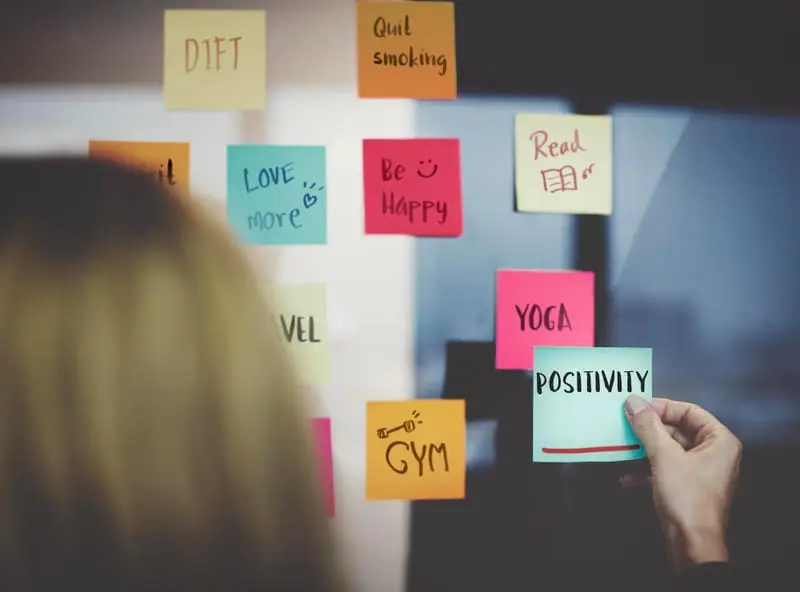
Wellness Goals on a Wall is a participatory activity where individuals write down personal health goals and place them on a shared display space such as a wall, board or digital equivalent. These goals are visible to others, creating a sense of ownership and accountability.

The concept is grounded in behavioural science, which shows that written and visible goals are more likely to be achieved.

Why Visibility Matters in Health Behaviour

Invisible goals are easy to forget. Visible goals:

  • stay top of mind
     

  • act as daily reminders
     

  • reinforce intention through repetition
     

According to behavioural studies cited in public health research, people are significantly more likely to follow through on goals that are written and publicly acknowledged.

Psychological Benefits of Public Goal Setting

Increased Accountability

When goals are visible, individuals feel more responsible for following through.

Enhanced Motivation

Seeing others’ goals creates a sense of shared purpose and inspiration.

Positive Social Reinforcement

Encouragement from peers strengthens commitment.

Reduced Procrastination

Visibility reduces the tendency to delay healthy actions.

Common Wellness Goals Shared on the Wall

Wellness Goals on a Wall typically include goals related to:

Physical Health

  • daily walking or exercise
     

  • improving posture
     

  • reducing sedentary time
     

Nutrition

  • eating more fruits and vegetables
     

  • reducing sugar intake
     

  • drinking adequate water
     

Mental Wellbeing

  • practising mindfulness
     

  • managing stress
     

  • improving sleep routines
     

Preventive Healthcare

  • scheduling regular health checkups
     

  • monitoring blood pressure or blood sugar
     

  • quitting tobacco
     

How Wellness Goals on a Wall Builds a Health Culture

Normalises Health Conversations

When wellness goals are openly shared, talking about health becomes normal rather than private or uncomfortable.

Encourages Collective Responsibility

Health shifts from being an individual concern to a shared value.

Reinforces Preventive Mindset

The focus moves from treatment to prevention and daily care.

Supports Long-Term Habit Formation

Repeated exposure to goals reinforces healthy behaviours over time.

Evidence Supporting Goal-Based Wellness Initiatives

Research from WHO, NITI Aayog and workplace wellness studies indicates that:

  • behaviour-based interventions outperform awareness-only programs
     

  • visual cues significantly improve habit adherence
     

  • peer-supported wellness initiatives show higher engagement
     

These findings support the effectiveness of visible wellness goal-setting.

Implementing Wellness Goals on a Wall Successfully

Keep Goals Simple and Specific

Clear, realistic goals are easier to follow.

Encourage Voluntary Participation

Authentic engagement is more effective than forced participation.

Update Goals Regularly

Refreshing goals keeps motivation high and prevents stagnation.

Celebrate Small Wins

Acknowledging progress reinforces positive behaviour.

Integrate with Preventive Health Programs

Aligning goals with screenings and health education increases impact.

Suitable Settings for This Initiative

Wellness Goals on a Wall can be implemented in:

  • workplaces
     

  • healthcare facilities
     

  • schools and colleges
     

  • community centres
     

  • wellness events
     

Its flexibility makes it scalable across environments.

Role in Preventive Healthcare

Preventive healthcare focuses on daily choices that reduce long-term disease risk. Wellness Goals on a Wall supports this by:

  • reinforcing healthy routines
     

  • promoting self-awareness
     

  • encouraging early action
     

It complements screenings, consultations and wellness programs.

Measuring the Impact

Impact can be assessed through:

  • participation rates
     

  • goal completion trends
     

  • feedback surveys
     

  • observed behaviour change
     

Even qualitative improvements in engagement indicate success.

Long-Term Benefits of the Initiative

Over time, organisations and communities observe:

  • improved health awareness
     

  • stronger wellness culture
     

  • reduced lifestyle-related risks
     

  • higher engagement in preventive care
     

Small behavioural nudges can lead to meaningful health outcomes.

Why Simple Wellness Ideas Work Best

Complex wellness programs often fail due to low participation. Simple, human-centred ideas like Wellness Goals on a Wall:

  • lower entry barriers
     

  • encourage consistency
     

  • foster emotional connection
     

Simplicity enhances sustainability.

Conclusion

Wellness Goals on a Wall transforms health intentions into visible, shared commitments that drive real behavioural change. By promoting accountability, motivation and collective responsibility, this initiative strengthens preventive healthcare and builds a culture where wellness becomes part of everyday life. Whether implemented in workplaces, healthcare settings or communities, Wellness Goals on a Wall proves that small, thoughtful interventions can create lasting impact on health and wellbeing.

References

  • World Health Organization (WHO) – Behaviour Change and Health Promotion Frameworks
  • Indian Council of Medical Research (ICMR) – Preventive Health and Lifestyle Studies
  • NITI Aayog – Workplace Wellness and Preventive Healthcare Reports
  • Lancet Public Health – Behavioural Interventions and Health Outcomes
  • EY-FICCI – Corporate Wellness and Employee Engagement Studies
  • Statista – Wellness Program Adoption and Behaviour Trends

Read FAQs


A. It is a visual wellness initiative where individuals publicly display personal health goals to encourage consistency and accountability.

A. Writing goals improves clarity, commitment and follow-through.

A. Employees, patients, students or community members of all age groups.

Read Blog
Surprise

Surprise Challenge Fridays – “Who Packed the Healthiest Lunch?”: A Fun Workplace Wellness Boost

Corporate wellness initiatives are evolving from passive awareness campaigns to interactive, habit-driven engagement models. Among the most creative and impactful ideas is Surprise Challenge Fridays – “Who packed the healthiest lunch?”, a gamified workplace activity designed to promote better nutrition while building team spirit.

In India, lifestyle diseases such as diabetes, hypertension and obesity are rising steadily. According to the Indian Council of Medical Research (ICMR) and National Family Health Survey (NFHS-5), poor dietary patterns are a major contributing factor. Workplace environments, where employees spend long hours, play a crucial role in shaping eating habits.

Surprise Challenge Fridays transform everyday lunch breaks into opportunities for preventive health engagement.


Why Nutrition Should Be a Workplace Priority

Rising Lifestyle Diseases

ICMR data indicates:

  • over 100 million Indians live with diabetes

  • nearly one in four adults has hypertension

  • obesity rates are increasing in urban populations

Diet plays a foundational role in managing and preventing these conditions.


Office Food Habits and Health Risks

Common workplace food challenges include:

  • frequent ordering of processed meals

  • high sugar and refined carbohydrate intake

  • irregular meal timings

  • portion imbalance

Encouraging mindful lunch choices directly addresses these risks.


What Is Surprise Challenge Fridays?

Surprise Challenge Fridays – “Who packed the healthiest lunch?” is a structured wellness activity where:

  • employees bring home-packed lunches

  • meals are evaluated on nutritional balance

  • winners receive recognition or small rewards

The objective is not competition alone but awareness and education.


How the Challenge Works

Step 1: Announce the Surprise

HR or wellness teams announce that a lunch evaluation will take place.


Step 2: Display and Share

Employees share their lunch plates physically or digitally.


Step 3: Scoring Criteria

Meals are evaluated based on:

  • presence of protein

  • fibre content

  • portion control

  • minimal processed ingredients

  • inclusion of fruits or vegetables


Step 4: Reward and Recognition

Winners receive:

  • wellness vouchers

  • certificates

  • public recognition

  • small health-oriented gifts

Recognition reinforces positive behaviour.


Benefits of Surprise Challenge Fridays

Encourages Balanced Nutrition

Employees become more conscious of including:

  • whole grains

  • lean protein

  • vegetables

  • healthy fats


Builds Team Engagement

Shared participation strengthens workplace culture.


Promotes Preventive Healthcare

Balanced diets reduce risk of metabolic disorders.


Reduces Reliance on Processed Foods

Employees are motivated to cook at home.


Boosts Morale and Creativity

Food presentation and innovative healthy recipes create excitement.


Example of a Balanced Lunch Entry

A high-scoring lunch might include:

  • multigrain roti or brown rice

  • dal or grilled paneer

  • sautéed vegetables

  • salad portion

  • fresh fruit

This demonstrates macronutrient balance and portion control.


Supporting Data on Workplace Nutrition

WHO workplace health guidelines emphasise that nutrition interventions at work:

  • reduce absenteeism

  • improve productivity

  • enhance long-term health outcomes

EY-FICCI corporate wellness reports also highlight nutrition-focused programs as high-return investments.


Virtual Adaptation for Hybrid Teams

Remote teams can participate by:

  • sharing photos on digital platforms

  • submitting ingredient lists

  • attending virtual nutrition review sessions

Inclusivity ensures equal participation.


Integrating Expert Guidance

To enhance impact:

  • dietitians can review entries

  • short nutrition education sessions can follow

  • weekly health tips can be shared

Education strengthens behaviour change.


Creating a Sustainable Habit Culture

Rather than one-time events, organisations can:

  • conduct monthly nutrition challenges

  • track healthy participation

  • integrate with broader wellness programs

Consistency drives long-term results.


Addressing Common Concerns

Fear of Judgment

Ensure:

  • positive tone

  • no shaming

  • voluntary participation

The focus is education, not comparison.


Dietary Diversity

Respect:

  • cultural food preferences

  • vegetarian and non-vegetarian choices

  • regional dietary variations

Healthy eating is flexible.


Measuring Impact

Organisations can track:

  • participation rates

  • employee feedback

  • improved dietary awareness

Wellness metrics reflect program success.


Long-Term Health Impact

Encouraging balanced lunches can:

  • stabilise blood sugar

  • reduce energy crashes

  • improve focus

  • prevent weight gain

Small dietary shifts compound over time.


Conclusion

Surprise Challenge Fridays – “Who packed the healthiest lunch?” is more than a fun activity—it is a strategic workplace wellness intervention. By combining education, gamification and recognition, organisations can foster healthier eating habits, improve engagement and reduce long-term lifestyle disease risk. When nutrition becomes part of workplace culture, both employees and employers benefit from improved health, productivity and morale.


References

  • Indian Council of Medical Research (ICMR) – Nutrition and Lifestyle Disease Reports
  • National Family Health Survey (NFHS-5) – Adult Dietary and Health Data
  • World Health Organization (WHO) – Workplace Health Promotion Guidelines
  • NITI Aayog – Preventive Healthcare Strategy Reports
  • EY-FICCI – Corporate Wellness and Productivity Studies
  •  

See all

Live Doctor consultation
Live Doctor Chat

Download Our App & Get Consultation from anywhere.

App Download
call icon for mobile number calling and whatsapp at secondmedic