• Published on: Nov 26, 2025
  • 4 minute read
  • By: Secondmedic Expert

Virtual Dermatology Consultation India: Fast, Accurate, And Accessible Online Skin Care

  • WhatsApp share link icon
  • copy & share link icon
  • twitter share link icon
  • facebook share link icon

Skin diseases are among the most common health concerns in India, affecting millions across all age groups. Conditions like acne, eczema, psoriasis, pigmentation disorders, fungal infections, and seasonal skin allergies are widely prevalent. However, access to dermatologists is still uneven, especially outside major cities. Virtual dermatology consultation India solves this gap by providing immediate access to expert skin doctors without needing a hospital visit.

Digital dermatology has grown significantly in India due to increased smartphone usage, high-resolution cameras, telemedicine acceptance, and better digital health literacy. Platforms like SecondMedic enable patients to consult dermatologists online, upload images, receive accurate diagnosis, and start treatment quickly and safely.

Why Virtual Dermatology Is Growing in India

Multiple factors are accelerating the demand for online skin consultations:

  • High prevalence of acne, pigmentation, hair loss
     

  • Dermatologist shortage in rural areas
     

  • Seasonal allergies and infections
     

  • Busy lifestyles limiting clinic visits
     

  • Comfort of consulting from home
     

  • Need for fast diagnosis
     

  • Increased awareness of skin and hair health
     

Studies in the Indian Journal of Dermatology confirm that a large percentage of skin conditions are diagnosable through visual examination alone, making virtual dermatology highly effective.

Conditions Treated Through Virtual Dermatology

1. Acne and Acne Scarring

Acne is the most common skin issue in India. Dermatologists assess severity and prescribe personalized treatments.

2. Pigmentation Disorders

Conditions like melasma, sun spots, tanning, and uneven tone can be evaluated online.

3. Eczema and Dermatitis

Chronic or triggered skin inflammation responds well to online treatment follow-ups.

4. Psoriasis

Long-term virtual guidance helps track symptoms and adjust treatment.

5. Hair Loss and Dandruff

Trichology consultations are effective online using scalp images.

6. Rashes and Allergies

Seasonal, food, or infection-based rashes can be diagnosed visually.

7. Fungal Infections

Extremely common in India’s humid climate, these can be treated quickly through digital dermatology.

8. Skin Infections

Bacterial and viral infections can be evaluated and treated with prescribed medication.

SecondMedic dermatologists are trained to evaluate images and symptoms with high clinical accuracy.

How Virtual Dermatology Consultation Works

The process is simple and patient-friendly:

  1. Upload photos of the affected skin area.
     

  2. Add details such as symptoms, duration, triggers, and previous treatments.
     

  3. The dermatologist reviews the case.
     

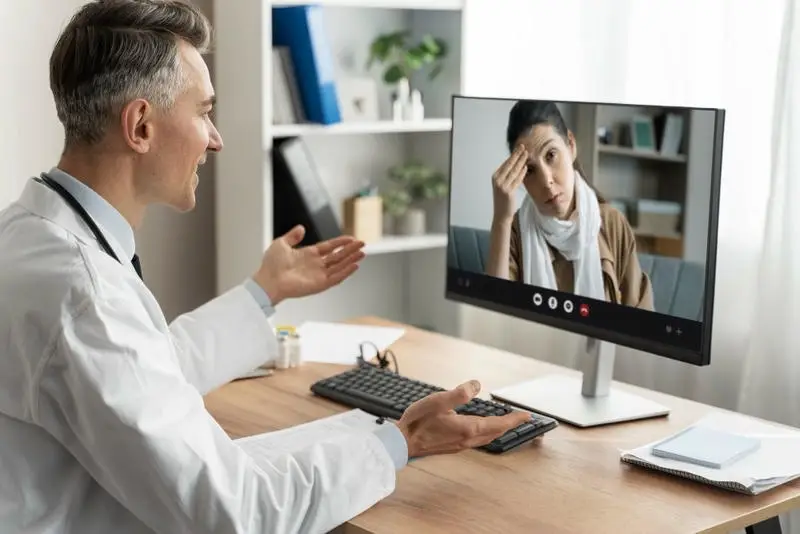
  4. A video or chat consultation is conducted for additional details.
     

  5. Patient receives a personalized treatment plan and digital prescription.
     

  6. Follow-ups ensure progress and long-term improvement.
     

High-quality images enable accurate dermatological assessment.

Benefits of Virtual Dermatology Consultation

Fast Access to Specialists

In many regions of India, dermatologists are concentrated in metro cities. Tele-dermatology eliminates this gap.

Convenience and Privacy

Skin and hair issues can be sensitive. Online consultations offer privacy and comfort.

Affordable Skin Care

Virtual visits reduce costs compared to in-clinic consultations.

Improved Diagnosis Through Photos

Dermatology is highly visual. Clear images help specialists diagnose accurately.

Ideal for Chronic Skin Problems

Conditions like psoriasis, eczema, or vitiligo require regular monitoring-virtual care makes this easier.

No Need for Travel

Especially beneficial for elderly, teens, or people from remote areas.

SecondMedic provides multi-specialty dermatology services with expert-driven care plans.

Role of AI in Virtual Dermatology

AI enhances dermatology consultations by:

  • Identifying skin categories
     

  • Analyzing acne severity
     

  • Detecting pigmentation intensity
     

  • Comparing skin lesions
     

  • Supporting differential diagnosis
     

AI cannot replace a dermatologist but strengthens accuracy and decision-making.

Chronic Dermatology Care Through Telemedicine

Long-term conditions need repeated evaluation. Tele-dermatology enables:

  • Progress tracking through photos
     

  • Symptom journals
     

  • Prescription adjustments
     

  • Lifestyle and routine monitoring
     

This ensures better treatment outcomes.

Skin Care for Rural and Remote India

Virtual consultations significantly improve access for people living in villages and small towns who often lack dermatology specialists.

Advantages include:

  • No travel to cities
     

  • Quick evaluations
     

  • Early diagnosis
     

  • Reduced complications
     

  • Affordable treatment options
     

SecondMedic democratizes access to expert dermatology care across India.

Digital Prescriptions and Follow-Ups

Dermatologists provide e-prescriptions for:

  • Medicines
     

  • Skin care routines
     

  • Lifestyle guidance
     

  • Lab tests, if needed
     

Follow-up consultations help track treatment response and adjust regimens.

Future of Virtual Dermatology in India

The field is expanding with:

  • AI skin analyzers
     

  • Digital dermatoscopes
     

  • AR-based skin mapping
     

  • Cloud-based medical imaging
     

  • Integrated tele-dermatology networks under ABDM
     

SecondMedic aims to deliver technologically advanced, patient-first dermatology care.

Conclusion

Virtual dermatology consultation India provides fast, expert, and affordable skin and hair care to millions of patients across the country. With accurate image-based diagnosis, specialist access, secure digital prescriptions, and continuous support, SecondMedic ensures top-quality dermatological care anytime, anywhere.

To book your virtual dermatology consultation, visit www.secondmedic.com

References

  • Indian Journal of Dermatology - Tele-dermatology accuracy studies
     

  • WHO - Digital dermatology guidelines
     

  • Statista - India skin care and dermatology market insights
     

  • ABDM - Digital health initiatives
     

  • IMARC - Dermatology care trends in India
     

  • SecondMedic dermatology team insights

Read FAQs


A. It is an online appointment where dermatologists assess skin, hair, or nail conditions through photos, video, and symptoms.

A. Acne, eczema, psoriasis, dandruff, pigmentation, rashes, fungal infections, allergies, and hair fall.

A. By reviewing high-quality skin photos, symptoms, medical history, and previous treatments.

A. Yes. Most skin conditions can be diagnosed visually with high accuracy.

A. Yes. SecondMedic provides certified dermatologists for all skin and hair concerns.

Read Blog
AI transforming patient care

How Artificial Intelligence Is Transforming Patient Care in India

As a clinician working closely with patients across urban clinics and remote teleconsultation setups, I have seen firsthand how delayed diagnosis, fragmented follow-up, and specialist shortages affect outcomes in India. Artificial intelligence is not a futuristic concept in Indian healthcare anymore. It is actively reshaping how we diagnose diseases, monitor patients, and prevent complications.

AI, when used responsibly under clinical supervision, is becoming a critical support system for doctors and a powerful safety net for patients navigating a complex healthcare ecosystem.


Why India’s Healthcare System Needs AI

India’s healthcare challenges are deeply structural. A large population burdened by lifestyle diseases, combined with uneven access to medical expertise, creates gaps that traditional systems struggle to bridge.

In daily practice, we increasingly see patients presenting late with diabetes, hypertension, heart disease, or cancer. Many ask a simple but important question: why was this not detected earlier? The answer often lies in limited screening, overloaded clinicians, and lack of continuous monitoring.

Chronic conditions dominating Indian clinics today include:

  • Diabetes affecting over 100 million individuals.

  • Hypertension rising even among young adults.

  • Cardiovascular disease driven by late detection.

  • Increasing cancer incidence with delayed diagnosis.

AI matters here because it supports earlier identification of risk patterns, reduces diagnostic delays, and allows clinicians to focus on decision-making rather than data overload.


How AI Is Changing Medical Diagnosis

One common concern patients raise during consultations is whether AI can truly diagnose diseases accurately. In practice, AI does not replace a doctor. It acts as a high-speed analytical assistant.

AI in Imaging and Diagnostics

AI systems can rapidly analyse:

  • X-rays and CT scans.

  • MRI images.

  • Mammograms.

  • Pathology slides.

  • Cardiac and neurological imaging.

These tools flag abnormalities within seconds, allowing doctors to prioritise critical findings. Clinical studies published in peer-reviewed journals have shown that AI models can match specialist-level accuracy for specific imaging tasks when used correctly.

From a physician’s perspective, the real benefit is not speed alone. It is consistency. AI reduces the risk of missed findings during high-volume diagnostic workflows, especially in resource-constrained settings.


Can AI Monitor Patients Outside Hospitals

Patients managing chronic illness often ask whether technology can help them avoid repeated hospital visits. AI-enabled remote monitoring is one of the most meaningful advances in this area.

AI-Supported Remote Patient Monitoring

AI continuously evaluates trends in:

  • Blood pressure.

  • Heart rate variability.

  • Blood glucose patterns.

  • Oxygen saturation.

  • Physical activity and sleep quality.

Rather than reacting to a single abnormal value, AI identifies worsening trends over time. Clinically, this allows early intervention before complications escalate.

Evidence from global health system studies shows that continuous monitoring can significantly reduce avoidable hospital admissions, particularly for diabetes, heart disease, and elderly patients.


Using AI to Predict and Prevent Chronic Diseases

Preventive healthcare remains underdeveloped in India. Most patients seek care after symptoms appear. AI helps shift this model.

By analysing medical history, lifestyle habits, vitals, and environmental factors, predictive models can estimate:

  • Future heart attack risk.

  • Progression of diabetes.

  • Decline in kidney function.

  • Stroke probability.

  • Asthma exacerbation triggers.

Patients often ask if AI can really prevent disease. Prevention here means early warnings. When risk patterns are detected early, doctors can adjust treatment plans, recommend lifestyle changes, and prevent irreversible damage.


Personalised Treatment in a Diverse Indian Population

Indian patients differ widely in genetics, diet, stress patterns, and cultural habits. Standardised treatment protocols often fall short.

AI supports personalised care by analysing:

  • Medication responses.

  • Dietary intake.

  • Blood markers.

  • Sleep and stress trends.

  • Coexisting medical conditions.

For example:

  • In diabetes care, AI helps personalise carbohydrate distribution and medication timing.

  • In hypertension, it identifies sodium sensitivity and stress-related spikes.

  • In hormonal conditions like PCOS, it aligns nutrition and activity with cycle patterns.

From a clinical standpoint, personalised insights improve adherence and reduce relapse rates.


AI-Enabled Telemedicine and Smarter Consultations

Telemedicine has become an essential part of care delivery in India. Patients frequently ask whether online consultations are as effective as in-person visits.

AI enhances telemedicine by:

  • Structuring symptom inputs before consultations.

  • Routing patients to the appropriate specialist.

  • Generating concise medical summaries for doctors.

  • Supporting follow-up reminders and medication adherence checks.

When used correctly, AI reduces diagnostic delays and improves consultation efficiency without compromising safety.


Expanding Healthcare Access Beyond Cities

A major question in public health is whether AI can truly improve rural healthcare access. In practice, it already is.

AI enables:

  • Remote diagnostics supported by portable devices.

  • Virtual specialist consultations for rural clinics.

  • Smartphone-based imaging and screening tools.

  • AI-guided triage in underserved regions.

By reducing dependence on physical proximity to specialists, AI helps bridge longstanding geographical barriers in India’s healthcare system.


Safety, Ethics, and the Role of Doctors in AI Care

Patients rightly express concern about safety, privacy, and over-reliance on technology. These concerns are valid.

Responsible AI use in healthcare requires:

  • Transparent algorithms.

  • Explicit patient consent.

  • High-quality, verified medical datasets.

  • Strict data privacy safeguards.

  • Continuous clinical supervision.

In ethical practice, AI outputs never replace medical judgment. Doctors remain accountable for decisions. Human-in-the-loop verification is essential to ensure patient safety and trust.


What This Transformation Means for Indian Patients

Artificial intelligence is fundamentally changing patient care in India by making healthcare more proactive, more precise, and more accessible. From early diagnosis to personalised treatment and continuous monitoring, AI empowers both patients and clinicians with data-backed clarity.

SecondMedic’s patient-first approach integrates AI as a clinical support system, not a replacement for doctors. By combining medical expertise with digital intelligence, the goal remains simple: better outcomes, earlier intervention, and care that adapts to each patient’s real-world needs.

As clinicians, our responsibility is to ensure that technology serves patients ethically and effectively. When used with care and oversight, AI has the potential to redefine healthcare delivery across India in a way that is inclusive, preventive, and sustainable.

See all

Live Doctor consultation
Live Doctor Chat

Download Our App & Get Consultation from anywhere.

App Download
call icon for mobile number calling and whatsapp at secondmedic