• Published on: Feb 26, 2026
  • 2 minute read
  • By: Secondmedic Expert

Heat Exhaustion Warning Signs: Symptoms You Should Never Ignore

  • WhatsApp share link icon
  • copy & share link icon
  • twitter share link icon
  • facebook share link icon

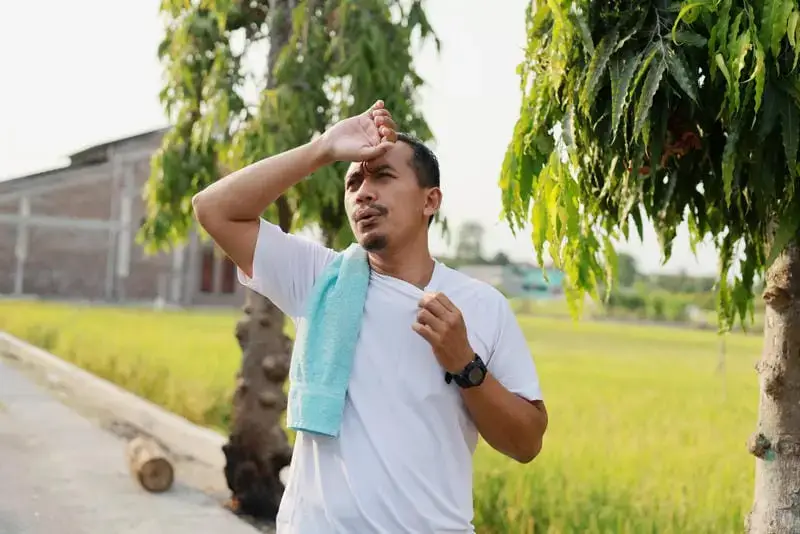
Heat-related illnesses are common during hot weather, particularly in tropical countries like India where summer temperatures can become extreme. Heat exhaustion is a serious condition that occurs when the body overheats due to prolonged exposure to high temperatures and inadequate hydration.

Recognizing heat exhaustion warning signs early can prevent life-threatening complications such as heatstroke.

What Is Heat Exhaustion?

Heat exhaustion is a heat-related illness caused by:

  • Excessive heat exposure
     

  • Dehydration
     

  • Loss of electrolytes through sweating
     

It often occurs during outdoor work, exercise or travel in hot environments.

If untreated, it may progress to heatstroke — a medical emergency.

Common Heat Exhaustion Warning Signs

1. Heavy Sweating

Excessive sweating is one of the earliest signs.

The body attempts to cool itself through perspiration, leading to fluid loss.

2. Dizziness or Lightheadedness

Low blood pressure due to dehydration may cause:

  • Feeling faint
     

  • Blurred vision
     

  • Weakness
     

3. Fatigue and Weakness

Muscle weakness and exhaustion occur as the body struggles to regulate temperature.

4. Nausea and Vomiting

Digestive discomfort is common in heat-related illnesses.

5. Headache

Dehydration and heat stress can trigger throbbing headaches.

6. Muscle Cramps

Electrolyte imbalance may cause painful muscle cramps, especially in legs.

7. Rapid Heartbeat

Increased heart rate helps circulate blood for cooling but may indicate strain.

8. Cool, Clammy Skin

Despite hot weather, skin may feel cool and moist due to heavy sweating.

Who Is at Higher Risk?

Certain groups are more vulnerable:

  • Outdoor laborers
     

  • Athletes
     

  • Elderly individuals
     

  • Children
     

  • People with chronic illnesses
     

  • Individuals on certain medications
     

Urban heat exposure increases risk during peak summer months in India.

Heat Exhaustion vs Heatstroke

Heat exhaustion is serious but manageable if treated promptly.

Heatstroke symptoms include:

  • High body temperature (above 40°C)
     

  • Confusion or disorientation
     

  • Dry, hot skin
     

  • Seizures
     

  • Loss of consciousness
     

Heatstroke requires immediate emergency medical attention.

Immediate Steps to Take

If heat exhaustion is suspected:

  1. Move to a cool, shaded area
     

  2. Loosen tight clothing
     

  3. Drink water or oral rehydration solution
     

  4. Apply cool cloths to body
     

  5. Rest until symptoms improve
     

Seek medical care if symptoms persist beyond one hour.

Prevention Tips

Stay Hydrated

Drink water regularly, even if not thirsty.

Avoid Peak Sun Hours

Limit outdoor activity between 12 PM and 4 PM.

Wear Light Clothing

Choose loose, breathable fabrics.

Use Sun Protection

Wear hats and sunglasses when outdoors.

Take Frequent Breaks

Rest in shaded or air-conditioned areas.

Maintain Electrolyte Balance

Use oral rehydration solutions if sweating heavily.

Heat Illness in the Indian Context

India frequently experiences heatwaves, especially in northern and central regions. Public awareness about hydration and heat safety is essential to reduce hospitalizations and fatalities.

Community-level education can significantly improve prevention.

When to Seek Medical Help

Immediate medical attention is required if:

  • Symptoms worsen
     

  • Body temperature rises significantly
     

  • Confusion develops
     

  • Fainting occurs
     

  • Vomiting persists
     

Early treatment prevents severe complications.

Conclusion

Heat exhaustion is a preventable but potentially dangerous condition. Recognizing warning signs such as heavy sweating, dizziness, nausea and muscle cramps allows timely intervention.

With rising summer temperatures, especially in India, proactive hydration and heat safety measures are essential. Preventive care and awareness can protect vulnerable individuals and reduce health risks.

Staying cool and hydrated is the simplest way to safeguard your health during hot weather.

References

  • Indian Meteorological Department – Heatwave Reports

  • World Health Organization – Heat-Related Illness Guidelines

  • Indian Council of Medical Research – Public Health Advisory

  • National Disaster Management Authority (India) – Heatwave Action Plan

  • Lancet Planetary Health – Climate and Health Research

Read FAQs


A. It is a heat-related illness caused by excessive heat exposure and dehydration.

A. Heavy sweating, dizziness, fatigue and nausea.

A. Yes, untreated heat exhaustion may progress to heatstroke.

Read Blog
Simple lifestyl

How Lifestyle Changes Improve Health: Small Habits, Big Impact

In today’s fast-paced world, health challenges such as diabetes, hypertension, obesity and heart disease are increasingly common. Many of these conditions are linked to daily habits rather than unavoidable causes. The encouraging news is that simple lifestyle changes can dramatically improve health outcomes.

Understanding how lifestyle changes improve health empowers individuals to take control of their wellbeing and reduce long-term disease risk.


What Are Lifestyle Changes?

Lifestyle changes refer to modifications in daily habits that influence physical and mental health. These include:

  • Eating patterns
     

  • Physical activity
     

  • Sleep habits
     

  • Stress management
     

  • Substance use
     

  • Routine health checkups
     

Small adjustments in these areas can lead to significant health benefits.


1. Balanced Nutrition Improves Body Function

Diet directly affects:

  • Energy levels
     

  • Immunity
     

  • Hormone balance
     

  • Heart health
     

  • Digestive function
     

Healthy dietary habits include:

  • Eating fresh fruits and vegetables
     

  • Choosing whole grains
     

  • Limiting processed foods
     

  • Reducing salt and sugar intake
     

Balanced nutrition reduces inflammation and supports long-term disease prevention.


2. Regular Physical Activity Strengthens the Body

Exercise improves:

  • Cardiovascular health
     

  • Blood circulation
     

  • Muscle strength
     

  • Mental wellbeing
     

Engaging in at least 30 minutes of moderate activity daily lowers risk of chronic diseases.

Exercise also helps regulate blood sugar and cholesterol levels.


3. Adequate Sleep Restores Vital Systems

Sleep is essential for:

  • Hormonal balance
     

  • Immune repair
     

  • Memory consolidation
     

  • Metabolic regulation
     

Poor sleep increases risk of obesity, diabetes and heart disease.

Aim for 7–8 hours of quality sleep each night.


4. Stress Management Enhances Overall Health

Chronic stress contributes to:

  • High blood pressure
     

  • Digestive issues
     

  • Weakened immunity
     

  • Anxiety and depression
     

Stress reduction techniques such as yoga, meditation and deep breathing support both mental and physical health.


5. Avoiding Harmful Substances Protects Organs

Limiting alcohol and quitting smoking significantly reduce the risk of:

  • Liver disease
     

  • Lung disease
     

  • Heart disease
     

  • Cancer
     

Healthy choices protect long-term organ function.


6. Maintaining Healthy Weight Reduces Risk

Excess weight increases strain on the heart and metabolic system.

Healthy weight management lowers risk of:

  • Type 2 diabetes
     

  • Hypertension
     

  • Joint disorders
     

Balanced diet and exercise play a central role in weight control.


7. Preventive Health Checkups

Routine screenings help detect:

  • Elevated blood sugar
     

  • High cholesterol
     

  • Thyroid disorders
     

  • Vitamin deficiencies
     

Early detection allows timely intervention.


Short-Term and Long-Term Benefits

Short-Term Benefits

  • Increased energy
     

  • Improved mood
     

  • Better sleep quality
     

  • Enhanced concentration
     

Long-Term Benefits

  • Reduced chronic disease risk
     

  • Improved longevity
     

  • Better quality of life
     

  • Lower healthcare costs
     

Consistency is key to sustaining these benefits.


Lifestyle Changes in the Indian Context

Rapid urbanization, desk jobs and dietary shifts have increased lifestyle-related diseases in India. Promoting awareness about preventive health practices is essential to reduce national healthcare burden.

Even small steps, such as walking daily or reducing sugar intake, create meaningful impact.


Common Challenges and Solutions

Lack of Time

Solution: Start with 20-minute activities and gradually increase.

Inconsistent Motivation

Solution: Set realistic goals and track progress.

Social Influences

Solution: Encourage family and friends to adopt healthy habits together.


When to Seek Professional Guidance

Consult a healthcare professional if you experience:

  • Persistent fatigue
     

  • Unexplained weight changes
     

  • High blood pressure
     

  • Chronic stress symptoms
     

Medical guidance complements lifestyle improvements.


Conclusion

Lifestyle changes are powerful tools for improving overall health. Balanced nutrition, regular exercise, quality sleep and effective stress management collectively reduce disease risk and enhance wellbeing.

While change may feel challenging initially, consistent small habits create lasting transformation. Prevention is always better than treatment.

By taking proactive steps today, individuals can build a healthier, more resilient future.

Healthy living is not about perfection — it is about consistent progress.


References

  • Indian Council of Medical Research – Lifestyle Disease Reports
  • World Health Organization – Healthy Lifestyle Guidelines
  • National Family Health Survey – Adult Health Data
  • National Institute of Nutrition India – Dietary Recommendations
  • Lancet Global Health – Preventive Health Research


See all

Live Doctor consultation
Live Doctor Chat

Download Our App & Get Consultation from anywhere.

App Download
call icon for mobile number calling and whatsapp at secondmedic