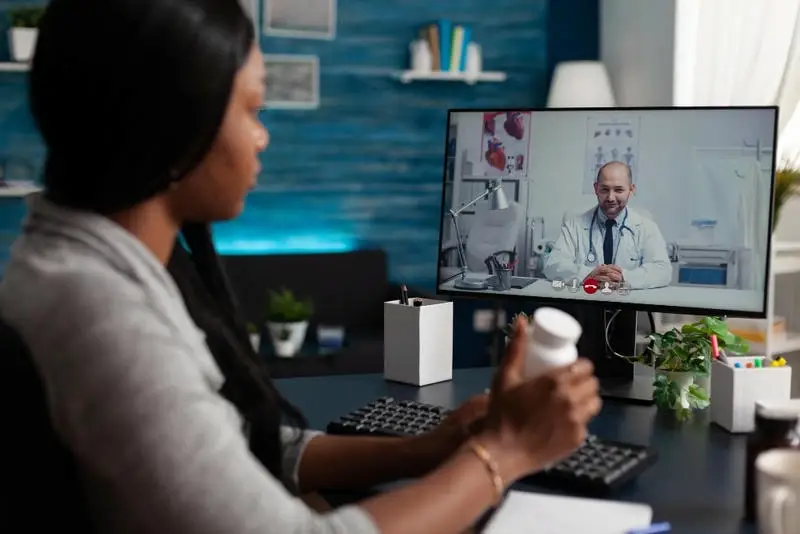
Healthcare in India is undergoing a significant transformation as digital platforms reshape how people access medical care. Virtual clinics have emerged as a powerful solution, offering patients immediate access to doctors, diagnostics, prescriptions, and continuous monitoring—without the need for physical hospital visits. This model has become increasingly important in a country where population density, geographical barriers, and long wait times often make healthcare inaccessible or inconvenient.
A virtual clinic uses telemedicine, digital records, online diagnostics, AI tools, and remote monitoring to offer a full healthcare experience through smartphones or computers. SecondMedic is among the leaders in this space, providing a robust virtual clinic ecosystem designed to support preventive health, chronic disease management, and immediate care for everyday medical needs.
The Role of Virtual Clinics in India’s Healthcare Evolution
India faces significant challenges including uneven specialist distribution, crowded hospitals, and rising lifestyle diseases. Virtual clinics bridge these gaps by making healthcare more accessible, affordable, and continuous. They enable patients from metropolitan areas, rural communities, and even remote regions to receive quality care without leaving home.
Key drivers behind virtual clinic growth include:
-
Growing smartphone and internet penetration
-
Increased comfort with digital health platforms
-
The need for safe and convenient care
-
Rising chronic illnesses requiring ongoing monitoring
-
Awareness of preventive healthcare
As a result, virtual clinics are becoming the first point of contact for many health concerns.
How Virtual Clinics Deliver Complete Healthcare
Virtual clinics are more than video consultations. They integrate multiple components of healthcare into a unified digital experience. SecondMedic’s virtual clinic model ensures continuity of care by bringing together doctors, diagnostics, monitoring tools, pharmacy support, and digital health records.
Core pillars of virtual clinic care include:
-
Instant doctor access
-
Seamless diagnostic testing
-
AI-based symptom evaluation
-
E-prescriptions
-
Medication delivery
-
Chronic disease monitoring
-
Preventive health programs
This creates an end-to-end flow that mirrors the experience of visiting a physical clinic, but with added convenience and personalization.
Online Consultations: Immediate Access to Specialists
One of the strongest features of a virtual clinic is the ability to consult qualified doctors quickly. Instead of waiting days for appointments or traveling long distances, patients can connect with specialists through secure video calls or chat.
Virtual consultations are especially useful for:
-
Common illnesses
-
Follow-up appointments
-
Second opinions
-
Chronic condition management
-
Mental health support
-
Elderly care
-
Pediatric queries
SecondMedic ensures that all consultations are supported by electronic health records, making the experience seamless and informed.
Digital Diagnostics and At-Home Lab Testing
Diagnostics are a core component of healthcare, and virtual clinics have made them significantly more accessible. Users can book lab tests online and have samples collected from their home. Results are delivered digitally, enabling faster diagnosis and treatment.
Advantages of digital diagnostics include:
-
No travel or waiting lines
-
Fast report turnaround
-
Integration with doctor consultations
-
Easy follow-up and comparisons over time
-
Better compliance for chronic disease tracking
SecondMedic partners with certified diagnostic labs to ensure high-quality test processing and accurate digital reporting.
Remote Monitoring and Chronic Disease Care
Chronic diseases such as diabetes, hypertension, heart illness, and thyroid disorders require ongoing monitoring. Virtual clinics use connected devices and AI-driven alerts to help patients stay on track with their health goals.
Common remote monitoring tools include:
-
Glucometers
-
Blood pressure monitors
-
Heart-rate trackers
-
Pulse oximeters
-
Weight and BMI tools
-
Sleep monitors
-
Wearable sensors
SecondMedic uses advanced analytics to detect risk patterns early, send reminders, and support long-term condition management.
E-Prescriptions and Digital Pharmacy Support
Virtual clinics simplify the process of receiving medical prescriptions and ordering medicines. E-prescriptions are accurate, tamper-proof, and instantly shareable with online pharmacies.
Digital pharmacy support helps with:
-
Medication delivery
-
Monthly chronic care refills
-
Transparent drug information
-
Avoiding prescription errors
-
Improving medication adherence
SecondMedic integrates e-prescriptions directly with its pharmacy partners, making the treatment process seamless.
Preventive Healthcare Through Virtual Clinics
Preventive care is becoming a priority for many Indians due to rising lifestyle diseases and increasing awareness of early screening. Virtual clinics support this need through personalized health plans designed using AI assessments, digital screenings, and doctor insights.
Preventive healthcare offerings include:
-
Annual full-body checkups
-
Lifestyle assessments
-
Diet and fitness plans
-
Stress and sleep guidance
-
Vaccination reminders
-
Long-term wellness tracking
SecondMedic’s preventive programs are designed to detect risks early and help users adopt healthier habits.
How Virtual Clinics Improve Healthcare Accessibility in India
Virtual clinics remove geographical barriers by bringing medical care to people who otherwise face difficulty accessing doctors. This includes:
-
Rural regions with limited healthcare facilities
-
Urban areas with long hospital wait times
-
Elderly individuals who cannot travel easily
-
Busy professionals needing flexible care
-
Patients seeking discretion for sensitive concerns
With increased digital literacy and affordable smartphones, virtual clinics are becoming accessible to a wide demographic.
The Future of Virtual Clinics in India
The future of virtual clinics is strong, supported by national initiatives like the Ayushman Bharat Digital Mission (ABDM), which encourages digital health adoption. AI-driven diagnostics, intelligent triaging, predictive health tools, and integrated hospital systems will further strengthen the virtual care model.
Upcoming trends include:
-
AI chat-based symptom evaluation
-
Virtual reality rehabilitation sessions
-
Smart device-linked monitoring
-
AI-based early disease detection
-
Comprehensive preventive health ecosystems
-
Hybrid care combining virtual and in-clinic visits
SecondMedic is actively developing next-generation virtual clinic technologies to make healthcare more proactive and patient-centered.
Conclusion
Virtual clinics are revolutionizing healthcare delivery in India by offering convenient, reliable, and digitally connected care. They bring together consultations, diagnostics, monitoring, and preventive health in one platform, reducing barriers and enabling patients to receive high-quality medical support anytime, anywhere. SecondMedic leads this transformation with a comprehensive virtual clinic model designed to support long-term health and wellbeing.
To access virtual consultations, digital diagnostics, and remote care services, visit www.secondmedic.com
References
-
NITI Aayog - Telemedicine and Digital Health Report 2024
-
Statista - Telehealth Usage India 2025
-
WHO - Digital Health Standards
-
IMARC - India Telemedicine Market Forecast
-
ABDM - Ayushman Bharat Digital Health Guidelines