• Published on: Nov 20, 2023
  • 3 minute read
  • By: Secondmedic Expert

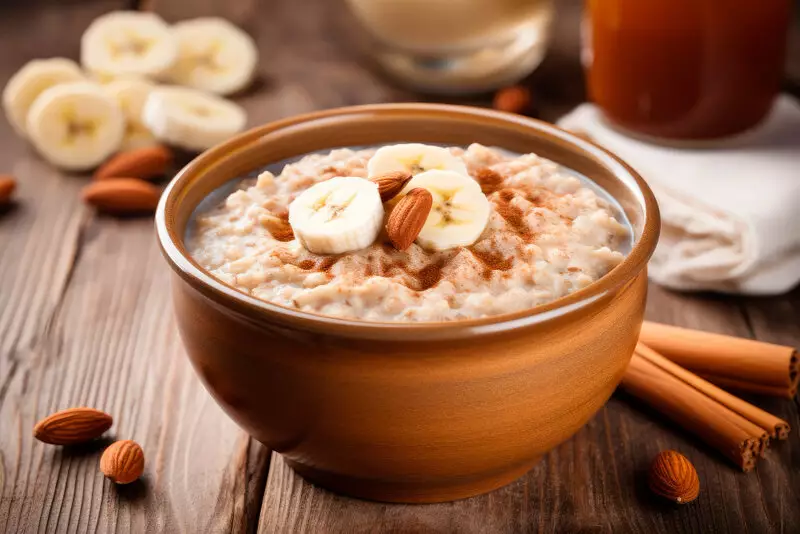
The Oats Dilemma: Weighing The Pros And Cons Of Daily Consumption For Optimal Health

  • WhatsApp share link icon
  • copy & share link icon
  • twitter share link icon
  • facebook share link icon

Are oats the ultimate secret weapon for achieving optimal health? In a world teeming with nutritional advice and health trends, the debate around the daily consumption of oats has sparked considerable interest. How does this humble grain fare when scrutinized under the lens of health benefits, particularly concerning weight management and overall well-being?

The Oats Dilemma: Can Daily Consumption Optimize Health?

Oats have long been hailed as a nutritional powerhouse, but with the rise of diverse dietary options and health trends, one might wonder: Are oats truly the golden grain for optimal health? This blog will delve into the pros and cons of incorporating oats into your daily diet, exploring their impact on weight loss, overall health, and their role in a balanced diet.

Oats and Optimal Health: Finding the Balance 

In the fast-paced digital era, access to health resources has expanded remarkably. From online doctor consultations to convenient online pharmacies offering doorstep deliveries of medicines, the landscape of healthcare has evolved. Amid this evolution, the debate over the merits of daily oat consumption continues.

Oats Nutrition and Benefits

Oats are rich in fiber, specifically beta-glucan, which aids in lowering cholesterol levels and promoting heart health. They're also packed with essential vitamins, minerals, and antioxidants, making them a valuable addition to a balanced diet.

Oats for Weight Loss: Fact or Fiction?

One of the most touted benefits of oats is their potential in aiding weight loss. Their high fiber content promotes satiety, keeping hunger pangs at bay and potentially reducing overall calorie intake. However, solely relying on oats for weight loss might not be the most effective strategy. Incorporating oats into a well-rounded diet and active lifestyle is key.

The Pros of Oats Consumption:

1. Oats for Weight Loss:

Oats are renowned for their role in weight loss diets. The high fiber content keeps you feeling full for longer, curbing unnecessary snacking. Incorporating oats into your daily routine might be the missing link in your quest for a healthier weight. If you're considering weight loss, consult with an online doctor to tailor a plan that includes oats and aligns with your overall health goals. 

2. Nutrient-Rich Oatmeal:

Oatmeal is a powerhouse of essential nutrients. Packed with vitamins, minerals, and antioxidants, it provides a wholesome breakfast option. Online lab tests can reveal whether you're deficient in any specific nutrients, allowing for a personalized approach to include oats as part of a complete body checkup.

3. Heart Health Benefits:

Oats contain beta-glucans, a type of soluble fiber that has been linked to improved heart health. Including oats in your diet may help lower cholesterol levels, reducing the risk of cardiovascular diseases. Consider discussing this with an online dr consultation to understand how oats can complement your heart health strategy.

4. Balanced Blood Sugar Levels:

The complex carbohydrates in oats are digested slowly, leading to a gradual rise in blood sugar levels. This can be beneficial for individuals with diabetes or those aiming to maintain steady energy levels throughout the day. An online doctor consultation free of charge can guide you on incorporating oats into a diabetes-friendly diet.

5. Convenient Online Pharmacy Delivery of Oats Products:

With the rise of online medicine platforms, obtaining oats and other health products has never been more convenient. Consider including oats in your online pharmacy delivery for a hassle-free way to enhance your diet.

The Cons of Oats Consumption:

1. Gluten Contamination:

While oats themselves are gluten-free, cross-contamination during processing is common. This can be problematic for individuals with gluten sensitivities or celiac disease. Ensure that your oats are certified gluten-free, and if you have concerns, consult an online dr for advice.

2. Phytic Acid Content:

Oats contain phytic acid, an anti-nutrient that can inhibit the absorption of minerals like iron and zinc. If your diet heavily relies on oats, consider a full body checkup, including mineral levels, to ensure you're not facing deficiencies.

3. Caloric Content:

While oats are nutritious, they are not calorie-free. Over Consumption may lead to an excess calorie intake, affecting weight management goals. It's essential to balance your diet and consult with an online doctor to determine the right portion sizes for your individual needs.

4. Digestive Sensitivities:

Some individuals may experience digestive issues such as bloating or gas when consuming oats. If you have digestive sensitivities, consider introducing oats gradually into your diet and monitor your body's response. Online dr consultation can provide guidance on managing digestive concerns.

5. Variety in a Healthy Diet:

While oats offer numerous benefits, a healthy diet requires variety. Relying solely on oats may lead to nutritional imbalances. Consult with an online doctor to create a well-rounded diet plan that includes a diverse range of nutrient-rich foods.

Online Resources and Oats: Bridging the Gap

In today's digital age, accessing healthcare resources is easier than ever. Online doctor consultations and the availability of comprehensive online lab tests have revolutionized healthcare accessibility. Monitoring health parameters such as cholesterol levels or blood sugar, especially when considering a dietary change like increased oat consumption, can be easily done through these platforms.

The Role of Oats in a Healthy Diet

While oats boast numerous health benefits, they should be part of a diverse diet that includes various nutrient-rich foods. Incorporating other healthy snacks, like fruits, nuts, and vegetables, ensures a well-rounded intake of essential nutrients.

Conclusion: Navigating the Oats Dilemma

In the oats dilemma, the key lies in balance and personalization. Online health resources, such as online doctor consultation, online lab tests, and full body checkups, can play a pivotal role in tailoring a diet that incorporates oats for optimal health. Whether you're looking to enhance weight loss, improve heart health, or manage diabetes, oats can be a valuable addition when approached mindfully. Remember, a healthy diet is a holistic one, and consulting with an online dr can guide you on the path to a well-balanced and nutritious lifestyle. Embrace the oats dilemma, armed with knowledge, and pave the way for a healthier you.

In essence, while oats bring a lot to the table, the key lies in embracing a diversified and balanced diet along with leveraging the convenience of online healthcare resources to monitor and optimize your health journey.

Read FAQs


A. Eating oatmeal daily has several pros, including being nutrient-rich with fiber, vitamins, and minerals that promote digestive health. Oatmeal can contribute to lower cholesterol levels, reducing the risk of heart disease, and its filling nature aids in weight management by providing a sense of fullness. On the flip side, a potential con is that oatmeal can be calorie-dense, so portion control is crucial to avoid excessive calorie intake. Additionally, individuals with gluten sensitivity may experience digestive issues with certain types of oats.

A. Eating oatmeal every day can have positive effects on your health. The high fiber content promotes improved digestion and regular bowel movements. Regular consumption may contribute to lower LDL cholesterol levels, benefiting heart health. The filling nature of oatmeal also aids in weight management by helping control appetite and supporting weight loss efforts. Overall, incorporating oatmeal into your daily diet can be a nutritious and health-promoting choice.

A. Applying oats topically on the skin daily can have several benefits. Oats have gentle exfoliating properties, helping to remove dead skin cells and potentially soothing skin irritation. They also aid in moisturization, helping the skin retain moisture and feel smoother. Additionally, oats contain anti-inflammatory compounds that may help reduce inflammation and calm sensitive skin. Overall, daily application of oats can contribute to healthier and more nourished skin.

Read Blog
healthcare

Why Preventive Healthcare Is More Important Than Treatment: A Smarter Approach to Health

Healthcare systems worldwide are shifting focus from reactive treatment to proactive prevention. While medical treatments have advanced significantly, preventing disease before it develops remains the most effective strategy for long-term health.

Understanding why preventive healthcare is more important than treatment empowers individuals to take control of their wellbeing and reduce future health risks.


What Is Preventive Healthcare?

Preventive healthcare involves measures taken to avoid disease rather than treating it after symptoms appear.

It includes:

  • Routine health checkups
     

  • Vaccinations
     

  • Blood pressure monitoring
     

  • Diabetes screening
     

  • Cancer screening
     

  • Healthy lifestyle habits
     

The goal is early detection and risk reduction.


1. Early Detection Saves Lives

Many serious conditions develop silently, including:

  • Diabetes
     

  • Hypertension
     

  • Heart disease
     

  • Cancer
     

Regular screening identifies these conditions at an early stage when treatment is more effective and less invasive.


2. Reduces Healthcare Costs

Treating advanced diseases often involves:

  • Hospitalization
     

  • Surgery
     

  • Long-term medication
     

  • Intensive care
     

Preventive care reduces these costs by identifying risks early and managing them promptly.


3. Improves Quality of Life

Prevention focuses on maintaining optimal health.

Healthy individuals experience:

  • Higher energy levels
     

  • Better productivity
     

  • Improved mental wellbeing
     

  • Reduced stress
     

Staying healthy enhances overall life satisfaction.


4. Prevents Chronic Diseases

Lifestyle diseases such as obesity, diabetes and cardiovascular disorders are largely preventable.

Preventive measures include:

  • Balanced nutrition
     

  • Regular exercise
     

  • Smoking cessation
     

  • Stress management
     

These habits significantly lower disease risk.


5. Reduces Complications

Early management prevents complications such as:

  • Kidney damage from diabetes
     

  • Stroke from uncontrolled hypertension
     

  • Heart attacks due to high cholesterol
     

Preventive healthcare minimizes disease progression.


6. Encourages Health Awareness

Routine checkups increase awareness about:

  • Body weight
     

  • Blood sugar levels
     

  • Cholesterol
     

  • Nutritional deficiencies
     

Awareness motivates positive lifestyle changes.


Preventive Healthcare in the Indian Context

India faces rising rates of lifestyle diseases.

Urbanization, sedentary jobs and dietary changes have increased non-communicable diseases.

Preventive healthcare initiatives such as annual health screenings and awareness programs are critical to reducing the national disease burden.


Key Components of Preventive Care

Regular Health Screenings

  • Blood pressure checks
     

  • Blood sugar tests
     

  • Lipid profile
     

  • Thyroid tests


Vaccinations

  • Influenza
     

  • Hepatitis
     

  • COVID-19
     

  • Tetanus
     

Vaccines prevent infectious diseases.


Lifestyle Modification

  • Healthy diet
     

  • Daily exercise
     

  • Adequate sleep
     

  • Stress reduction
     

These form the foundation of prevention.


Treatment vs Prevention: A Comparison

Prevention

Treatment

Focuses on avoiding disease

Focuses on managing disease

Lower cost

Higher cost

Less invasive

Often invasive

Long-term benefits

May involve side effects

Prevention reduces risk before complications arise.


When Should Preventive Care Begin?

Preventive healthcare is important at every stage of life.

Adults above 30 years should undergo annual health checkups, especially if they have:

  • Family history of chronic disease
     

  • Sedentary lifestyle
     

  • Obesity
     

  • Smoking habits
     

Early intervention makes a measurable difference.


Overcoming Barriers to Prevention

Common challenges include:

  • Lack of time
     

  • Fear of diagnosis
     

  • Financial concerns
     

Solutions involve:

  • Corporate health programs
     

  • Insurance coverage for screenings
     

  • Digital health platforms
     

Encouraging routine checkups improves participation.


The Long-Term Impact of Prevention

Consistent preventive care leads to:

  • Increased life expectancy
     

  • Reduced healthcare burden
     

  • Improved economic productivity
     

  • Healthier communities
     

Healthy populations contribute to national growth.


Conclusion

Preventive healthcare is more important than treatment because it addresses health risks before they escalate into serious conditions. Early detection, regular screenings and healthy lifestyle habits reduce disease burden, save costs and improve quality of life.

While treatment remains essential when illness occurs, prevention offers a smarter and more sustainable approach to long-term wellbeing.

Taking proactive steps today can protect your health for years to come. Prevention is not just a medical strategy — it is a commitment to a healthier future.


References

  • Indian Council of Medical Research – Preventive Health Reports

  • World Health Organization – Preventive Healthcare Guidelines

  • National Family Health Survey – Lifestyle Disease Data

  • NITI Aayog – Health Strategy Reports

  • Lancet Global Health – Preventive Medicine Research

See all

Live Doctor consultation
Live Doctor Chat

Download Our App & Get Consultation from anywhere.

App Download
call icon for mobile number calling and whatsapp at secondmedic