- Published on: May 23, 2022
- 3 minute read
- By: Second Medic Expert
Stretch Marks: Causes And Treatment




Stretch marks are markings that often show up on the skin during pregnancy, estrus, or rapid growth spurts. They’re usually red or purple at first, but eventually fade to a silvery white. Pregnancy is the most common cause of stretch marks, but they can also be caused by weight gain during puberty or from certain medical conditions like Cushing’s syndrome. While stretch marks are harmless and don’t pose any health risks, many people find them unsightly and are looking for ways to get rid of them.
There are a number of treatment options available for stretch marks, though none of them are guaranteed to work. Stretch marks are markings that can occur on the skin during periods of rapid growth or stretching. The most common places they appear are on the thighs, buttocks, stomach, and breasts. During pregnancy, these markings often show up around the sixth or seventh month as the skin stretches to accommodate a growing belly.
While stretch marks do not pose any health risks, many people regard them as unsightly blemishes. In general, there are two ways to treat them: topical treatments and laser therapy. Topical treatments for stretch marks include moisturizers, retinoids, creams containing Vitamin C, and body oils like cocoa butter. These products work by stimulating collagen production and improving blood circulation in the area . Stretch marks are markings that can occur on the skin after it has been stretched or distorted in some way. They’re often associated with pregnancy, weight gain, andgrowth spurts during adolescence. However, anyone can develop stretch marks, even though they’re more common in women than men.
Stretch marks usually first appear as reddish or purple lines, but over time they tend to turn a lighter color. They tend to be most visible on the stomach, breasts, hips, thighs, and buttocks—areas where larger amounts of fat are typically stored. There are a number of different factors that can contribute to the development of stretch marks. There are many different causes of stretch marks, from changes in weight to pregnancy and puberty. However, the most common cause of stretch marks is due to rapid weight gain or loss. When the skin stretches quickly, it can cause the collagen fibers to break down, resulting in stretch marks.
There are a number of treatment options available for stretch marks. topical creams and lotions can help to improve the appearance of stretch marks by increasing hydration and elasticity. laser treatments can also be effective in reducing the appearance of stretch marks by stimulating collagen production. If you’re pregnant or breastfeeding, you should speak to your doctor before using any treatments as some ingredients may not be safe for your baby.
Stretch marks are markings that often appear on the skin during periods of fast growth or change. They’re most common during puberty, pregnancy, and after sudden weight gain. Between 40 and 90% of pregnant women get them. Up to 30% of adolescent girls and boys have them too.
For many people, stretch marks are a source of frustration and embarrassment. Fortunately, there are ways to minimize their appearance and even get rid of them completely. In this article, we’ll discuss what causes stretch marks and some of the best treatments available.
What Causes Stretch Marks?
Stretch marks happen when your skin stretches or shrinks too quickly. There are a number of factors that can cause stretch marks, including pregnancy, gain or loss of weight, changes in body composition, and pubertal growth spurts. There is no surefire way to prevent stretch marks from occurring, but there are some things you can do to minimize your risk. Keep your skin hydrated by drinking plenty of water and using a moisturizer regularly. eating a healthy diet and maintaining a healthy body weight will also help to keep your skin stretched taut.
Stretch marks are markings that often appear on the skin during periods of rapid growth or weight gain. Though they're more common in women, both sexes can get them. Stretch marks happen when the skin is stretched beyond its normal capacity, causing the dermis (the middle layer of skin) to tear. This results in a markings or indentations on the surface of the skin. Though they're not dangerous, stretch marks can be unsightly, which is why many people look for ways to get rid of them. There are a number of different treatments for stretch marks, though none of them are guaranteed to work. Some popular methods include topical creams and lotions, laser therapy, and microdermabrasion. There are many different causes of stretch marks, but the most common cause is pregnancy. Stretch marks occur when the skin stretches or shrinks rapidly, causing the collagen and elastin fibers in the skin to break down. This can happen during pregnancy as the skin stretches to accommodate the growing belly. Other causes of stretch marks include weight gain or weight loss, pubertal growth spurts, and bodybuilding.
Stretch marks can occur anywhere on the body, but they are most commonly seen on the stomach, breasts, hips, buttocks, and thighs. They typically appear as lines or streaks that are slightly darker than your surrounding skin color. In some cases they may be itchy or painful.

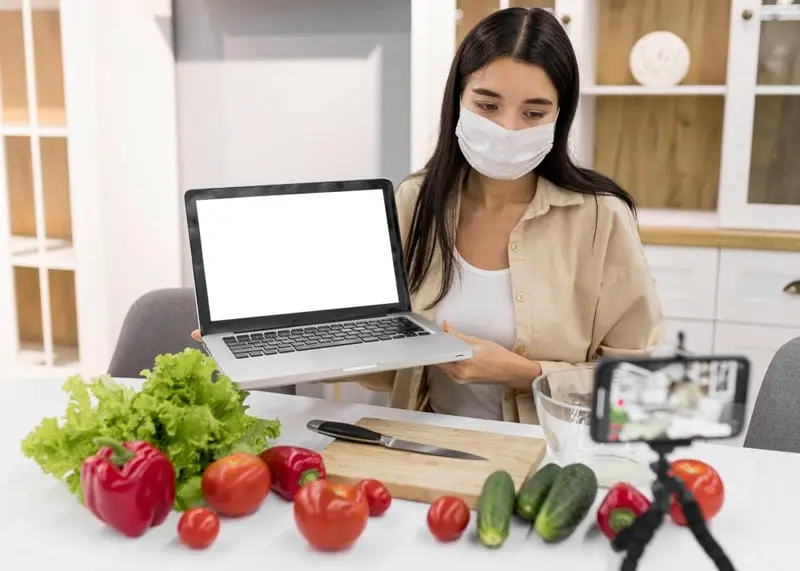
Virtual Cooking Class with a Dietitian: Why It’s a Powerful Corporate Wellness Benefit
Corporate wellness programs in India are undergoing a meaningful transformation. What once revolved primarily around annual health checkups and gym memberships is now shifting toward sustainable lifestyle-based interventions. Among these, the virtual cooking class with a dietitian has emerged as one of the most practical and high-impact wellness initiatives for modern workplaces.
Poor dietary habits are a leading contributor to lifestyle-related conditions such as diabetes, obesity, hypertension, and heart disease. According to the Indian Council of Medical Research (ICMR) and the National Family Health Survey (NFHS-5), a significant proportion of India’s working population consumes excess refined carbohydrates, sugar, and unhealthy fats, while falling short on protein, fibre, and essential micronutrients.
For corporate wellness initiatives to create lasting impact, they must move beyond awareness and actively support behaviour change. Dietitian-led virtual cooking classes address this gap by turning nutritional knowledge into daily practice.
Why Nutrition Is a Critical Corporate Wellness Priority
1. Rising lifestyle disease burden among employees
ICMR data highlights the growing health challenge within India’s workforce:
-
Over 100 million Indians live with diabetes
-
Nearly one in four adults has hypertension
-
Obesity rates are rising even among younger professionals
These conditions directly affect productivity, absenteeism, insurance claims, and long-term healthcare costs.
2. Desk-bound and remote work culture
Sedentary routines, irregular meal timings, and reliance on processed or convenience foods have become common in corporate environments, especially with hybrid and remote work models.
3. Knowledge does not translate into action
Many employees are aware of what constitutes healthy eating but struggle to apply this knowledge in everyday cooking. Virtual cooking classes bridge this gap by offering hands-on, real-world guidance.
What Is a Virtual Cooking Class with a Dietitian?
A virtual cooking class with a dietitian is an interactive online session led by a qualified nutrition professional who:
-
Demonstrates healthy, practical recipes
-
Explains ingredient choices and substitutions
-
Teaches portion control and meal balance
-
Addresses common dietary myths
-
Answers real-time participant questions
Unlike generic cooking shows or wellness webinars, these sessions are evidence-based and aligned with preventive health goals. They are designed specifically for corporate audiences, ensuring simplicity, cultural relevance, and scalability.
Why Virtual Cooking Classes Work Better Than Traditional Nutrition Talks
1. Practical skill-building
Employees learn how to:
-
Plan balanced meals
-
Cook quick, healthy dishes
-
Reduce excess sugar, salt, and oil
-
Read food labels with confidence
Skill-based learning leads to stronger habit formation than passive education.
2. Higher engagement and participation
Interactive cooking sessions are:
-
More engaging than lecture-style talks
-
Suitable for virtual and hybrid teams
-
Inclusive across age groups and roles
Participants actively cook, ask questions, and engage rather than passively listening.
3. Cultural relevance
Dietitians tailor recipes to Indian food habits, regional preferences, and household realities, making healthy eating feel practical and sustainable rather than restrictive.
Key Benefits for Employees
Improved daily nutrition
Employees gain confidence in preparing balanced, nourishing meals at home.
Better energy and focus
Stable blood sugar levels and improved nutrient intake support sustained energy and mental clarity during work hours.
Reduced lifestyle disease risk
WHO and Lancet research confirms that dietary improvements significantly reduce the risk of chronic diseases.
Stress reduction
Cooking itself can be therapeutic, contributing positively to mental wellbeing.
Family-wide impact
Healthy habits learned by employees often influence household food choices, extending benefits beyond the workplace.
Why Employers Benefit from Virtual Cooking Classes
1. Reduced absenteeism
Healthier employees tend to experience fewer illness-related absences.
2. Improved productivity
Better nutrition supports cognitive performance, stamina, and focus.
3. Lower long-term healthcare costs
Preventive nutrition initiatives reduce the burden of chronic disease-related claims.
4. Stronger wellness culture
Interactive and practical programs demonstrate genuine employer commitment to employee wellbeing.
5. High return on investment
Compared to large-scale medical interventions, virtual cooking classes are cost-effective, scalable, and easy to implement.
EY–FICCI corporate wellness reports consistently show that nutrition-focused preventive programs deliver higher engagement and long-term impact.
Topics Commonly Covered in Corporate Cooking Classes
-
Balanced Indian meals
Focus on protein, fibre, and micronutrient adequacy -
Quick workday recipes
Healthy meals prepared in under 30 minutes -
Disease-preventive diets
Heart-healthy, diabetes-friendly, and weight-conscious cooking -
Smart ingredient swaps
Replacing refined grains, excess oil, and added sugar -
Portion control techniques
Understanding serving sizes without calorie obsession -
Reading food labels
Identifying hidden sugar, sodium, and trans fats
How Virtual Cooking Classes Support Preventive Healthcare
Preventive healthcare focuses on addressing risk factors before disease develops, and nutrition plays a central role in this approach.
According to WHO and NITI Aayog:
-
Dietary modification is among the most cost-effective preventive strategies
-
Workplace interventions significantly influence adult eating habits
Virtual cooking classes help:
-
Reinforce preventive screening insights
-
Support chronic disease management
-
Improve adherence to dietitian recommendations
Role of AI-Guided Insights in Corporate Nutrition Programs
Modern wellness programs increasingly use data-driven tools to strengthen impact. AI-enabled health insights can:
-
Identify common nutritional gaps across employee populations
-
Personalise dietary recommendations
-
Support dietitians with evidence-based insights
-
Track long-term wellness outcomes
This ensures cooking sessions are aligned with real employee health needs rather than generic advice.
Why Virtual Delivery Works Best for Corporates
-
Easy scalability across multiple locations
-
No physical infrastructure required
-
Ideal for remote and hybrid teams
-
Flexible scheduling
-
Consistent quality delivery
Virtual formats ensure uniform wellness experiences regardless of employee location.
Long-Term Impact on Corporate Wellness
Organisations that consistently implement nutrition-focused wellness initiatives observe:
-
Higher employee engagement
-
Improved biometric health indicators
-
Reduced burnout
-
Stronger employer branding
Lancet workplace health studies indicate that nutrition-based interventions show measurable benefits within 6–12 months.
Conclusion
A virtual cooking class with a dietitian is more than a wellness activity—it is a powerful preventive health intervention. By equipping employees with practical nutrition skills, these sessions drive meaningful behaviour change, reduce lifestyle disease risk, and support long-term wellbeing. For organisations seeking impactful, scalable, and evidence-based corporate wellness solutions, dietitian-led virtual cooking classes represent a forward-thinking investment in workforce health.
References
-
ICMR – Dietary Patterns and Lifestyle Disease Prevention Reports
-
National Family Health Survey (NFHS-5) – Nutrition and Metabolic Health Data
-
NITI Aayog – Workplace Wellness and Preventive Healthcare Reports
-
WHO – Diet, Nutrition and Chronic Disease Prevention Guidelines
-
Lancet – Workplace Nutrition Interventions and Health Outcomes
-
EY-FICCI – Corporate Wellness and Productivity Studies
-
Statista – Corporate Wellness Program Trends in India
Our Services
Request A Callback
Recent Posts



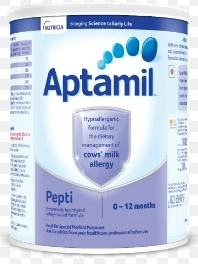
Aptamil Pepti Infant Formula 0 to 12 Months Tin 400gm
Brand: Nutricia International Private Limited
₹2000.00₹1960.00
View Details


Neocate LCP Infant Formula Powder 400GM
Brand: Nutricia International Private Limited
₹3300.00₹3234.00
View Details
Web Stories


Popular Lab Test





Live Doctor consultation
Live Doctor Chat

Fees ₹99
General Physician

Dr. Syed Mukhtar Mohiuddin
MBBS, MD , Fellowship in Diabetes Mellitus (UK)
- 7 Years
- English
Available at 00:00 to 07:00
Fees ₹99
General Physician
Fees ₹99
General Physician
Fees ₹99
General Physician
Fees ₹99
General Physician
Download Our App & Get Consultation from anywhere.