- Published on: Sep 05, 2021
- 3 minute read
- By: Second Medic Wellness Expert
Healthy Living Simple Tips For Vibrant Wellness




Are you tired of feeling lifeless and rundown? Do you want to live a vibrant and fulfilling life? Well, you're in the right place! In this blog, we're going to explore some simple yet effective ways to keep yourself healthy and full of energy. Whether you're looking to improve your diet, include more exercise in your routine, or simply adopt healthier habits, we've got you covered. So, hold a seat, and let's dive into the world of wellness.
Understanding the Basics of Health
Before we delve into the nitty-gritty of healthy living, let's take a moment to understand what it means to be healthy. At its core, being healthy involves nourishing both your body and mind, allowing them to function optimally. It's about finding a balance between nutritious food, regular exercise, adequate rest, and emotional well-being.
The Key Ingredients for a Healthy Lifestyle
Now that we've established the importance of health, let's talk about the key ingredients for maintaining a healthy lifestyle. These include:
-
Healthy Food: Fueling your body with nutritious foods such as fruits, vegetables, lean proteins, and whole grains.
-
Regular Exercise: Incorporating physical activity into your daily routine to strengthen your muscles, improve your cardiovascular health, and boost your mood.
-
Adequate Rest: Ensuring you get enough sleep each night to allow your body to repair and recharge.
-
Stress Management: Finding healthy ways to cope with stress, such as meditation, deep breathing exercises, or spending time in nature.
-
Positive Relationships: Surround yourself with supportive friends and family members who uplift and encourage you.
-
Regular Check-ups: Visiting your healthcare provider for routine check-ups and screenings to detect any potential health issues early on.
Why Should You Prioritize Your Health
You might be wondering, why should I prioritize my health? Well, the benefits of maintaining a healthy diet are numerous and far-reaching. Not only will you feel more energetic and vibrant, but you'll also reduce your risk of chronic diseases such as diabetes, heart disease, and certain cancers. Additionally, you'll enjoy better mental health, improved self-esteem, and a greater overall sense of well-being.
Simple Tips for a Healthier You
Now that you're aware of the importance of prioritizing your health let's discuss some actionable tips to help you achieve your wellness goals:
Healthy Food
-
Start your day with a nutritious breakfast to kickstart your metabolism.
-
Incorporate plenty of fruits and vegetables into your meals for added vitamins and minerals.
-
Limit processed foods, sugary snacks, and unhealthy fats, opting for whole, unprocessed options instead.
Regular Exercise
-
Find activities you enjoy, whether it's walking, swimming, dancing, or cycling, and aim for at least 30 minutes of moderate exercise most days of the week.
-
Break up long periods of sitting by taking short walks or stretching throughout the day.
-
Don't forget to incorporate strength training exercises to build muscle and improve bone density.
Adequate Rest
-
Create a relaxing bedtime routine to signal to your body that it's time to wind down.
-
Aim for 7-9 hours of quality sleep each night, prioritizing consistency in your sleep schedule.
-
Limit screen time before bed, as the blue light emitted from electronic devices can interfere with your body's natural sleep-wake cycle.
Stress Management
-
Practice mindfulness and relaxation techniques such as yoga, meditation, or deep breathing exercises.
-
Engage in activities that bring you joy and help you unwind, whether it's reading, gardening, or listening to music.
-
Don't be afraid to seek support from friends, family, or a mental health professional if you're feeling overwhelmed.
Positive Relationships
Cultivate meaningful connections with others by spending quality time together and nurturing your relationships.
Surround yourself with people who uplift and support you, and don't be afraid to set boundaries with those who drain your energy.
Regular Check-ups
-
Schedule routine check-ups with your healthcare provider to monitor your health and address any concerns.
-
Be proactive about preventive care, such as vaccinations, screenings, and health assessments, to catch any potential issues early on.
Conclusion:
prioritizing your health is one of the best investments you can make in yourself. By adopting simple yet effective lifestyle changes, such as eating nutritious foods, staying active, getting enough rest, managing stress, nurturing positive relationships, and seeking regular medical care, you can enjoy a vibrant and fulfilling life. So, why wait? Start implementing these tips today and take control of your health and well-being.
Read FAQs
A. A healthy lifestyle involves maintaining a balanced diet with fruits, veggies, and whole grains, regular exercise, sufficient sleep, stress management, and positive relationships. Hydration, limiting alcohol and processed foods, good hygiene, and seeking medical advice when needed are also crucial.
A. Staying healthy encompasses various habits, including a diverse diet, lean proteins, a mix of exercises, quality sleep, portion control, hydration, and stress reduction. Choosing whole foods, stretching breaks, fostering positive thinking, setting achievable goals, and social connections contribute to overall well-being.
A. For a healthy lifestyle, focus on a colorful diet, regular exercise, hydration, quality sleep, and stress management. These fundamental tips can significantly impact your physical and mental well-being.


Role of Nutrition in Disease Prevention: How Food Choices Shape Long-Term Health
Disease prevention is no longer limited to vaccinations and medical screenings. Modern healthcare increasingly recognises nutrition as one of the most powerful tools for preventing illness before it begins. The role of nutrition in disease prevention is especially important in India, where lifestyle-related diseases account for a large share of premature illness and mortality.
According to the Indian Council of Medical Research (ICMR) and the National Family Health Survey (NFHS-5), poor dietary patterns contribute significantly to rising cases of diabetes, heart disease, obesity and hypertension. Unlike genetic factors, nutrition is a modifiable risk factor, meaning everyday food choices can actively protect health.
Why Nutrition Is Central to Disease Prevention
1. Nutrition regulates metabolic health
Balanced diets help maintain:
-
healthy blood sugar levels
-
optimal cholesterol balance
-
stable blood pressure
Disruption in these systems increases disease risk.
2. Nutrition strengthens immunity
WHO highlights that immune function depends heavily on adequate intake of vitamins, minerals and protein.
3. Nutrition controls inflammation
Chronic low-grade inflammation is linked to most lifestyle diseases. Diets rich in whole foods reduce inflammatory markers.
Major Diseases Influenced by Nutrition
Diabetes and Prediabetes
Excess refined carbohydrates and sugar drive insulin resistance.
Preventive nutrition focuses on:
-
whole grains
-
fibre-rich vegetables
-
adequate protein
-
controlled portion sizes
ICMR data shows that dietary modification can delay or prevent type 2 diabetes in high-risk individuals.
Cardiovascular Disease
Heart disease remains a leading cause of death in India.
Nutrition impacts:
-
cholesterol levels
-
blood pressure
-
arterial inflammation
Diets low in trans fats and high in fibre significantly reduce cardiovascular risk, as confirmed by WHO and Lancet studies.
Obesity
Obesity increases the risk of multiple chronic diseases.
Preventive nutrition addresses:
-
calorie density
-
food quality
-
satiety regulation
NFHS-5 reports a steady rise in overweight and obesity across age groups.
Hypertension
High sodium intake and low potassium intake contribute to high blood pressure.
Preventive dietary strategies include:
-
reducing processed foods
-
increasing fruits and vegetables
-
maintaining mineral balance
Certain Cancers
Diet influences cancer risk through:
-
antioxidant intake
-
fibre consumption
-
reduced exposure to carcinogenic compounds
WHO estimates that a significant percentage of cancers are preventable through diet and lifestyle changes.
Key Nutrients That Support Disease Prevention
Fibre
Supports gut health, blood sugar control and cholesterol reduction.
Protein
Essential for muscle health, immune function and metabolic balance.
Healthy Fats
Omega-3 fats reduce inflammation and protect heart health.
Micronutrients
Iron, zinc, vitamin D and B vitamins are essential for metabolic and immune regulation.
NFHS-5 highlights widespread micronutrient deficiencies in India, increasing disease vulnerability.
Role of Gut Health in Prevention
The gut microbiome plays a major role in:
-
immune regulation
-
inflammation control
-
nutrient absorption
Fermented foods and fibre-rich diets support healthy gut bacteria, strengthening disease resistance.
Why Preventive Nutrition Works Best Early
Nutrition is most effective when applied:
-
before disease onset
-
during pre-disease stages
-
alongside regular health screening
Once disease progresses, nutrition remains supportive but may not reverse damage fully.
Nutrition vs Medication in Prevention
Medication treats disease; nutrition reduces risk.
WHO and NITI Aayog emphasize that:
-
preventive nutrition reduces disease incidence
-
lifestyle modification lowers healthcare burden
-
early nutrition changes reduce dependency on long-term medication
Both approaches work best when combined appropriately.
Workplace and Community Role in Preventive Nutrition
Structured nutrition programs at workplaces and communities:
-
improve awareness
-
support behaviour change
-
reduce population-level disease burden
Lancet studies show that group-based nutrition interventions improve long-term adherence.
Common Myths About Nutrition and Disease Prevention
Myth 1: Supplements replace healthy food
Whole foods provide better long-term protection.
Myth 2: Prevention requires extreme diets
Consistency matters more than restriction.
Myth 3: Nutrition only matters after diagnosis
Early nutrition is most effective before disease develops.
Building a Preventive Nutrition Routine
Effective preventive nutrition includes:
-
regular meals
-
diverse food groups
-
portion awareness
-
minimal processed foods
-
hydration
Small daily choices compound into long-term health benefits.
Long-Term Impact of Preventive Nutrition
Consistent healthy eating leads to:
-
reduced disease risk
-
improved energy and productivity
-
better immune resilience
-
lower healthcare costs
-
improved quality of life
NITI Aayog identifies nutrition as a cornerstone of sustainable healthcare systems.
Conclusion
Understanding the role of nutrition in disease prevention empowers individuals to take control of their health long before illness develops. Balanced, consistent nutrition reduces inflammation, supports immunity and protects against chronic diseases that burden India’s healthcare system. Preventive nutrition is not about short-term fixes but about building lifelong habits that support health, resilience and longevity.
References
-
ICMR – Nutrition and Lifestyle Disease Prevention Reports
-
National Family Health Survey (NFHS-5) – Dietary and Metabolic Health Data
-
NITI Aayog – Preventive Healthcare and Nutrition Strategy Reports
-
WHO – Diet, Nutrition and Chronic Disease Prevention Guidelines
-
Lancet – Nutrition and Disease Risk Reduction Studies
-
Statista – Dietary Trends and Health Outcomes India
-
EY-FICCI – Preventive Healthcare and Nutrition Economics
Our Services
Request A Callback
Recent Posts



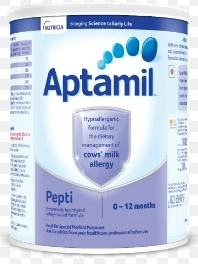
Aptamil Pepti Infant Formula 0 to 12 Months Tin 400gm
Brand: Nutricia International Private Limited
₹2000.00₹1960.00
View Details


Neocate LCP Infant Formula Powder 400GM
Brand: Nutricia International Private Limited
₹3300.00₹3234.00
View Details
Web Stories


Popular Lab Test






Live Doctor consultation
Live Doctor Chat

Fees ₹99
General Physician

Dr. Syed Mukhtar Mohiuddin
MBBS, MD , Fellowship in Diabetes Mellitus (UK)
- 7 Years
- English
Available at 00:00 to 07:00
Fees ₹99
General Physician
Fees ₹99
General Physician
Fees ₹99
General Physician
Fees ₹99
General Physician
Download Our App & Get Consultation from anywhere.