
• Published on: Nov 06, 2025
  • 2 minute read
  • By: Secondmedic Expert

Remote Healthcare Services India: How SecondMedic Is Bridging The Gap Between Technology And Compassionate Care

  • WhatsApp share link icon
  • copy & share link icon
  • twitter share link icon
  • facebook share link icon

Remote Healthcare Services India: Empowering Patients Through Digital Innovation

India’s healthcare landscape is undergoing a major transformation. With the rise of digital health platforms and government-led initiatives, remote healthcare services are redefining how Indians receive medical care.

At the forefront of this change is SecondMedic, providing a seamless combination of online consultations, AI-driven diagnostics, and continuous health monitoring - all from the comfort of home.

The Growing Need for Remote Healthcare in India

India’s population exceeds 1.4 billion, yet access to quality healthcare remains uneven. Rural and semi-urban areas face a shortage of specialists, while urban hospitals are overcrowded.

Remote healthcare services fill this gap. According to NITI Aayog’s 2023 Telehealth Report, remote care has reduced hospital congestion by up to 40%, while improving accessibility for millions of patients in underserved areas.

As the Ayushman Bharat Digital Mission (ABDM) expands nationwide, the integration of telemedicine, e-prescriptions, and AI analytics is driving healthcare equity like never before.

SecondMedic’s Remote Healthcare Ecosystem

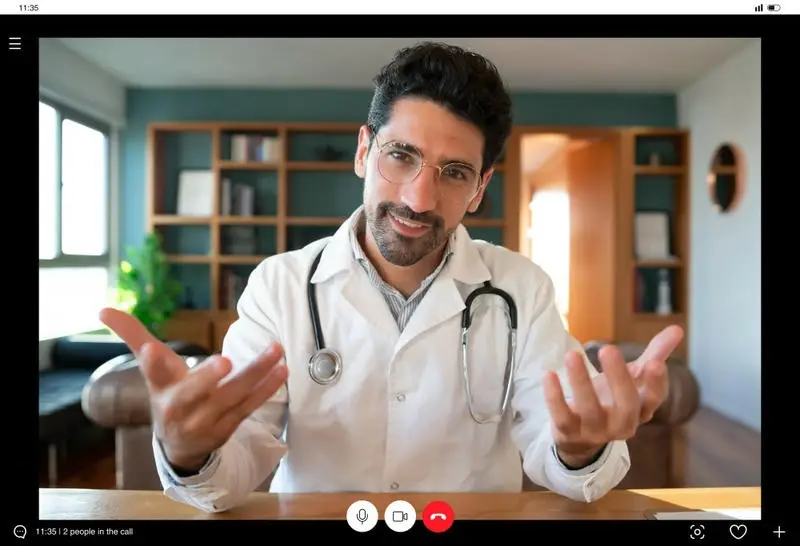
SecondMedic offers more than a teleconsultation app - it’s a complete remote health ecosystem designed for personalized and preventive care.

Patients can:

  • Consult doctors virtually through video or chat.

  • Book home diagnostics with certified partners.

  • Access AI-based health reports for personalized wellness insights.

  • Receive remote monitoring for chronic conditions.

  • Get digital prescriptions instantly and securely.
     

This connected ecosystem ensures that every step of your healthcare journey - from diagnosis to recovery - happens seamlessly online.

The Role of AI and Predictive Analytics

Artificial Intelligence plays a critical role in the remote healthcare revolution.
SecondMedic’s platform uses AI to analyze medical records, test results, and health patterns to predict risks before they become critical.

For instance, an early warning from AI about abnormal heart rate trends or blood sugar levels can help patients take timely action.

As per IMARC Group (2024), India’s AI healthcare market is expected to grow at a 22?GR, reaching USD 1.5 billion by 2028, with remote health applications leading the surge.

Key Benefits of Remote Healthcare Services

  1. Accessibility: Eliminates distance barriers for rural and remote populations.

  2. Affordability: Cuts healthcare costs by up to 50% (IBEF, 2024).

  3. Convenience: Get medical help from home - anytime, anywhere.

  4. Continuity of Care: Regular monitoring for chronic diseases like diabetes and hypertension.

  5. Prevention-Focused: AI alerts and health tracking enable early intervention.
     

Impact on Rural and Semi-Urban India

Nearly 65% of India’s population resides in rural areas with limited access to specialists. Through SecondMedic’s remote healthcare platform, patients can consult city-based experts without traveling long distances.

Digital diagnostics and teleconsultations also reduce dependency on local, often unregulated, medical setups - improving quality and reliability.

Data Security and Compliance

SecondMedic follows HIPAA and ABDM data privacy protocols to ensure complete patient confidentiality. Every health record is securely stored and encrypted, allowing patients to manage their data with confidence.

With ABHA-linked profiles, users can maintain unified health records accessible to authorized doctors nationwide - making healthcare more transparent and connected.

The Future of Remote Healthcare in India

According to FICCI-EY’s 2024 report, digital and remote healthcare will account for over 20% of India’s total healthcare services by 2030.

Emerging technologies like wearable devices, Internet of Medical Things (IoMT), and 5G connectivity will further boost telehealth efficiency and reach.

SecondMedic aims to make remote healthcare not just an option but the norm - transforming reactive healthcare into proactive, preventive wellness.

Conclusion

The future of healthcare is remote, digital, and patient-first.
SecondMedic’s remote healthcare services bring together expert doctors, AI tools, and digital diagnostics to ensure that every Indian has access to timely, affordable, and quality healthcare.

Distance should never decide the quality of your health.
Experience remote healthcare at www.secondmedic.com

References

  1. NITI Aayog – “Telemedicine: Transforming India’s Healthcare” (2023)

  2. IBEF – “Healthcare Industry Report 2024”

  3. IMARC Group – “AI in Indian Healthcare Market 2024–2028”

  4. FICCI-EY – “Digital Health Ecosystem Report 2024”

  5. ABDM – “Ayushman Bharat Digital Mission” – https://abdm.gov.in
Read FAQs


A. Remote healthcare services allow patients to access medical consultations, monitoring, and diagnostics digitally, without visiting a hospital physically.

A. SecondMedic provides online consultations, home sample collection, digital prescriptions, and AI-powered health tracking through its secure telehealth platform.

A. Yes. According to NITI Aayog’s 2023 Digital Health Report, telehealth services in India improved accessibility by 65% and reduced hospital visits by 40%.

A. Working professionals, rural populations, senior citizens, and patients with chronic diseases can all benefit from remote healthcare solutions.

A. It combines teleconsultation, diagnostics, and AI analytics under one system - offering continuous, preventive, and personalized care.

Read Blog
How Cold Weather Affects Health: Understanding Winter’s Impact on the Body

How Cold Weather Affects Health: Understanding Winter’s Impact on the Body

Seasonal changes influence human health more than most people realise. Cold weather, in particular, places unique stress on the body and can worsen existing health conditions while increasing susceptibility to new illnesses. Understanding how cold weather affects health is essential for preventing seasonal complications and maintaining wellbeing during winter months.

In India, winter-related health issues vary by region but commonly include respiratory infections, cardiovascular strain and joint discomfort. According to the Indian Council of Medical Research (ICMR) and World Health Organization (WHO), cold exposure is associated with increased morbidity, especially among older adults and people with chronic conditions.


Why Cold Weather Impacts the Body

The human body works constantly to maintain core temperature. In cold environments:

  • blood vessels constrict to conserve heat
     

  • energy expenditure increases
     

  • immune responses may weaken
     

  • organs work harder to maintain balance
     

These adaptations, while protective, also create health vulnerabilities.


Increased Risk of Infections

Weakened Immune Response

Cold weather can suppress immune function, making it harder for the body to fight infections.

Factors contributing to winter infections include:

  • reduced vitamin D due to less sunlight
     

  • dry air affecting mucosal defenses
     

  • closer indoor contact
     

Common winter infections include colds, flu and respiratory illnesses.


Respiratory Health Problems

Cold air irritates the respiratory tract.

This can lead to:

  • worsening asthma symptoms
     

  • bronchitis flare-ups
     

  • increased cough and breathlessness
     

WHO reports higher hospital admissions for respiratory illnesses during colder months.


Impact on Heart Health

Cold temperatures affect cardiovascular function.

Blood Vessel Constriction

Cold causes blood vessels to narrow, increasing:

  • blood pressure
     

  • heart workload
     

This raises the risk of:

  • heart attacks
     

  • strokes
     

People with existing heart disease are particularly vulnerable.


Joint and Muscle Pain

Cold weather affects musculoskeletal health.

Common complaints include:

  • joint stiffness
     

  • muscle aches
     

  • worsening arthritis pain
     

Lower temperatures reduce joint lubrication and increase sensitivity to pain.


Metabolic and Weight Changes

Winter often leads to:

  • reduced physical activity
     

  • increased calorie intake
     

  • metabolic slowdown
     

These changes contribute to weight gain and worsen metabolic conditions such as diabetes.


Skin and Hydration Issues

Cold air holds less moisture.

This leads to:

  • dry skin
     

  • cracked lips
     

  • worsening eczema
     

Dehydration is also common as thirst perception reduces in cold weather.


Mental Health Effects

Seasonal changes can influence mental wellbeing.

Cold weather is associated with:

  • low mood
     

  • reduced motivation
     

  • seasonal affective symptoms
     

Limited sunlight affects circadian rhythm and serotonin levels.


Cold Weather and Older Adults

Elderly individuals face higher risks due to:

  • reduced temperature regulation
     

  • weaker immunity
     

  • existing chronic conditions
     

Winter-related complications are a significant cause of hospitalisation in older populations.


Why Chronic Diseases Worsen in Winter

Conditions such as:

  • hypertension
     

  • arthritis
     

  • asthma
     

  • diabetes
     

often worsen due to reduced activity, stress on organs and infection risk.


Preventive Strategies for Winter Health

Maintain Body Warmth

Layered clothing and warm environments reduce cold stress.


Support Immunity

Adequate nutrition, vitamin intake and sleep strengthen immune defences.


Stay Physically Active

Indoor exercises and regular movement prevent stiffness and metabolic decline.


Manage Chronic Conditions

Regular monitoring and medication adherence are critical during winter.


Hydration and Skin Care

Drinking fluids and using moisturisers prevent dehydration and skin damage.


Role of Preventive Healthcare

Preventive healthcare helps:

  • identify seasonal risk factors
     

  • adjust treatment plans
     

  • prevent winter complications
     

NITI Aayog highlights seasonal preparedness as an important public health strategy.

When to Seek Medical Help

Medical attention is necessary if:

  • infections persist or worsen
     

  • chest pain or breathlessness occurs
     

  • joint pain limits mobility
     

  • mental health symptoms interfere with daily life
     

Early care prevents serious outcomes.


Long-Term Impact of Ignoring Winter Health Risks

Ignoring cold weather effects may lead to:

  • severe infections
     

  • cardiovascular events
     

  • chronic pain progression
     

  • reduced quality of life
     

Seasonal awareness plays a critical role in long-term health.


Conclusion

Understanding how cold weather affects health allows individuals to take timely preventive measures. Winter increases the risk of infections, heart strain, respiratory problems, joint pain and mental health challenges. With proper warmth, nutrition, activity and preventive healthcare, most cold-related health issues are manageable and preventable. Seasonal care is not optional—it is essential for protecting health and wellbeing throughout the colder months.


References

  • ICMR – Seasonal Health and Infectious Disease Reports

  • National Family Health Survey (NFHS-5) – Seasonal Morbidity Data

  • NITI Aayog – Preventive Healthcare and Seasonal Preparedness Strategy

  • WHO – Cold Weather and Health Impact Guideline

  •  Lancet – Seasonal Variation in Cardiovascular and Respiratory Diseases

  • Statista – Winter Health Trends and Illness Data

  • Indian Journal of Public Health – Climate and Health Studies

See all

Live Doctor consultation
Live Doctor Chat

Download Our App & Get Consultation from anywhere.

App Download
call icon for mobile number calling and whatsapp at secondmedic