• Published on: Feb 18, 2026
  • 3 minute read
  • By: Secondmedic Expert

How Wearable Devices Improve Health Monitoring In Everyday Life

  • WhatsApp share link icon
  • copy & share link icon
  • twitter share link icon
  • facebook share link icon

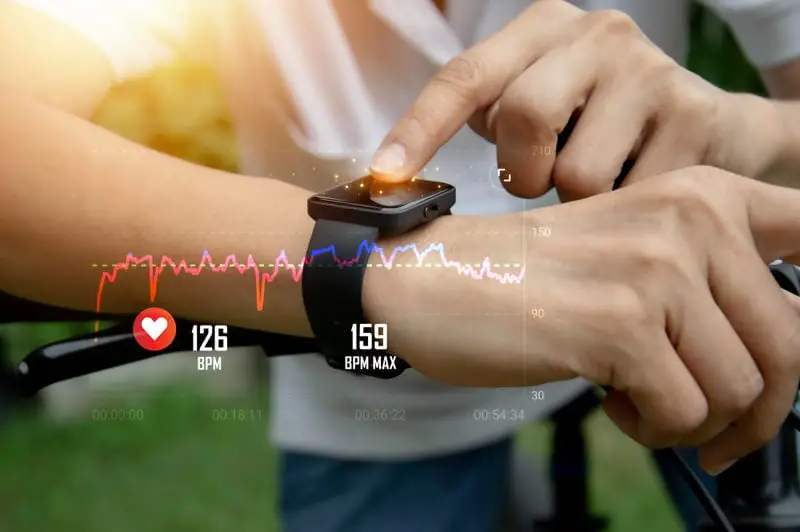
Digital health technology is transforming the way people monitor and manage their wellbeing. Among the most impactful innovations are wearable health devices. Understanding how wearable devices improve health monitoring reveals how real-time data, early alerts and continuous tracking support preventive healthcare.

In India, smartphone adoption and digital connectivity have increased significantly. According to NITI Aayog and industry reports, digital health tools are rapidly integrating into preventive healthcare systems. Wearable devices are at the forefront of this transformation.

What Are Wearable Health Devices?

Wearable devices include:

  • fitness trackers

  • smartwatches

  • continuous glucose monitors

  • smart rings

  • heart rhythm monitors

These devices collect physiological data through embedded sensors.

Key Health Metrics Monitored

1. Heart Rate Monitoring

Wearables track:

  • resting heart rate

  • heart rate variability

  • abnormal rhythm patterns

Irregular heart rhythm alerts can prompt early medical consultation.

Cardiovascular diseases remain a leading cause of mortality in India, according to ICMR reports.

2. Sleep Tracking

Devices monitor:

  • sleep duration

  • sleep stages

  • interruptions

Poor sleep quality is linked to obesity, diabetes and mental health disorders.

3. Physical Activity

Step count, calorie burn and movement tracking encourage:

  • regular exercise

  • reduced sedentary time

  • improved metabolic health

WHO recommends at least 150 minutes of moderate physical activity weekly.

4. Blood Oxygen Monitoring

Pulse oximetry sensors measure oxygen saturation levels, useful in respiratory monitoring.

5. Blood Glucose Monitoring

Continuous glucose monitors provide real-time blood sugar data for individuals with diabetes.

NFHS-5 data highlights rising diabetes prevalence, making such tools valuable.

Benefits of Wearable Health Monitoring

Real-Time Feedback

Users can immediately observe health changes and adjust behaviour.

Early Risk Detection

Abnormal readings prompt early consultation, reducing complications.

Encouragement of Healthy Habits

Daily step goals and reminders motivate consistent movement.

Improved Chronic Disease Management

Patients with:

  • diabetes

  • hypertension

  • heart conditions

benefit from continuous tracking.

Supporting Preventive Healthcare

Preventive healthcare relies on:

  • early detection

  • lifestyle monitoring

  • regular screening

Wearables complement traditional medical checkups by filling gaps between visits.

Integration with Digital Health Platforms

Wearable data can sync with:

  • telemedicine services

  • digital medical records

  • health apps

This allows doctors to review trends remotely.

Accuracy and Limitations

Wearables provide trend-based data but are not replacements for clinical tests.

Users should:

  • consult doctors for abnormal readings

  • avoid self-diagnosis

  • use devices as supplementary tools

Professional evaluation remains essential.

Mental Health Monitoring

Some wearables track:

  • stress levels

  • breathing patterns

  • heart rate variability

Stress monitoring supports early mental health intervention.

Corporate Wellness and Wearables

Many organisations encourage employees to use wearables to:

  • track activity

  • participate in wellness challenges

  • monitor health metrics

This promotes preventive culture.

Role in Ageing Population

Older adults benefit from:

  • fall detection features

  • heart rhythm alerts

  • medication reminders

Wearables enhance safety and independence.

Data-Driven Health Decisions

Continuous data collection allows:

  • pattern recognition

  • early symptom detection

  • lifestyle adjustment

Health becomes measurable.

Privacy and Data Security

Users should:

  • choose trusted brands

  • understand data policies

  • protect personal health information

Security is vital in digital health.

Long-Term Health Impact

Consistent wearable use encourages:

  • regular movement

  • improved sleep hygiene

  • better diet awareness

These behaviours reduce chronic disease risk.

Future of Wearable Health Technology in India

With expanding digital health infrastructure, wearable devices will likely integrate with:

  • AI-driven health analysis

  • remote consultations

  • preventive screening programs

Technology enhances accessibility.

Conclusion

Understanding how wearable devices improve health monitoring highlights their role in preventive healthcare. By tracking heart rate, sleep, activity and other vital signs in real time, wearables empower individuals to take proactive control of their health. While they do not replace medical diagnosis, they serve as powerful tools for early detection, lifestyle improvement and chronic disease management. As digital health adoption grows in India, wearable technology will continue to play a crucial role in building healthier communities.

References

  • World Health Organization (WHO) – Digital Health and Physical Activity Guidelines
  • Indian Council of Medical Research (ICMR) – Cardiovascular and Diabetes Reports
  • National Family Health Survey (NFHS-5) – Diabetes and Hypertension Data
  • NITI Aayog – Digital Health Strategy Reports
  • Lancet – Digital Health and Wearable Technology Research

Read FAQs


A. They are smart gadgets like fitness trackers and smartwatches that monitor health metrics.

A. Some devices can detect irregular heart rhythms and alert users.

A. Yes, continuous glucose monitors track blood sugar levels.

Read Blog
Air pollution

Impact of Air Pollution on Human Health: Risks, Effects and Prevention

Air pollution has become one of the most serious public health challenges worldwide. In India, rapid urbanisation, vehicle emissions, industrial activity and seasonal factors contribute to high pollution levels, especially in metropolitan cities. Understanding the impact of air pollution on human health is essential because exposure to polluted air significantly increases the risk of chronic illness and premature death.

According to the World Health Organization, air pollution is responsible for millions of premature deaths globally each year. Studies published in The Lancet highlight India as one of the countries most affected by air quality-related health burdens.


What Is Air Pollution?

Air pollution occurs when harmful substances such as:

  • particulate matter (PM2.5 and PM10)

  • nitrogen dioxide

  • sulfur dioxide

  • ozone

  • carbon monoxide

accumulate in the atmosphere at unsafe levels.

Among these, PM2.5 particles are particularly dangerous because they are small enough to penetrate deep into the lungs and bloodstream.


Respiratory Health Effects

The most immediate and visible impact of air pollution is on the lungs.

Short-Term Effects

  • coughing

  • throat irritation

  • wheezing

  • shortness of breath

Long-Term Effects

  • chronic bronchitis

  • asthma worsening

  • reduced lung capacity

  • chronic obstructive pulmonary disease (COPD)

Children and elderly individuals are especially vulnerable.


Impact on Heart Health

Air pollution does not only affect the lungs. Fine particles enter the bloodstream and trigger inflammation.

Long-term exposure increases risk of:

  • hypertension

  • heart attack

  • stroke

  • atherosclerosis

ICMR reports show cardiovascular diseases remain a leading cause of mortality in India, with pollution being a significant contributing factor.


Impact on Immune System

Constant exposure to polluted air weakens the immune response.

This leads to:

  • frequent respiratory infections

  • slower recovery from illness

  • increased susceptibility to viral diseases

Pollution also increases systemic inflammation.


Effect on Children’s Health

Children are particularly vulnerable because:

  • their lungs are still developing

  • they breathe more air relative to body weight

  • they spend time outdoors

Long-term exposure may reduce lung growth and increase asthma risk.


Impact on Pregnant Women and Infants

Research published in Lancet indicates that high pollution exposure during pregnancy increases risk of:

  • low birth weight

  • premature birth

  • developmental complications

Protecting pregnant women from pollution exposure is critical.


Air Pollution and Cancer Risk

Prolonged exposure to air pollution increases the risk of lung cancer.

WHO classifies outdoor air pollution as a carcinogen.


Mental Health and Cognitive Impact

Emerging research suggests pollution may contribute to:

  • cognitive decline

  • mood disorders

  • reduced concentration

Clean air supports brain health.


Seasonal Pollution in India

During winter months, many cities experience severe smog due to:

  • crop burning

  • temperature inversion

  • increased emissions

Monitoring Air Quality Index (AQI) helps individuals take precautions.


Signs of Pollution-Related Health Impact

  • persistent cough

  • chest tightness

  • eye irritation

  • unusual fatigue

  • worsening asthma

Individuals experiencing these symptoms should consult healthcare providers.


Preventive Measures to Reduce Exposure

Monitor AQI

Avoid outdoor activities during high pollution days.


Use Protective Masks

N95 masks filter fine particles effectively.


Indoor Air Quality

Use air purifiers and keep windows closed during peak pollution.


Avoid High-Traffic Areas

Limit time near busy roads.


Maintain Healthy Lifestyle

Strong immunity helps reduce pollution-related health risks.


Role of Preventive Healthcare

Regular screening for:

  • lung function

  • blood pressure

  • heart health

helps detect early damage caused by pollution.

Urban populations should prioritise routine health checkups.


Long-Term Public Health Impact

Air pollution contributes significantly to:

  • healthcare burden

  • productivity loss

  • economic strain

Preventive awareness and environmental policies are essential.


Conclusion

The impact of air pollution on human health is profound and far-reaching. From respiratory disorders and heart disease to immune suppression and increased cancer risk, polluted air affects nearly every organ system. In India’s urban environment, proactive measures such as monitoring AQI, using protective masks and maintaining regular health screenings are crucial. Protecting oneself from air pollution is not just about comfort—it is a vital step in preserving long-term health and preventing chronic disease.


References

  • World Health Organization (WHO) – Air Pollution and Health Reports
  • Indian Council of Medical Research (ICMR) – Environmental Health Studies
  • National Family Health Survey (NFHS-5) – Respiratory and Cardiovascular Data
  • NITI Aayog – Environmental and Preventive Health Strategy Reports
  • Lancet – Global Burden of Disease and Air Pollution Research

See all

Live Doctor consultation
Live Doctor Chat

Download Our App & Get Consultation from anywhere.

App Download
call icon for mobile number calling and whatsapp at secondmedic