• Published on: Dec 11, 2025
  • 3 minute read
  • By: Secondmedic Expert

Online Second Medical Opinion In India: Accessible, Accurate And Essential For Better Health Decisions

  • WhatsApp share link icon
  • copy & share link icon
  • twitter share link icon
  • facebook share link icon

Medical decisions today often involve complexities beyond the understanding of the average patient. Chronic diseases, ambiguous symptoms, unclear test results and multiple treatment options can leave individuals feeling uncertain. The rise of online second medical opinions in India has transformed the way people seek reassurance, accuracy and expert guidance.

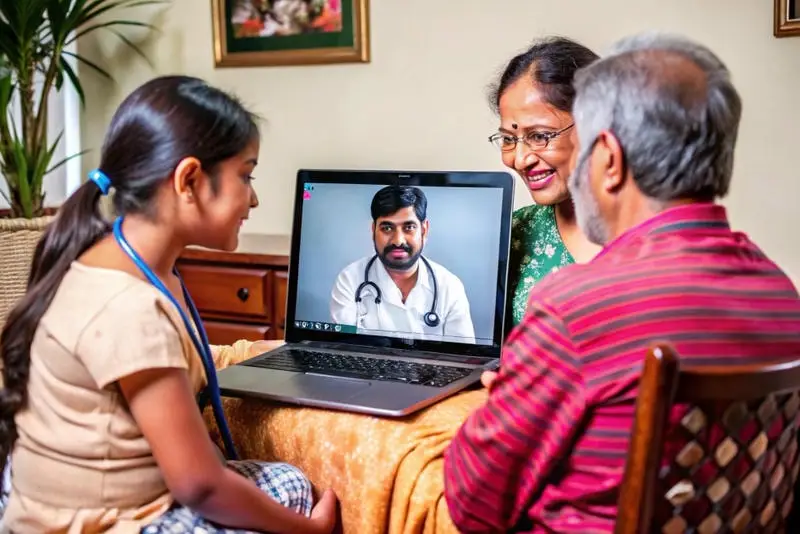
SecondMedic enables patients across India-from major metros to remote districts-to receive a specialist-reviewed second opinion without the need for travel or long hospital queues.

Why Online Second Opinions Are Growing in India

1. Increased availability of digital healthcare

With telemedicine expanding rapidly, patients can now consult specialists from across the country without geographical limitations.

2. Overburdened health system

India’s doctor-to-patient ratio makes in-person consults rushed.
Online second opinions provide deeper, more deliberate evaluation.

3. Rising chronic disease burden

ICMR and NFHS-5 report escalating rates of:

  • Diabetes

  • Heart disease

  • Cancer

  • Kidney disorders

  • Neurological conditions
     

These conditions require precise diagnosis and carefully selected treatments.

4. Convenience and affordability

Patients avoid travel costs, long waiting times and repeated hospital visits.

5. Improved access to specialists

Online platforms bridge the gap for smaller cities and rural areas, where specialist availability is limited.

What an Online Second Opinion Includes

A meaningful second opinion is not just a quick review-it is a multi-layered medical assessment. Specialists evaluate:

• Full medical history

Past illnesses, medications, family history and risk factors.

• Symptoms and patterns

Frequency, severity, duration and triggers.

• Diagnostic imaging

MRI, CT scans, X-rays, ultrasound and PET/CT images.

• Laboratory tests

Thyroid levels, blood sugar, lipid panels, inflammation markers.

• Treatment plan

Medications, dietary suggestions, physical therapy or proposed procedures.

• Risk assessment

Identifying potential complications or overlooked red flags.

• Alternative treatment pathways

Doctors may suggest safer or more effective options based on clinical evidence.

When Patients Should Seek an Online Second Opinion

1. Before major procedures

Surgeries involving the heart, spine, joints or abdomen need confirmation.

2. When diagnosis feels unclear

Ambiguous symptoms often require deeper investigation.

3. When symptoms persist despite treatment

A second review may uncover issues the first doctor missed.

4. When multiple treatment options exist

Cancer, arthritis, neurological issues and hormonal disorders often have varied pathways.

5. For chronic disease management

Diabetes, hypertension and thyroid problems respond differently to personalised care.

Benefits of Online Second Medical Opinions

1. Accuracy and safety

Clinical errors reduce significantly when information is cross-verified by experts.

2. Faster access to specialists

Patients avoid long waiting periods for specialist appointments.

3. Avoiding unnecessary procedures

Second opinions help prevent avoidable surgeries and excessive medications.

4. Personalised guidance

Specialists tailor recommendations to lifestyle, habits and medical needs.

5. Psychological reassurance

Knowing that multiple experts support the chosen treatment builds confidence.

How SecondMedic Delivers Online Second Opinions

SecondMedic combines clinical expertise with digital tools to ensure a seamless, reliable process.

Step 1: Upload medical records

Patients share reports, scans, medical notes and symptoms.

Step 2: Expert review

Senior specialists evaluate all information thoroughly.

Step 3: AI Health Guide insights

AI highlights pattern-based risks, missing links and clinical correlations.

Step 4: Personalised recommendations

Doctors provide a structured explanation:

  • diagnosis

  • severity

  • treatment options

  • lifestyle guidance
     

Step 5: Follow-up support

Patients may receive monitoring tools, preventive tips and ongoing reviews.

How AI Health Guide Enhances the Second Opinion Process

• Identifies abnormalities in reports

AI detects subtle variations in blood tests and imaging patterns.

• Risk stratification

Highlights early signs of complications.

• Symptom trend analysis

Helps understand hidden patterns that may refine diagnosis.

• Clinical decision support

Ensures doctors have structured, data-driven insights.

This hybrid model (AI + specialist expertise) sets a new standard for digital second opinions in India.

Common Conditions Reviewed Through Online Opinions

Neurological

Migraines, epilepsy, neuropathy, spine issues.

Cardiac

ECG abnormalities, chest discomfort, blood pressure issues.

Endocrine

Thyroid disorders, PCOS, metabolic conditions.

Orthopaedic

Joint pain, fractures, arthritis.

Gastrointestinal

IBS, acidity, liver disorders, gallbladder issues.

Cancer

Diagnosis, staging and treatment planning second opinions.

Conclusion

Online second medical opinions in India are not just a convenience but a critical tool for improving healthcare accuracy and patient empowerment. They help individuals verify diagnoses, avoid unnecessary procedures, understand treatment choices and gain confidence in their medical journey.

With the support of experts and AI-driven insights, SecondMedic ensures that every patient receives reliable, accessible and personalised guidance-anytime, anywhere.

References

• ICMR - Telemedicine & Clinical Outcome Studies
• National Family Health Survey (NFHS-5) - Chronic Disease Indicators
• NITI Aayog - Digital Health Ecosystem Report
• WHO - Remote Consultation & Patient Safety Guidelines
• Lancet Digital Health - Online Consultation Effectiveness Analysis
• Statista India - Growth of Online Medical Consultations
• EY-FICCI - Digital Health Adoption & Patient Trust Report


Read FAQs


A. It is a digital expert review of your diagnosis, reports and treatment plan to ensure accuracy and clarity.

A. Yes. Specialists can accurately interpret digital scans, test results and clinical history

A. Anyone with chronic illness, unclear diagnosis, major treatment decisions or conflicting medical advice.

A. Reports, scans, prescriptions and a brief summary of symptoms.

A. Through expert doctors, secure report uploads, AI-supported evaluation and personalised guidance.

Read Blog
Monkeypox

Monkeypox Virus Symptoms: Early Signs, Disease Progression, and When to Seek Care

Monkeypox, now commonly referred to as mpox, is a viral infection that has gained global attention due to outbreaks beyond traditionally affected regions. Understanding monkeypox virus symptoms is essential for early detection, timely isolation and prevention of further spread.

According to the World Health Organization and Indian public health authorities, awareness of symptom patterns plays a critical role in controlling outbreaks and protecting vulnerable populations.

What Is the Monkeypox Virus?

Monkeypox is caused by the monkeypox virus, a member of the Orthopoxvirus family, which also includes smallpox. While generally less severe than smallpox, monkeypox can still cause significant illness and discomfort.

The virus spreads primarily through close physical contact.


Incubation Period of Monkeypox

After exposure, symptoms typically appear within:

  • 5 to 21 days

  • most commonly 6 to 13 days

Individuals may feel well during this period but can become infectious once symptoms begin.


Early Monkeypox Virus Symptoms

Fever

Fever is usually the first symptom and may be:

  • sudden in onset

  • moderate to high grade

  • accompanied by chills

Fever signals the start of systemic infection.


Headache and Body Aches

Patients often experience:

  • severe headache

  • muscle aches

  • back pain

These symptoms resemble many viral illnesses.


Fatigue and Weakness

Marked tiredness and low energy levels are common and may limit daily activities.


Swollen Lymph Nodes

Swollen lymph nodes are a distinguishing feature of monkeypox.

Common sites include:

  • neck

  • armpits

  • groin

This helps differentiate monkeypox from chickenpox or smallpox.

Development of Monkeypox Rash

The skin rash usually appears:

  • 1 to 3 days after fever onset

It may begin on the face or genital area and spread to other parts of the body.


Stages of Monkeypox Rash

The rash progresses through well-defined stages:

Macules

Flat red spots on the skin.

Papules

Raised, firm bumps.

Vesicles

Fluid-filled blisters.

Pustules

Pus-filled lesions that are painful.

Scabs

Lesions crust over and eventually fall off.

Complete healing occurs once scabs detach.


Distribution of Rash

Rash commonly affects:

  • face

  • hands and feet

  • mouth

  • genital and anal areas

The number of lesions can vary widely.


Pain and Discomfort

Rash lesions may be:

  • painful

  • itchy during healing

Pain severity differs between individuals.


Other Possible Symptoms

Additional symptoms may include:

  • sore throat

  • cough

  • nasal congestion

These reflect upper respiratory involvement.


Duration of Illness

Monkeypox symptoms typically last:

  • 2 to 4 weeks

Recovery occurs gradually as lesions heal.


Who Is at Higher Risk of Severe Illness?

Higher risk groups include:

  • children

  • pregnant women

  • individuals with weakened immunity

  • people with chronic illness

Early care is crucial in these groups.


Complications of Monkeypox

Though uncommon, complications may include:

  • secondary bacterial skin infections

  • dehydration

  • pneumonia

  • eye involvement

Prompt medical guidance reduces risk.


How Monkeypox Is Transmitted

Transmission occurs through:

  • direct skin-to-skin contact

  • contact with lesions or bodily fluids

  • respiratory droplets during close contact

  • contaminated clothing or bedding

Understanding transmission helps prevent spread.


When to Seek Medical Care

Seek medical evaluation if:

  • fever is followed by rash

  • lymph nodes become swollen

  • rash appears in genital or facial areas

Early diagnosis supports isolation and care.


Diagnosis and Testing

Diagnosis may involve:

  • clinical examination

  • laboratory testing of lesion samples

Public health authorities guide testing protocols.


Prevention and Control Measures

Preventive steps include:

  • avoiding close contact with infected individuals

  • maintaining good hand hygiene

  • isolating during illness

  • following public health guidance

Vaccination may be recommended for high-risk groups.


Role of Public Awareness

Awareness of symptoms:

  • enables early detection

  • reduces stigma

  • supports timely care

WHO emphasises community education in outbreak control.


Conclusion

Monkeypox virus symptoms typically begin with fever, body aches and swollen lymph nodes, followed by a characteristic rash that progresses through defined stages. While most cases are self-limiting, early recognition, medical evaluation and isolation are essential to prevent complications and reduce transmission. Staying informed and acting promptly protects both individual and public health.


References

  • World Health Organization (WHO) – Mpox (Monkeypox) Clinical and Public Health Guidance

  • Indian Council of Medical Research (ICMR) – Emerging Viral Infections Reports

  • National Centre for Disease Control (NCDC), India – Monkeypox Advisories

  • Lancet – Clinical Features and Outcomes of Mpox

  • NITI Aayog – Public Health Preparedness and Infectious Disease Control

See all

Live Doctor consultation
Live Doctor Chat

Download Our App & Get Consultation from anywhere.

App Download
call icon for mobile number calling and whatsapp at secondmedic