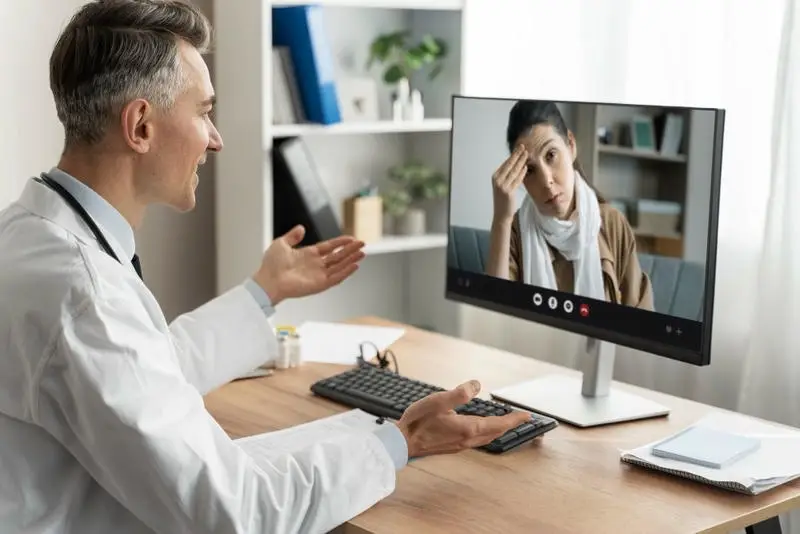
Mental health is becoming one of the most important aspects of healthcare in modern India. With growing stress levels, demanding work environments, academic pressure, social isolation, and lifestyle challenges, millions of people experience emotional distress every year. However, stigma, lack of access to therapists, time constraints, and geographical barriers often prevent individuals from seeking help. Online mental health counselling India is transforming this reality by providing accessible, confidential, and expert-led emotional support through digital platforms.
SecondMedic plays a significant role in democratizing mental healthcare by offering secure online therapy sessions with certified psychologists and counsellors. Through video, audio, or chat-based therapy, individuals can receive timely support from the comfort of their homes.
Why Online Mental Health Counselling Is Growing in India
Multiple factors contribute to India's rapid adoption of virtual mental health services:
1. Rising Stress and Anxiety Levels
According to the National Mental Health Survey (NMHS), nearly 1 in 7 Indians experiences a mental health issue. Work pressure, financial uncertainty, social expectations, and academic stress are major contributors.
2. Mental Health Stigma
Many individuals hesitate to visit clinics due to fear of judgment. Online therapy offers privacy and anonymity.
3. Lack of Access to Specialists
India faces a shortage of trained psychologists and psychiatrists, especially in rural towns. Virtual counselling connects people to experts across the country.
4. Pandemic-Driven Awareness
The COVID era encouraged digital-first health approaches, normalizing online therapy.
5. Convenience and Flexibility
Patients can schedule sessions anytime, avoiding travel and time away from work or family.
Conditions Managed Through Online Counselling
Online therapy is highly effective for most emotional and psychological conditions, including:
-
Anxiety and panic attacks
-
Depression and low mood
-
Stress and burnout
-
Relationship or marriage issues
-
Family conflicts
-
Trauma and PTSD
-
Grief and loss
-
OCD or intrusive thoughts
-
Sleep issues
-
Anger management
-
Low self-esteem
-
Academic or career stress
SecondMedic’s mental health team includes psychologists trained in CBT, DBT, mindfulness-based therapy, solution-focused therapy, and other evidence-based methods.
How Online Counselling Works
Online therapy makes emotional support more accessible with a seamless process:
-
Choose a psychologist based on specialization.
-
Describe concerns or symptoms.
-
Schedule a video, audio, or chat session.
-
Attend the session confidentially.
-
Receive guidance, coping strategies, or therapy exercises.
-
Continue follow-ups as needed.
Digital therapy ensures that individuals receive continuous support.
Benefits of Online Mental Health Counselling
1. Complete Privacy & Confidentiality
Sessions are encrypted, secure, and DPDP-compliant. Patients can talk freely without fear of judgment.
2. Comfort of Home
A familiar environment helps individuals open up more comfortably.
3. Access to Specialized Therapists
SecondMedic provides access to diverse specialists:
-
Trauma therapists
-
Child psychologists
-
Marriage counsellors
-
Depression specialists
-
Workplace counsellors
4. Cost-Effective Mental Healthcare
Online therapy is significantly more affordable than in-person sessions.
5. Flexible Scheduling
Therapy sessions can be booked after work hours or during weekends.
6. Reduced Stigma
Virtual therapy reduces social anxiety associated with walking into a clinic.
7. Long-Term Monitoring
Patients can track progress through regular online check-ins.
Effectiveness of Online Therapy: Scientific Evidence
Studies published by the American Psychological Association (APA) show that online therapy is as effective as in-person therapy for:
-
Anxiety
-
Mild to moderate depression
-
Stress
-
Sleep issues
-
Behavioral problems
For many patients, digital counselling improves continuity of care and adherence to therapy plans.
Online Counselling for Students and Young Adults
Students face:
-
Academic pressure
-
Social anxiety
-
Career anxiety
-
Relationship challenges
-
Identity struggles
Online therapy provides accessible, youth-friendly support tailored to modern challenges.
Online Therapy for Working Professionals
Professionals often deal with:
-
Corporate stress
-
Burnout
-
Work-life imbalance
-
Isolation in remote work
-
Performance anxiety
Virtual counselling helps manage these issues without disrupting their work routine.
Mental Health Care in Rural India
Online counselling is particularly valuable for rural communities where mental health facilities are minimal.
Advantages include:
-
Affordable emotional support
-
No travel barriers
-
Multilingual therapy options
-
Greater anonymity
-
Access to trained professionals
SecondMedic extends services to remote regions to ensure equitable mental health support.
Digital Tools Supporting Therapy
Modern digital therapy platforms integrate:
-
Mood tracking
-
Stress monitoring
-
Guided meditation modules
-
Journaling tools
-
AI-based mental wellness check-ins
These tools reinforce emotional well-being between sessions.
Challenges in Online Mental Health Counselling
-
Internet connectivity issues
-
Reluctance to adopt therapy
-
Severe psychiatric conditions requiring in-person care
-
Privacy concerns among new users
SecondMedic addresses these with user-friendly design, encrypted data, and clear guidelines.
Future of Online Therapy in India
The future holds:
-
AI-assisted emotion analysis
-
Virtual reality exposure therapy
-
Digital CBT platforms
-
Mental health bots for early intervention
-
Nationwide mental health EHR integration
SecondMedic is actively evolving its platform to support advanced digital mental health solutions.
Conclusion
Online mental health counselling India provides accessible, confidential, and expert support for emotional well-being. Whether managing anxiety, depression, stress, trauma, or relationship challenges, SecondMedic ensures safe, effective, and continuous therapy that fits modern lifestyles.
To book an online counselling session, visit www.secondmedic.com
References
-
National Mental Health Survey (NMHS) India
-
WHO - Mental health and digital therapy guidelines
-
APA - Effectiveness of online counselling
-
Statista - Mental health service adoption in India
-
ICMR - Mental health burden in India
-
SecondMedic mental health insights