- Published on: Feb 27, 2026
- 2 minute read
- By: Secondmedic Expert
Importance Of Sunscreen For Skin Health: Daily Protection That Matters




Healthy skin is not just about appearance — it reflects overall wellbeing. Among the most effective and accessible protective measures for skin health is the daily use of sunscreen. Despite growing awareness, many individuals still underestimate the importance of sunscreen for skin health.
In countries like India, where sunlight exposure is intense throughout the year, regular sunscreen use becomes even more essential.
Understanding UV Radiation
Sunlight contains ultraviolet (UV) rays that affect the skin in two major ways:
-
UVA rays: Penetrate deep into the skin and contribute to premature aging.
-
UVB rays: Cause sunburn and direct skin damage.
Both types increase the risk of long-term skin conditions, including skin cancer.
Why Sunscreen Is Important
1. Prevents Sunburn
UVB rays cause redness, inflammation and peeling.
Repeated sunburn damages skin cells and increases cancer risk.
2. Reduces Premature Aging
UVA exposure contributes to:
-
Wrinkles
-
Fine lines
-
Hyperpigmentation
-
Loss of skin elasticity
Daily sunscreen slows visible signs of aging.
3. Lowers Risk of Skin Cancer
Chronic UV exposure is a major risk factor for skin cancer.
Consistent sunscreen use significantly reduces this risk.
4. Prevents Hyperpigmentation
Excess sun exposure can cause:
-
Dark spots
-
Melasma
-
Uneven skin tone
Sunscreen helps maintain even complexion.
5. Protects Sensitive Skin
Individuals with sensitive or acne-prone skin benefit from gentle SPF formulations that prevent irritation caused by UV rays.
What SPF Should You Choose?
SPF (Sun Protection Factor) measures protection against UVB rays.
-
SPF 15 blocks about 93% of UVB rays
-
SPF 30 blocks about 97%
-
SPF 50 blocks about 98%
SPF 30 or higher is generally recommended for daily use.
Broad-spectrum sunscreen protects against both UVA and UVB rays.
Is Sunscreen Needed Indoors?
Yes.
UV rays can penetrate:
-
Windows
-
Glass surfaces
-
Car windshields
Individuals who sit near windows or use digital screens frequently still benefit from sunscreen application.
How to Apply Sunscreen Correctly
-
Apply 15–20 minutes before sun exposure
-
Use adequate quantity (about a teaspoon for face and neck)
-
Reapply every 2–3 hours
-
Reapply after sweating or swimming
Consistency is key for effectiveness.
Sunscreen in the Indian Climate
India experiences strong sunlight, especially in summer months.
Heatwaves and high UV index levels increase skin damage risk.
Using sunscreen daily, even during monsoon or winter, ensures year-round protection.
Choosing the Right Sunscreen
Consider:
-
Skin type (oily, dry, sensitive)
-
Water resistance
-
Non-comedogenic formulations
-
Dermatologist-tested products
Mineral and chemical sunscreens both provide protection when used properly.
Common Myths About Sunscreen
Myth: Darker skin does not need sunscreen
Fact: All skin types can suffer UV damage.
Myth: Sunscreen is only for beaches
Fact: Daily exposure during commuting or outdoor errands also causes damage.
Myth: Makeup with SPF is sufficient
Fact: Makeup alone rarely provides adequate protection.
Additional Sun Protection Tips
-
Wear wide-brimmed hats
-
Use sunglasses with UV protection
-
Seek shade during peak sun hours
-
Wear protective clothing
Sunscreen works best when combined with these measures.
When to Consult a Dermatologist
Seek professional advice if you experience:
-
Persistent skin discoloration
-
Suspicious moles
-
Severe sunburn
-
Frequent skin irritation
Regular skin checkups ensure early detection of issues.
Conclusion
The importance of sunscreen for skin health cannot be overstated. Daily SPF use protects against sunburn, premature aging, pigmentation and long-term skin damage.
In regions with intense sunlight exposure, consistent sunscreen application is one of the simplest and most effective preventive health measures.
Healthy skin requires daily care and protection. Incorporating sunscreen into your routine is a small habit that delivers lifelong benefits.
Protect your skin today to preserve its health tomorrow.
References
- World Health Organization – Ultraviolet Radiation and Skin Health
- Indian Association of Dermatologists – Sun Protection Guidelines
- American Academy of Dermatology – Sunscreen Recommendations
- Indian Journal of Dermatology – UV Exposure Research
- National Cancer Institute – Skin Cancer Prevention Studies
Read FAQs
A. It protects skin from harmful UV radiation that causes damage and aging.
A. SPF 30 or higher is generally recommended for daily protection.
A. Regular use reduces the risk of UV-related skin cancers.

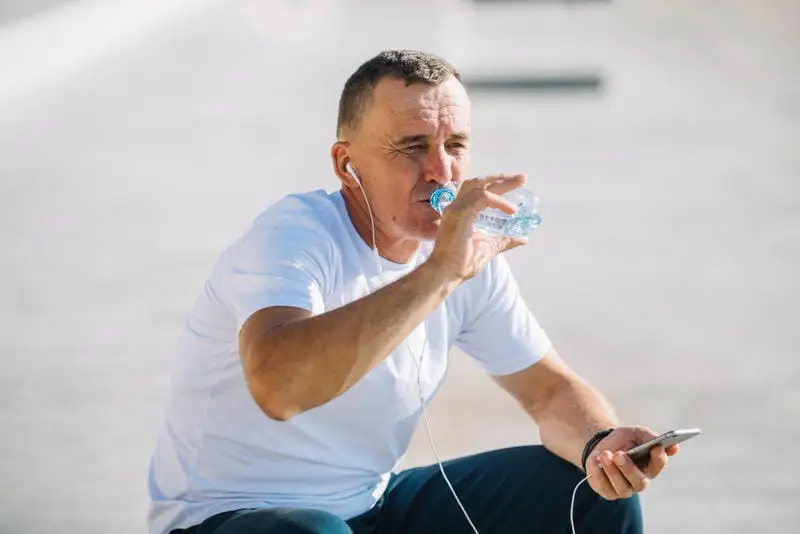
How Poor Hydration Affects Joint Health: Why Water Matters for Mobility
Water is essential for nearly every function in the human body, yet many people underestimate its importance for joint health. While hydration is commonly associated with digestion and skin health, it also plays a crucial role in maintaining smooth and pain-free joint movement.
Understanding how poor hydration affects joint health can help prevent stiffness, discomfort and long-term mobility issues.
The Role of Water in Joint Function
Joints are where two bones meet, allowing movement and flexibility. Healthy joints rely on:
-
Cartilage
-
Synovial fluid
-
Ligaments
-
Tendons
Cartilage, which cushions bones, contains a high percentage of water. Synovial fluid acts as a lubricant, reducing friction during movement.
Proper hydration ensures these components function effectively.
What Happens When You Are Dehydrated?
When the body lacks sufficient water:
-
Synovial fluid production may decrease
-
Cartilage may lose elasticity
-
Joint cushioning becomes less effective
This can result in stiffness and discomfort.
1. Reduced Joint Lubrication
Synovial fluid requires adequate hydration to maintain volume and viscosity.
Without enough water:
-
Friction between bones increases
-
Movement becomes less smooth
-
Risk of wear and tear rises
2. Increased Joint Stiffness
Dehydration may cause joints to feel tight, especially:
-
In the morning
-
After prolonged sitting
-
During physical activity
Stiffness may limit flexibility.
3. Higher Risk of Injury
Poorly lubricated joints may be more prone to:
-
Sprains
-
Strains
-
Cartilage damage
Hydration supports tissue resilience.
4. Worsening of Existing Joint Conditions
Individuals with conditions such as osteoarthritis may experience increased discomfort if hydration is inadequate.
While water does not cure arthritis, it supports overall joint function.
5. Reduced Nutrient Delivery
Water helps transport nutrients to joint tissues.
Dehydration may impair circulation and nutrient exchange, slowing tissue repair.
Signs of Dehydration That May Affect Joints
-
Dry mouth
-
Dark urine
-
Fatigue
-
Headaches
-
Muscle cramps
-
Joint stiffness
Recognizing early dehydration signs prevents complications.
How Much Water Do You Need?
Hydration needs vary depending on:
-
Body weight
-
Climate
-
Physical activity level
-
Health conditions
On average, adults may require 2–3 liters of water daily.
In hot climates such as India, higher intake may be necessary due to increased sweating.
Tips to Maintain Proper Hydration
1. Drink Water Regularly
Do not wait until you feel thirsty.
2. Eat Water-Rich Foods
Include:
-
Cucumbers
-
Watermelon
-
Oranges
-
Tomatoes
3. Limit Excessive Caffeine and Alcohol
These may contribute to fluid loss.
4. Carry a Water Bottle
Keeping water accessible encourages consistent intake.
5. Hydrate Before and After Exercise
Physical activity increases fluid loss through sweat.
Hydration and Joint Health in India
In India’s hot and humid climate, dehydration is common, especially during summer months.
Outdoor workers, athletes and elderly individuals are particularly vulnerable.
Maintaining adequate hydration supports not only joint health but overall wellbeing.
When to Consult a Doctor
Seek medical advice if you experience:
-
Persistent joint pain
-
Swelling
-
Limited range of motion
-
Redness or warmth around joints
These may indicate underlying joint disorders requiring evaluation.
Conclusion
Poor hydration can negatively affect joint health by reducing lubrication, increasing stiffness and raising injury risk. Since cartilage and synovial fluid depend heavily on water, maintaining adequate hydration is essential for smooth movement and long-term mobility.
Drinking sufficient water daily is a simple yet powerful step toward protecting joint health. Combined with regular exercise and balanced nutrition, proper hydration supports active and pain-free living.
Small daily hydration habits can make a significant difference in how your joints feel and function.
References
-
Indian Council of Medical Research – Hydration Guidelines
-
World Health Organization – Water and Health Resources
-
Indian Journal of Orthopaedics – Joint Health Studies
-
National Institute of Nutrition India – Fluid Intake Recommendations
-
Journal of Sports Medicine – Hydration and Musculoskeletal Health Research
Our Services
Request A Callback
Recent Posts



Aptamil Pepti Infant Formula 0 to 12 Months Tin 400gm
Brand: Nutricia International Private Limited
₹2000.00₹1960.00
View Details


Neocate LCP Infant Formula Powder 400GM
Brand: Nutricia International Private Limited
₹3300.00₹3234.00
View Details
Web Stories


Popular Lab Test






Live Doctor consultation
Live Doctor Chat

Fees ₹99
General Physician
Fees ₹99
General Physician
Fees ₹99
General Physician

Dr. Syed Mukhtar Mohiuddin
MBBS, MD , Fellowship in Diabetes Mellitus (UK)
- 7 Years
- English
Available at 00:00 to 07:00
Fees ₹99
General Physician
Fees ₹99
General Physician
Download Our App & Get Consultation from anywhere.