• Published on: Jan 14, 2026
  • 3 minute read
  • By: SecondMedic Expert

Monthly Healthy Community Meals At Health Hubs

  • WhatsApp share link icon
  • copy & share link icon
  • twitter share link icon
  • facebook share link icon

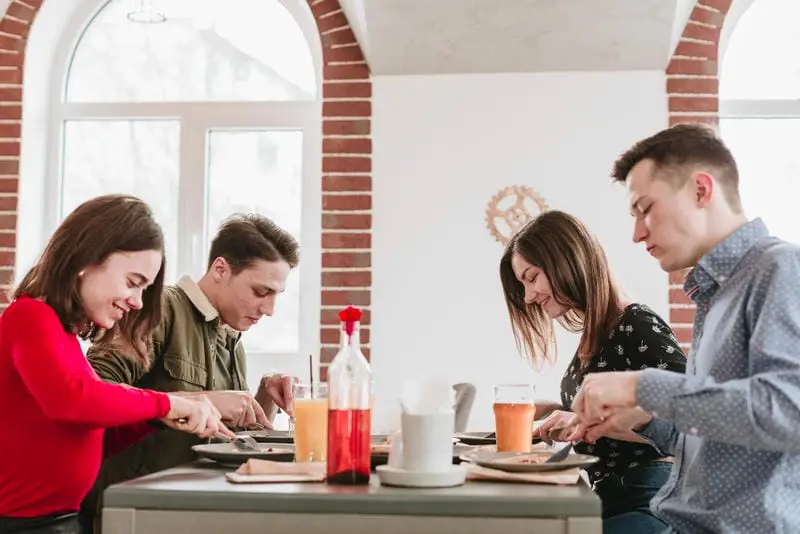
Community-driven health initiatives are becoming an essential part of India’s preventive healthcare movement. While medical technology, AI diagnostics and digital screenings strengthen clinical care, lifestyle habits still remain the foundation of long-term wellness. One powerful but simple community practice gaining popularity is the Monthly Healthy Potluck at Health Hubs.

These potlucks promote healthier eating, strengthen social support systems, and bring people together to learn about nutrition and wellness in an enjoyable and accessible format. SecondMedic’s preventive health framework aligns perfectly with this model by integrating health education, nutrition insights and early-risk awareness into community activities.

This blog explores how monthly healthy potlucks are transforming health hubs across India and supporting preventive lifestyle habits at scale.

Why Community Wellness Matters in India

India is witnessing a steep rise in lifestyle-related illnesses.
According to the ICMR–NCD Burden Study:
• Over 100 million Indians live with diabetes
• Heart disease accounts for nearly 28% of all deaths
• Hypertension is becoming prevalent across younger age groups

Simultaneously, NFHS-5 data highlights increasing obesity, poor dietary diversity and rising sedentary behaviour. These challenges signal not just medical issues, but lifestyle gaps.

Community-based wellness initiatives provide the social support and collective learning required to bridge those gaps.

What Is a Monthly Healthy Potluck at Health Hubs?

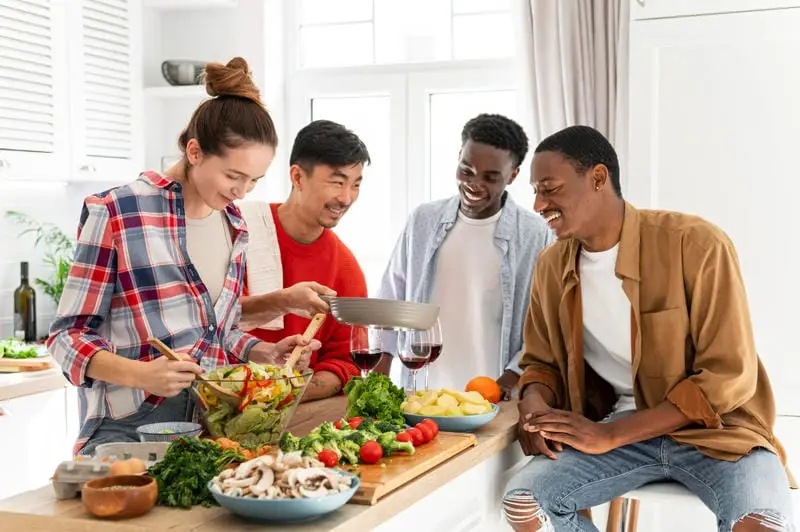
A Monthly Healthy Potluck is a wellness event where:
• Participants bring nutritious homemade dishes
• Recipes focus on balance, low oil and whole ingredients
• Everyone eats together and shares food philosophy
• Health experts provide short preventive care sessions
• Participants learn simple, realistic lifestyle habits

This model transforms health hubs into interactive wellness environments instead of passive medical facilities.

Why Healthy Potlucks Work

1. They Make Healthy Eating Enjoyable

Healthy meals often feel restrictive when practiced alone. In a group setting, they become exciting because:
• People discover new recipes
• Participants try dishes they wouldn’t normally cook
• Food presentation inspires creativity
• Everyone learns portion control naturally

2. They Promote Social Accountability

When people cook, share and learn together, they form supportive communities that motivate consistent lifestyle changes.

3. They Strengthen Nutritional Awareness

Nutrition education becomes simpler when demonstrated through real food instead of lectures.

4. They Align with Preventive Healthcare

NITI Aayog’s Preventive Health & Wellness Report highlights behavioural change as a key driver of long-term health improvement. Potlucks encourage achievable, small lifestyle shifts.

Components of a Healthy Potluck at SecondMedic Health Hubs

1. Balanced Dish Contributions

Participants are encouraged to bring nutrient-dense dishes such as:
• Millet-based meals
• Vegetable-rich Indian curries
• Lean protein options
• Low-oil tiffin-style foods
• Fermented dishes
• Fruit bowls and salads

This ensures variety, balance and education through real examples.

2. Nutrition Spotlights

Health experts share quick insights on:
• Portion control
• Glycemic index
• Healthy cooking oils
• Hidden sugars
• Smart plate design
• Hydration science

These micro-education sessions empower participants to make better decisions at home.

3. Preventive Health Mini-Screenings

SecondMedic integrates:
• BMI checks
• Blood pressure assessments
• Sugar evaluations
• Quick fatigue and stress scoring

These screenings help individuals understand their health status while encouraging early intervention.

4. Recipe Exchange Corners

Participants document and exchange easy-to-cook healthy recipes. This fosters a culture of shared learning and innovation.

5. Wellness Activities

Events may include:
• 5-minute yoga routines
• Breathing exercises
• Mindfulness techniques
• Movement challenges

These fun micro-activities teach participants how to incorporate wellness effortlessly into daily routines.

How Healthy Potlucks Support India’s Preventive Health Movement

Encouraging Long-Term Dietary Shifts

When individuals repeatedly attend monthly events, their meal choices gradually transform. Consistency builds habits.

Reducing Fear Around Healthy Cooking

Seeing others prepare simple, tasty, low-oil dishes removes the stigma that healthy food is bland or difficult.

Strengthening Social Connectivity

Community bonds reduce stress, loneliness and isolation—factors known to weaken immunity and increase chronic disease risk.

Improving Health Literacy

Real-time demonstrations outperform written instructions. It becomes easier to understand nutrient density, fibre-rich meals and balanced plates when they are visually presented.

Supporting Digital Health Ecosystems

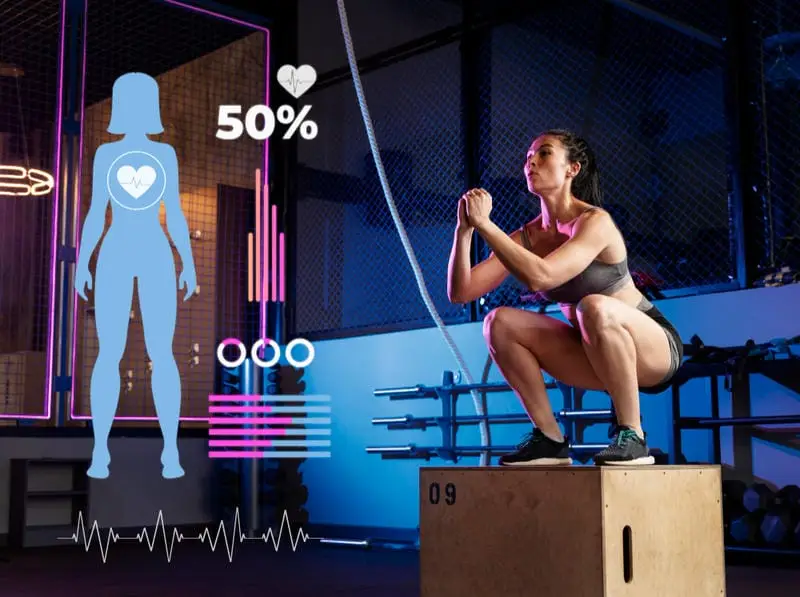
SecondMedic integrates event data into digital dashboards:
• Meal analysis
• Health scores
• Lifestyle tracking
• Preventive alerts

This combination of offline community activity and online tracking strengthens long-term adherence.

Example of a Healthy Potluck Spread

• Moong dal khichdi with vegetables
• Ragi roti with garlic chutney
• Grilled paneer salad
• Millet upma
• Fruit and nut platter
• Sprout chaat with lemon
• Buttermilk infused with mint

These items are affordable, accessible and easy to prepare—ideal for the Indian lifestyle.

Conclusion

Monthly Healthy Potlucks at Health Hubs offer a simple yet powerful model for promoting preventive healthcare in India. These events blend nutrition, social bonding, lifestyle learning and community-led motivation. They encourage individuals to adopt healthier habits without pressure, restriction or complexity.

With SecondMedic’s integrated preventive care framework, these potlucks become more than social gatherings—they become catalysts for building healthier communities, improving dietary behaviour and supporting long-term wellness.

References

• ICMR NCD Burden Study – Lifestyle & Dietary Risk Factors in India
• National Family Health Survey (NFHS-5), Ministry of Health & Family Welfare
• NITI Aayog – Preventive Health & Community Wellness Framework
• Lancet Public Health India – Impact of Community Nutrition Programs
• WHO Guidelines on Community Health Promotion
• Statista India Wellness & Healthy Eating Behaviour Report
• EY-FICCI Integrated Preventive Care Model for India
Read FAQs


A. It is a community gathering where participants bring nutritious homemade dishes, learn health tips, share recipes and engage in lifestyle-focused discussions.

A. Healthy potlucks promote balanced eating, food awareness, community bonding and preventive health practices in an enjoyable and accessible format.

A. Participants bring whole-grain meals, salads, lean proteins, low-oil Indian dishes, plant-based options and nutrient-dense snacks.

A. Yes. Potlucks at health hubs often include nutrition talks, activity demonstrations and preventive healthcare advice.

A. SecondMedic offers nutrition guidance, health screenings, diet assessments and AI-driven wellness tracking to enhance community wellness initiatives.

Read Blog
air pollution

Offsite Retreat with Doctors: Blending Strategic Planning with Well-Being

Healthcare systems rely heavily on the physical, emotional and cognitive strength of doctors. Yet medical professionals operate under constant pressure—clinical responsibility, long working hours, emotional strain and rapid decision-making. In this context, the Offsite Retreat with Doctors has emerged as a powerful tool to address two critical needs: strategic alignment and professional wellbeing.

An offsite retreat offers doctors the opportunity to step away from daily clinical demands, reflect on long-term goals and restore mental balance. When designed thoughtfully, it strengthens leadership, improves collaboration and ultimately enhances patient care.


Why Doctors Need Offsite Retreats

Doctors face unique professional challenges:

  • high responsibility and accountability
     

  • emotional exposure to illness and loss
     

  • time pressure and workload intensity
     

  • limited opportunities for reflection
     

According to World Health Organization data, burnout among healthcare professionals is a growing global concern. Indian studies also highlight rising stress, fatigue and emotional exhaustion among doctors across specialties.


Strategic Value of Offsite Retreats

Space for Long-Term Thinking

Daily clinical routines leave little time for strategic planning. Offsite retreats provide uninterrupted time to:

  • review organisational goals
     

  • plan service expansion
     

  • evaluate patient care models
     

  • discuss technology and process improvements
     

Clear thinking improves when distractions are removed.

Better Decision-Making

Strategic decisions made in calm, focused environments are more balanced and forward-looking. Retreats help align medical leadership with institutional vision.


Well-Being as a Core Component

Preventing Burnout

Burnout affects judgement, empathy and performance. Retreats help doctors:

  • mentally disconnect from routine stress
     

  • recover emotional energy
     

  • reset priorities
     

WHO recognises structured recovery time as essential for healthcare workforce sustainability.


Supporting Mental Health

Wellbeing sessions during retreats may include:

  • mindfulness and stress management
     

  • guided relaxation
     

  • peer discussion and reflection
     

These activities normalise conversations around mental health.


Strengthening Team Connection

Building Trust and Communication

Offsite settings encourage open dialogue, free from hierarchical pressure. Doctors can:

  • share challenges
     

  • exchange perspectives
     

  • strengthen mutual understanding
     

Improved communication directly impacts clinical coordination.


Reducing Professional Isolation

Many doctors experience professional isolation despite working in teams. Retreats foster genuine human connection and peer support.


Common Components of an Offsite Retreat with Doctors

A balanced retreat typically includes:

Strategic Workshops

  • vision and goal-setting
     

  • service planning
     

  • quality improvement discussions
     

Clinical Reflection Sessions

  • case-based discussions
     

  • ethical decision-making
     

  • patient safety insights
     

Wellbeing Activities

  • yoga or light physical activity
     

  • mindfulness sessions
     

  • nature walks
     

Team-Building Exercises

  • collaborative problem-solving
     

  • informal group interactions


Impact on Patient Care

Healthy doctors deliver better care.

Research shows that improved physician wellbeing leads to:

  • reduced medical errors
     

  • better patient communication
     

  • higher patient satisfaction
     

The Lancet highlights strong links between clinician wellbeing and healthcare quality.


Importance of Offsite Environment

Physical separation from the workplace is crucial.

Offsite settings:

  • reduce interruptions
     

  • encourage presence and focus
     

  • signal organisational commitment to wellbeing
     

Natural or calm environments further enhance stress recovery.


Leadership Development Through Retreats

Retreats are especially valuable for:

  • senior doctors
     

  • clinical heads
     

  • emerging leaders
     

They support leadership skills such as:

  • emotional intelligence
     

  • conflict resolution
     

  • strategic thinking
     

Strong medical leadership is essential for resilient healthcare systems.


Frequency and Timing of Retreats

Best practices suggest:

  • annual retreats for core teams
     

  • additional retreats during major transitions
     

  • shorter strategy-focused offsites as needed
     

Consistency matters more than scale.


Measuring the Impact of Doctor Retreats

Impact can be assessed through:

  • staff feedback
     

  • engagement and morale indicators
     

  • retention rates
     

  • quality improvement outcomes
     

EY-FICCI healthcare workforce reports note that wellbeing-focused leadership initiatives improve long-term performance.


Integrating Retreats into Healthcare Culture

Offsite retreats should not be one-time events. They work best when:

  • aligned with organisational values
     

  • supported by ongoing wellbeing initiatives
     

  • followed by actionable outcomes
     

This creates a culture of reflection and care.


Role of Preventive Organisational Health

Just as preventive healthcare protects patients, preventive organisational practices protect medical teams. Retreats act as preventive interventions against burnout, disengagement and leadership fatigue.


Challenges and How to Address Them

Common concerns include:

  • time constraints
     

  • staffing coverage
     

  • perceived cost
     

However, the cost of burnout, turnover and reduced care quality is far higher than the investment in retreats.


Conclusion

An Offsite Retreat with Doctors is not a luxury—it is a strategic and human necessity. By combining focused strategic planning with structured wellbeing support, retreats strengthen leadership, improve collaboration and protect the mental health of medical professionals. In an increasingly demanding healthcare environment, creating intentional space for doctors to reflect, reconnect and recharge ultimately leads to better decisions, healthier teams and improved patient outcomes.


References

  • World Health Organization (WHO) – Healthcare Workforce Mental Health Reports
  • Indian Council of Medical Research (ICMR) – Occupational Stress in Healthcare Studies
  • Lancet – Physician Burnout and Patient Care Quality Research
  • NITI Aayog – Healthcare Workforce Sustainability Reports
  • EY-FICCI – Healthcare Leadership and Workforce Wellbeing Studies
  • Statista – Global Healthcare Workforce Burnout Trends

See all

Live Doctor consultation
Live Doctor Chat

Download Our App & Get Consultation from anywhere.

App Download
call icon for mobile number calling and whatsapp at secondmedic