• Published on: Dec 01, 2025
  • 4 minute read
  • By: Secondmedic Expert

Heart Health Screening Tests India: Detect Cardiac Risks Early

  • WhatsApp share link icon
  • copy & share link icon
  • twitter share link icon
  • facebook share link icon

Heart disease remains the leading cause of death in India, accounting for over 28 percent of total mortality according to ICMR and WHO reports. With rising stress levels, unhealthy diets, sedentary routines, and increasing incidence of diabetes and hypertension, heart health screening tests India have become essential for individuals across age groups. Early screening helps detect abnormalities before severe symptoms appear, enabling timely intervention and reducing the risk of heart attack, stroke, and long-term cardiovascular complications.

SecondMedic offers comprehensive cardiac screening packages designed to evaluate heart function, detect early risks, and guide long-term preventive care.

Why Heart Health Screening Is Critical in India

1. Rising Cardiac Cases at Younger Ages

Many Indians experience heart attacks before age 50 - often without warning signs.

2. Lifestyle Diseases Increase Heart Risk

Diabetes, obesity, high cholesterol, and hypertension are strongly linked to heart problems.

3. Stress and Sedentary Lifestyle

Fast-paced work culture increases cardiovascular strain.

4. Poor Dietary Habits

High consumption of salt, sugar, and refined oils leads to chronic heart issues.

5. Family History

Genetics play a major role in heart disease risk.

Screening helps identify these risks early.

Major Heart Health Screening Tests in India

1. Electrocardiogram (ECG)

Detects electrical activity, rhythm abnormalities, and early signs of cardiac strain.

2. Lipid Profile

Measures total cholesterol, LDL, HDL, and triglycerides.

3. Blood Pressure Analysis

Detects hypertension - a silent but major risk factor.

4. Echocardiogram (ECHO)

Ultrasound imaging used to visualize heart valves, chambers, and pumping efficiency.

5. Cardiac Markers Test

Includes:

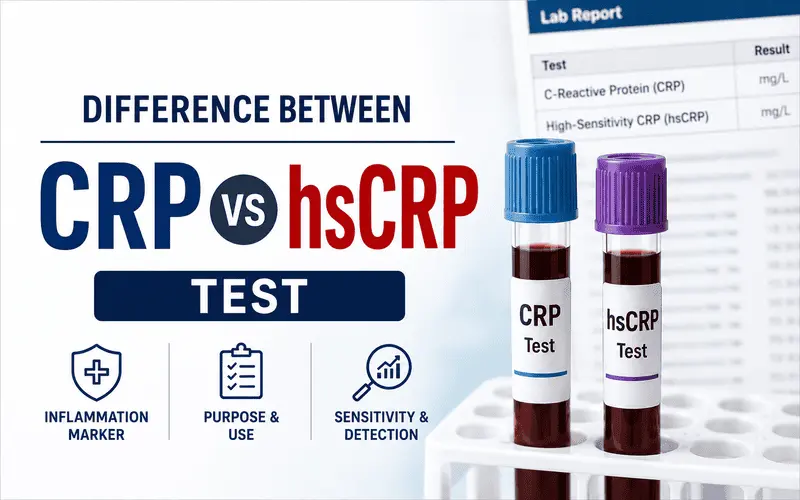
  • hs-CRP
     

  • Troponin
     

  • BNP
     

  • Homocysteine
    These markers detect inflammation and potential heart damage.


6. Stress Test (TMT)

Evaluates how the heart performs under physical exertion.

7. Blood Sugar & Diabetes Panel

Uncontrolled sugar levels accelerate heart disease.

8. Thyroid Function Test

Thyroid disorders are linked to heart rhythm issues.

9. BMI & Waist Circumference

Obesity contributes significantly to cardiovascular risk.

10. CT Coronary Angiography

Advanced imaging for high-risk patients.

Symptoms That Indicate You Need Heart Screening

  • Chest discomfort
     

  • Shortness of breath
     

  • Fatigue
     

  • Irregular heartbeat
     

  • Swelling in feet
     

  • Persistent acidity-like sensations
     

  • Back or arm pain
     

However, many cases are entirely symptomless, making routine screening even more critical.

Who Should Undergo Heart Health Screening?

1. Individuals above 30

Due to rising early-onset heart disease.

2. People with Lifestyle Risks

Smokers, heavy alcohol users, sedentary workers.

3. People with Chronic Conditions

Diabetes, thyroid disorders, hypertension.

4. Individuals with Family History

If parents or siblings have heart disease.

5. High-Stress Professionals

IT employees, corporate workers, entrepreneurs.

SecondMedic creates tailored screening pathways based on age and risk profile.

How SecondMedic Heart Screening Works

Step 1: Risk Evaluation

Digital assessment of lifestyle, symptoms, and family history.

Step 2: Test Selection

Customized screening package recommended by specialists.

Step 3: Home Sample Collection

Convenient and safe.

Step 4: Diagnostic Imaging Referrals

ECHO, ECG, and TMT conducted at partner facilities.

Step 5: Specialist Review

Cardiologist explains results and suggests next steps.

Step 6: Continuous Monitoring

Heart risk is tracked regularly.

Benefits of Heart Health Screening

1. Early Detection of Silent Risks

Hypertension and cholesterol problems show almost no early symptoms.

2. Reduced Heart Attack Risk

Timely intervention prevents emergencies.

3. Better Long-Term Heart Function

Monitoring improves overall cardiovascular health.

4. Personalized Lifestyle Guidance

SecondMedic experts provide diet, exercise, and stress management plans.

5. Lower Medical Expenses

Early treatment is significantly cheaper than bypass surgery or stenting.

Lifestyle Changes That Support Heart Health

1. Healthy Diet

Focus on fruits, vegetables, whole grains, and low-fat foods.

2. Regular Physical Activity

At least 30 minutes of exercise daily.

3. Stress Reduction

Meditation, yoga, and proper rest.

4. Quit Smoking

Reduces heart risk instantly.

5. Weight Management

Lower BMI reduces pressure on the heart.

SecondMedic offers nutrition and lifestyle coaching as part of preventive care.

Challenges in Heart Disease Prevention

  • Lack of awareness
     

  • Irregular screenings
     

  • High stress levels
     

  • Unhealthy food habits
     

  • Sedentary jobs
     

  • Genetic susceptibility
     

Regular screenings are the solution.

Conclusion

Heart health screening tests India are essential for early detection and prevention of heart disease. With rising cases among younger populations, regular ECG, lipid profile, cardiac markers, blood pressure monitoring, and imaging can help identify risks before they become life-threatening. SecondMedic offers comprehensive, convenient, and specialist-guided heart screening packages designed to protect long-term cardiovascular health.

To book a heart health checkup, visit www.secondmedic.com

References

  • WHO – Cardiovascular disease facts
     

  • ICMR – Heart disease statistics India
     

  • NITI Aayog – NCD and cardiac burden
     

  • Statista – Heart disease trends in India
     

  • SecondMedic cardiology insights

Read FAQs


A. Because heart disease is the leading cause of death in India and often develops silently.

A. ECG, lipid profile, echocardiogram, cardiac markers, blood pressure analysis, and imaging.

A. Annually for adults over 30 or sooner for those with risk factors.

A. Yes. SecondMedic offers basic to advanced heart screening programs.

A. Individuals with family history, diabetes, hypertension, obesity, stress, or chest discomfort.

Read Blog
Frequent

Early Signs of a Weakened Immune System: Symptoms You Should Not Ignore

The immune system is the body’s natural defense mechanism against infections, bacteria and viruses. It works continuously to identify and eliminate harmful pathogens that may threaten health. However, when the immune system becomes weakened, the body becomes more vulnerable to illness and infections.

Recognizing the early signs of a weakened immune system is essential for maintaining overall health and preventing serious complications. Early awareness allows individuals to make lifestyle changes and seek medical advice if necessary.


Understanding the Immune System

The immune system is composed of:

  • White blood cells
     

  • Antibodies
     

  • Lymph nodes
     

  • Bone marrow
     

  • The spleen and thymus
     

These components work together to detect and destroy harmful organisms. When immunity is compromised, this protective mechanism becomes less effective.


1. Frequent Infections

One of the most common signs of weakened immunity is experiencing frequent infections.

These may include:

  • Recurrent colds
     

  • Sinus infections
     

  • Ear infections
     

  • Respiratory illnesses
     

If infections occur repeatedly or take longer than usual to recover, it may indicate reduced immune strength.


2. Persistent Fatigue

Constant tiredness despite adequate sleep may signal an underlying immune imbalance.

When the immune system is weakened, the body uses more energy to fight potential threats, leading to prolonged fatigue.

3. Slow Wound Healing

A healthy immune system supports tissue repair and healing.

Cuts, bruises or minor injuries that take longer than usual to heal may indicate weakened immune function.

Delayed healing may also increase infection risk.


4. Digestive Problems

A significant portion of the immune system is located in the gastrointestinal tract.

Digestive symptoms such as:

  • Frequent diarrhea
     

  • Bloating
     

  • Constipation
     

may reflect imbalance in gut health and immunity.


5. Frequent Allergies or Sensitivities

A weakened immune system may overreact to harmless substances, causing allergic reactions.

Symptoms may include:

  • Sneezing
     

  • Skin irritation
     

  • Food sensitivities
     

Maintaining immune balance helps regulate these responses.


6. Recurring Fever

Frequent low-grade fever may occur when the body is constantly attempting to fight infections.

This may indicate ongoing immune stress.


7. Increased Susceptibility to Stress

Chronic stress significantly affects immune function.

Stress hormones such as cortisol may suppress immune responses, making the body more vulnerable to illness.


Common Causes of Weak Immunity

Several lifestyle and health factors can weaken the immune system:

  • Poor nutrition
     

  • Lack of sleep
     

  • Chronic stress
     

  • Sedentary lifestyle
     

  • Smoking or excessive alcohol consumption
     

  • Chronic illnesses
     

Identifying these factors is important for improving immune health.


Strengthening the Immune System Naturally

Maintain a Balanced Diet

Consume foods rich in:

  • Vitamin C
     

  • Vitamin D
     

  • Zinc
     

  • Antioxidants
     

Fruits, vegetables, nuts and whole grains support immune function.


Prioritize Sleep

Adequate sleep allows the immune system to repair and regenerate.

Adults should aim for 7–8 hours of sleep daily.


Stay Physically Active

Moderate physical activity improves circulation and supports immune response.

Regular exercise also reduces stress levels.


Manage Stress

Practices such as meditation, breathing exercises and relaxation techniques help regulate stress hormones.


Maintain Hygiene

Simple habits like handwashing reduce exposure to harmful pathogens.


Weak Immunity in the Indian Context

In India, factors such as nutritional deficiencies, pollution exposure and high stress levels contribute to weakened immunity among many individuals.

Public health initiatives increasingly emphasize balanced nutrition, vaccination and healthy lifestyle habits to improve immune resilience.


When to Consult a Doctor

Seek medical advice if you experience:

  • Frequent infections
     

  • Persistent fatigue
     

  • Unexplained weight loss
     

  • Recurrent fever
     

  • Slow healing wounds
     

Medical evaluation may identify underlying health conditions affecting immunity.


Conclusion

Recognizing the early signs of a weakened immune system is essential for protecting long-term health. Symptoms such as frequent infections, fatigue and slow wound healing may indicate that the body’s defense mechanisms need support.

By adopting healthy lifestyle habits, maintaining balanced nutrition and managing stress effectively, individuals can strengthen immune function and reduce the risk of illness.

Listening to the body’s warning signals and seeking timely medical guidance ensures better health outcomes and improved wellbeing.

A strong immune system is the foundation of a healthy life.


References

  • Indian Council of Medical Research – Immunity and Nutrition Reports

  • World Health Organization – Immune Health Guidelines

  • National Institute of Nutrition India – Dietary Recommendations

  • Journal of Clinical Immunology – Immune System Research

  • Lancet Global Health – Public Health and Immunity Studies

See all

Live Doctor consultation
Live Doctor Chat

Download Our App & Get Consultation from anywhere.

App Download
call icon for mobile number calling and whatsapp at secondmedic