- Published on: Mar 06, 2026
- 5 minute read
- By: SecondMedic
Best Home Remedies For Glowing Skin




Glowing skin is not simply a cosmetic goal. It is a visible reflection of skin health, hydration, and cellular repair. While the market is flooded with serums and treatments, dermatologists consistently observe that the most sustainable skin glow comes from consistent, simple, and evidence-supported practices. The good news is that many of the most effective ingredients are already available in an Indian kitchen.
Why Skin Loses Its Natural Glow
Before applying any remedy, understanding the root cause of dull skin is essential. Dermatologists identify the following as the most common triggers in the Indian context:
|
Cause |
Effect on Skin |
|
Pollution and sun exposure |
Oxidative stress, pigmentation, uneven tone |
|
Dehydration |
Reduced elasticity, dryness, dullness |
|
Poor diet and nutrient deficiency |
Slowed cell renewal, loss of radiance |
|
Disrupted sleep |
Impaired skin repair, dark circles, puffiness |
|
Hormonal imbalance |
Acne, oiliness, pigmentation |
|
Harsh skincare products |
Damaged skin barrier, redness, sensitivity |
Identifying and addressing the underlying cause is as important as applying any topical remedy. Skin that appears dull despite consistent care often signals an internal factor requiring dietary or medical attention.
Which Home Remedy is Best for Glowing Skin?
Among all widely used natural ingredients, raw honey combined with aloe vera gel is considered the most universally effective home remedy for glowing skin. Honey acts as a humectant, drawing moisture into the skin, while its antibacterial and antioxidant compounds protect against environmental damage. Aloe vera complements this by delivering vitamins A, C, and E directly into the skin, supporting collagen synthesis and reducing inflammation.
This combination works across all skin types, requires no preparation time, and demonstrates consistent results in clinical observations relating to skin hydration and barrier repair. Applied three times a week for 15 to 20 minutes, this remedy produces visible improvement in skin texture and brightness within two to three weeks of regular use. For individuals with oily or acne-prone skin, aloe vera used alone without honey is the preferred option as it is non-comedogenic and lightweight.
Top Home Remedies for Glowing Skin by Skin Type
One of the most significant gaps in standard advice is that remedies are rarely matched to skin type. Applying the wrong ingredient can worsen the skin condition rather than improve it. Dermatologists recommend the following skin-type specific approach:
|
Skin Type |
Best Remedy |
Key Benefit |
Frequency |
|
Dry Skin |
Raw honey and milk paste |
Deep hydration, lactic acid exfoliation |
3 times per week |
|
Oily Skin |
Multani mitti with rose water |
Sebum control, pore tightening |
2 times per week |
|
Combination Skin |
Aloe vera gel |
Balances moisture without clogging pores |
Daily |
|
Sensitive Skin |
Oat flour and plain yogurt pack |
Soothes inflammation, gentle exfoliation |
2 times per week |
|
Normal Skin |
Turmeric and honey mask |
Antioxidant boost, brightening |
2 to 3 times per week |
|
Dull or Pigmented Skin |
Potato juice or tomato pulp |
Natural kojic acid, reduces pigmentation |
3 times per week |
Matching the remedy to skin type is the single most important factor in achieving consistent results from any natural skincare routine.
Which Kitchen Ingredients Work Best for Skin Glow?
Several common Indian kitchen ingredients carry clinically recognised skin benefits. The mechanism behind each ingredient matters as much as the application method:
Turmeric (Haldi): Contains curcumin, a potent antioxidant and anti-inflammatory compound. Curcumin inhibits melanin synthesis, which helps reduce pigmentation and uneven skin tone over time. Used as a paste with milk or honey, turmeric is one of the most researched natural brightening agents.
Raw Milk: Contains lactic acid, a naturally occurring alpha hydroxy acid (AHA) that gently exfoliates dead skin cells, stimulates collagen production, and improves skin luminosity. Applying raw cold milk with a cotton pad and leaving it for 15 minutes is a simple and effective brightening practice.
Besan (Gram Flour): Functions as a mild physical exfoliant and oil absorber. Mixed with turmeric and rose water, besan-based face packs have been used across Indian households for generations and remain dermatologically appropriate for most skin types.
Aloe Vera: Rich in polysaccharides that support skin hydration and mucilaginous compounds that form a protective barrier. Clinical data supports its use in reducing UV-induced skin damage and accelerating epidermal repair.
Potato Juice: Contains catecholase, an enzyme with mild skin-lightening properties. Particularly useful for reducing dark circles, tan lines, and post-inflammatory hyperpigmentation.
How to Get Glowing Skin Naturally in One Week
Most competitors list remedies without telling readers how to actually use them together. The following 7-day routine is structured to progressively address cleansing, exfoliation, hydration, and brightening within a single week:
|
Day |
Morning |
Evening |
|
Day 1 |
Raw milk cotton pad cleanse |
Aloe vera gel application |
|
Day 2 |
Rose water toner |
Honey and aloe vera mask (15 min) |
|
Day 3 |
Raw milk cleanse |
Turmeric and honey mask (10 min) |
|
Day 4 |
Rose water toner |
Aloe vera gel application |
|
Day 5 |
Raw milk cleanse |
Besan, turmeric and rose water pack (15 min) |
|
Day 6 |
Rose water toner |
Potato juice on dark spots (20 min) |
|
Day 7 |
Raw milk cleanse |
Honey and aloe vera mask (15 min) |
This routine uses no more than three to four ingredients across the entire week, minimising the risk of ingredient overload or skin irritation. Always perform a patch test on the inner forearm before applying any new ingredient to the face.
Lifestyle Habits That Support Glowing Skin From Within
Topical remedies address the surface. Skin glow that is deep and lasting is primarily determined by internal health factors that all four competitor articles fail to address:
Hydration: Dermatologists observe that inadequate water intake is the single most common and most overlooked cause of dull skin among Indian adults. A minimum of 2.5 to 3 litres of water daily supports cellular metabolism and maintains skin turgor.
Diet: Skin cells require vitamins C, E, and A along with zinc and omega-3 fatty acids for repair and renewal. Indian dietary staples such as amla (Indian gooseberry), carrots, spinach, walnuts, and flaxseeds provide these nutrients in bioavailable forms. Reducing refined sugar intake is equally important, as excess glucose triggers glycation, a process that breaks down collagen and accelerates skin ageing.
Sleep: The skin's repair cycle peaks during deep sleep between 11 PM and 3 AM. Chronic sleep deprivation elevates cortisol, which degrades collagen and increases inflammatory skin conditions. Clinical specialists recommend seven to eight hours of uninterrupted sleep as a non-negotiable component of any skin improvement plan.
Gut Health: Emerging dermatological research on the gut-skin axis confirms that dysbiosis (imbalance of gut bacteria) is linked to acne, rosacea, and dull skin. Incorporating fermented foods such as curd and buttermilk into the daily diet supports gut microbiome balance, which in turn improves skin clarity.
Home Remedies to Avoid: What Dermatologists Warn Against
This section exists in none of the competing articles and represents the most clinically important addition to this topic. Several widely promoted "natural" skin remedies are actively harmful:
Lemon juice directly on skin: Lemon juice has a pH of approximately 2, far too acidic for direct skin application. It disrupts the skin's natural acid mantle (pH 4.5 to 5.5), causes photosensitivity, and can result in chemical burns or permanent pigmentation when skin is exposed to sunlight post-application.
Baking soda: Despite its popularity on social media, baking soda has an alkaline pH of 9, which severely disrupts the skin barrier, strips natural oils, and causes microbial imbalance on the skin surface.
Toothpaste on pimples: Toothpaste contains fluoride, menthol, and hydrogen peroxide, none of which are formulated for skin. It causes contact dermatitis, dryness, and post-inflammatory hyperpigmentation, particularly on Indian skin tones.
Undiluted essential oils: Applying undiluted tea tree oil, lavender oil, or any essential oil directly on the face without a carrier oil causes irritant contact dermatitis and skin sensitisation.
Dermatologists advise that if a remedy causes stinging, redness, or visible irritation, it should be discontinued immediately regardless of how widely it is recommended online.
Read FAQs
A. Home remedies can reduce mild pigmentation over time but cannot permanently remove deep or hormonally driven dark spots. For persistent hyperpigmentation, a dermatologist-prescribed treatment is required.
A. Most evidence-supported home remedies show noticeable improvement in skin texture and brightness within two to four weeks of consistent use. Expecting overnight results from natural ingredients is unrealistic and often leads to overuse and skin damage.
A. Most topical remedies such as aloe vera, raw milk, and besan are safe during pregnancy. However, high-concentration turmeric applications and any remedy containing essential oils should be discussed with an obstetrician before use.
A. Yes, all remedies mentioned are suitable for men. Men with oily skin and frequent sun exposure benefit particularly from aloe vera, multani mitti, and rose water-based routines.
A. Sunscreen is non-negotiable regardless of any skincare routine. Without SPF 30 or above applied every morning, UV radiation will continue to cause oxidative damage and pigmentation, negating the benefits of any home remedy.


SGPT Normal Range: Know Your Liver Health Through the SGPT Test
The liver is one of the most vital organs in the human body, responsible for detoxification, metabolism, and nutrient storage. SGPT is a key enzyme produced by liver cells, and its measurement in the blood serves as a reliable early indicator of liver health. Understanding the SGPT normal range helps individuals interpret their blood test reports accurately and take timely medical action when required.
What is SGPT?
SGPT stands for Serum Glutamate Pyruvate Transaminase. It is also known as ALT (Alanine Aminotransferase) in modern clinical terminology, and is an enzyme found predominantly in liver cells where it plays a role in amino acid metabolism. Under normal conditions, only small quantities of SGPT circulate in the bloodstream.
When liver cells are damaged or inflamed, SGPT leaks out of the cells and into the bloodstream in elevated quantities. This makes SGPT one of the most sensitive and specific markers for detecting liver injury at an early stage, often before symptoms become clinically apparent.
What Does the SGPT Test Measure?
The SGPT test is a blood test that measures the concentration of the ALT enzyme in the serum. Hepatologists and general physicians routinely order it as part of a Liver Function Test (LFT) panel, alongside SGOT, bilirubin, alkaline phosphatase, and albumin, to obtain a comprehensive picture of liver health.
The test helps detect conditions such as hepatitis, fatty liver disease, cirrhosis, and drug-induced liver injury. It is also used to monitor patients already undergoing treatment for known liver conditions and to assess the impact of long-term medications on liver health.
SGPT Normal Range
The SGPT normal range can vary slightly depending on the laboratory and testing methodology. The widely accepted reference ranges in clinical practice are as follows:
|
Category |
SGPT Normal Range |
|
Adult Males |
7 to 56 units per litre (U/L) |
|
Adult Females |
7 to 45 units per litre (U/L) |
|
Children (up to 12 years) |
7 to 45 units per litre (U/L) |
|
Elderly (above 60 years) |
Slightly lower upper limit; lab-specific |
The SGPT normal range for males is marginally higher than for females due to differences in muscle mass and hormonal physiology. Patients are advised to interpret their results against the specific reference range printed on their laboratory report, as values may differ by up to 5 to 10 units across diagnostic chains in India.
SGPT Normal Range in Males
For adult males, the SGPT normal range is 7 to 56 U/L under standard laboratory conditions. Values within this range indicate that liver cells are structurally intact and not undergoing significant inflammation or damage. Males with higher body mass index, sedentary lifestyle, or frequent alcohol consumption are at greater risk of elevated SGPT even without overt symptoms, making periodic testing advisable as part of routine health monitoring.
SGPT Normal Range in Females
For adult females, the accepted SGPT normal range is 7 to 45 U/L. The lower upper threshold in females is attributed to hormonal differences, particularly the influence of oestrogen on liver enzyme metabolism. Females with polycystic ovarian syndrome (PCOS), thyroid disorders, or those on long-term oral contraceptives should monitor SGPT levels periodically, as these conditions can independently affect liver enzyme activity.
What Does a High SGPT Level Indicate?
An elevated SGPT level signals that liver cells have been damaged and the enzyme has leaked into the bloodstream. Gastroenterologists classify elevations into three categories based on severity:
|
Elevation Level |
SGPT Value |
Possible Causes |
|
Mild Elevation |
Up to 3x the upper normal limit |
Fatty liver, alcohol use, medication side effects |
|
Moderate Elevation |
3 to 10x the upper normal limit |
Viral hepatitis, autoimmune hepatitis, chronic liver disease |
|
Severe Elevation |
More than 10x the upper normal limit |
Acute hepatitis, liver failure, ischaemic hepatitis |
Non-alcoholic fatty liver disease (NAFLD) is increasingly the most common cause of mildly elevated SGPT in urban India, driven by sedentary lifestyles, high-calorie diets, and rising rates of obesity and Type 2 diabetes. A single elevated reading does not confirm disease; repeat testing and clinical correlation are necessary before a diagnosis is established.
SGPT vs SGOT
SGPT and SGOT are both liver enzymes routinely measured together, but they differ in important clinical ways:
|
Parameter |
SGPT (ALT) |
SGOT (AST) |
|
Full Form |
Serum Glutamate Pyruvate Transaminase |
Serum Glutamic Oxaloacetic Transaminase |
|
Primary Location |
Liver (highly specific) |
Liver, heart, muscles, kidneys |
|
Normal Range |
7 to 56 U/L (male); 7 to 45 U/L (female) |
5 to 40 U/L |
|
Specificity for Liver |
High |
Moderate |
|
Elevated In |
Liver disease, fatty liver, hepatitis |
Liver disease, heart attack, muscle injury |
Because SGPT is more specific to the liver, an isolated elevation of SGPT is a stronger indicator of hepatic pathology. When both are elevated, the AST/ALT ratio helps clinicians differentiate between alcoholic and non-alcoholic liver disease.
SGPT Test Preparation and Cost in India
The SGPT test is a simple blood test requiring a small venous blood sample drawn from the forearm. Preparation guidelines include:
-
Fasting for 8 to 12 hours prior to the test is generally recommended, particularly when ordered as part of a full LFT panel.
-
All medications, supplements, and herbal formulations should be disclosed to the physician, as several can artificially elevate SGPT values.
-
Strenuous exercise should be avoided for at least 24 hours before the test.
-
Alcohol consumption should be avoided for at least 48 hours before testing.
Cost in India: The standalone SGPT test typically costs between Rs. 100 and Rs. 400 across diagnostic chains. When included as part of a Liver Function Test panel, the combined cost ranges from Rs. 300 to Rs. 800 depending on the laboratory and city.
How to Reduce High SGPT Levels
For individuals with mildly elevated SGPT due to lifestyle factors, hepatologists recommend the following evidence-informed approaches:
Dietary changes: Reducing refined carbohydrates, fried foods, and added sugars supports liver fat reduction. A diet rich in vegetables, whole grains, and lean proteins contributes to measurable reductions in ALT levels over 8 to 12 weeks.
Weight management: A 5 to 10 percent reduction in body weight in overweight individuals with NAFLD significantly lowers SGPT levels. This is particularly relevant across Indian metro cities where NAFLD prevalence is rising sharply.
Alcohol cessation: Complete abstinence allows the liver to begin recovery within weeks. Mild alcohol-related SGPT elevation often normalises within 4 to 8 weeks of cessation.
Physical activity: Moderate aerobic exercise such as brisk walking for 30 minutes, five days a week, reduces hepatic fat content and improves liver enzyme levels.
Medication review: If a medication is identified as the cause, physicians may adjust the dose or substitute an alternative. Patients should never discontinue prescribed medications without medical guidance.
Our Services
Request A Callback
Recent Posts
Best Home Remedies for Glowing Skin
Mar 06,2026
Employee Wall of Fame – Celebrate uniqueness
Mar 02,2026

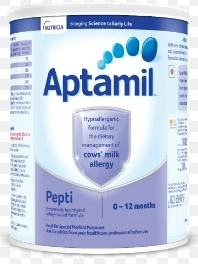
Aptamil Pepti Infant Formula 0 to 12 Months Tin 400gm
Brand: Nutricia International Private Limited
₹2000.00₹1960.00
View Details
Neocate LCP Infant Formula Powder 400GM
Brand: Nutricia International Private Limited
₹3300.00₹3234.00
View Details
Web Stories


Popular Lab Test






Live Doctor consultation
Live Doctor Chat

Fees ₹99
General Physician

Dr. Syed Mukhtar Mohiuddin
MBBS, MD , Fellowship in Diabetes Mellitus (UK)
- 7 Years
- English
Available at 00:00 to 07:00
Fees ₹99
General Physician
Fees ₹99
General Physician
Fees ₹99
General Physician
Fees ₹99
General Physician
Download Our App & Get Consultation from anywhere.