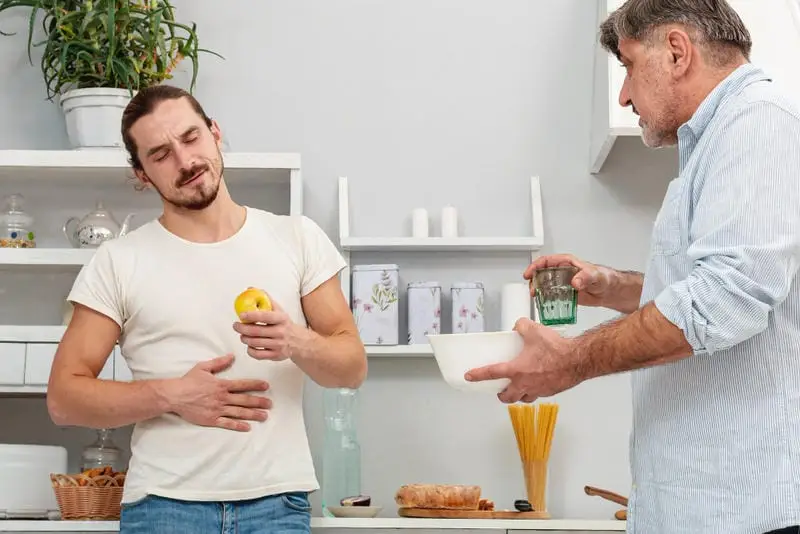
Gallbladder stones, medically known as cholelithiasis, are a common digestive condition in India. With changing diets, sedentary lifestyles and rising metabolic disorders, the incidence of gallstones has increased steadily. While many people remain symptom-free, others develop severe pain and complications that require timely gallbladder stone treatment.
Understanding treatment options helps patients make informed decisions and avoid serious outcomes.
What Are Gallbladder Stones?
Gallbladder stones are solid deposits that form in the gallbladder, a small organ that stores bile.
They form due to:
-
excess cholesterol in bile
-
imbalance of bile salts
-
incomplete gallbladder emptying
Stones may be single or multiple and vary in size.
Types of Gallbladder Stones
Cholesterol Stones
The most common type, often yellowish and related to metabolic factors.
Pigment Stones
Dark stones associated with liver disease or blood disorders.
The type of stone influences treatment choices.
When Is Treatment Needed?
Not all gallstones require immediate intervention.
Asymptomatic Gallstones
If stones cause no symptoms, doctors may recommend:
-
observation
-
lifestyle advice
-
periodic monitoring
ICMR guidelines note that many silent stones never cause problems.
Symptomatic Gallstones
Treatment is recommended if stones cause:
-
abdominal pain
-
nausea or vomiting
-
fever or infection
-
bile duct obstruction
Symptoms often indicate active disease.
Common Symptoms That Indicate Treatment
Typical signs include:
-
severe pain in the upper right abdomen
-
pain radiating to the back or shoulder
-
bloating and indigestion
-
nausea after fatty meals
Recurrent symptoms usually require definitive treatment.
Non-Surgical Gallbladder Stone Treatment
Observation and Lifestyle Changes
For mild or occasional symptoms:
-
low-fat diet
-
weight management
-
regular meals
This approach does not remove stones but may reduce attacks.
Oral Dissolution Therapy
Medicines like ursodeoxycholic acid can dissolve cholesterol stones.
Limitations include:
-
suitable only for small cholesterol stones
-
long treatment duration
-
high recurrence rate
WHO and Lancet reviews suggest limited effectiveness.
Shock Wave Lithotripsy
Rarely used due to:
-
limited availability
-
recurrence risk
-
incomplete stone clearance
This method is not commonly recommended.
Surgical Treatment: The Gold Standard
Laparoscopic Cholecystectomy
This is the most effective and commonly used treatment.
Procedure involves:
-
removal of the gallbladder
-
small incisions
-
minimal blood loss
It permanently eliminates stone formation.
Why Gallbladder Removal Is Recommended
Removing the gallbladder:
-
prevents recurrence
-
reduces complication risk
-
offers definitive cure
The body adapts well without the gallbladder.
Safety and Recovery After Surgery
Laparoscopic surgery benefits include:
-
short hospital stay
-
minimal pain
-
faster recovery
-
return to normal activities in days
Complication rates are low when performed early.
When Emergency Surgery Is Required
Immediate treatment is needed if gallstones cause:
-
acute cholecystitis
-
pancreatitis
-
bile duct infection
-
jaundice with fever
Delayed treatment increases risk of severe outcomes.
Gallstones and Pancreatitis
Stones entering the bile duct can block pancreatic enzymes.
This causes:
-
severe abdominal pain
-
vomiting
-
life-threatening inflammation
NITI Aayog reports gallstones as a leading cause of acute pancreatitis in India.
Gallbladder Stones in Special Populations
Pregnancy
Treatment is usually conservative unless complications occur.
Diabetics
Early surgery is often advised due to higher complication risk.
Elderly
Treatment decisions balance symptom severity and surgical risk.
Post-Treatment Diet and Lifestyle
After gallbladder removal:
-
small, frequent meals help digestion
-
high-fat foods may cause discomfort initially
-
gradual dietary normalisation occurs
Most patients resume normal eating patterns.
Can Gallstones Recur After Surgery?
No. Once the gallbladder is removed, stones cannot form there again.
However, bile duct stones may rarely occur and require separate management.
Importance of Early Diagnosis
Early detection through:
-
ultrasound
-
liver function tests
helps prevent emergencies and complex surgeries.
NFHS-5 data indicates delayed presentation increases complication rates.
Role of Preventive Health Checkups
Routine abdominal imaging can detect gallstones early, especially in:
-
overweight individuals
-
diabetics
-
people with abdominal pain history
Preventive care reduces hospitalisation risk.
When to Consult a Doctor
Seek medical advice if:
-
pain is recurrent or severe
-
fever or jaundice develops
-
digestive symptoms worsen
Timely care prevents serious complications.
Conclusion
Gallbladder stone treatment depends on symptoms, stone characteristics and patient health. While many stones remain silent, symptomatic gallstones often require definitive surgical treatment to prevent recurrence and complications. Laparoscopic gallbladder removal is safe, effective and widely recommended for long-term relief. Early diagnosis, appropriate treatment selection and preventive health awareness are key to protecting digestive health and avoiding emergency situations.
References
- Indian Council of Medical Research (ICMR) – Gallstone Disease and Digestive Health Reports
- World Health Organization (WHO) – Digestive System Disorders Guidelines
- National Family Health Survey (NFHS-5) – Digestive and Metabolic Health Data
- Lancet – Gallstone Disease Management and Outcomes
- NITI Aayog – Surgical Care and Non-Communicable Disease Reports
- Statista – Gallstone Prevalence and Treatment Trends