- Published on: Jul 17, 2023
- 2 minute read
- By: Secondmedic Expert
Exploring The Importance Of OPD Coverage In Health Insurance




In the realm of medical expenses, outpatient costs usually pale in comparison to inpatient expenses. However, a recent study conducted by ET Prime sheds light on a surprising revelation - outpatient department (OPD) expenses account for approximately 62% of healthcare costs in India. As healthcare expenses continue to soar, it becomes crucial to consider health insurance plans that include comprehensive OPD coverage. This article aims to provide readers with a thorough understanding of OPD coverage in health insurance and the associated benefits.
Understanding OPD Coverage in Health Insurance
OPD coverage within health insurance pertains to situations where individuals require medical attention without the need for hospitalization. This coverage acts as a financial safeguard, protecting policyholders from the financial burdens associated with OPD-related treatments and consultations. OPD treatments can be received by visiting a doctor's clinic and paying the consultation fees. Alternatively, hospitals may provide support and medical assistance through their general OPD ward.
Virtually all health insurance companies offer a variety of plans that incorporate OPD treatments. OPD coverage is designed to cater to expenses that are not covered during inpatient hospitalization.
Advantages of OPD Coverage in Health Insurance Plans
Let us delve into the advantages associated with having OPD coverage within health insurance plans:
1. Claiming Medical Expenses: OPD coverage allows individuals to claim medical expenses incurred without the need for hospitalization, thus providing much-needed financial relief.
2. Coverage for Diagnostic Charges, Consultation Fees, and Pharmacy Bills: Comprehensive OPD coverage encompasses diagnostic charges, doctor's consultation fees, and pharmacy bills, ensuring individuals receive holistic medical support.
3. Essential for Regular OPD Visits: For those who require frequent OPD visits due to ongoing medical conditions, OPD coverage becomes indispensable for effectively managing associated expenses.
4. Tax Savings: OPD coverage can contribute to tax savings, providing an additional financial advantage for policyholders.
Eligibility Criteria for OPD Coverage
Eligibility criteria for OPD coverage are not universally defined but depend on the specific health insurance plan an individual purchases. If a health insurance plan includes OPD expenses, the policyholder can avail themselves of all the associated benefits.Inclusions of
OPD Cover in Health Insurance
- OPD coverage typically encompasses the following aspects within health insurance plans:
- Doctor consultations
- OPD treatments
- Dental treatments
- Vaccinations
- Pharmacy expenses
- Diagnostic tests
Exclusions Under OPD Cover in Health Insurance
While OPD coverage provides comprehensive benefits, it is important to be aware of exclusions. The following items are generally excluded from OPD coverage in health insurance:
- Treatments related to purification, beautification, panchakarma, detoxification, etc.
- Expenses for lenses, spectacles, hearing aids, implants, prosthetic devices, braces, etc.
- Treatment received outside the country.
- Preventive health check-ups.
- Investigational experiments.
- Investigational treatments.
- Infertility and sterility-related conditions.
- Complications arising from pregnancy, miscarriage, etc.
OPD Treatment vs. Daycare Treatment
Although OPD treatment and daycare treatment share similarities, there are important technical distinctions between the two:
- Daycare Treatment:
- Requires hospitalization for less than one day.• Settlement of claims is honored only for hospitalizations lasting up to 24 hours.
- OPD Treatment:
- Does not require hospitalization.
- Settlement of claims is honored even without hospitalization.
Outpatient Treatment vs. Inpatient Treatment
Outpatient treatments and inpatient treatments differ significantly from each other. Let us explore the differences between OPD and IPD treatments:
Outpatient Treatment:
- No hospital admission required.
- Does not necessitate hospitalization.
- Inpatient Treatment:
-
Requires hospitalization for more than one day.
- Individuals must be admitted to the hospital for the duration of the treatment.
Reasons to Consider Health Insurance Plans with OPD Coverage
Obtaining a health insurance plan with OPD coverage offers numerous advantages. Considering the increasing trend of consultations and OPD treatments, the following individuals should contemplate purchasing health insurance plans that include OPD coverage:
• Individuals aged between 25 to 40 years.
• Senior citizens.
• Retired individuals.
• Fitness enthusiasts.
By comprehending the significance of OPD coverage within health insurance plans, individuals can make informed decisions about their healthcare needs, ensuring both medical support and financial security.
Read FAQs
A. OPD coverage in health insurance refers to the inclusion of benefits for outpatient department visits, medical expenses, diagnostic tests, doctor consultations, and pharmacy bills.
A. OPD coverage provides financial protection for medical expenses incurred without hospitalization, including consultation fees, diagnostic charges, and pharmacy bills. It helps manage healthcare costs effectively and offers tax savings in some cases.
A. OPD coverage usually includes doctor consultations, OPD treatments, dental treatments, vaccinations, pharmacy expenses, and diagnostic tests within the health insurance plan.
A. Exclusions under OPD coverage may vary, but common exclusions include treatments related to purification, beautification, investigational experiments, infertility and sterility-related conditions, and complications arising from pregnancy or miscarriage.
A. OPD treatment does not require hospitalization and claims can be settled without hospitalization. Daycare treatment requires hospitalization for less than one day, while inpatient treatment requires hospitalization for more than one day.
A. Individuals aged between 25 to 40 years, senior citizens, retired individuals, and fitness enthusiasts should consider health insurance plans with OPD coverage to effectively manage their healthcare expenses and ensure financial security.


Switch Soda with Detox Water: A Simple Step Toward Better Metabolic Health
Soda and sugary beverages have become a major contributor to India’s rising burden of metabolic diseases. According to NFHS-5 and ICMR data, high intake of sugary drinks significantly increases the risk of obesity, high blood sugar, fatty liver disease and heart problems. Replacing these drinks with detox water is one of the easiest and most sustainable lifestyle changes for preventive health.
Detox water is not a medical treatment-it is a healthy hydration alternative that supports the body’s natural processes. SecondMedic encourages simple, evidence-based swaps like this to help individuals improve daily habits without drastic diets.
Why Soda Is a Major Health Concern in India
1. Extremely high sugar content
A single can of soda contains:
-
8-10 teaspoons of sugar
-
Over 140 empty calories
This spikes glucose levels and increases insulin resistance.
2. Artificial additives
Flavours, colours and preservatives strain the liver and may worsen inflammation.
3. Link to chronic diseases
ICMR and Lancet studies show soda consumption increases risk of:
-
Type 2 diabetes
-
Hypertension
-
Weight gain
-
Non-alcoholic fatty liver disease (NAFLD)
4. Poor hydration
Soda does not hydrate the body. Caffeine and sugar can actually increase dehydration.
Benefits of Switching to Detox Water
Detox water provides hydration and additional wellness support through natural ingredients.
• Improved metabolism
Ingredients like lemon, ginger and cinnamon support metabolic balance.
• Better digestion
Mint and ginger soothe the digestive system.
• Stable blood sugar
Sugar-free detox blends prevent rapid glucose spikes.
• Enhanced hydration
Water absorption improves when infused with electrolytes and antioxidants.
• Reduced cravings
Replacing soda breaks dependence on sugar.
• Skin health improvement
Hydration + antioxidants help reduce dullness and inflammation.
Popular Detox Water Ingredients and Their Benefits
Lemon
Rich in vitamin C and antioxidants, helps improve digestion and immunity.
Mint
Reduces bloating and supports gut comfort.
Cucumber
Hydrates deeply and reduces water retention.
Cinnamon
Known for supporting stable blood sugar.
Ginger
Anti-inflammatory and excellent for digestion.
Apple slices
Add natural sweetness without added sugar.
Berries
High in antioxidants; good for heart health.
Easy Detox Water Recipes
1. Lemon + Ginger Detox
Supports metabolic health and digestion.
2. Cucumber + Mint Hydration Blend
Great for daily hydration and cooling.
3. Apple + Cinnamon Water
Helps stabilise glucose naturally.
4. Mixed Berry Infused Water
Boosts antioxidant levels for skin and heart health.
5. Turmeric + Lemon Detox
Mild anti-inflammatory properties.
How Detox Water Helps Reduce Soda Dependence
1. Replaces sweetness gradually
Natural fruit flavours reduce the urge for sugary beverages.
2. Keeps you full
Hydration decreases cravings, especially in the evening.
3. Offers variety
Different combinations keep the habit interesting.
4. Improves energy
Consistent hydration reduces fatigue and brain fog.
The Science Behind Hydration and Metabolic Health
According to WHO and NITI Aayog health reports:
-
Hydration improves nutrient transport
-
Helps maintain blood pressure
-
Aids liver detoxification
-
Supports kidney function
Soda disrupts these processes, while detox water supports them.
How SecondMedic Helps You Transition from Soda to Healthy Hydration
• AI Health Guide
Identifies sugar consumption patterns and suggests healthier beverage alternatives.
• Dietitian support
Provides personalised hydration plans for metabolic health.
• Preventive care tracking
Monitors progress for weight, energy and blood sugar.
• Health education
SecondMedic guides families, teenagers and adults on sustainable lifestyle swaps.
Tips to Make the Switch Successfully
1. Start gradually
Replace one soda per day with detox water.
2. Add natural flavour
Use citrus or herbs to enhance taste.
3. Keep it accessible
Carry a bottle to avoid impulse soda purchases.
4. Choose chilled detox water
Cold drinks create a similar refreshing experience.
5. Track your progress
Energy and digestion improve noticeably within 2-3 weeks.
Conclusion
Switching soda with detox water is a small step with big preventive health benefits. It reduces sugar intake, supports metabolic wellness, improves hydration and strengthens long-term health. With personalized recommendations from SecondMedic, this transition becomes easy, enjoyable and effective.
References
• ICMR - Sugar Consumption & Metabolic Health Report
• NFHS-5 - Obesity, Diet and Lifestyle Indicators
• NITI Aayog - Preventive Health & Hydration Behaviour Study
• WHO - Health Effects of Sugary Drinks
• Lancet - Soda Consumption & Disease Burden India
• Statista - Beverage Consumption Trends in India
• EY-FICCI - Lifestyle Behaviour & Preventive Health Report
Our Services
Request A Callback
Recent Posts



Aptamil Pepti Infant Formula 0 to 12 Months Tin 400gm
Brand: Nutricia International Private Limited
₹2000.00₹1960.00
View Details
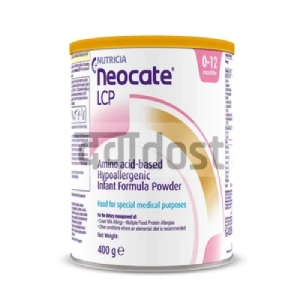
Neocate LCP Infant Formula Powder 400GM
Brand: Nutricia International Private Limited
₹3300.00₹3234.00
View Details
Web Stories


Popular Lab Test






Live Doctor consultation
Live Doctor Chat

Fees ₹99
General Physician
Fees ₹99
General Physician
Fees ₹99
General Physician

Dr. Syed Mukhtar Mohiuddin
MBBS, MD , Fellowship in Diabetes Mellitus (UK)
- 7 Years
- English
Available at 00:00 to 07:00
Fees ₹99
General Physician
Fees ₹99
General Physician
Download Our App & Get Consultation from anywhere.