• Published on: Dec 12, 2025
  • 3 minute read
  • By: Secondmedic Expert

Home Sample Collection Services In India: The Future Of Convenient Diagnostics

  • WhatsApp share link icon
  • copy & share link icon
  • twitter share link icon
  • facebook share link icon

The rise of home sample collection services has transformed healthcare accessibility across India. As families juggle busy schedules and healthcare demands increase, doorstep diagnostic services provide a simpler, safer and more efficient way to complete essential tests.

According to NITI Aayog and Statista, home diagnostics have grown significantly in India’s digital health ecosystem, driven by convenience, urbanisation and increasing awareness of preventive care.

SecondMedic integrates at-home sample collection with expert-reviewed reports and AI-based preventive analysis, ensuring patients receive not only results-but actionable insights.

Why Home Sample Collection is Growing in India

1. Increasing demand for convenience

Long queues and travel barriers discourage people from routine testing. Home services remove these obstacles completely.

2. Rising chronic diseases

Patients with diabetes, thyroid disorders, hypertension and kidney issues need regular monitoring.

3. Growing elderly population

Seniors often face mobility issues, making home testing essential.

4. Frequent preventive checkups

Urban households are increasingly adopting preventive screening.

5. Digital health expansion

India’s telemedicine boom supports at-home diagnostics.

What Happens During Home Sample Collection?

Step 1: Booking

Patients select:

  • test

  • date

  • time

  • location
     

Step 2: Technician visit

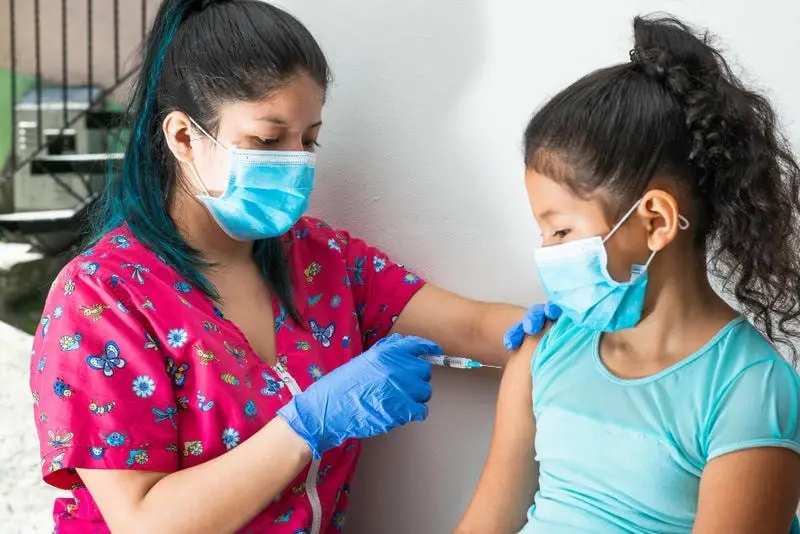
Trained phlebotomists arrive with sterile equipment.

Step 3: Sample collection

Blood, urine or swab samples are collected safely.

Step 4: Sample transport

Samples are maintained at controlled temperature and transported to accredited labs.

Step 5: Report delivery

Digital reports are shared within hours to days.

Step 6: Expert interpretation

SecondMedic doctors explain findings and suggest preventive steps.

Tests Commonly Done at Home

• CBC (Complete Blood Count)

General health screening.

• Thyroid Test

Detects hypo- or hyperthyroidism.

• Lipid Profile

Assesses cholesterol levels.

• Liver & Kidney Function

Evaluates organ health.

• Diabetes Tests

Fasting sugar and HbA1c.

• Vitamin Levels

Vitamin D and B12.

• Infection Panels

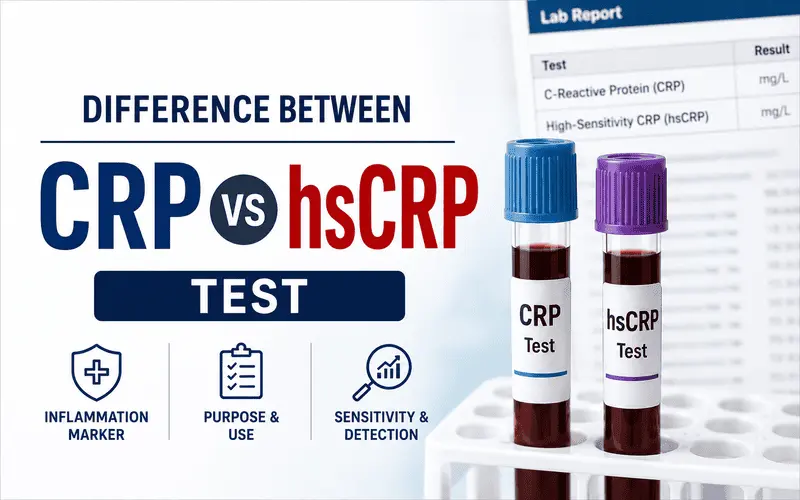
Dengue, malaria, CRP, ESR and more.

Who Should Use Home Sample Collection?

• Working professionals

Saves travel time and reduces missed appointments.

• Elderly individuals

Minimises movement and discomfort.

• People with disabilities

More accessible than hospital visits.

• Chronic patients

Convenient for frequent monitoring.

• Families with children

Stress-free for parents.

Why Home Diagnostics Are Reliable

• Certified phlebotomists

Trained professionals ensure accuracy.

• Sterile safety protocols

Reduces infection risk.

• Temperature-controlled transport

Ensures sample integrity.

• NABL-accredited labs

Guarantee high-quality testing.

• Quick report turnaround

Accelerates treatment planning.

How SecondMedic Enhances Home Sample Collection

• Easy online booking

Choose preferred time slots.

• AI Health Guide

Interprets results, identifies trends and suggests risks.

• Expert doctor review

Explains abnormalities and next steps.

• Preventive care plans

Includes nutrition, fitness and screening timelines.

• Centralised health records

All test results stored securely for future reference.

Benefits of Home Sample Collection Services

1. Convenience

Testing without travel saves time and stress.

2. Comfort

Ideal for anxious or mobility-challenged patients.

3. Better preventive health

More frequent testing improves long-term outcomes.

4. Safety

Reduces exposure in crowded hospitals.

5. Family-friendly

One appointment can serve multiple members.

Conclusion

Home sample collection services are reshaping diagnostics in India by offering convenience, safety and accessibility. Supported by expert interpretation and AI-driven insights from SecondMedic, these services form a powerful foundation for preventive health and long-term wellness.

References

• ICMR - Diagnostic Protocols & Community Health Screening
• NFHS-5 - Health Utilisation & Testing Patterns
• NITI Aayog - Digital Health & At-Home Diagnostics Report
• WHO - Community-Based Sample Collection Standards
• Lancet Digital Health - Effectiveness of Home Diagnostics
• Statista India - At-Home Healthcare Market Growth
• EY-FICCI - Patient Preferences in Preventive Healthcare

Read FAQs


A. A service where trained phlebotomists visit your home to collect blood or urine samples for diagnostic testing.

A. Seniors, working professionals, people with disabilities, chronic patients and families needing frequent tests.

A. Yes. They follow strict hygiene, temperature control and timely transport protocols.

A. Blood sugar, CBC, thyroid tests, lipid profile, vitamin levels, infection panels and more.

A. Through easy booking, safe collection, quick reports and expert review.

Read Blog
Pale skin

Pale Skin Symptoms: Causes, Health Conditions, and When to Seek Medical Care

Skin colour provides important clues about internal health. When the skin becomes noticeably lighter than usual, it may indicate an underlying medical condition. Pale skin symptoms, also referred to as pallor, are commonly associated with reduced blood flow, low hemoglobin levels or impaired oxygen delivery to tissues.

In India, pale skin is frequently linked to anemia, nutritional deficiencies and chronic illnesses, making early recognition essential.


What Is Pale Skin?

Pale skin refers to:

  • lighter-than-normal skin tone

  • reduced redness

  • pale appearance of lips, gums or nail beds

It can affect the entire body or specific areas such as the face or hands.

Common Pale Skin Symptoms

Typical signs include:

  • pale face or complexion

  • pale lips or tongue

  • light-colored gums

  • pale nail beds

  • cold hands and feet

  • fatigue and weakness

These symptoms often occur together.


Most Common Causes of Pale Skin

Anemia

Anemia occurs when hemoglobin levels are low.

This reduces oxygen delivery to tissues, causing:

  • pale skin

  • fatigue

  • breathlessness

  • dizziness

NFHS-5 reports anemia affects a large proportion of Indian adults, especially women.


Iron Deficiency

Iron deficiency is the leading cause of anemia.

Contributing factors include:

  • poor dietary intake

  • blood loss

  • absorption problems

ICMR identifies iron deficiency as a major public health issue.


Poor Blood Circulation

Reduced circulation causes:

  • less blood reaching the skin

  • visible pallor

Conditions such as heart disease or shock impair circulation.


Acute Blood Loss

Sudden blood loss from:

  • injury

  • gastrointestinal bleeding

  • heavy menstrual bleeding

can cause rapid pallor and weakness.


Chronic Diseases

Chronic illnesses such as:

  • kidney disease

  • liver disease

  • cancer

often cause anemia and pallor over time.


Infections and Inflammation

Severe infections cause:

  • blood vessel constriction

  • redistribution of blood flow

This leads to pale or clammy skin.


Nutritional Deficiencies

Deficiencies of:

  • vitamin B12

  • folate

affect red blood cell production and cause pallor.


Hormonal Imbalance

Conditions like hypothyroidism reduce metabolic activity, causing:

  • pale, dry skin

  • fatigue

Thyroid disorders are common but underdiagnosed.


Genetic Conditions

Inherited disorders such as thalassemia affect hemoglobin production, leading to chronic pallor.


Pale Skin in Children and Older Adults

Children:

  • may develop pallor due to iron deficiency or infections

Older adults:

  • often develop pallor due to chronic disease or nutritional deficiency

Both groups need careful evaluation.


Warning Signs That Need Immediate Medical Attention

Seek urgent care if pale skin is associated with:

  • sudden weakness

  • chest pain

  • breathlessness

  • fainting

  • rapid heartbeat

These may indicate serious medical emergencies.


How Pale Skin Affects Daily Life

Persistent pallor often causes:

  • low energy

  • reduced physical endurance

  • difficulty concentrating

Quality of life may decline without treatment.


Diagnostic Evaluation

Doctors may recommend:

  • complete blood count

  • iron studies

  • vitamin B12 and folate levels

  • kidney and liver function tests

Identifying the cause is critical for treatment.


Role of Preventive Health Checkups

Preventive screening helps detect:

  • early anemia

  • nutritional deficiencies

  • chronic disease

Early treatment prevents complications.


Management and Treatment Options

Treatment depends on cause and may include:

  • iron or vitamin supplementation

  • treatment of underlying disease

  • dietary correction

  • medical therapy for chronic conditions

Self-treatment without diagnosis should be avoided.


Lifestyle Measures to Prevent Pallor

Helpful strategies include:

  • balanced diet rich in iron and vitamins

  • adequate hydration

  • regular health monitoring

  • treating infections early

Lifestyle changes support long-term health.


Importance of Early Detection

Ignoring pale skin delays diagnosis of:

  • anemia

  • internal bleeding

  • chronic illness

Early recognition improves outcomes.


Conclusion

Pale skin symptoms are more than a cosmetic concern. They often signal anemia, poor circulation, nutritional deficiencies or underlying medical conditions. While temporary pallor may occur due to minor causes, persistent or sudden pale skin requires medical evaluation. Early diagnosis, preventive health screening and appropriate treatment can restore normal skin tone, improve energy levels and protect long-term health.


References

  • Indian Council of Medical Research (ICMR) – Anemia and Nutritional Deficiency Reports

  • National Family Health Survey (NFHS-5) – Anemia and Adult Health Data

  • World Health Organization (WHO) – Anemia and Circulatory Health

  • Lancet – Pallor, Anemia and Chronic Disease Research

  • NITI Aayog – Preventive Healthcare and Early Symptom Detection

See all

Live Doctor consultation
Live Doctor Chat

Download Our App & Get Consultation from anywhere.

App Download
call icon for mobile number calling and whatsapp at secondmedic