• Published on: Aug 31, 2023
  • 2 minute read
  • By: Secondmedic Expert

Empowering Women's Reproductive Health: The Significance Of Pregnancy Test Kits

  • WhatsApp share link icon
  • copy & share link icon
  • twitter share link icon
  • facebook share link icon

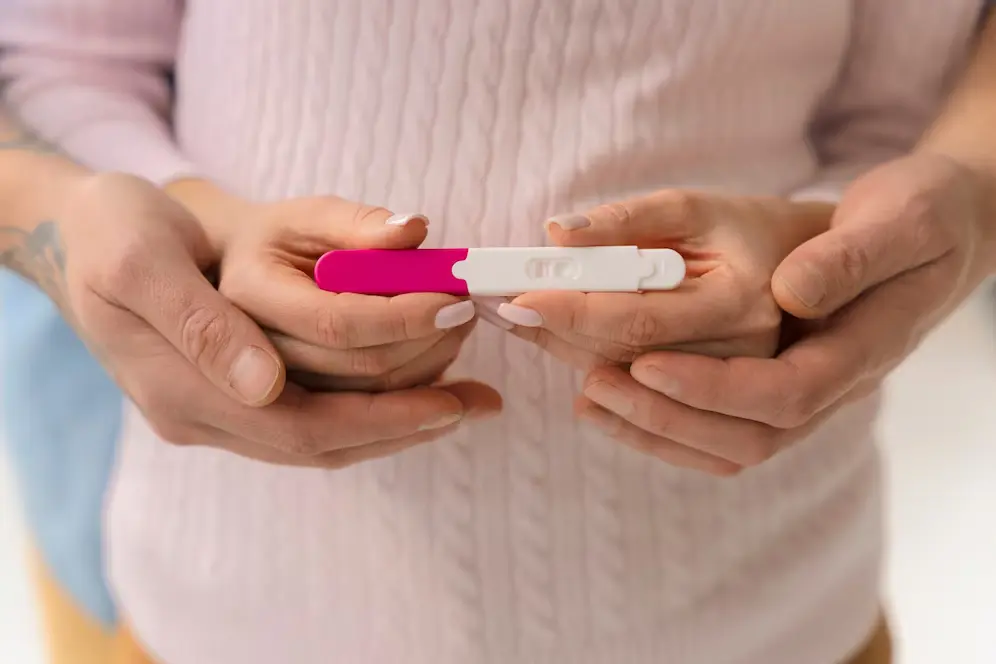
Are home pregnancy test kits a reliable option for early detection and ensuring privacy? How have these kits evolved over time, and what role do they play in empowering women's reproductive health decisions? Explore the significance of pregnancy test kits in our latest blog, as we delve into their accuracy, the convenience they offer, and their contribution to women's agency over their bodies. Discover how these unassuming tools have revolutionized the way women approach family planning and gain insights into their role in promoting informed decisions and timely actions

In the realm of women's reproductive health, there are few tools as revolutionary as the pregnancy test kit. These unassuming devices have transformed the way women approach family planning, enabling them to take charge of their reproductive journeys and make informed decisions. From early detection to privacy and convenience, pregnancy test kits have played a pivotal role in empowering women's agency over their bodies.

Evolution of Pregnancy Testing: From Uncertainty to Confidence

The journey of pregnancy testing has come a long way from the days of uncertain methods and anxiety-filled waiting. Historically, women relied on observations of missed periods, changes in appetite, and other bodily signs to determine pregnancy. However, these methods were often unreliable and subject to individual interpretations.

Enter the modern era of pregnancy testing with home pregnancy test kits. These kits have revolutionized the process by offering a clear, accurate, and rapid method for detecting pregnancy. With a simple dip or application of urine on the designated area, women can receive results within minutes. This transition from ambiguity to certainty has had a profound impact on women's emotional well-being during this critical juncture.

Privacy and Convenience: Empowering Women's Agency

One of the most significant contributions of pregnancy test kits is their provision of privacy and convenience. In a world where personal decisions can be subject to scrutiny, having a discreet way to determine pregnancy status is invaluable. Home pregnancy test kits allow women to take the test in the comfort of their homes, shielding them from judgment and unnecessary stress.

Privacy is deeply intertwined with agency. When women can make reproductive health decisions in a space where they feel safe and empowered, they are more likely to take control of their choices. Pregnancy test kits enable women to choose when and how they want to engage with the information, leading to a heightened sense of ownership over their bodies and reproductive paths.

Timely Decisions and Family Planning

One of the most significant advantages of pregnancy test kits is their ability to detect pregnancy at an early stage. Early detection is not just about confirming pregnancy; it's about providing women with the necessary information to make timely decisions. Whether it's adjusting lifestyle habits, seeking prenatal care, or making choices about continuing or terminating the pregnancy, early detection empowers women to take proactive steps.

The phrase "knowledge is power" couldn't be truer in the context of reproductive health. Knowing early whether one is pregnant allows women to plan for the future, both in terms of their personal lives and potential medical needs. This early knowledge also opens the door to seeking proper medical care, which is crucial for the health of both the mother and the developing fetus.

User-Friendly Technology: Breaking Barriers

Pregnancy test kits have also broken down barriers related to understanding and usage. These kits are designed to be user-friendly, with clear instructions and minimal steps. This accessibility ensures that women from diverse backgrounds and education levels can easily utilize these tools to gain insights into their reproductive health.

Additionally, the availability of different types of pregnancy test kits, such as early detection pregnancy test kits and urine pregnancy test kits, caters to individual preferences and needs. This diversity ensures that every woman can find a suitable option that aligns with her circumstances and requirements.

Conclusion

In the journey towards women's empowerment, pregnancy test kits stand as a remarkable milestone. They offer more than just a binary answer; they provide women with knowledge, control, and agency over their reproductive health. From eliminating uncertainty to ensuring privacy, enabling timely decisions to breaking down barriers, these unassuming kits have changed the landscape of women's reproductive health for the better. As we celebrate their significance, let us also recognize the ongoing need to prioritize women's reproductive well-being and provide them with the tools they need to lead empowered lives.

Read FAQs


A. Yes, modern home pregnancy test kits are designed to be highly accurate when used according to the provided instructions. These kits work by detecting the hormone hCG (human chorionic gonadotropin) in urine, which is produced during pregnancy. However, for the most accurate results, it's recommended to wait until after your missed period to take the test. If you have any doubts or concerns about the results, consulting a healthcare professional is advisable.

A. Early detection pregnancy test kits are designed to detect pregnancy even before your missed period. Some of these kits claim to provide accurate results as early as six days before your expected period. Keep in mind that the accuracy of these tests may vary, and it's essential to follow the instructions carefully for the best results. However, since hCG levels increase rapidly after implantation, testing closer to your missed period generally yields more reliable results.

A. Yes, most urine pregnancy test kits can be used at any time of the day. However, the concentration of hCG in your urine is typically higher in the morning, which might increase the accuracy of the results. If you choose to test later in the day, it's a good idea to avoid excessive fluid intake for a few hours before taking the test to prevent dilution of the urine sample. Always follow the specific instructions provided with the test kit for the best results.

Read Blog
women

early signs of hormonal imbalance

Hormones act as chemical messengers that regulate nearly every function in the body, from metabolism and mood to sleep, growth and reproduction. When hormone levels fall out of balance, the effects can be widespread and often confusing. Understanding the early signs of hormonal imbalance is essential because these changes are frequently subtle and mistaken for stress, ageing or lifestyle fatigue.

According to endocrine and public health studies, many adults live with undiagnosed hormonal imbalances for years, allowing symptoms to worsen and increase the risk of chronic health conditions.


What Is Hormonal Imbalance?

Hormonal imbalance occurs when:

  • hormone production is too high or too low
     

  • hormone release timing is disrupted
     

  • feedback mechanisms fail
     

Even small imbalances can cause noticeable symptoms because hormones influence multiple organ systems simultaneously.


Why Hormonal Imbalances Are Increasing

Modern lifestyles contribute significantly to hormonal disruption.

Key factors include:

  • chronic stress
     

  • poor sleep
     

  • sedentary behaviour
     

  • processed diets
     

  • environmental toxins
     

  • ageing and metabolic changes
     

These factors strain the endocrine system over time.

Common Early Signs of Hormonal Imbalance

Persistent Fatigue

Unexplained, ongoing tiredness is one of the earliest signs.

Hormonal causes include:

  • thyroid dysfunction
     

  • cortisol imbalance
     

  • insulin resistance
     

Fatigue that does not improve with rest requires evaluation.


Unexplained Weight Changes

Sudden weight gain or loss without dietary changes may signal:

  • thyroid hormone imbalance
     

  • insulin resistance
     

  • cortisol dysregulation
     

Hormonal weight changes often occur around the abdomen.


Mood Swings and Emotional Changes

Hormones directly influence brain chemistry.

Early emotional signs include:

  • irritability
     

  • anxiety
     

  • low mood
     

  • poor stress tolerance
     

These symptoms are often misattributed to mental health alone.


Sleep Disturbances

Hormones regulate circadian rhythm.

Imbalances may cause:

  • difficulty falling asleep
     

  • frequent waking
     

  • non-restorative sleep
     

Poor sleep further worsens hormonal disruption.


Changes in Appetite and Cravings

Hormonal shifts affect hunger signals.

People may experience:

  • intense sugar cravings
     

  • irregular appetite
     

  • overeating despite fullness
     

These changes are linked to insulin and cortisol imbalance.


Skin, Hair and Nail Changes

Early physical signs include:

  • acne in adulthood
     

  • hair thinning or hair fall
     

  • dry skin
     

  • brittle nails
     

These often reflect thyroid, androgen or estrogen imbalance.


Menstrual or Reproductive Changes

In women, early signs include:

  • irregular periods
     

  • heavy or painful menstruation
     

  • missed cycles
     

In men, symptoms may include:

  • reduced libido
     

  • fatigue
     

  • mood changes
     

Reproductive symptoms are key indicators of hormonal health.


Hormonal Imbalance and Metabolic Health

Hormonal disruption affects:

  • blood sugar regulation
     

  • fat metabolism
     

  • cholesterol balance
     

Left untreated, this increases the risk of diabetes, obesity and heart disease.


Why Early Symptoms Are Often Ignored

Hormonal imbalance is frequently overlooked because:

  • symptoms develop gradually
     

  • signs are non-specific
     

  • people self-manage with lifestyle changes alone
     

Unfortunately, delay allows progression.


Conditions Commonly Linked to Hormonal Imbalance

Hormonal imbalances may underlie:

  • thyroid disorders
     

  • polycystic ovary syndrome (PCOS)
     

  • insulin resistance
     

  • adrenal fatigue patterns
     

  • menopause-related changes
     

Early detection simplifies management.


Importance of Early Diagnosis

Identifying hormonal imbalance early:

  • prevents complications
     

  • reduces medication dependence
     

  • improves quality of life
     

  • supports metabolic and mental health
     

Early intervention is more effective and less invasive.


How Hormonal Imbalance Is Evaluated

Evaluation may include:

  • symptom assessment
     

  • blood hormone testing
     

  • metabolic screening
     

  • lifestyle analysis
     

Testing is guided by symptoms and clinical findings.


Lifestyle Measures That Support Hormonal Balance

Stress Management

Reducing stress normalises cortisol and improves overall hormone regulation.


Sleep Hygiene

Consistent sleep schedules support endocrine rhythm.


Balanced Nutrition

Adequate protein, fibre and micronutrients support hormone production.


Physical Activity

Regular movement improves insulin sensitivity and hormonal balance.


When to Seek Medical Advice

Consult a healthcare professional if:

  • symptoms persist beyond weeks
     

  • multiple symptoms occur together
     

  • quality of life declines
     

  • weight, mood or sleep changes worsen
     

Early evaluation prevents long-term damage.


Long-Term Risks of Untreated Hormonal Imbalance

Ignoring symptoms may lead to:

  • infertility
     

  • metabolic syndrome
     

  • osteoporosis
     

  • chronic fatigue
     

  • mental health disorders
     

Early care significantly reduces these risks.


Conclusion

Early signs of hormonal imbalance often appear subtle but reflect deeper endocrine disruption. Persistent fatigue, weight changes, mood swings, sleep problems and skin changes are not just lifestyle issues—they are signals the body should not ignore. Recognising these early signs and seeking timely medical evaluation allows for effective management, prevents chronic disease and restores long-term health balance. Hormonal health is foundational to wellbeing, and early action makes all the difference.


References

  • Indian Council of Medical Research (ICMR) – Endocrine and Metabolic Health Report

  •  National Institute of Nutrition (NIN) – Hormones and Metabolism Research

  • World Health Organization (WHO) – Endocrine System and Hormonal Health Guideline

  •  Lancet – Hormonal Imbalance and Chronic Disease Studies

  • Indian Journal of Endocrinology and Metabolism – Hormone Disorder Research

  • Statista – Hormonal Health and Lifestyle Trends India

See all

Live Doctor consultation
Live Doctor Chat

Download Our App & Get Consultation from anywhere.

App Download
call icon for mobile number calling and whatsapp at secondmedic