• Published on: Dec 05, 2025
  • 4 minute read
  • By: Secondmedic Expert

Digital Fitness And Wellness Solutions In India: The Future Of Preventive Health

  • WhatsApp share link icon
  • copy & share link icon
  • twitter share link icon
  • facebook share link icon

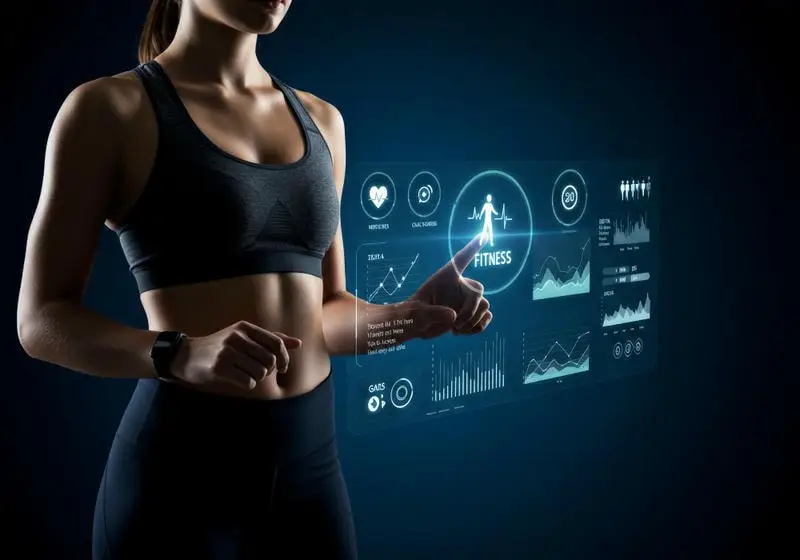
Digital fitness and wellness solutions are reshaping how India approaches daily health. The rise of smart wearables, AI-driven coaching, virtual fitness platforms and personalised wellness dashboards has empowered millions of Indians to monitor, track and improve their health with precision. In a country battling rising lifestyle diseases, increasing stress levels and high work pressure, digital wellness solutions offer an accessible path to preventive healthcare.

SecondMedic integrates digital health tools, AI insights and expert-led wellness frameworks to support individuals in building sustainable fitness habits. This blog explores the current state, growth and impact of digital fitness and wellness solutions in India.

The Rise of Digital Wellness in India

India’s digital health adoption has accelerated dramatically over the last decade. According to the NITI Aayog Digital Health Report, India is among the world’s fastest-growing digital wellness markets, driven by smartphone penetration, affordable wearables and growing lifestyle disease awareness.

NFHS-5 data highlights major health challenges:

  • Rising obesity

  • Sedentary behaviour among urban adults

  • Increasing diabetes and hypertension

  • Lower cardiovascular fitness across age groups
     

This shift has created demand for accessible, personalised and continuous wellness support-something traditional gym models cannot offer alone.

What Are Digital Fitness and Wellness Solutions?

Digital fitness solutions use technology to guide, track and manage physical activity, nutrition and overall wellness. Key components include:

1. Smart Wearables

Fitness bands and smartwatches monitor:

  • Heart rate

  • Physical activity

  • Sleep

  • Stress

  • Calorie expenditure

  • Blood oxygen levels
     

2. AI-Powered Coaching

AI analyses data to deliver personalised:

  • Workout plans

  • Recovery strategies

  • Step goals

  • Heart rate-based training insights

  • Stress reduction recommendations
     

3. Virtual Fitness Platforms

These offer:

  • Online workout classes

  • Yoga and meditation sessions

  • Strength and cardio routines

  • Condition-specific exercise plans

  • Community challenges
     

4. Health and Nutrition Apps

Apps track:

  • Diet quality

  • Water intake

  • Macronutrients

  • Weight management

  • Lifestyle routines
     

5. Remote Wellness Monitoring

SecondMedic integrates smart monitoring that evaluates vitals and provides preventive feedback to users.

Why Digital Fitness Solutions Are Thriving in India

1. Convenience

Users can track their health anytime, anywhere-ideal for India's fast-paced work culture.

2. Personalisation

AI adjusts plans based on:

  • Fitness levels

  • Sleep quality

  • Body response

  • Health goals

  • Daily fatigue
     

3. Affordability

Digital platforms cost far less than traditional gyms or personal trainers.

4. Early Detection

Wearables often detect abnormal heart rate or activity decline, prompting early medical attention.

5. Engagement

Gamified step goals and fitness challenges motivate consistent participation.

Impact on Chronic Disease Management

India faces a chronic disease crisis.
ICMR reports show:

  • Diabetes cases rising across all age groups

  • High prevalence of hypertension

  • Declining metabolic health in urban populations
     

Digital tools help manage chronic conditions by providing:

  • Activity reminders

  • Heart rate alerts

  • Sleep quality insights

  • Stress tracking

  • Weight monitoring
     

These metrics are crucial in preventing long-term complications.

How AI Enhances Digital Wellness

AI offers deeper insights by analysing multiple data points simultaneously.

AI evaluates patterns in:

  • Heart rate variability

  • Step counts

  • Recovery speed

  • Blood oxygen levels

  • Sleep cycles

  • Lifestyle choices
     

AI generates personalised recommendations that evolve as the user’s health changes.
SecondMedic uses AI-driven health scoring to support preventive monitoring.

Digital Fitness in Rural and Semi-Urban India

Improved digital connectivity has brought wellness tools to smaller towns.
Statista data shows rapid adoption of smart wearables in Tier 2 and Tier 3 cities.

Digital solutions help overcome:

  • Limited access to fitness centres

  • Lack of wellness professionals

  • Minimal preventive health awareness
     

Online coaching and mobile apps empower people regardless of geography.

Example of a Daily Digital Wellness Routine

Morning:

  • Guided breathing via app

  • 20-minute virtual workout

  • Step goal activation
     

Afternoon:

  • Hydration reminders

  • Post-meal walk tracking
     

Evening:

  • Stretching session

  • Sleep preparation routine

  • Wearable-connected sleep analysis
     

SecondMedic supports users with personalised dashboards and continuous insight updates.

The Future of Digital Fitness in India

Integrated Health Platforms

One ecosystem combining fitness, nutrition, vitals and telemedicine.

AI-Based Disease Prediction

Predicting hypertension, diabetes progression and burnout risks.

Virtual Reality Fitness

Immersive workouts for engagement and accessibility.

Smart Home Fitness Equipment

Connected treadmills, smart weights and AI trainers.

Conclusion

Digital fitness and wellness solutions are helping India shift from reactive to preventive health. With the support of AI, wearables, virtual coaching and personalised dashboards, individuals now have the tools to improve their health daily. SecondMedic is advancing this movement by integrating digital monitoring, AI health scoring and expert consultations into a unified wellness ecosystem-supporting India in building healthier futures.

References

• NITI Aayog - National Digital Health Blueprint & Digital Wellness Strategy
• National Family Health Survey (NFHS-5), Ministry of Health & Family Welfare
• ICMR NCD Burden Report - Lifestyle Diseases in India
• WHO Guidelines on Physical Activity, Sedentary Behaviour & Digital Health
• Statista India Fitness Tech & Wearable Adoption Report
• Lancet Digital Health - AI in Personalized Wellness
• EY-FICCI Virtual Care & Digital Wellness Transformation Report


Read FAQs


A. They include wearables, virtual workouts, AI coaching, health apps, personalised dashboards and remote wellness support for everyday fitness.

A. Working professionals, older adults, chronic disease patients, beginners and anyone needing structured fitness guidance.

A. AI analyses heart rate, steps, sleep, calories and exercise history to provide customised fitness recommendations.

A. Yes. When combined with consistent coaching, nutrition tracking and activity monitoring, digital programmes improve fat loss and metabolism.

A. SecondMedic integrates AI health scoring, remote monitoring, guided activity plans and preventive analytics for personalised daily wellness.

Read Blog
meetings

Walking Meetings via Voice Chat: A Smarter Way to Boost Health and Productivity in Remote Teams

Remote work has transformed how teams collaborate, but it has also increased sedentary behaviour. Long hours of sitting in front of screens contribute to fatigue, musculoskeletal pain and reduced mental focus. In this context, walking meetings conducted via voice chat have emerged as a simple yet effective corporate wellness practice that aligns productivity with health.

Walking meetings do not require additional time, special equipment or complex planning. They simply reimagine how meetings are conducted.


The Sedentary Challenge in Remote Work

According to WHO and ICMR data:

  • prolonged sitting increases the risk of heart disease, diabetes and musculoskeletal problems

  • remote employees often sit longer than office-based workers

  • screen fatigue negatively affects mental health and productivity

Traditional video meetings unintentionally reinforce inactivity.


What Are Walking Meetings?

Walking meetings are conversations held while participants walk instead of sitting.

In remote settings, these meetings:

  • are conducted via voice calls

  • eliminate the need for video screens

  • allow participants to move freely

They are ideal for one-on-one discussions, team check-ins and brainstorming sessions.


Why Voice Chat Works Best for Walking Meetings

Voice-only meetings:

  • reduce screen dependency

  • allow safer movement

  • encourage active listening

Without visual distractions, participants often engage more deeply in conversation.


Health Benefits of Walking Meetings

Reduced Sedentary Time

Even short walks help:

  • improve blood circulation

  • reduce stiffness

  • activate muscles

WHO recommends breaking prolonged sitting every 30–60 minutes.


Cardiovascular Support

Regular walking:

  • improves heart health

  • lowers blood pressure

  • supports metabolic health

Incorporating movement into meetings contributes to daily activity goals.


Musculoskeletal Relief

Walking reduces:

  • neck and back strain

  • shoulder tension

  • joint stiffness

This is particularly valuable for desk-bound employees.


Mental Health and Cognitive Benefits

Improved Focus and Creativity

Movement increases blood flow to the brain.

Studies cited by Lancet show that walking enhances:

  • problem-solving

  • creativity

  • memory recall

Many people report clearer thinking during walking discussions.


Stress Reduction

Walking helps:

  • lower cortisol levels

  • improve mood

  • reduce mental fatigue

This supports emotional wellbeing in high-pressure work environments.


Productivity Benefits for Organisations

Walking meetings:

  • reduce meeting fatigue

  • improve engagement

  • shorten meeting duration due to focused discussion

Employees often return to tasks feeling refreshed rather than drained.


Cultural Shift Toward Wellness-Oriented Work

Encouraging walking meetings signals:

  • trust in employees

  • commitment to wellbeing

  • flexibility in work culture

This improves morale and retention.


How to Implement Walking Meetings in Remote Teams

Simple steps include:

  • designating certain meetings as “audio-only”

  • encouraging participants to walk indoors or outdoors

  • keeping meetings concise

  • sharing agendas in advance

Clear guidelines ensure safety and effectiveness.


Safety and Practical Considerations

Best practices include:

  • avoiding walking in unsafe or crowded areas

  • using earphones for clarity

  • walking at a comfortable pace

  • pausing movement when taking notes

Inclusivity is important—walking should be optional, not mandatory.


Who Benefits Most from Walking Meetings?

Walking meetings are especially helpful for:

  • remote workers

  • hybrid teams

  • roles with frequent discussions

  • employees experiencing screen fatigue

They are less suitable for data-heavy presentations.


Walking Meetings as Part of Corporate Wellness Programs

Walking meetings complement:

  • ergonomics initiatives

  • mental health programs

  • physical activity challenges

They integrate wellness into daily workflows rather than adding extra tasks.


Long-Term Impact on Workplace Health

Over time, organisations adopting movement-friendly practices observe:

  • reduced burnout

  • improved energy levels

  • healthier work routines

Preventive health strategies are most effective when embedded into daily habits.


Role of Preventive Healthcare Awareness

NITI Aayog and WHO emphasise lifestyle modification as a core preventive health strategy.

Walking meetings align perfectly with this approach by:

  • reducing inactivity

  • promoting movement

  • supporting mental wellbeing

Small changes deliver cumulative benefits.


Conclusion

Walking meetings conducted via voice chat are a practical, low-cost and highly effective way to improve employee health and productivity in remote teams. By replacing sedentary meetings with movement-based conversations, organisations can reduce screen fatigue, enhance focus and support long-term wellbeing. In a remote-first world, walking meetings represent a smarter way to work—where productivity and health move forward together.


References

  • World Health Organization (WHO) – Physical Activity and Sedentary Behaviour Guidelines
  • Indian Council of Medical Research (ICMR) – Lifestyle and Non-Communicable Disease Reports
  • Lancet – Physical Activity, Cognition and Workplace Health Studies

See all

Live Doctor consultation
Live Doctor Chat

Download Our App & Get Consultation from anywhere.

App Download
call icon for mobile number calling and whatsapp at secondmedic