- Published on: May 02, 2020
- 3 minute read
- By: Secondmedic Expert
The Most Common Liver Issues




Imagine your liver as the superhero of your body – it's the biggest organ and does a ton of important jobs. But sometimes, it faces challenges known as liver diseases. In India, we've got some common liver issues that are a big deal for our health. In this guide, we're going to chat about these common liver problems, figuring out what causes them, spotting their signs, and checking out ways to treat them. Ready to explore with us? Let's go!
Hepatitis:
Think of hepatitis as an unwelcome guest that bothers our liver. It shows up when our liver gets upset with things like harmful stuff, too much drinking, getting sick, or when our body's defense system gets a bit mixed up. Most of the time, it's viruses playing the troublemaker and causing hepatitis.
Hepatitis A: This is a really catchy virus that usually spreads through dirty food or water. It's usually a quick illness, and most of the time, it goes away on its own without causing any lasting problems.
Hepatitis B: It spreads through things like blood and semen. It can be a short-term sickness or a long-term one. Sometimes, if it's long-term, you need treatment to feel better.
Hepatitis C: This kind of hepatitis spreads when you come into contact with infected blood. If it stays in your body for a long time, it can really hurt your liver. That's why it's so important to get checked early on to catch it before it causes serious problems.
You can get vaccines to protect yourself from Hepatitis A and B, which lower the chance of getting sick. To avoid getting Hepatitis C, it's important to practice safe sex and not share personal items, like razors or toothbrushes, that might have blood on them.
Fatty Liver Disease:
In simple terms, fatty liver disease happens when too much fat builds up in the liver. There are two main types of this condition.
Nonalcoholic Fatty Liver Disease (NAFLD): It is not caused by heavy drinking. It starts with a simple buildup of fat in the liver and can develop into a more serious condition called nonalcoholic steatohepatitis (NASH), which may lead to cirrhosis.
Alcoholic Fatty Liver Disease: When you drink too much alcohol, it can cause a problem in your liver called Alcoholic Fatty Liver Disease. This liver issue goes through different stages, like alcoholic hepatitis and cirrhosis, as it gets more serious.
In simpler terms, liver problems might not show strong signs until they become serious. So, it's super important to make lifestyle changes like eating healthy and exercising to help manage any symptoms. In really bad situations, a liver transplant might be needed.
Autoimmune Conditions:
In autoimmune conditions, the immune system mistakenly attacks healthy cells. Some autoimmune diseases specifically target liver cells:
Autoimmune Hepatitis: When the body's defense system mistakenly attacks the liver, it can cause inflammation. This inflammation may lead to serious liver issues like cirrhosis and liver failure.
Primary Biliary Cirrhosis (PBC): When the tubes that carry bile in the liver get hurt, it causes bile to build up. If not taken care of, this can lead to cirrhosis and liver failure.
Primary Sclerosing Cholangitis: This is a condition where inflammation causes harm to the tubes that carry bile in your liver. This damage leads to a buildup of bile over time, causing problems for your liver.
Genetic Conditions:
Some liver problems are passed down from your mom or dad, and they're caused by your family's genes.
Hemochromatosis: When your body absorbs too much iron, it piles up in your organs. If not taken care of, it can make your organs stop working properly.
Wilson's Disease: This is a rare problem where the liver absorbs too much copper. Over time, it can harm the liver and even affect other parts of the body.
Alpha-1 Antitrypsin Deficiency: This is when your liver doesn't make enough of an important protein or doesn't release it properly. As a result, this protein piles up in your liver.
Liver Cancer:
Liver cancer is a serious concern, especially if you already have liver problems. There are two main types: hepatocellular carcinoma, which starts in the liver, and metastatic liver cancer, which comes from somewhere else in the body and spreads to the liver.
If you have liver diseases, especially cirrhosis, you're at a higher risk of getting liver cancer. It's important to notice signs like yellowing of the skin (jaundice), a swollen belly, and feeling very tired without a clear reason. If you notice these signs, it's crucial to see a doctor quickly for diagnosis and treatment.
Symptoms of Liver Disease
When your liver isn't doing well, it can send you some signals. Watch out for things like yellowing skin or eyes (jaundice), a swollen belly, changes in poop and pee colors, easy bruising, diarrhea, feeling queasy, confusion, and extreme tiredness. If you notice any of these signs, don't wait – see a doctor promptly to boost your chances of feeling better.
Liver Failure:
Liver failure is a serious situation where the liver can't work like it should. There are two types: chronic, which happens slowly and is linked with cirrhosis, and acute, which comes on suddenly, often because of poisoning or an overdose. In the acute case, quick medical help, like a liver transplant, is needed urgently.
Having different liver diseases shows how crucial it is to know why they happen, what signs to watch out for, and how they can be treated. Whether it's infections like hepatitis, problems with too much fat in the liver, issues where the body attacks its own liver cells, or conditions you inherit from your parents, each one has its own challenges.
Finding these problems early, making lifestyle changes, and using advanced medical treatments like liver transplants are really important to deal with liver diseases and keep your overall health in check. If you notice any symptoms that might be related to your liver, it's super important to talk to a doctor as soon as possible to figure out what's going on and get the right treatment.
Read FAQs
A. The most common liver disease is Hepatitis, with various forms like Hepatitis A, B, and C being prevalent. These can be caused by viruses, toxins, or immune system issues.
A. Stage 5 liver failure, also known as end-stage liver disease, is the most severe phase where the liver is significantly damaged and can no longer function properly. It often requires advanced medical interventions like a liver transplant.
A. The early signs of a struggling liver include jaundice (yellowing of skin and eyes), abdominal swelling, changes in stool and urine color, easy bruising, diarrhea, nausea, confusion, fatigue, and weakness. Seeking medical attention for these symptoms is crucial for a timely diagnosis and treatment.


Heart Related Health Issues: Early Warning Signs You Should Not Ignore
Heart related health issues remain one of the leading causes of illness and death worldwide. Despite advancements in medical care, many heart conditions are diagnosed late because early symptoms are subtle, misunderstood or ignored. Understanding early warning signs of heart related health issues is crucial, as timely action can prevent life-threatening events such as heart attacks and strokes.
Public health data consistently shows that most cardiovascular events are preceded by warning signals that appear weeks, months or even years earlier. Recognising these signs allows for early intervention and better long-term outcomes.
What Are Heart Related Health Issues?
Heart related health issues include conditions that affect:
-
the heart muscle
-
coronary arteries
-
heart valves
-
electrical system of the heart
Common conditions include coronary artery disease, heart failure, arrhythmias and hypertension-related heart damage.
Why Heart Problems Often Go Unnoticed
Heart disease is often called a “silent killer” because:
-
symptoms develop gradually
-
early signs are mild
-
discomfort is mistaken for fatigue or indigestion
-
people delay medical evaluation
Unfortunately, waiting for severe pain or emergencies increases risk.
Early Warning Signs of Heart Related Health Issues
Chest Discomfort
Chest pain or discomfort is the most recognised warning sign, but it does not always feel severe.
It may present as:
-
pressure
-
tightness
-
heaviness
-
burning sensation
Chest discomfort may come and go and worsen with exertion.
Breathlessness
Shortness of breath during routine activities or at rest may indicate:
-
reduced heart pumping capacity
-
fluid buildup in lungs
Breathlessness is often an early sign of heart failure or coronary disease.
Unusual Fatigue
Persistent, unexplained fatigue can signal reduced blood supply to the body.
People may notice:
-
exhaustion after minimal activity
-
reduced stamina
-
prolonged recovery after exertion
Fatigue is frequently overlooked as stress or ageing.
Palpitations or Irregular Heartbeat
Feeling the heart race, flutter or skip beats may indicate rhythm disturbances.
Symptoms include:
-
rapid heartbeat
-
pounding sensation
-
irregular pulse
Some arrhythmias increase stroke risk if untreated.
Dizziness or Lightheadedness
Reduced blood flow to the brain can cause:
-
dizziness
-
fainting spells
-
imbalance
These symptoms may signal heart rhythm or blood pressure issues.
Swelling in Legs or Ankles
Fluid retention in lower limbs suggests:
-
weakened heart function
-
poor circulation
Swelling often worsens by evening and improves overnight.
Pain in Other Areas
Heart-related pain may radiate to:
-
left arm
-
neck
-
jaw
-
back
-
upper abdomen
This atypical pain is common and frequently misdiagnosed.
Symptoms That Are More Common in Women
Women may experience:
-
nausea
-
jaw pain
-
back pain
-
extreme fatigue
-
shortness of breath without chest pain
These non-classic symptoms often delay diagnosis.
Risk Factors for Heart Related Health Issues
Major risk factors include:
-
high blood pressure
-
diabetes
-
high cholesterol
-
smoking
-
obesity
-
sedentary lifestyle
-
chronic stress
-
family history
Risk increases when multiple factors coexist.
Why Early Detection Is Critical
Early diagnosis:
-
prevents heart attacks
-
reduces heart muscle damage
-
lowers hospitalisation risk
-
improves quality of life
Most heart conditions are manageable when detected early.
How Heart Problems Are Diagnosed
Evaluation may involve:
-
blood pressure measurement
-
blood tests
-
electrocardiogram (ECG)
-
imaging studies
-
stress testing
Tests are chosen based on symptoms and risk profile.
Treatment and Management
Medical Management
Depending on the condition:
-
medications
-
lifestyle changes
-
monitoring
Early treatment slows disease progression.
Lifestyle Modification
Lifestyle plays a major role in heart health:
-
balanced diet
-
regular physical activity
-
stress management
-
adequate sleep
-
smoking cessation
Lifestyle changes significantly reduce risk.
Preventive Measures for Heart Health
-
regular health checkups
-
blood pressure and sugar monitoring
-
cholesterol screening
-
physical activity
-
heart-healthy diet
Prevention is the most effective strategy against heart disease.
When to Seek Immediate Medical Help
Seek urgent care if:
-
chest pain is severe or persistent
-
breathlessness occurs suddenly
-
fainting happens
-
pain radiates to arm or jaw
Prompt action saves lives.
Long-Term Impact of Ignoring Warning Signs
Ignoring early symptoms may lead to:
-
heart attack
-
stroke
-
heart failure
-
permanent heart damage
-
sudden cardiac events
Delayed care increases mortality risk.
Conclusion
Heart related health issues rarely appear suddenly without warning. The body often sends early signals such as chest discomfort, fatigue, breathlessness and palpitations long before emergencies occur. Recognising these early warning signs and seeking timely medical evaluation can prevent serious complications and save lives. Heart health requires awareness, proactive care and early action—because when it comes to the heart, ignoring symptoms is a risk no one should take.
References
-
Indian Council of Medical Research (ICMR) – Cardiovascular Disease Report
-
World Health Organization (WHO) – Cardiovascular Health Guidelines
-
National Heart Institute – Early Signs of Heart Disease
-
Lancet – Global Burden of Cardiovascular Disease Studies
-
Indian Journal of Cardiology – Heart Disease Detection and Preventio
-
Statista – Heart Disease Trends and Risk Factors
Our Services
Request A Callback
Recent Posts



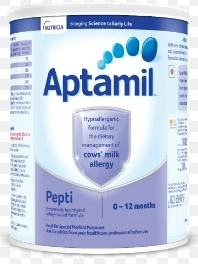
Aptamil Pepti Infant Formula 0 to 12 Months Tin 400gm
Brand: Nutricia International Private Limited
₹2000.00₹1960.00
View Details


Neocate LCP Infant Formula Powder 400GM
Brand: Nutricia International Private Limited
₹3300.00₹3234.00
View Details
Web Stories


Popular Lab Test






Live Doctor consultation
Live Doctor Chat

Fees ₹99
General Physician
Fees ₹99
General Physician
Fees ₹99
General Physician

Dr. Syed Mukhtar Mohiuddin
MBBS, MD , Fellowship in Diabetes Mellitus (UK)
- 7 Years
- English
Available at 00:00 to 07:00
Fees ₹99
General Physician
Fees ₹99
General Physician
Download Our App & Get Consultation from anywhere.