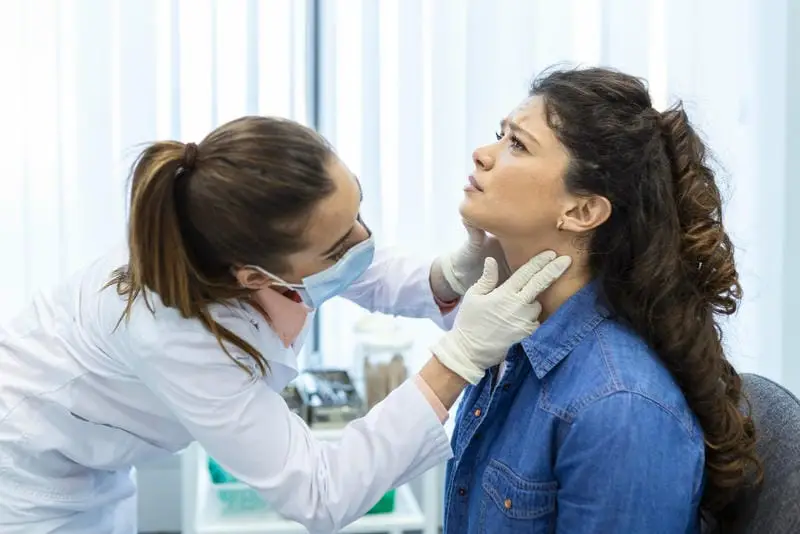
Thyroid problems are among the most common hormonal disorders affecting women. The thyroid gland, a small butterfly-shaped organ located in the neck, plays a critical role in regulating metabolism, energy levels, body temperature and hormonal balance. When thyroid function becomes abnormal, it can disrupt multiple body systems.
Women are significantly more likely than men to develop thyroid disorders. According to Indian epidemiological data and ICMR reports, thyroid disorders affect millions of women across different age groups, often remaining undiagnosed for years.
Why Thyroid Problems Are More Common in Women
Women experience multiple hormonal transitions throughout life, including:
-
puberty
-
pregnancy
-
postpartum period
-
menopause
These hormonal fluctuations influence immune function and thyroid regulation, increasing the risk of thyroid imbalance. Autoimmune thyroid disorders, which are more common in women, further contribute to this disparity.
Types of Thyroid Problems in Women
Hypothyroidism
Hypothyroidism occurs when the thyroid gland produces insufficient thyroid hormones.
It is the most common thyroid disorder in women.
Hyperthyroidism
Hyperthyroidism results from excessive thyroid hormone production, speeding up body functions.
Thyroiditis
Inflammation of the thyroid gland, often temporary, commonly occurs after pregnancy or viral illness.
Thyroid Nodules
Lumps in the thyroid gland, usually benign but requiring evaluation.
Common Symptoms of Thyroid Problems in Women
Symptoms often develop gradually and are frequently mistaken for stress or ageing.
Symptoms of Hypothyroidism
-
persistent fatigue
-
unexplained weight gain
-
cold intolerance
-
dry skin and hair loss
-
constipation
-
heavy or irregular periods
-
depression or low mood
Symptoms of Hyperthyroidism
-
weight loss despite normal appetite
-
rapid heartbeat
-
heat intolerance
-
anxiety or irritability
-
excessive sweating
-
irregular or missed periods
-
muscle weakness
Why Thyroid Symptoms Are Often Missed
Thyroid symptoms overlap with common life issues such as:
-
stress
-
postpartum changes
-
work-related fatigue
-
nutritional deficiencies
This leads to delayed diagnosis and prolonged suffering.
Impact of Thyroid Problems on Women’s Health
Menstrual and Reproductive Health
Thyroid imbalance can cause:
-
irregular menstrual cycles
-
heavy or scanty bleeding
-
ovulation issues
-
infertility
Proper thyroid control is essential for reproductive health.
Pregnancy Complications
Untreated thyroid disorders during pregnancy increase the risk of:
-
miscarriage
-
preterm birth
-
low birth weight
-
developmental issues in the baby
Routine screening is critical for expectant mothers.
Mental Health Effects
Thyroid hormones influence brain chemistry.
Imbalance may cause:
-
depression
-
anxiety
-
mood swings
-
poor concentration
Mental health symptoms often improve with thyroid correction.
Metabolic and Cardiovascular Impact
Thyroid dysfunction affects:
-
cholesterol levels
-
heart rate
-
blood pressure
Long-term untreated thyroid disease increases cardiovascular risk.
Causes and Risk Factors of Thyroid Problems
Common contributing factors include:
-
autoimmune disorders
-
iodine imbalance
-
family history
-
pregnancy-related immune changes
-
certain medications
Environmental and nutritional factors also play a role.
Diagnosis of Thyroid Problems in Women
Diagnosis typically involves blood tests measuring:
-
TSH (thyroid-stimulating hormone)
-
T3 and T4 thyroid hormones
Additional tests may include:
-
thyroid antibodies
-
ultrasound
Early testing ensures timely treatment.
Importance of Early Detection
According to ICMR and Lancet endocrinology studies:
-
early diagnosis prevents complications
-
treatment improves quality of life
-
reproductive and metabolic outcomes improve
Screening is especially important for women with symptoms or family history.
Management and Treatment Options
Treatment depends on the type and severity of thyroid disorder.
Hypothyroidism
Managed with thyroid hormone replacement under medical supervision.
Hyperthyroidism
May require medication, monitoring or specialised interventions.
Lifestyle Support
Medical treatment is supported by:
-
balanced nutrition
-
stress management
-
regular follow-ups
Lifestyle alone cannot correct thyroid disorders but improves outcomes.
Living Well with Thyroid Problems
With proper treatment:
-
symptoms become manageable
-
normal activity resumes
-
long-term complications are reduced
Adherence to treatment and monitoring is key.
When Women Should Get Tested
Thyroid testing is recommended if experiencing:
-
unexplained fatigue or weight change
-
menstrual irregularities
-
infertility
-
postpartum symptoms
-
family history of thyroid disease
Proactive testing prevents prolonged health issues.
Conclusion
Thyroid problems in women are common, underdiagnosed and impactful. Hormonal changes, autoimmune factors and life stages increase vulnerability, making awareness crucial. Early recognition of symptoms, timely blood tests and appropriate medical care can prevent long-term complications affecting fertility, mental health and metabolism. With accurate diagnosis and consistent management, women with thyroid disorders can lead healthy, active and balanced lives.
References
- Indian Council of Medical Research (ICMR) – Thyroid Disorder Prevalence Studies
- National Family Health Survey (NFHS-5) – Women’s Hormonal Health Data
- World Health Organization (WHO) – Thyroid Diseases and Women’s Health
- Lancet Endocrinology – Thyroid Disorders and Long-Term Outcomes
- NITI Aayog – Non-Communicable Disease and Women’s Health Reports
- Indian Journal of Endocrinology and Metabolism – Thyroid Research in Women