• Published on: Jan 19, 2026
  • 3 minute read
  • By: Secondmedic Expert

Causes Of Sudden Hair Fall: Why Hair Loss Happens All Of A Sudden

  • WhatsApp share link icon
  • copy & share link icon
  • twitter share link icon
  • facebook share link icon

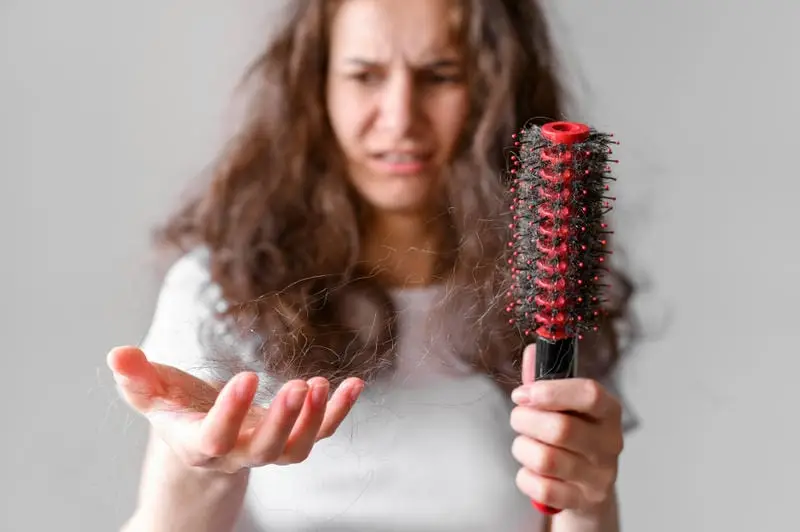
Hair fall is a common concern, but when hair loss increases suddenly and noticeably, it often causes anxiety. Many people assume sudden hair fall is permanent or genetic, but in reality, it is frequently linked to internal health disturbances. Understanding the causes of sudden hair fall helps identify reversible triggers and prevents long-term damage.

In India, sudden hair shedding is increasingly reported due to lifestyle stress, nutritional gaps and post-illness recovery.

Understanding Normal vs Sudden Hair Fall

Losing 50–100 hair strands daily is normal.

Sudden hair fall is characterised by:

  • excessive shedding while combing or washing

  • hair thinning over weeks

  • visible hair strands on pillows or floors

This pattern indicates a disruption in the hair growth cycle.

Telogen Effluvium: The Most Common Cause

The most frequent reason for sudden hair fall is telogen effluvium.

In this condition:

  • hair prematurely enters the resting phase

  • shedding occurs 2–3 months after a trigger

Triggers include stress, illness or nutritional deficiency.

Stress and Emotional Shock

Severe physical or emotional stress disrupts hair growth.

Common stressors include:

  • job pressure

  • emotional trauma

  • anxiety disorders

  • sleep deprivation

ICMR studies confirm stress as a major contributor to acute hair shedding.

Fever, Infections and Post-Illness Hair Fall

High fever or infections such as:

  • viral illnesses

  • dengue

  • COVID-19

  • typhoid

can cause sudden hair fall weeks after recovery. The body redirects energy toward healing, temporarily affecting hair follicles.

Nutritional Deficiencies

Hair follicles require continuous nutrient supply.

Deficiencies commonly linked to hair fall include:

  • iron deficiency (low hemoglobin)

  • vitamin B12 deficiency

  • low protein intake

  • zinc deficiency

NFHS-5 reports widespread micronutrient deficiencies in Indian adults.

Hormonal Imbalance

Hormones strongly influence hair growth.

Sudden hair fall may be linked to:

  • thyroid disorders

  • postpartum hormonal changes

  • polycystic ovary syndrome (PCOS)

  • sudden hormonal medication changes

Thyroid imbalance is a frequent but underdiagnosed cause.

Rapid Weight Loss or Crash Dieting

Extreme dieting deprives hair follicles of nutrients.

Hair fall occurs when:

  • calories are drastically reduced

  • protein intake is inadequate

  • weight loss is rapid

This form of hair fall is usually reversible with nutritional correction.

Medications and Medical Treatments

Certain medications cause temporary hair shedding, including:

  • chemotherapy drugs

  • antidepressants

  • blood pressure medicines

  • isotretinoin

Hair regrowth usually resumes after treatment ends.

Scalp and Skin Conditions

Scalp health affects hair retention.

Conditions causing sudden hair fall include:

  • severe dandruff

  • fungal infections

  • scalp inflammation

Treating scalp disorders reduces shedding.

Autoimmune Conditions

Autoimmune disorders such as alopecia areata cause sudden hair loss in patches.

Early diagnosis improves outcomes.

Lifestyle Factors Worsening Hair Fall

Contributing lifestyle habits include:

  • irregular sleep

  • smoking

  • poor hydration

  • excessive heat styling

  • harsh chemical treatments

These worsen underlying triggers.

Psychological Impact of Sudden Hair Fall

Hair loss affects self-esteem and mental health.

Stress caused by hair fall can:

  • worsen shedding

  • create a vicious cycle

Addressing emotional wellbeing is important.

How Sudden Hair Fall Is Diagnosed

Evaluation may include:

  • detailed medical history

  • blood tests for iron, B12 and thyroid

  • nutritional assessment

Identifying the root cause ensures effective treatment.

Treatment and Recovery Timeline

Once the trigger is corrected:

  • hair fall reduces within weeks

  • regrowth begins within 2–3 months

Most cases recover fully.

Prevention Strategies

Preventive measures include:

  • balanced diet

  • stress management

  • adequate sleep

  • regular health checkups

  • avoiding extreme diets

WHO emphasises nutrition and stress control for hair health.

When to Seek Medical Advice

Consult a doctor if:

  • hair fall is sudden and excessive

  • shedding lasts over three months

  • hair fall is accompanied by fatigue or weight changes

Early care prevents chronic issues.

Conclusion

The causes of sudden hair fall are usually internal and reversible rather than permanent hair disorders. Stress, illness, nutritional deficiencies and hormonal imbalances are the most common triggers. Recognising these causes early allows timely correction and full recovery. Instead of panic or cosmetic over-treatment, medical evaluation and lifestyle correction are the most effective solutions. Healthy hair begins with a healthy body.

References

  • Indian Council of Medical Research (ICMR) – Nutrition and Hair Health Studies
  • National Family Health Survey (NFHS-5) – Micronutrient Deficiency Data
  • World Health Organization (WHO) – Nutrition and Stress Health Guidelines
  • Lancet – Telogen Effluvium and Hair Cycle Research
  • NITI Aayog – Preventive Health and Lifestyle Reports
  • Statista – Hair Loss and Lifestyle Health Trends

Read FAQs


A. Stress, fever, illness, nutritional deficiency, hormonal imbalance and rapid weight changes.

A. In most cases, it is temporary and reversible with proper treatment.

A. Yes. Severe stress can push hair into a shedding phase called telogen effluvium.

Read Blog
Employee Wall

Employee Wall of Fame: Celebrating Uniqueness to Build a Positive Workplace Culture

In today’s evolving workplaces, employee engagement is no longer driven solely by compensation or job titles. People seek recognition, inclusion and a sense of belonging. One of the most effective yet simple ways to achieve this is through an Employee Wall of Fame. By celebrating individuality and contribution, organisations can create a culture where employees feel seen, valued and motivated.

Recognition is not a luxury. It is a fundamental driver of organisational wellbeing and performance.


Why Recognition Matters in the Workplace

Recognition fulfills a basic human need: appreciation.

When employees feel recognised:

  • morale improves

  • motivation increases

  • loyalty strengthens

  • burnout reduces

According to global workplace studies, lack of recognition is one of the top reasons for employee disengagement.


What Is an Employee Wall of Fame?

An Employee Wall of Fame is a physical or digital space dedicated to highlighting employees for their achievements, values, creativity or unique strengths.

It may showcase:

  • professional accomplishments

  • teamwork contributions

  • innovation and problem-solving

  • leadership qualities

  • personal milestones

The focus is not competition, but appreciation.


Celebrating Uniqueness, Not Just Performance

Traditional recognition often focuses only on targets or numbers.

A Wall of Fame expands recognition to include:

  • collaboration

  • consistency

  • empathy

  • creativity

  • positive attitude

This approach ensures diverse strengths are valued.


Psychological Impact of Workplace Recognition

Recognition positively affects mental health.

Benefits include:

  • improved self-esteem

  • reduced stress

  • increased sense of purpose

  • stronger emotional connection to work

WHO recognises psychosocial wellbeing as a key component of healthy workplaces.


Inclusion and Belonging Through Recognition

Celebrating uniqueness supports inclusion.

It helps:

  • recognise diverse backgrounds

  • reduce bias

  • promote equal visibility

When employees see people like themselves being appreciated, trust and belonging grow.


Employee Wall of Fame as a Culture-Building Tool

Culture is shaped by what organisations choose to celebrate.

A visible Wall of Fame:

  • reinforces company values

  • sets behavioural standards

  • inspires others

It becomes a living reflection of organisational culture.


Types of Recognition on a Wall of Fame

Achievement-Based Recognition

For milestones, project success or innovation.

Value-Based Recognition

For demonstrating company values such as integrity or teamwork.

Peer Recognition

Employees nominate colleagues, increasing engagement.

Personal Growth Recognition

Celebrating learning, upskilling or personal achievements.


How an Employee Wall of Fame Improves Engagement

Engaged employees:

  • perform better

  • collaborate more

  • stay longer

EY-FICCI workplace studies show recognition-driven programs significantly improve engagement scores.


Impact on Productivity and Performance

Recognition creates positive reinforcement.

Employees who feel valued:

  • take ownership of work

  • show initiative

  • maintain consistency

Appreciation fuels sustained performance.


Supporting Mental Wellbeing at Work

Recognition reduces workplace stress by:

  • validating effort

  • reducing feelings of invisibility

  • encouraging positive feedback loops

Mental wellbeing improves when employees feel respected and acknowledged.


How to Design an Effective Employee Wall of Fame

Key principles include:

  • inclusivity

  • transparency

  • fairness

  • consistency

Clear criteria prevent bias and ensure credibility.


Physical vs Digital Wall of Fame

Physical Wall

Creates visual impact in office spaces.

Digital Wall

Ideal for remote or hybrid teams.

Both formats can coexist for maximum reach.


Frequency of Updates Matters

Stale recognition loses impact.

Best practices include:

  • monthly highlights

  • quarterly rotations

  • special occasion features

Fresh content sustains enthusiasm.


Role of Leadership in Recognition

Leadership participation strengthens impact.

When leaders:

  • nominate employees

  • share appreciation publicly

recognition becomes part of organisational identity.


Employee Participation and Ownership

Encouraging peer nominations:

  • increases engagement

  • reduces hierarchy

  • builds mutual respect

Recognition becomes a shared responsibility.


Measuring the Impact of Recognition Initiatives

Impact can be assessed through:

  • engagement surveys

  • retention metrics

  • feedback forms

  • participation rates

Data-driven insights help refine programs.


Long-Term Benefits of Celebrating Uniqueness

Over time, organisations experience:

  • stronger culture

  • higher retention

  • improved employer branding

  • healthier workplace relationships

Recognition is a long-term investment, not a one-time activity.


Common Mistakes to Avoid

Avoid:

  • recognising only top performers

  • favouritism

  • lack of transparency

  • irregular updates

Consistency and fairness are essential.


Employee Wall of Fame as Part of Holistic Wellness

Recognition complements:

  • mental health initiatives

  • team-building programs

  • wellness activities

A supportive culture enhances overall wellbeing.


Conclusion

An Employee Wall of Fame is more than a display—it is a statement of values. By celebrating uniqueness and recognising diverse contributions, organisations create workplaces where people feel valued, motivated and connected. In an era where employee wellbeing and engagement define success, recognition-driven initiatives like a Wall of Fame play a vital role in building resilient, inclusive and high-performing teams. Celebrating people is not just good culture—it is good leadership.


References

  • World Health Organization (WHO) – Workplace Mental Health and Wellbeing
  • EY-FICCI – Employee Engagement and Workplace Culture Reports
  • NITI Aayog – Future of Work and Organisational Wellbeing Studies
  • Lancet – Psychosocial Work Environment Research
  • Statista – Global Employee Engagement and Recognition Trends

See all

Live Doctor consultation
Live Doctor Chat

Download Our App & Get Consultation from anywhere.

App Download
call icon for mobile number calling and whatsapp at secondmedic