• Published on: Apr 13, 2020
  • 3 minute read
  • By: Dr Rajan Choudhary

Unveiling Immunity's Secrets For A Strong Defense

  • WhatsApp share link icon
  • copy & share link icon
  • twitter share link icon
  • facebook share link icon

Have you ever thought about the true importance of boosting your immunity? In a world where health is paramount, understanding the intricacies of boosting your body's natural defenses has never been more important. The immune system, a complex network designed to protect us from potential threats, is the key to our well-being. In this book, we will unravel the mysteries behind the strength of the immune system, reveal effective ways to strengthen it, and explore the importance of cultivating a robust defense against disease.

What Constitutes the Immune System?

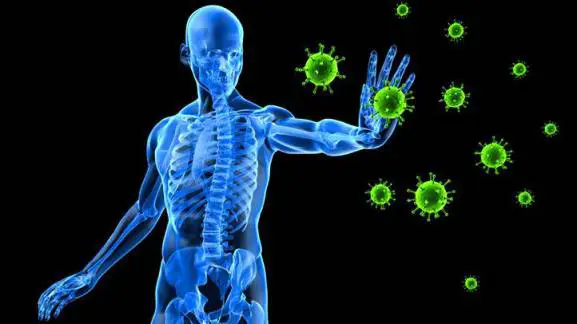
The immune system is a sophisticated defense mechanism that works tirelessly to protect our body from a variety of invaders. Made up of various cells, tissues, and organs, it acts as a vigilant guardian, always ready to ward off potential threats and maintain balance in our body.

Significance of Immune Health

The profound importance of the immune system cannot be overestimated. A strong immune system not only protects us from common colds and infections but also plays a crucial role in preventing serious illness. In a world teeming with various pathogens, knowing the methods we can use to fortify our defenses is an essential aspect of our health journey.

Immunity-Boosting Foods

When you set out to strengthen your immune system, you need to carefully consider your eating habits. Nutrient-rich foods play a crucial role in supporting optimal immune function. Consider incorporating the following foods into your daily meals.

  • Citrus fruits: Citrus fruits such as oranges and grapefruits contain a lot of vitamin C and stimulate the production of white blood cells, which are essential for fighting infections.

  •  Green leafy vegetables: Spinach, kale, and other leafy vegetables are real treasure troves of vitamins, minerals, and antioxidants that make an important contribution to a resilient immune system.

  • Berries: Berries, including blueberries and strawberries, are rich in antioxidants and help fight oxidative stress and inflammation.

Crafting a Diet Tailored for Immune Fortification

 A diet to increase the immune system is not just about individual superfoods, but about a balanced and varied diet. Take note of the following nutritional tips.

  • Protein-rich foods: Incorporate lean proteins such as poultry, fish, and pulses to provide the body with the essential amino acids necessary for the production of immune cells.

  • Healthy fats: Opt for sources of healthy fats, such as avocados, nuts, and olive oil, to support immune cell function and overall well-being.

  • Hydration is important: Do not underestimate the importance of staying hydrated. Water plays a crucial role in the production of lymph, a key component of the immune system.

Online Doctor Consultation — Your Immune Ally

In our digital age, the search for professional advice is just a click away. Online medical practices offer a convenient and efficient way to address health issues and receive personalized advice. Whether you want to optimize your immune system or seek advice on a specific health issue, contacting a doctor online can be a transformative experience.

Supplements for Immune Support

While a nutrient-rich diet forms the basis for a strong immune system, dietary supplements can complement your efforts. Some of the most important supplements you should consider include.

  • Vitamin D: Vitamin D is known for its immune-boosting properties and is essential for the proper functioning of the immune system.

  • Probiotics: These beneficial bacteria promote a healthy gut, a crucial component of immune health.

  •  Zinc: An indispensable mineral, zinc supports immune cell function and aids in the body's defense against infections.

Incorporating Immune-Boosting Habits into Your Routine

Now armed with insights on fortifying your immune boosting, it's time to translate knowledge into action. Consider integrating the following habits into your daily routine:

  • Regular Exercise: Engaging in moderate exercise enhances immune function and reduces inflammation, contributing to overall health.

  • Adequate Sleep: Prioritize quality sleep, as it plays a pivotal role in the restoration and strengthening of the immune system.

  • Stress Management: Chronic stress can weaken the immune system. Explore stress-reduction techniques such as meditation, yoga, or deep breathing exercises for holistic well-being.

Stay Informed and Proactive

In the quest for a resilient immune system, staying informed is paramount. Regularly update yourself on the latest developments in health and wellness. By adopting a proactive approach to well-being, you empower yourself to make informed decisions and prioritize immune health.

Conclusion

The pursuit of boosting your immunity is a holistic journey that involves conscious choices, a balanced diet, and the embrace of healthy habits. As we navigate a world rife with health challenges, understanding the significance of a robust immune system takes center stage. By incorporating immune-boosting practices into our daily lives, seeking professional advice when needed, and maintaining a proactive approach to overall well-being, we pave the way for a healthier, more resilient future.


Read FAQs


A. Building a resilient immune system involves adopting a holistic approach. Key steps include maintaining a balanced diet rich in nutrients, engaging in regular exercise, prioritizing quality sleep, managing stress, and considering immune-supporting supplements.

A. Boosting your immune system requires lifestyle adjustments. Consume a variety of nutrient-dense foods, stay hydrated, exercise regularly, get adequate sleep, manage stress, and consider consulting with healthcare professionals for personalized advice.

A. The immune defense system is a complex network of cells, tissues, and organs working together to protect the body from pathogens. It identifies and eliminates harmful invaders, playing a crucial role in maintaining overall health and well-being.

Read Blog
healthcare

Why Preventive Healthcare Is More Important Than Treatment: A Smarter Approach to Health

Healthcare systems worldwide are shifting focus from reactive treatment to proactive prevention. While medical treatments have advanced significantly, preventing disease before it develops remains the most effective strategy for long-term health.

Understanding why preventive healthcare is more important than treatment empowers individuals to take control of their wellbeing and reduce future health risks.


What Is Preventive Healthcare?

Preventive healthcare involves measures taken to avoid disease rather than treating it after symptoms appear.

It includes:

  • Routine health checkups
     

  • Vaccinations
     

  • Blood pressure monitoring
     

  • Diabetes screening
     

  • Cancer screening
     

  • Healthy lifestyle habits
     

The goal is early detection and risk reduction.


1. Early Detection Saves Lives

Many serious conditions develop silently, including:

  • Diabetes
     

  • Hypertension
     

  • Heart disease
     

  • Cancer
     

Regular screening identifies these conditions at an early stage when treatment is more effective and less invasive.


2. Reduces Healthcare Costs

Treating advanced diseases often involves:

  • Hospitalization
     

  • Surgery
     

  • Long-term medication
     

  • Intensive care
     

Preventive care reduces these costs by identifying risks early and managing them promptly.


3. Improves Quality of Life

Prevention focuses on maintaining optimal health.

Healthy individuals experience:

  • Higher energy levels
     

  • Better productivity
     

  • Improved mental wellbeing
     

  • Reduced stress
     

Staying healthy enhances overall life satisfaction.


4. Prevents Chronic Diseases

Lifestyle diseases such as obesity, diabetes and cardiovascular disorders are largely preventable.

Preventive measures include:

  • Balanced nutrition
     

  • Regular exercise
     

  • Smoking cessation
     

  • Stress management
     

These habits significantly lower disease risk.


5. Reduces Complications

Early management prevents complications such as:

  • Kidney damage from diabetes
     

  • Stroke from uncontrolled hypertension
     

  • Heart attacks due to high cholesterol
     

Preventive healthcare minimizes disease progression.


6. Encourages Health Awareness

Routine checkups increase awareness about:

  • Body weight
     

  • Blood sugar levels
     

  • Cholesterol
     

  • Nutritional deficiencies
     

Awareness motivates positive lifestyle changes.


Preventive Healthcare in the Indian Context

India faces rising rates of lifestyle diseases.

Urbanization, sedentary jobs and dietary changes have increased non-communicable diseases.

Preventive healthcare initiatives such as annual health screenings and awareness programs are critical to reducing the national disease burden.


Key Components of Preventive Care

Regular Health Screenings

  • Blood pressure checks
     

  • Blood sugar tests
     

  • Lipid profile
     

  • Thyroid tests


Vaccinations

  • Influenza
     

  • Hepatitis
     

  • COVID-19
     

  • Tetanus
     

Vaccines prevent infectious diseases.


Lifestyle Modification

  • Healthy diet
     

  • Daily exercise
     

  • Adequate sleep
     

  • Stress reduction
     

These form the foundation of prevention.


Treatment vs Prevention: A Comparison

Prevention

Treatment

Focuses on avoiding disease

Focuses on managing disease

Lower cost

Higher cost

Less invasive

Often invasive

Long-term benefits

May involve side effects

Prevention reduces risk before complications arise.


When Should Preventive Care Begin?

Preventive healthcare is important at every stage of life.

Adults above 30 years should undergo annual health checkups, especially if they have:

  • Family history of chronic disease
     

  • Sedentary lifestyle
     

  • Obesity
     

  • Smoking habits
     

Early intervention makes a measurable difference.


Overcoming Barriers to Prevention

Common challenges include:

  • Lack of time
     

  • Fear of diagnosis
     

  • Financial concerns
     

Solutions involve:

  • Corporate health programs
     

  • Insurance coverage for screenings
     

  • Digital health platforms
     

Encouraging routine checkups improves participation.


The Long-Term Impact of Prevention

Consistent preventive care leads to:

  • Increased life expectancy
     

  • Reduced healthcare burden
     

  • Improved economic productivity
     

  • Healthier communities
     

Healthy populations contribute to national growth.


Conclusion

Preventive healthcare is more important than treatment because it addresses health risks before they escalate into serious conditions. Early detection, regular screenings and healthy lifestyle habits reduce disease burden, save costs and improve quality of life.

While treatment remains essential when illness occurs, prevention offers a smarter and more sustainable approach to long-term wellbeing.

Taking proactive steps today can protect your health for years to come. Prevention is not just a medical strategy — it is a commitment to a healthier future.


References

  • Indian Council of Medical Research – Preventive Health Reports

  • World Health Organization – Preventive Healthcare Guidelines

  • National Family Health Survey – Lifestyle Disease Data

  • NITI Aayog – Health Strategy Reports

  • Lancet Global Health – Preventive Medicine Research

See all

Live Doctor consultation
Live Doctor Chat

Download Our App & Get Consultation from anywhere.

App Download
call icon for mobile number calling and whatsapp at secondmedic