• Published on: Nov 04, 2023
  • 2 minute read
  • By: Secondmedic Expert

Back To Wellness: Prioritizing Spinal Health In The Workplace For Happier, Healthier Employees

  • WhatsApp share link icon
  • copy & share link icon
  • twitter share link icon
  • facebook share link icon

Are you struggling to balance work and wellness in your daily life? Do you find yourself constantly battling back pain, stress, and weight issues while trying to give your best at work? In a world where our jobs often consume the majority of our waking hours, prioritizing spinal health and overall well-being in the workplace is an essential consideration. But how can you achieve a healthier and happier workforce while addressing these challenges? We're here to provide you with the answers and strategies you need to ensure your employees are not just productive but also thriving. In this blog, we'll explore the importance of spinal health and wellness in the corporate world, offering insights, solutions, and valuable tips to create a better work environment for all. Let's dive in and discover how to bring back wellness to the workplace!

1: Spinal Health and Wellness in the Workplace

In today's fast-paced work culture, the importance of spinal health often takes a back seat. Many employees spend long hours sitting at desks, working on computers, or engaging in repetitive tasks that can take a toll on their backs. To address this issue, companies must recognize the significance of spine health and its direct impact on employee wellness and productivity.

 2: Back Pain: The Silent Productivity Killer

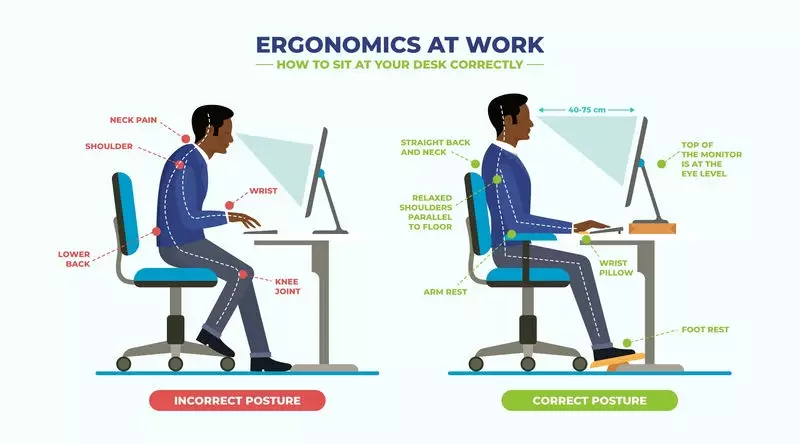
Back pain is one of the most common complaints among office workers. Prolonged sitting, poor posture, and the absence of ergonomic setups can result in severe back issues. But what's even more alarming is that these problems can significantly impact an employee's performance. Let's delve into the causes of back pain and why it's crucial to address them in the workplace.

 3: Corporate Mental Health Programs: A Holistic Approach

In our quest to prioritize employee wellness, it's essential to take a holistic approach. Not only should we address physical health and spinal well-being, but also focus on mental health. The mind and body are interconnected, and nurturing both is key to creating a happier, healthier, and more productive workforce. Let's explore the benefits of corporate mental health programs and activities that support employees in their overall well-being.

 4: Weight Management and Its Impact on Spinal Health

Unmanaged weight can place additional stress on the spine and exacerbate back issues. Employees often struggle with weight-related problems, but employers can play a pivotal role in encouraging healthier choices. We'll discuss weight management strategies, including healthy food options, recipes, and tips for weight loss.

 5: Fitness and Exercise for Spinal Health

Regular exercise can be a game-changer when it comes to spinal health. Incorporating fitness routines into the workplace can prevent and alleviate back problems. The best fat-burning exercises for women and other fitness options that can contribute to spine health and overall wellness.

  6: Online Health Resources: A Convenient Solution

In the digital age, access to health information and professional advice is at our fingertips. Online lab tests and doctor consultations offer convenience and ease in managing health concerns. 

7: Mental Wellness Workshops and Programs

Mental wellness activities and workshops are invaluable tools for reducing stress and enhancing employee well-being. We'll provide insights into organizing and conducting mental wellness activities at work, along with tips on managing mental health in the workplace.

8: Making Wellness a Priority in Your Workplace

To create a workplace that prioritizes spinal health, mental wellness, and overall well-being, employers need to take proactive steps. This chapter will offer guidance on implementing health and wellness seminars and workshops, and managing employee stress through effective programs.

9: Measuring Success and Continuous Improvement

No wellness program is complete without measurement and improvement. We'll discuss how to track the success of your initiatives and make necessary adjustments to ensure your employees continue to thrive in a healthy and supportive environment.

A Happier, Healthier Workplace Awaits

 Prioritizing spinal health and overall well-being in the workplace is not just a corporate responsibility; it's a smart business move. Employees who feel physically and mentally well are more productive, engaged, and satisfied with their work. By implementing the strategies and tips discussed in this blog, you can create a workplace that fosters happier, healthier employees, ultimately leading to a more successful and thriving organization. It's time to bring back wellness to the workplace, one spine at a time.

With the right focus on spinal health, mental wellness, and a supportive work environment, you can achieve a workplace where your employees are not only motivated but also empowered to lead healthier, happier lives. So, why wait? Start your journey towards a happier, healthier workplace today, and reap the rewards of a thriving, successful organization.


Read FAQs


A. Prioritizing employee well-being involves creating a workplace culture and environment that supports physical, mental, and emotional health. To do this, organizations can implement various strategies, such as promoting work-life balance, offering mental health support, providing ergonomic workspaces, encouraging regular exercise, and fostering a sense of belonging and inclusivity among employees.

A. 1. Promoting Work-Life Balance: Encourage employees to disconnect from work outside of their regular hours, reducing burnout and stress. 2. Providing Mental Health Support: Offer resources like counseling, stress management programs, and access to mental health professionals. 3. Creating a Health-Conscious Environment: Implement ergonomic workspaces, encourage healthy eating, and support physical fitness programs. 4. Fostering Social Connections: Build a sense of community and belonging among employees through team-building activities and open communication. 5. Recognizing and Rewarding Efforts: Acknowledge and appreciate employees' hard work, contributing to their job satisfaction and overall well-being.

A. 1. Develop Comprehensive Wellness Programs: Offer a range of physical and mental health initiatives, such as fitness classes, stress management workshops, and access to mental health resources. 2. Encourage Work-Life Balance: Promote flexible schedules, remote work options, and time-off policies that support employees in maintaining a healthy work-life balance. 3. Create a Positive Work Environment: Foster a culture of respect, inclusivity, and open communication, ensuring employees feel valued and supported. 4. Provide Learning and Development Opportunities: Offer training and growth opportunities that empower employees to advance in their careers and personal lives. 5. Implement Feedback Mechanisms: Regularly seek employee feedback to understand their needs and concerns, enabling continuous improvement in your well-being initiatives.

Read Blog
Screening

In-Hub Health Screening Day: Strengthening Preventive Care with Onsite Diagnostics

Preventive healthcare is most effective when it is accessible, timely and convenient. Yet, many working professionals delay routine health checkups due to time constraints, lack of awareness or inconvenience. An In-Hub Health Screening Day addresses these barriers by bringing diagnostic services directly into the workplace or designated health hubs.

By integrating onsite screening into corporate and community environments, organisations can significantly improve early disease detection, health awareness and long-term wellbeing.


What Is an In-Hub Health Screening Day?

An In-Hub Health Screening Day is a structured preventive healthcare initiative where diagnostic tests and health assessments are conducted onsite within:

  • corporate offices

  • co-working spaces

  • industrial hubs

  • community health centres

Employees or participants can undergo essential health screenings without leaving the premises.


Why Preventive Screening Matters

According to Indian Council of Medical Research and National Family Health Survey data:

  • a large percentage of adults have undiagnosed hypertension

  • diabetes and cholesterol imbalance often remain silent

  • lifestyle diseases are rising among working-age populations

Preventive screening detects risks early, before complications develop.


The Challenge with Traditional Health Checkups

Despite awareness, many individuals delay health checkups due to:

  • busy schedules

  • travel time to diagnostic centres

  • fear of discovering illness

  • lack of immediate symptoms

Onsite screening removes these barriers.


How In-Hub Health Screening Days Improve Participation

Convenience

Health checks conducted at the workplace significantly increase participation rates.


Minimal Work Disruption

Employees can complete screening during work hours without taking leave.


Immediate Health Awareness

Onsite screening sparks conversations around health and prevention.


Normalisation of Preventive Care

When screening becomes routine, preventive healthcare becomes a shared culture.


Common Tests Conducted During In-Hub Screening Days

Typical screenings may include:

  • blood pressure measurement

  • blood sugar testing

  • lipid profile

  • BMI and body composition analysis

  • haemoglobin and nutritional markers

Test selection is tailored to workforce demographics and risk profiles.


Early Detection Saves Lives

Many serious conditions show no symptoms in early stages.

Onsite screening helps identify:

  • pre-diabetes

  • early hypertension

  • abnormal cholesterol

  • kidney or liver function irregularities

Early detection enables lifestyle modification and timely medical care.


Benefits for Employees

Improved Health Awareness

Employees gain insight into their current health status.


Reduced Anxiety About Health

Knowing health numbers encourages proactive action.


Early Intervention

Small health changes detected early prevent major complications.


Increased Trust in Employer Wellness Efforts

Onsite screening demonstrates genuine commitment to employee wellbeing.


Benefits for Employers

Reduced Absenteeism

Early care reduces sick days and long-term illness.


Improved Productivity

Healthy employees perform better and sustain energy levels.


Lower Healthcare Costs

Preventive screening reduces expensive late-stage treatments.


Stronger Wellness Culture

Health becomes part of organisational values, not an afterthought.


Role of Diagnostics in Preventive Healthcare

Diagnostics are the foundation of preventive medicine.

According to WHO and NITI Aayog:

  • screening is among the most cost-effective health interventions

  • early diagnosis significantly reduces disease burden

In-hub diagnostics bring this foundation closer to people.


Integrating Screening with Ongoing Health Support

Screening days are most effective when combined with:

  • medical consultations

  • digital health reports

  • follow-up guidance

  • lifestyle counselling

This ensures screening results translate into action.


Importance of Data-Driven Health Insights

Aggregated, anonymised screening data helps organisations:

  • understand workforce health trends

  • design targeted wellness programs

  • monitor preventive health outcomes

Data-driven wellness strategies deliver higher impact.


Frequency of In-Hub Health Screening Days

Recommended frequency:

  • once annually for general screening

  • twice annually for high-risk populations

Screening frequency should align with workforce age and health profile.


Best Practices for Successful Screening Days

To maximise impact:

  • communicate clearly before the event

  • ensure privacy and confidentiality

  • offer clear result explanations

  • provide follow-up support

Employee trust is essential for participation.


Long-Term Impact on Workforce Health

Organisations that implement regular screening observe:

  • improved early diagnosis rates

  • reduced lifestyle disease progression

  • stronger engagement with wellness initiatives

  • sustainable productivity gains

Preventive care delivers measurable returns.


Leveraging SecondMedic Diagnostic Services

SecondMedic enables seamless In-Hub Health Screening Days through:

  • reliable diagnostic testing

  • structured preventive screening packages

  • digital report access

  • integration with ongoing preventive care programs

By leveraging SecondMedic diagnostic services, organisations can deliver high-quality preventive healthcare without operational complexity.

Learn more at:
https://www.secondmedic.com/


Conclusion

An In-Hub Health Screening Day is a powerful preventive healthcare intervention that brings diagnostics directly to the workplace. By improving accessibility, increasing participation and enabling early detection, onsite screening strengthens both employee health and organisational resilience. When combined with trusted diagnostic services and follow-up care, In-Hub Health Screening Days become a cornerstone of effective, sustainable wellness strategies. Investing in preventive diagnostics today builds a healthier, more productive workforce for the future.


 References

  • Indian Council of Medical Research (ICMR) – Preventive Screening and NCD Reports
  • National Family Health Survey (NFHS-5) – Undiagnosed Disease Prevalence Data
  • World Health Organization (WHO) – Preventive Healthcare and Screening Guidelines
  • NITI Aayog – Workplace Wellness and Preventive Health Reports
  • Lancet – Early Detection and Disease Prevention Studies
  • EY-FICCI – Corporate Wellness and Productivity Impact Reports

See all

Live Doctor consultation
Live Doctor Chat

Download Our App & Get Consultation from anywhere.

App Download
call icon for mobile number calling and whatsapp at secondmedic