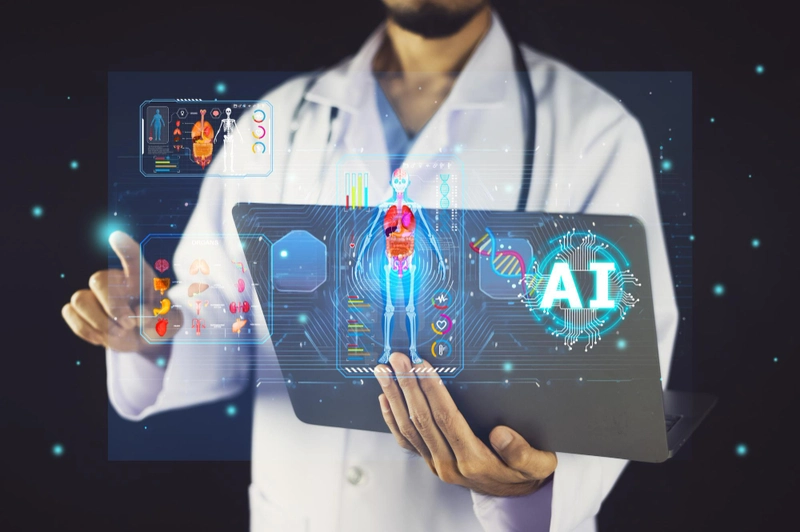
The integration of AI and big data in modern diagnosis has become one of the most transformative advancements in global healthcare. These technologies are enabling faster detection, deeper insights, and more precise treatment planning. In India-where early diagnosis remains a challenge due to limited specialist availability-AI and big data are bridging critical gaps.
With 1.4 billion people generating trillions of health data points annually, India has the potential to lead in data-driven healthcare innovation. Platforms like SecondMedic are leveraging AI-driven analytics to deliver faster, more reliable diagnostic experiences for every patient.
1. How AI Improves Medical Imaging Accuracy
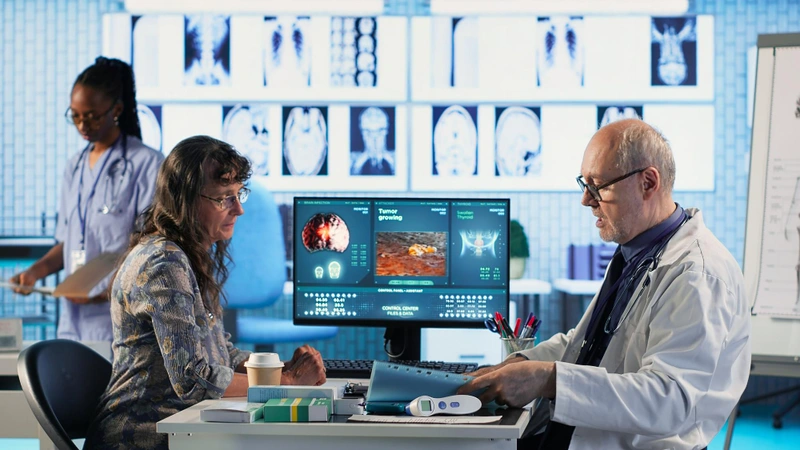
Medical imaging is one of the most powerful use cases of AI.
AI Enhances Radiology By:
-
Identifying early abnormalities
-
Reducing reporting time from hours to minutes
-
Detecting subtle signs missed by the human eye
-
Pre-reading X-rays, CT scans, and MRIs
According to The Lancet Digital Health, AI improves radiology accuracy by 20-30% when paired with expert review.
SecondMedic integrates AI screening tools to support radiologists in delivering clearer, faster reports.
2. Big Data Enables Pattern Recognition at Population Scale
Big data helps analyze:
-
Genetic trends
-
Disease outbreaks
-
Cross-regional health patterns
-
Treatment outcomes
Impact on Diagnosis:
-
More accurate disease detection
-
Faster epidemiological predictions
-
Better preventive strategies
For example, big data helped identify India's rising cardiovascular risk zones, enabling targeted awareness programs.
3. Predictive Diagnosis: A Breakthrough for Preventive Healthcare
Predictive diagnosis is the ability to detect disease risk before symptoms appear.
How it works:
AI models analyze:
-
Blood markers
-
Imaging
-
Vitals patterns
-
Lifestyle data
-
Genetic profiles
The result is a personalized risk score, allowing earlier intervention.
Examples include:
-
Predicting heart disease years in advance
-
Detecting diabetes risk using lifestyle and vitals patterns
-
Flagging early signs of kidney dysfunction
4. AI in Digital Pathology: Faster, More Accurate Slides
Digital pathology is revolutionizing cancer and tissue diagnosis.
AI helps by:
-
Scanning slides
-
Detecting cancer cells
-
Highlighting suspicious regions
-
Reducing turnaround time
This is essential for India, where many regions lack pathology specialists.
5. Real-Time Monitoring Powered by Big Data
Wearables generate millions of data points daily.
AI uses these to:
-
Detect heart rhythm abnormalities
-
Analyze sleep health
-
Monitor oxygen levels
-
Predict chronic disease flare-ups
SecondMedic’s remote monitoring platform uses this data for continuous patient oversight.
6. Integration with Genomics and Liquid Biopsy
AI can analyze genomic data to predict:
-
Oncogenic mutations
-
Hereditary disease risk
-
Drug response
Liquid biopsy + AI becomes a powerful non-invasive diagnostic tool.
7. Challenges to Address in India
-
Data silos
-
Uneven technology adoption
-
Low AI literacy among clinicians
-
Regulatory and privacy constraints
However, rapid digitization under ABDM is reducing these gaps.
Conclusion
AI and big data in modern diagnosis are transforming healthcare into a predictive, preventive, and precision-driven system. With advanced digital infrastructure and telemedicine platforms like SecondMedic, India is moving toward a healthcare future where early diagnosis and AI-guided insights become standard for every citizen.
References
-
Lancet Digital Health - AI in Diagnosis
-
NITI Aayog - AI in Healthcare
-
WHO Diagnostic Accuracy Reports
-
Nature Medicine - Predictive Diagnostics
-
ICMR Chronic Disease Patterns