- Published on: Apr 13, 2024
- 2 minute read
- By: SecondMedic Expert
10 Effective Home Workouts You Can Do Without Equipment




A growing number of people are realizing the benefits of working out from home because to the growth in popularity of home fitness trends. The fact that you can work out at home without expensive equipment or a gym membership is one of their main benefits. This blog will discuss 10 equipment-free, efficient at-home workouts that may help anyone, no matter what their situation, stay in shape and active.
1. Bodyweight Squats: This exercise is excellent for building the muscles in your lower body, such as your glutes, hamstrings, and quadriceps. With your feet shoulder-width apart, take a seat by lowering your hips as if you were in a chair, then push through your heels to stand back up. Three sets of fifteen to twenty reps should be your goal.
2. Push-ups: This traditional workout works the muscles in your shoulders, triceps, core, and chest. With your hands shoulder-width apart, begin in the plank position. Lower your body until your chest almost touches the floor, then push yourself back up to the beginning position. If standard push-ups are too difficult for you, try doing them on your knees as an adaptation. Try to complete three sets of ten to fifteen repetitions.
3. Plank: Planks are a great way to develop the muscles in your core, such as your lower back, obliques, and abs. Begin in the push-up position and descend onto your forearms. Throughout, maintain a straight posture from head to heels while using your core muscles. For 30 to 60 seconds, hold this posture while paying attention to your form.
4. Lunges: This unilateral exercise works your calves, hamstrings, quadriceps, and glutes. Step forward with one foot and lower your torso until both knees are bent to a 90-degree angle. Begin by standing with your feet hip-width apart. To get back to standing, push through your front heel and repeat on the opposite side. Goal: 3 sets of 10–12 repetitions for each leg.
5. Bicycle Crunches: Bicycle Crunches are a fantastic exercise for strengthening your core and working your abdominal muscles. Stretch your legs toward your chest while lying on your back with your hands behind your head. Then, raise your shoulders off the floor and twist your body such that your right elbow points toward your left knee while extending your right leg
6. Burpees: For optimal calorie burn, burpees mix strength training and cardio. They are a full-body workout. Once you are standing, squat down and put your hands on the floor. Reposition your feet into a plank position, perform a push-up, then leap back towards your hands to launch yourself into a full leap. Get three sets of eight to ten repetitions.
7. Mountain climbers: A dynamic workout that strengthens your legs, shoulders, and core, mountain climbers also increase cardiovascular endurance. Begin in the plank position, then alternate between sprinting and bringing your knees close to your chest. Try to get three sets of 20–30 seconds.
8. Jumping jacks: are a basic yet powerful aerobic workout that stimulates every muscle in your body and raises your heart rate. Step out to the sides while extending your arms aloft, starting from a standing position with your feet together and your arms at your sides. Return to the beginning location and do it again. 3 sets of 30–60 seconds should be the goal.
9. Russian Twists: These exercises are excellent for strengthening your rotational core strength and toning your obliques. With your feet raised and your knees bent, take a seat on the ground. Then, slant your back a little and join your hands in front of you. Keep your core active throughout as you rotate your torso to the right and then the left.
10. High Knees: A high-intensity workout that targets your lower body muscles, such as your quads, hamstrings, and calves, high knees raise your heart rate. While keeping your arms raised, rapidly switch between pulling your knees as close to your chest as you can while standing still. 3 sets of 30–60 seconds should be the goal.
In conclusion, you don't need to join a gym or buy pricey equipment to stay active and fit. You can work out in the comfort of your own home with these ten efficient, no-equipment home workouts. These workouts will push your body and assist you in reaching your fitness objectives, regardless of your level of experience. So make place in your living room, turn on your go-to workout music, and get moving!
Read FAQs
A. Yes, you can achieve a great workout without any equipment at home by using your body weight for resistance. Bodyweight exercises can be highly effective for building strength, improving endurance, and enhancing overall fitness levels.
A. Bodyweight exercises are indeed effective for building strength and improving fitness. They engage multiple muscle groups simultaneously, helping you develop functional strength and improve stability and coordination. Additionally, bodyweight exercises can be easily modified to match your fitness level, making them suitable for beginners and experienced individuals alike.
A. You can modify bodyweight exercises in various ways to match your fitness level. For example, you can adjust the number of repetitions, the duration of each exercise, or the rest intervals between sets. You can also make exercises easier or more challenging by changing the leverage, range of motion, or tempo. Additionally, you can incorporate progressions or regressions of each exercise to gradually increase or decrease the difficulty as needed.


Why Seasonal Flu Vaccination Drives Add Value to Corporate Wellness Programs
Corporate wellness programs in India are increasingly shifting from reactive healthcare benefits to proactive preventive strategies. Among the most effective and measurable preventive interventions is the seasonal flu vaccination drive. While influenza is often perceived as a mild illness, its impact on workplace health, productivity and healthcare costs is significant.
Understanding why seasonal flu vaccination drives add value to corporate wellness programs helps organisations build resilient, healthy and productive workforces.
The Workplace Impact of Seasonal Flu
Influenza spreads rapidly in shared environments such as offices, factories and corporate campuses. According to the World Health Organization (WHO), seasonal flu affects millions annually and leads to substantial productivity losses worldwide.
In India, flu seasons often coincide with monsoons and winter months, increasing infection risk in densely populated workspaces.
Common workplace consequences of flu outbreaks include:
-
increased sick leave
-
reduced productivity even among working employees
-
higher medical claims
-
risk to employees with chronic conditions
These factors make flu prevention a corporate priority rather than just an individual health choice.
What Is a Seasonal Flu Vaccination Drive?
A seasonal flu vaccination drive is an organised initiative where employees are offered influenza vaccination at the workplace or through coordinated healthcare partners. These drives are typically conducted once a year before the onset of peak flu season.
They aim to:
-
protect employees from influenza
-
reduce infection spread within teams
-
support preventive healthcare goals
Why Flu Vaccination Is a Preventive Necessity
1. Influenza Is Not a Minor Illness
While many cases are mild, flu can cause severe complications, especially in:
-
people with diabetes or heart disease
-
elderly employees
-
individuals with weakened immunity
ICMR and WHO data highlight that flu-related complications contribute to hospitalisations each year.
2. High Transmission in Corporate Settings
Open offices, meetings, shared facilities and travel increase exposure risk. Vaccination reduces the likelihood of rapid workplace transmission.
3. Annual Strain Variability
Influenza viruses mutate regularly. Annual vaccination is necessary to protect against the most prevalent circulating strains.
Value Addition to Corporate Wellness Programs
1. Reduced Absenteeism
Vaccinated employees are less likely to fall ill or experience severe symptoms, leading to fewer sick days.
According to EY-FICCI workplace health studies, preventable illnesses are a major contributor to productivity loss in Indian organisations.
2. Improved Productivity and Continuity
Even mild flu can cause fatigue, headaches and poor concentration. Preventing illness ensures employees perform at optimal levels during critical work periods.
3. Protection of High-Risk Employees
Corporate workforces include individuals with chronic conditions such as diabetes, asthma and hypertension. Flu vaccination reduces their risk of severe illness.
4. Lower Healthcare and Insurance Costs
Preventive vaccination reduces:
-
outpatient visits
-
hospital admissions
-
insurance claims
This supports long-term cost control for employers.
5. Stronger Preventive Health Culture
Vaccination drives signal a proactive approach to employee wellbeing, reinforcing trust and engagement.
Alignment with Preventive Healthcare Goals
Preventive healthcare focuses on stopping illness before it occurs. Flu vaccination aligns perfectly with this philosophy by:
-
reducing disease burden
-
protecting vulnerable populations
-
minimising healthcare system strain
NITI Aayog identifies vaccination as a cornerstone of preventive health strategies.
Addressing Common Myths Around Flu Vaccination
Myth 1: Flu vaccines cause flu
Flu vaccines do not cause influenza. Mild side effects are temporary and normal.
Myth 2: Healthy adults don’t need flu vaccines
Even healthy individuals can contract and spread flu.
Myth 3: One vaccine provides lifelong protection
Flu vaccines must be taken annually due to changing virus strains.
Education during vaccination drives helps address these misconceptions.
Best Time to Conduct Corporate Flu Vaccination Drives
The ideal period is:
-
before the flu season begins
-
typically pre-monsoon or early winter
Early vaccination ensures immunity develops before peak exposure.
Integrating Flu Vaccination into Corporate Wellness Strategy
Successful programs:
-
combine vaccination with health awareness sessions
-
provide flexible access for employees
-
communicate benefits clearly
-
track participation and outcomes
This integration improves uptake and effectiveness.
Role of Digital Health and Data Tracking
Modern wellness programs use digital tools to:
-
manage employee registrations
-
track vaccination coverage
-
identify high-risk groups
-
evaluate program impact
Data-driven insights help refine future wellness initiatives.
Long-Term Organisational Benefits
Over time, companies that invest in preventive measures like flu vaccination observe:
-
healthier workforces
-
improved employee morale
-
reduced medical disruptions
-
stronger employer branding
Lancet workplace health studies show that preventive interventions deliver measurable benefits within a single flu season.
Corporate Responsibility and Employee Trust
Offering flu vaccination demonstrates organisational responsibility toward employee safety. It reinforces the message that employee health is valued, not only during crises but as an ongoing priority.
Conclusion
Seasonal flu vaccination drives add tangible and strategic value to corporate wellness programs. By preventing illness, reducing absenteeism, protecting vulnerable employees and supporting productivity, these drives deliver high preventive returns at relatively low cost. In an era where workforce health directly influences business resilience, flu vaccination is not just a wellness activity—it is a smart, evidence-based corporate health investment.
References
-
ICMR – Influenza Surveillance and Vaccination Guidelines
-
National Family Health Survey (NFHS-5) – Adult Health and Disease Data
-
NITI Aayog – Preventive Healthcare and Immunisation Strategy Reports
-
WHO – Seasonal Influenza and Workplace Vaccination Guidelines
-
Lancet – Influenza Prevention and Workplace Health Outcome
-
EY-FICCI – Corporate Wellness, Absenteeism and Productivity Studies
-
Statista – Workplace Health and Vaccination Trends
Our Services
Request A Callback
Recent Posts
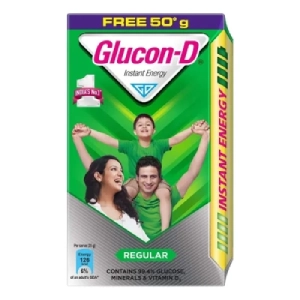



Aptamil Pepti Infant Formula 0 to 12 Months Tin 400gm
Brand: Nutricia International Private Limited
₹2000.00₹1960.00
View Details

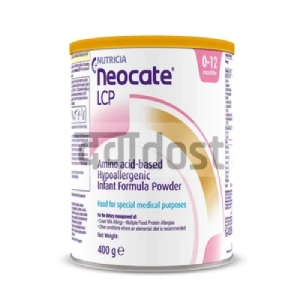
Neocate LCP Infant Formula Powder 400GM
Brand: Nutricia International Private Limited
₹3300.00₹3234.00
View Details
Web Stories


Popular Lab Test






Live Doctor consultation
Live Doctor Chat

Fees ₹99
General Physician
Fees ₹99
General Physician
Fees ₹99
General Physician
Fees ₹99
General Physician

Dr. Syed Mukhtar Mohiuddin
MBBS, MD , Fellowship in Diabetes Mellitus (UK)
- 7 Years
- English
Available at 00:00 to 07:00
Fees ₹99
General Physician
Download Our App & Get Consultation from anywhere.