Q. What are the effects on your metabolism if you regularly skip meals during weight loss or intermittent fasting plans?
Doctor Answer is medically reviewed by SecondMedic medical review team.
What are the effects on your metabolism if you regularly skip meals during weight loss or intermittent fasting plans?
Here’s a simple, point-wise explanation of how your metabolism is affected:
-
Slower Metabolism Over Time:
Regularly skipping meals can send signals to your body that it’s not getting enough fuel, which may slow down metabolism to conserve energy. -
Initial Weight Loss, Then Plateau:
You may lose weight quickly at first, but eventually, your body adapts to the calorie restriction, leading to a weight loss plateau. -
Muscle Loss Risk:
If your protein intake is low or your calorie deficit is too high, your body may break down muscle for energy—slowing your metabolic rate. -
Blood Sugar Imbalance:
Skipping meals can cause blood sugar levels to fluctuate, which may lead to energy crashes, cravings, and overeating later. -
Reduced Energy & Physical Performance:
Without regular fuel, your energy levels may dip, affecting workouts and daily activities that support a healthy metabolism. -
Improved Fat Burning (in some cases):
Intermittent fasting can encourage fat use for energy during fasting windows, potentially improving metabolic flexibility when done correctly. -
Hormonal Shifts:
Meal skipping may influence hormones like insulin, leptin, and ghrelin, which play major roles in hunger and metabolism regulation. -
Digestive Issues:
Inconsistent eating patterns might slow digestion or lead to bloating and discomfort for some individuals.
Conclusion & CTA:
Understanding what are the effects on your metabolism if you regularly skip meals during weight loss or intermittent fasting plans is crucial for making informed choices. Always consult a nutritionist before starting any eating routine to maintain a healthy metabolic balance!

Q. Hello Doctor, from past 3 weeks I have too much dandruff problem and it cause hair loss will you suggest any best solution for this?
Doctor Answer is medically reviewed by SecondMedic medical review team.
Answered by Secondmedic ExpertDealing with excessive dandruff leading to hair loss can be frustrating, but there are effective ways to address this issue. Here's what you can do:
1. Switch to a Gentle Shampoo: Opt for shampoos specifically designed for dandruff, containing ingredients like ketoconazole, zinc pyrithione, coal tar, or selenium sulfide. Use these shampoos regularly to reduce dandruff buildup.
2. Scalp Massage: Gently massage your scalp while shampooing to help remove flakes and improve blood circulation, which can promote healthier hair growth.
3. Avoid Hot Water: Wash your hair with lukewarm water instead of hot water, as hot water can dry out your scalp and worsen dandruff.
4. Balanced Diet: Ensure you're eating a balanced diet rich in vitamins and minerals essential for healthy hair and scalp, such as omega-3 fatty acids, zinc, and B vitamins.
5. Manage Stress: Stress can exacerbate dandruff problems. Practice stress-relief techniques like meditation, yoga, or regular exercise to help manage stress levels.
6. Apple Cider Vinegar Rinse: Consider using diluted apple cider vinegar as a rinse after shampooing. It can help restore the scalp's pH balance and reduce dandruff.
7. Consult a Dermatologist: If the issue persists despite trying home remedies or over-the-counter solutions, seek advice from a dermatologist. They can provide a personalized treatment plan tailored to your specific scalp condition.
Remember, consistency is key when dealing with dandruff. Give these remedies some time to work, as immediate results might not always occur. It's essential to find what works best for your scalp, so don't get discouraged if you don't see immediate improvements.
Taking care of your scalp health not only addresses dandruff but also aids in reducing hair loss associated with this issue. Feel free to incorporate these tips into your routine and observe how your scalp responds. If the problem persists or worsens, seeking professional guidance is always recommended.
Related Questions
Related Posts


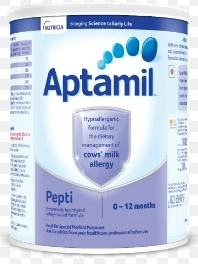
Aptamil Pepti Infant Formula 0 to 12 Months Tin 400gm
Brand: Nutricia International Private Limited
₹2000.00₹1960.00
View Details
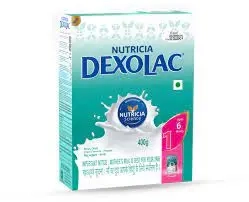
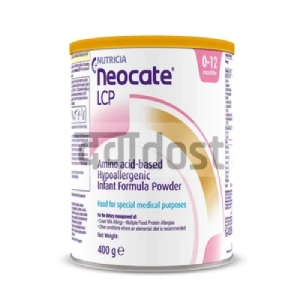
Neocate LCP Infant Formula Powder 400GM
Brand: Nutricia International Private Limited