- Published on: Jul 24, 2024
- 3 minute read
- By: SecondMedic Expert
Why Dengue Fever Causes Low Platelet Counts And How To Manage It




Dengue fever, a mosquito-borne viral infection, has become a significant public health concern in many tropical and subtropical regions. One of the hallmarks of severe dengue is a drop in platelet count, which can lead to serious complications. Understanding why dengue fever causes low platelet counts and how to manage this condition is crucial for anyone living in or traveling to affected areas.
Understanding Dengue Fever
Dengue fever is caused by the dengue virus, which is transmitted primarily by Aedes aegypti mosquitoes. The virus has four distinct serotypes (DENV-1, DENV-2, DENV-3, and DENV-4). Infection with one serotype usually provides lifelong immunity against that specific type, but only partial and temporary immunity against the others. Subsequent infections with a different serotype increase the risk of severe dengue, including dengue hemorrhagic fever (DHF) and dengue shock syndrome (DSS).
Why Dengue Fever Causes Low Platelet Counts
Platelets are small blood cells that play a crucial role in blood clotting. A normal platelet count ranges from 150,000 to 450,000 platelets per microliter of blood. Dengue fever often leads to a significant drop in platelet count, a condition known as thrombocytopenia. There are several reasons for this:
1. Bone Marrow Suppression: The dengue virus can infect and impair the bone marrow, which is responsible for producing blood cells, including platelets. This leads to reduced platelet production.
2. Increased Platelet Destruction: The virus and the immune response it triggers can increase the destruction of platelets. The body’s immune system mistakenly targets platelets, thinking they are infected cells.
3. Increased Utilization: In severe dengue, there is increased leakage of plasma from the blood vessels. To combat this, the body uses up more platelets for clotting, leading to lower counts in the bloodstream.
4. Splenic Sequestration: The spleen may sequester or hold onto more platelets than usual in dengue fever, reducing the number of platelets circulating in the blood.
Symptoms of Low Platelet Count
A low platelet count can lead to several symptoms, which may vary in severity:
- Easy bruising
- Petechiae (small red or purple spots on the skin)
- Bleeding gums or nosebleeds
- Blood in urine or stools
- Heavy menstrual bleeding
- Fatigue and weakness
In severe cases, internal bleeding and shock can occur, which are life-threatening conditions requiring immediate medical attention.
How to Manage Low Platelet Counts in Dengue Fever
Managing low platelet counts in dengue fever involves several strategies aimed at supporting the patient until their body recovers. Here are some key approaches:
1. Hydration
Maintaining adequate hydration is crucial. Fluids help maintain blood volume and support overall bodily functions. Oral rehydration solutions, coconut water, and plain water are often recommended. In severe cases, intravenous (IV) fluids may be necessary.
2. Monitoring Platelet Counts
Regular monitoring of platelet counts is essential to assess the severity of thrombocytopenia. This helps healthcare providers decide on the necessary interventions and monitor recovery.
3. Medications
There are no specific antiviral medications for dengue. However, supportive care includes:
Acetaminophen: To reduce fever and relieve pain. Avoid nonsteroidal anti-inflammatory drugs (NSAIDs) like ibuprofen and aspirin, as they can increase the risk of bleeding.
Platelet Transfusions: In cases of very low platelet counts or significant bleeding, platelet transfusions may be necessary.
4. Rest and Nutrition
Adequate rest and proper nutrition support the body's recovery. A balanced diet rich in fruits, vegetables, and lean proteins can help maintain energy levels and support immune function.
5. Avoiding Certain Foods and Activities
Patients with low platelet counts should avoid activities that can increase the risk of bleeding, such as contact sports. Additionally, foods that may thin the blood, like garlic and ginger, should be consumed in moderation.
6. Natural Remedies
Some natural remedies are believed to help increase platelet counts, although scientific evidence is limited. These include:
Papaya Leaf Extract: Some studies suggest that papaya leaf extract can help increase platelet counts.
Pomegranate and Kiwi: These fruits are rich in vitamins and antioxidants that support overall health.
Preventing Dengue Fever
Preventing dengue fever is the best way to avoid complications like low platelet counts. Preventive measures include:
Mosquito Control: Eliminate standing water around your home, use mosquito repellents, and install screens on windows and doors.
Protective Clothing: Wear long-sleeved shirts, long pants, socks, and shoes when outdoors.
Vaccination: In some regions, a dengue vaccine is available and recommended for individuals who have had a previous dengue infection.
Conclusion
Dengue fever and its complications, such as low platelet counts, pose significant health challenges in many parts of the world. Understanding the reasons behind thrombocytopenia and implementing effective management strategies can help mitigate the risks and support recovery. By taking preventive measures and staying informed, individuals can reduce their risk of dengue fever and its potentially severe consequences.
Read FAQs
A. Dengue fever causes low platelet counts due to bone marrow suppression, increased platelet destruction, increased utilization for clotting, and splenic sequestration. The dengue virus affects the body's ability to produce and maintain adequate platelet levels.
A. Managing low platelet counts involves staying hydrated, monitoring platelet levels, taking acetaminophen for fever and pain, resting, eating a nutritious diet, and avoiding activities and foods that increase bleeding risk. In severe cases, platelet transfusions may be necessary.
A. Signs of a low platelet count include easy bruising, petechiae (small red or purple spots on the skin), bleeding gums or nosebleeds, blood in urine or stools, heavy menstrual bleeding, fatigue, and weakness. In severe cases, internal bleeding and shock may occur.


Role of Nutrition in Disease Prevention: How Food Choices Shape Long-Term Health
Disease prevention is no longer limited to vaccinations and medical screenings. Modern healthcare increasingly recognises nutrition as one of the most powerful tools for preventing illness before it begins. The role of nutrition in disease prevention is especially important in India, where lifestyle-related diseases account for a large share of premature illness and mortality.
According to the Indian Council of Medical Research (ICMR) and the National Family Health Survey (NFHS-5), poor dietary patterns contribute significantly to rising cases of diabetes, heart disease, obesity and hypertension. Unlike genetic factors, nutrition is a modifiable risk factor, meaning everyday food choices can actively protect health.
Why Nutrition Is Central to Disease Prevention
1. Nutrition regulates metabolic health
Balanced diets help maintain:
-
healthy blood sugar levels
-
optimal cholesterol balance
-
stable blood pressure
Disruption in these systems increases disease risk.
2. Nutrition strengthens immunity
WHO highlights that immune function depends heavily on adequate intake of vitamins, minerals and protein.
3. Nutrition controls inflammation
Chronic low-grade inflammation is linked to most lifestyle diseases. Diets rich in whole foods reduce inflammatory markers.
Major Diseases Influenced by Nutrition
Diabetes and Prediabetes
Excess refined carbohydrates and sugar drive insulin resistance.
Preventive nutrition focuses on:
-
whole grains
-
fibre-rich vegetables
-
adequate protein
-
controlled portion sizes
ICMR data shows that dietary modification can delay or prevent type 2 diabetes in high-risk individuals.
Cardiovascular Disease
Heart disease remains a leading cause of death in India.
Nutrition impacts:
-
cholesterol levels
-
blood pressure
-
arterial inflammation
Diets low in trans fats and high in fibre significantly reduce cardiovascular risk, as confirmed by WHO and Lancet studies.
Obesity
Obesity increases the risk of multiple chronic diseases.
Preventive nutrition addresses:
-
calorie density
-
food quality
-
satiety regulation
NFHS-5 reports a steady rise in overweight and obesity across age groups.
Hypertension
High sodium intake and low potassium intake contribute to high blood pressure.
Preventive dietary strategies include:
-
reducing processed foods
-
increasing fruits and vegetables
-
maintaining mineral balance
Certain Cancers
Diet influences cancer risk through:
-
antioxidant intake
-
fibre consumption
-
reduced exposure to carcinogenic compounds
WHO estimates that a significant percentage of cancers are preventable through diet and lifestyle changes.
Key Nutrients That Support Disease Prevention
Fibre
Supports gut health, blood sugar control and cholesterol reduction.
Protein
Essential for muscle health, immune function and metabolic balance.
Healthy Fats
Omega-3 fats reduce inflammation and protect heart health.
Micronutrients
Iron, zinc, vitamin D and B vitamins are essential for metabolic and immune regulation.
NFHS-5 highlights widespread micronutrient deficiencies in India, increasing disease vulnerability.
Role of Gut Health in Prevention
The gut microbiome plays a major role in:
-
immune regulation
-
inflammation control
-
nutrient absorption
Fermented foods and fibre-rich diets support healthy gut bacteria, strengthening disease resistance.
Why Preventive Nutrition Works Best Early
Nutrition is most effective when applied:
-
before disease onset
-
during pre-disease stages
-
alongside regular health screening
Once disease progresses, nutrition remains supportive but may not reverse damage fully.
Nutrition vs Medication in Prevention
Medication treats disease; nutrition reduces risk.
WHO and NITI Aayog emphasize that:
-
preventive nutrition reduces disease incidence
-
lifestyle modification lowers healthcare burden
-
early nutrition changes reduce dependency on long-term medication
Both approaches work best when combined appropriately.
Workplace and Community Role in Preventive Nutrition
Structured nutrition programs at workplaces and communities:
-
improve awareness
-
support behaviour change
-
reduce population-level disease burden
Lancet studies show that group-based nutrition interventions improve long-term adherence.
Common Myths About Nutrition and Disease Prevention
Myth 1: Supplements replace healthy food
Whole foods provide better long-term protection.
Myth 2: Prevention requires extreme diets
Consistency matters more than restriction.
Myth 3: Nutrition only matters after diagnosis
Early nutrition is most effective before disease develops.
Building a Preventive Nutrition Routine
Effective preventive nutrition includes:
-
regular meals
-
diverse food groups
-
portion awareness
-
minimal processed foods
-
hydration
Small daily choices compound into long-term health benefits.
Long-Term Impact of Preventive Nutrition
Consistent healthy eating leads to:
-
reduced disease risk
-
improved energy and productivity
-
better immune resilience
-
lower healthcare costs
-
improved quality of life
NITI Aayog identifies nutrition as a cornerstone of sustainable healthcare systems.
Conclusion
Understanding the role of nutrition in disease prevention empowers individuals to take control of their health long before illness develops. Balanced, consistent nutrition reduces inflammation, supports immunity and protects against chronic diseases that burden India’s healthcare system. Preventive nutrition is not about short-term fixes but about building lifelong habits that support health, resilience and longevity.
References
-
ICMR – Nutrition and Lifestyle Disease Prevention Reports
-
National Family Health Survey (NFHS-5) – Dietary and Metabolic Health Data
-
NITI Aayog – Preventive Healthcare and Nutrition Strategy Reports
-
WHO – Diet, Nutrition and Chronic Disease Prevention Guidelines
-
Lancet – Nutrition and Disease Risk Reduction Studies
-
Statista – Dietary Trends and Health Outcomes India
-
EY-FICCI – Preventive Healthcare and Nutrition Economics
Our Services
Request A Callback
Recent Posts



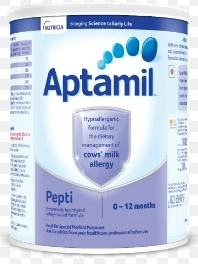
Aptamil Pepti Infant Formula 0 to 12 Months Tin 400gm
Brand: Nutricia International Private Limited
₹2000.00₹1960.00
View Details


Neocate LCP Infant Formula Powder 400GM
Brand: Nutricia International Private Limited
₹3300.00₹3234.00
View Details
Web Stories


Popular Lab Test






Live Doctor consultation
Live Doctor Chat

Fees ₹99
General Physician
Fees ₹99
General Physician
Fees ₹99
General Physician

Dr. Syed Mukhtar Mohiuddin
MBBS, MD , Fellowship in Diabetes Mellitus (UK)
- 7 Years
- English
Available at 00:00 to 07:00
Fees ₹99
General Physician
Fees ₹99
General Physician
Download Our App & Get Consultation from anywhere.