- Published on: Nov 17, 2023
- 4 minute read
- By: Secondmedic Expert
Unveiling The Intricacies: Low Testosterone And Arthritis Susceptibility




Have you ever found yourself grappling with persistent joint pain and stiffness, questioning whether there's more to it than simply the inevitable aging process? Could the underlying culprit be hidden within the delicate balance of your hormones? In this comprehensive exploration, we will delve deep into the intricate terrain that connects low testosterone levels to an increased susceptibility to arthritis. Brace yourself for a detailed journey into the realms of hormones, inflammation, and joint health.
Understanding the Significance of Testosterone:
To truly comprehend the intricate relationship between testosterone and arthritis, one must first grasp the multifaceted role this hormone plays within the human body. Often synonymous with masculinity, testosterone extends its influence far beyond the development of a deep voice and the growth of facial hair. As a key player in the endocrine system, testosterone intricately regulates a myriad of bodily functions.
Beyond its reproductive functions, testosterone contributes to maintaining bone density, muscle mass, and overall vitality. It serves as a potent anti-inflammatory agent, playing a crucial role in regulating the immune response and curbing inflammation in various parts of the body, including the joints.
The Nexus Between Testosterone and Arthritis:
Arthritis, commonly associated with the wear and tear of aging, may have a more nuanced connection to hormonal imbalances than previously acknowledged. Recent scientific studies have illuminated a profound link between diminished testosterone levels and an elevated susceptibility to arthritis.
As we embark on this exploration, it becomes apparent that hormones are not mere bystanders in the intricate dance of joint health. Testosterone, armed with its anti-inflammatory properties, stands as a guardian against the onset of arthritis by regulating the immune response and curbing inflammation in the joints. Consequently, when testosterone levels dwindle, the body's capacity to manage inflammation diminishes, rendering the joints susceptible to the ravages of arthritis.
Hormones' Role in Musculoskeletal Disorders:
To decipher the impact of hormonal imbalance on musculoskeletal health, one must delve into the labyrinthine workings of the endocrine system. Acting as messengers, hormones transmit signals that orchestrate a delicate symphony of bodily functions, including bone density and joint health.
The disruption of this delicate hormonal equilibrium, as observed in cases of androgen deficiency, significantly elevates the risk of musculoskeletal disorders, including arthritis. Understanding these intricate connections is imperative for unraveling the underlying causes of joint pain and devising effective strategies for both prevention and management.
The Ravages of Inflammation on Joint Health:
Inflammation, a natural and necessary response to injury or infection, becomes a formidable foe when it lingers for extended periods. Low testosterone levels contribute to an imbalanced inflammatory response, paving the way for chronic inflammation in the joints.
A nuanced comprehension of the correlation between inflammation and joint health is essential for those seeking respite from the relentless grip of arthritis symptoms. By addressing the root cause of hormonal imbalances, individuals may potentially mitigate the inflammatory processes that contribute to the manifestation of joint pain and stiffness.
Chronic inflammation not only exacerbates arthritis symptoms but can also lead to further joint damage and degeneration. The delicate balance of the immune system, closely intertwined with hormonal regulation, plays a pivotal role in maintaining joint health. When this balance is disrupted, the result is often a cascade of inflammatory responses that contribute to the progression of arthritis.
The Imperative of a Full Body Checkup:
Given the intricate tapestry of connections between hormones, inflammation, and joint health, a comprehensive approach to health is indispensable. A full body checkup emerges as a valuable diagnostic tool in identifying potential hormonal imbalances and assessing overall well-being.
During a thorough examination, healthcare professionals can evaluate hormone levels, detect markers of inflammation, and assess joint health. Armed with this invaluable information, individuals can take proactive steps to address any imbalances and minimize the risk of developing arthritis.
Regular monitoring of hormonal levels through a full body checkup is particularly crucial for those entering middle age and beyond. Aging is often accompanied by a natural decline in testosterone levels, making individuals more susceptible to the effects of hormonal imbalances. Detecting these imbalances early through comprehensive health assessments allows for timely interventions and personalized treatment plans.
Online Doctor Consultation: A Modern Solution:
In the digital era, accessing healthcare has become more convenient than ever before. Online doctor consultations present a hassle-free avenue to discuss symptoms, seek advice, and receive guidance on managing hormonal imbalances and safeguarding joint health.
Seize the opportunity for an online doctor consultation, and do so free of charge. This accessible option empowers individuals to connect with healthcare professionals, engage in meaningful discussions regarding testosterone levels, susceptibility to arthritis, and receive personalized recommendations for sustaining optimal joint health.
Online consultations are not only convenient but also offer a level of accessibility that can be particularly beneficial for individuals with mobility issues or those living in remote areas. The ability to connect with healthcare professionals from the comfort of one's home ensures that valuable medical advice is within reach, regardless of geographical constraints.
Taking Charge of Your Joint Health:
Armed with the knowledge of the intricate connections between low testosterone and arthritis susceptibility, individuals can take proactive steps to safeguard their joint health.
1. Lifestyle Modifications:
Adopting a healthy lifestyle is paramount in maintaining hormonal balance and preventing the onset or progression of arthritis. Regular exercise, a balanced diet rich in nutrients, and sufficient sleep contribute to overall well-being and can positively impact hormone levels.
Weight management is particularly crucial, as excess body weight places additional strain on the joints. This is especially relevant for individuals with low testosterone levels, as obesity is known to contribute to hormonal imbalances. Consultation with a nutritionist or fitness expert can help tailor a lifestyle plan that promotes joint health.
2. Supplementation and Medication:
In cases where hormonal imbalances are detected, supplementation or medication may be recommended by healthcare professionals. Hormone replacement therapy (HRT) is a common approach for addressing low testosterone levels. However, the decision to undergo HRT should be made in consultation with a healthcare provider, considering individual health conditions and potential risks.
Anti-inflammatory medications may also be prescribed to manage arthritis symptoms. It's crucial to follow the prescribed dosage and consult with healthcare professionals regularly to monitor the effectiveness and potential side effects of any medication.
3. Physical Therapy and Exercise:
Physical therapy plays a pivotal role in managing arthritis by improving joint function and reducing pain. A qualified physical therapist can design a tailored exercise program that focuses on strengthening the muscles around the joints, enhancing flexibility, and promoting overall joint health.Incorporating low-impact exercises such as swimming, cycling, or yoga can be particularly beneficial for individuals with arthritis. These activities help maintain joint mobility without placing excessive stress on the joints.
4. Mind-Body Techniques:
The mind-body connection is increasingly recognized as a powerful tool in managing chronic conditions, including arthritis. Practices such as mindfulness meditation, deep breathing exercises, and guided imagery can help alleviate stress and, in turn, contribute to a reduction in inflammation and joint pain.
Stress management is particularly relevant for individuals with low testosterone levels, as chronic stress can further disrupt hormonal balance. Integrating mind-body techniques into daily routines can be a valuable component of a holistic approach to joint health.
In unraveling the intricacies of the relationship between low testosterone and arthritis susceptibility, we embark on a journey that holds paramount significance in understanding the complexities of musculoskeletal health. By acknowledging the profound impact of hormones on inflammation and joint health, individuals can
Read FAQs
A. Some research suggests a potential connection between low testosterone levels and an increased risk of arthritis. Testosterone plays a role in maintaining musculoskeletal health, and studies have explored its impact on joint function. However, more research is needed to establish a definitive link between low testosterone and arthritis.
A. The relationship between masturbation and testosterone levels is a topic of debate among researchers. While some studies suggest a temporary increase in testosterone following sexual activity, the overall impact on testosterone levels is not well-established. Masturbation is unlikely to have a significant and lasting effect on testosterone levels.
A. The signs of low testosterone can vary among individuals, and it's important to consult with a healthcare professional for an accurate diagnosis. Common symptoms may include: Fatigue and decreased energy levels Reduced libido or sexual dysfunction Mood changes, such as increased irritability or depression Decreased muscle mass and strength Increased body fat, especially around the abdomen Changes in sleep patterns, such as insomnia or increased fatigue Difficulty concentrating and memory issues Hair loss or changes in hair growth Decreased bone density Hot flashes or sweating A decrease in overall sense of well-being Changes in cholesterol levels If you suspect you have low testosterone or are experiencing these symptoms, it's essential to consult with a healthcare professional for proper evaluation and guidance. They may conduct tests and recommend appropriate treatment options if necessary.


Monthly Healthy Potluck at Health Hubs: Building Community-Centered Preventive Wellness in India
India is facing a growing burden of lifestyle-related health conditions, including diabetes, obesity, hypertension and heart disease. According to ICMR and NFHS-5 data, dietary habits play a central role in the development and prevention of these conditions. While awareness around nutrition is increasing, sustaining healthy eating habits remains a challenge for many individuals.
The Monthly Healthy Potluck at Health Hubs is a community-driven initiative designed to address this gap. By bringing people together around nutritious food, shared learning and expert guidance, these potlucks transform healthy eating from an individual responsibility into a collective experience.
SecondMedic supports these events as part of its broader preventive healthcare mission, combining community engagement with medical expertise and digital health tools.
Why Community-Based Nutrition Initiatives Matter in India
1. Rising lifestyle disease burden
ICMR reports show that diet-related conditions account for a significant proportion of non-communicable diseases in India. Excess sugar, refined carbohydrates and processed foods are common contributors.
2. Nutrition knowledge gaps
NFHS-5 highlights widespread deficiencies in:
-
protein intake
-
micronutrients
-
dietary diversity
Community events help translate knowledge into practice.
3. Behaviour change is easier together
Research published in The Lancet suggests that group-based interventions are more effective in sustaining lifestyle changes than isolated efforts.
4. Cultural relevance of shared meals
Food is deeply social in Indian culture. Potlucks leverage this tradition to promote healthier choices without imposing rigid rules.
What Is the Monthly Healthy Potluck at Health Hubs?
The Monthly Healthy Potluck is a recurring wellness event hosted at designated Health Hubs. Participants bring healthy, home-prepared dishes and engage in guided discussions about nutrition, ingredients and portion balance.
The goal is not calorie counting, but mindful, informed eating that aligns with preventive health principles.
Key Components of the Healthy Potluck Program
1. Nutritious Home-Cooked Food
Participants are encouraged to prepare dishes using:
-
whole grains
-
seasonal vegetables
-
lean proteins
-
healthy fats
-
minimal added sugar and salt
This showcases practical, everyday meals rather than restrictive diets.
2. Nutrition Education in Simple Language
Dietitians and healthcare professionals explain:
-
why certain ingredients are beneficial
-
how portion sizes affect metabolism
-
ways to modify traditional recipes for better health
This bridges the gap between theory and daily cooking.
3. Peer Learning and Motivation
Participants learn from each other’s recipes, challenges and successes. This shared experience builds motivation and accountability.
4. Preventive Health Focus
Discussions link food choices to prevention of:
-
diabetes
-
heart disease
-
obesity
-
gut disorders
-
nutrient deficiencies
The emphasis is on long-term wellbeing, not short-term fixes.
Who Can Benefit from Monthly Healthy Potlucks?
Working professionals
Learn quick, balanced meal ideas suited for busy schedules.
Families
Encourage healthier eating habits for children and elders alike.
Seniors
Focus on nutrient-dense foods that support ageing and immunity.
Individuals with lifestyle conditions
Gain practical guidance for diabetes-friendly, heart-healthy or weight-conscious meals.
Health-conscious individuals
Build consistency and community support around wellness goals.
The Role of Health Hubs in Preventive Care
Health Hubs act as physical spaces where preventive healthcare becomes accessible and engaging. By hosting regular potlucks, these hubs move beyond diagnostics and consultations to address everyday behaviours that shape health outcomes.
SecondMedic integrates these community activities with:
-
preventive screening programs
-
nutrition consultations
-
AI Health Guide insights
-
digital health records
This ensures that learning from the potluck translates into measurable health improvements.
How AI Health Guide Enhances Community Nutrition Programs
SecondMedic’s AI Health Guide complements potluck initiatives by:
• Identifying common dietary gaps
Based on participant data and screening results.
• Personalising recommendations
Aligns food choices with individual health profiles.
• Tracking progress over time
Monitors changes in weight, glucose, cholesterol and energy levels.
• Supporting expert guidance
Provides data-backed insights for dietitians during discussions.
This blend of community engagement and technology strengthens preventive outcomes.
Benefits of Monthly Healthy Potlucks
1. Improved nutrition awareness
Participants gain clarity on healthy ingredients and cooking methods.
2. Sustainable behaviour change
Monthly repetition reinforces habits without overwhelm.
3. Reduced reliance on processed food
Exposure to simple, healthy recipes encourages home cooking.
4. Stronger community bonds
Shared goals foster trust, motivation and support.
5. Alignment with preventive healthcare
Nutrition becomes a proactive tool for disease prevention.
Long-Term Impact on Public Health
Community-driven initiatives like healthy potlucks can have a significant impact on public health outcomes. According to WHO and NITI Aayog, population-level dietary improvements are among the most cost-effective strategies for reducing non-communicable diseases.
By normalising healthy eating through social interaction, Monthly Healthy Potlucks contribute to:
-
reduced lifestyle disease risk
-
improved dietary diversity
-
greater health literacy
How SecondMedic Supports and Scales These Initiatives
SecondMedic plays a key role in ensuring that these events are structured, evidence-based and scalable by providing:
• Expert involvement
Dietitians and doctors guide discussions.
• Digital follow-up
Participants receive personalised insights post-event.
• Preventive health integration
Links potluck learnings with screenings and consultations.
• Community engagement tools
Newsletters, reminders and educational resources maintain momentum.
Conclusion
The Monthly Healthy Potluck at Health Hubs represents a powerful shift in how preventive healthcare is delivered in India. By combining community participation, nutrition education and expert guidance, these events make healthy eating practical, enjoyable and sustainable. Supported by SecondMedic’s preventive healthcare ecosystem, healthy potlucks transform everyday food choices into long-term wellness strategies.
7?? References
-
ICMR – Dietary Patterns and Lifestyle Disease Prevention
-
National Family Health Survey (NFHS-5) – Nutrition and Health Indicators
-
NITI Aayog – Preventive Health and Community Wellness Reports
-
WHO – Community-Based Nutrition Interventions Guidelines
-
Lancet – Effectiveness of Group-Based Lifestyle Interventions
-
Statista – Nutrition Awareness and Preventive Health Trends India
-
EY-FICCI – Preventive Healthcare and Community Engagement Studies
Our Services
Request A Callback
Recent Posts


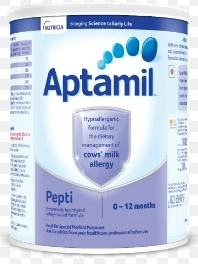
Aptamil Pepti Infant Formula 0 to 12 Months Tin 400gm
Brand: Nutricia International Private Limited
₹2000.00₹1960.00
View Details


Neocate LCP Infant Formula Powder 400GM
Brand: Nutricia International Private Limited
₹3300.00₹3234.00
View Details
Web Stories


Popular Lab Test






Live Doctor consultation
Live Doctor Chat

Fees ₹99
General Physician

Dr. Syed Mukhtar Mohiuddin
MBBS, MD , Fellowship in Diabetes Mellitus (UK)
- 7 Years
- English
Available at 00:00 to 07:00
Fees ₹99
General Physician
Fees ₹99
General Physician
Fees ₹99
General Physician
Fees ₹99
General Physician
Download Our App & Get Consultation from anywhere.