• Published on: Dec 16, 2025
  • 5 minute read
  • By: Secondmedic Expert

Home Healthcare Services In India: Bringing Quality Care To Your Doorstep

  • WhatsApp share link icon
  • copy & share link icon
  • twitter share link icon
  • facebook share link icon

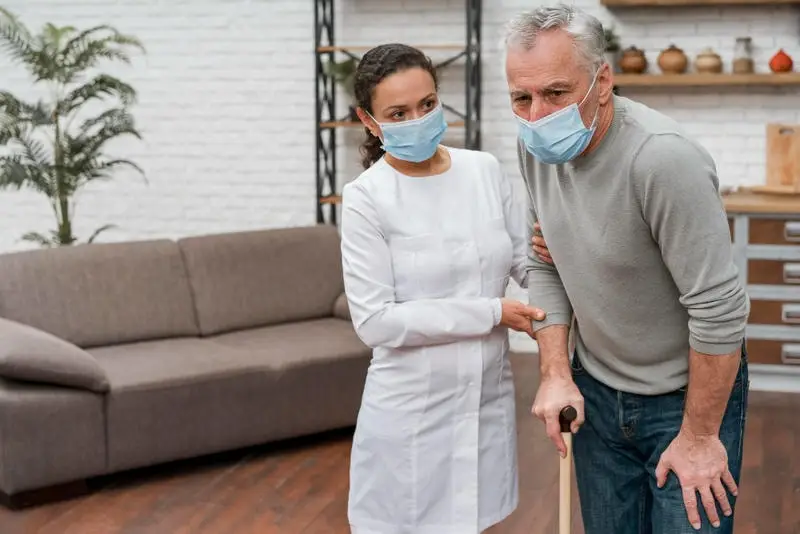
India’s healthcare system is evolving rapidly, and one of the most impactful trends is the rise of home healthcare services—medical and support care provided in the comfort of the home. This model is transforming how patients receive treatment, particularly for the elderly, chronically ill, post-surgery recovery and individuals with mobility challenges.

SecondMedic supports patients by integrating home healthcare services with digital consultations, diagnostics and preventive care planning. The result is a seamless continuum of care that prioritises comfort, safety and outcomes.

Why Home Healthcare Services Are Growing in India

1. Changing Demographics

India’s population is ageing. As of recent demographic data, a growing proportion of adults are over 60 years old, increasing demand for long-term care solutions.

2. Chronic Disease Burden

ICMR and NFHS-5 data show rising prevalence of:

  • diabetes

  • hypertension

  • heart disease

  • respiratory disorders

  • arthritis
     

These conditions require frequent monitoring and care often best delivered at home.

3. Post-Hospital Recovery Needs

Discharge from hospital often marks the beginning of intense rehabilitation needs—wound care, physiotherapy, medication management—where home support accelerates recovery and reduces readmission.

4. Convenience and Comfort

Traveling to clinics can be stressful for elderly or frail patients. Home healthcare removes this barrier, providing care without physical strain.

5. Technology Integration

Telemedicine, wearable monitoring and digital record-keeping make coordinated home care easier and more efficient.

What Are Home Healthcare Services?

Home healthcare encompasses a range of clinical and supportive services delivered at home by trained professionals.

• Skilled Nursing Care

Registered nurses and aides can manage:

  • wound dressing

  • injections

  • IV therapy

  • catheter care

  • medication administration

  • pressure sore prevention
     

• Physiotherapy and Rehabilitation

Certified physical therapists design personalised plans to improve:

  • mobility

  • balance

  • muscle strength

  • functional independence
     

These services are especially important after surgery, stroke or injury.

• Vital Signs Monitoring

Regular tracking of:

  • blood pressure

  • glucose

  • oxygen saturation

  • heart rate
     

Helps detect changes early and adjust care plans.

• Diagnostic Services

Through home sample collection, patients can get:

  • blood tests

  • urine tests

  • ECG

  • imaging referrals
     

with minimal disruption.

• Chronic Disease Management

Care plans include education, monitoring and adjustment of treatment for conditions such as:

  • diabetes

  • COPD (chronic obstructive pulmonary disease)

  • heart disease
     

• Post-Operative and Palliative Care

Focused support for:

  • surgical healing

  • long-term pain management

  • comfort care
     

• Personal Care Assistance

Support with:

  • bathing

  • dressing

  • mobility

  • feeding (if needed)
     

This is especially helpful for seniors and people with disabilities.

Who Benefits Most from Home Healthcare

Elderly Individuals

Seniors benefit from continuous support, fall prevention and chronic condition monitoring.

Post-Surgery Patients

Wound care, medication management and rehabilitation accelerate recovery.

Chronic Condition Patients

Home monitoring reduces complications and hospital visits.

People with Mobility Challenges

Disabilities, pain disorders and temporary limitations make home visits essential.

Busy Professionals and Families

Home care balances wellness needs with personal and work obligations.

Benefits of Home Healthcare Services

1. Reduced Hospital Readmissions

Continuity of care helps prevent complications and re-hospitalisation.

2. Improved Clinical Outcomes

Frequent monitoring and tailored care reduce emergency events.

3. Enhanced Comfort and Well-Being

Familiar surroundings reduce stress and anxiety.

4. Lower Overall Cost

Compared to long hospital stays, home care is cost-effective without compromising quality.

5. Family Involvement and Support

Care plans involve family members, improving adherence and shared understanding.

How SecondMedic Supports Home Healthcare

SecondMedic provides an integrated ecosystem that blends:

• Easy Service Booking

Patients or caregivers can request home care visits through a simple digital interface.

• Trained and Verified Professionals

Nurses, therapists and technicians are certified and follow clinical best practices.

• Digital Records and Tracking

Medical history, vitals and care notes are centrally accessible for every visit.

• AI-Assisted Risk Monitoring

AI tools analyse patterns in vitals and reports to flag early warning signs.

• Preventive Care Planning

Home healthcare is paired with lifestyle guidance, diet planning, activity goals and chronic care plans.

• Seamless Teleconsultation Support

Doctors remain available for consultation, adjusting care plans based on data and updates from home care visits.

Choosing the Right Home Healthcare Provider

Consider the following when selecting services:

• Certification and Training

Ensure caregivers and nurses are professionally qualified.

• Integrated Care Model

Look for services that connect with doctors, diagnostics and preventive planning.

• Continuity and Follow-Up

A good provider offers consistent visits and progress tracking.

• Technology Support

Remote monitoring, digital records and teleconsultations add value.

• Family and Patient Feedback

Patient comfort and communication skills of the team matter greatly.

SecondMedic’s model addresses these criteria to deliver quality care.


Common Myths About Home Healthcare

Myth 1: Home care is only for the elderly

Not true—anyone with temporary or chronic needs benefits.

Myth 2: Home services are expensive

Often home care reduces long-term costs compared to repeated hospital visits.

Myth 3: Quality suffers outside hospitals

Professional home care follows clinical protocols with certified staff.

Myth 4: Only nurses visit, not doctors

Teleconsultations bring doctors into the loop seamlessly.

Understanding these myths helps families make better healthcare decisions.

Future Trends in Home Healthcare in India

• Wearable Integration

Devices that continuously monitor vitals will alert care teams proactively.

• Remote Chronic Disease Dashboards

Doctors can adjust plans based on live health data.

• AI Predictive Alerts

Patterns signal early risk before symptoms worsen.

• Virtual Rehabilitation Support

Therapists guide exercises through video support between visits.

SecondMedic is building towards these advanced integrations.

Conclusion

Home healthcare services are redefining how medical care is delivered in India. By combining skilled professionals, digital tools, supervised monitoring and preventive planning, patients receive comprehensive care without leaving home. Whether for seniors, chronic patients or post-surgery recovery, home care improves outcomes and enhances overall wellbeing.

SecondMedic’s integrated model ensures quality, continuity and convenience—making healthcare truly patient-centric.

7?? References

  • ICMR – Chronic Disease & Age-Related Care Reports

  • National Family Health Survey (NFHS-5) – Health Access Indicators

  • NITI Aayog – Home Care & Digital Health Report

  • WHO – Home-Based Care Guidelines

  • Lancet Public Health – Continuity of Care & Patient Outcomes

  • Statista India – Home Healthcare Market Trends

  • EY-FICCI – Preventive Healthcare Adoption & Patient Preferences
Read FAQs


A. They are medical and supportive services delivered in a patient’s home, including nursing, therapy, diagnostics and monitoring.

A. Elderly individuals, post-surgery patients, chronic condition patients, disabled persons and those needing long-term care.

A. Yes. Certified professionals follow standard clinical protocols and safety procedures during home visits.

A. Nursing care, physiotherapy, medication administration, wound care, vitals monitoring and diagnostics.

A. Through integrated service booking, expert care teams, seamless reports and preventive health planning.

Read Blog
Monthly Healthy Potluck at Health Hubs: Building Community-Centered Preventive Wellness in India

Monthly Healthy Potluck at Health Hubs: Building Community-Centered Preventive Wellness in India

India is facing a growing burden of lifestyle-related health conditions, including diabetes, obesity, hypertension and heart disease. According to ICMR and NFHS-5 data, dietary habits play a central role in the development and prevention of these conditions. While awareness around nutrition is increasing, sustaining healthy eating habits remains a challenge for many individuals.

The Monthly Healthy Potluck at Health Hubs is a community-driven initiative designed to address this gap. By bringing people together around nutritious food, shared learning and expert guidance, these potlucks transform healthy eating from an individual responsibility into a collective experience.

SecondMedic supports these events as part of its broader preventive healthcare mission, combining community engagement with medical expertise and digital health tools.

Why Community-Based Nutrition Initiatives Matter in India

1. Rising lifestyle disease burden

ICMR reports show that diet-related conditions account for a significant proportion of non-communicable diseases in India. Excess sugar, refined carbohydrates and processed foods are common contributors.

2. Nutrition knowledge gaps

NFHS-5 highlights widespread deficiencies in:

  • protein intake
     

  • micronutrients
     

  • dietary diversity
     

Community events help translate knowledge into practice.

3. Behaviour change is easier together

Research published in The Lancet suggests that group-based interventions are more effective in sustaining lifestyle changes than isolated efforts.

4. Cultural relevance of shared meals

Food is deeply social in Indian culture. Potlucks leverage this tradition to promote healthier choices without imposing rigid rules.


What Is the Monthly Healthy Potluck at Health Hubs?

The Monthly Healthy Potluck is a recurring wellness event hosted at designated Health Hubs. Participants bring healthy, home-prepared dishes and engage in guided discussions about nutrition, ingredients and portion balance.

The goal is not calorie counting, but mindful, informed eating that aligns with preventive health principles.


Key Components of the Healthy Potluck Program

1. Nutritious Home-Cooked Food

Participants are encouraged to prepare dishes using:

  • whole grains

  • seasonal vegetables

  • lean proteins

  • healthy fats

  • minimal added sugar and salt
     

This showcases practical, everyday meals rather than restrictive diets.

2. Nutrition Education in Simple Language

Dietitians and healthcare professionals explain:

  • why certain ingredients are beneficial

  • how portion sizes affect metabolism

  • ways to modify traditional recipes for better health
     

This bridges the gap between theory and daily cooking.

3. Peer Learning and Motivation

Participants learn from each other’s recipes, challenges and successes. This shared experience builds motivation and accountability.

4. Preventive Health Focus

Discussions link food choices to prevention of:

  • diabetes

  • heart disease

  • obesity

  • gut disorders

  • nutrient deficiencies
     

The emphasis is on long-term wellbeing, not short-term fixes.


Who Can Benefit from Monthly Healthy Potlucks?

Working professionals

Learn quick, balanced meal ideas suited for busy schedules.

Families

Encourage healthier eating habits for children and elders alike.

Seniors

Focus on nutrient-dense foods that support ageing and immunity.

Individuals with lifestyle conditions

Gain practical guidance for diabetes-friendly, heart-healthy or weight-conscious meals.

Health-conscious individuals

Build consistency and community support around wellness goals.


The Role of Health Hubs in Preventive Care

Health Hubs act as physical spaces where preventive healthcare becomes accessible and engaging. By hosting regular potlucks, these hubs move beyond diagnostics and consultations to address everyday behaviours that shape health outcomes.

SecondMedic integrates these community activities with:

  • preventive screening programs

  • nutrition consultations

  • AI Health Guide insights

  • digital health records
     

This ensures that learning from the potluck translates into measurable health improvements.


How AI Health Guide Enhances Community Nutrition Programs

SecondMedic’s AI Health Guide complements potluck initiatives by:

• Identifying common dietary gaps

Based on participant data and screening results.

• Personalising recommendations

Aligns food choices with individual health profiles.

• Tracking progress over time

Monitors changes in weight, glucose, cholesterol and energy levels.

• Supporting expert guidance

Provides data-backed insights for dietitians during discussions.

This blend of community engagement and technology strengthens preventive outcomes.


Benefits of Monthly Healthy Potlucks

1. Improved nutrition awareness

Participants gain clarity on healthy ingredients and cooking methods.

2. Sustainable behaviour change

Monthly repetition reinforces habits without overwhelm.

3. Reduced reliance on processed food

Exposure to simple, healthy recipes encourages home cooking.

4. Stronger community bonds

Shared goals foster trust, motivation and support.

5. Alignment with preventive healthcare

Nutrition becomes a proactive tool for disease prevention.


Long-Term Impact on Public Health

Community-driven initiatives like healthy potlucks can have a significant impact on public health outcomes. According to WHO and NITI Aayog, population-level dietary improvements are among the most cost-effective strategies for reducing non-communicable diseases.

By normalising healthy eating through social interaction, Monthly Healthy Potlucks contribute to:

  • reduced lifestyle disease risk

  • improved dietary diversity

  • greater health literacy
     

How SecondMedic Supports and Scales These Initiatives

SecondMedic plays a key role in ensuring that these events are structured, evidence-based and scalable by providing:

• Expert involvement

Dietitians and doctors guide discussions.

• Digital follow-up

Participants receive personalised insights post-event.

• Preventive health integration

Links potluck learnings with screenings and consultations.

• Community engagement tools

Newsletters, reminders and educational resources maintain momentum.


Conclusion

The Monthly Healthy Potluck at Health Hubs represents a powerful shift in how preventive healthcare is delivered in India. By combining community participation, nutrition education and expert guidance, these events make healthy eating practical, enjoyable and sustainable. Supported by SecondMedic’s preventive healthcare ecosystem, healthy potlucks transform everyday food choices into long-term wellness strategies.


7?? References

  • ICMR – Dietary Patterns and Lifestyle Disease Prevention

  • National Family Health Survey (NFHS-5) – Nutrition and Health Indicators

  • NITI Aayog – Preventive Health and Community Wellness Reports

  • WHO – Community-Based Nutrition Interventions Guidelines

  • Lancet – Effectiveness of Group-Based Lifestyle Interventions

  • Statista – Nutrition Awareness and Preventive Health Trends India

  • EY-FICCI – Preventive Healthcare and Community Engagement Studies

See all

Live Doctor consultation
Live Doctor Chat

Download Our App & Get Consultation from anywhere.

App Download
call icon for mobile number calling and whatsapp at secondmedic