- Published on: Nov 17, 2023
- 4 minute read
- By: Secondmedic Expert
Unveiling The Intricacies: Low Testosterone And Arthritis Susceptibility




Have you ever found yourself grappling with persistent joint pain and stiffness, questioning whether there's more to it than simply the inevitable aging process? Could the underlying culprit be hidden within the delicate balance of your hormones? In this comprehensive exploration, we will delve deep into the intricate terrain that connects low testosterone levels to an increased susceptibility to arthritis. Brace yourself for a detailed journey into the realms of hormones, inflammation, and joint health.
Understanding the Significance of Testosterone:
To truly comprehend the intricate relationship between testosterone and arthritis, one must first grasp the multifaceted role this hormone plays within the human body. Often synonymous with masculinity, testosterone extends its influence far beyond the development of a deep voice and the growth of facial hair. As a key player in the endocrine system, testosterone intricately regulates a myriad of bodily functions.
Beyond its reproductive functions, testosterone contributes to maintaining bone density, muscle mass, and overall vitality. It serves as a potent anti-inflammatory agent, playing a crucial role in regulating the immune response and curbing inflammation in various parts of the body, including the joints.
The Nexus Between Testosterone and Arthritis:
Arthritis, commonly associated with the wear and tear of aging, may have a more nuanced connection to hormonal imbalances than previously acknowledged. Recent scientific studies have illuminated a profound link between diminished testosterone levels and an elevated susceptibility to arthritis.
As we embark on this exploration, it becomes apparent that hormones are not mere bystanders in the intricate dance of joint health. Testosterone, armed with its anti-inflammatory properties, stands as a guardian against the onset of arthritis by regulating the immune response and curbing inflammation in the joints. Consequently, when testosterone levels dwindle, the body's capacity to manage inflammation diminishes, rendering the joints susceptible to the ravages of arthritis.
Hormones' Role in Musculoskeletal Disorders:
To decipher the impact of hormonal imbalance on musculoskeletal health, one must delve into the labyrinthine workings of the endocrine system. Acting as messengers, hormones transmit signals that orchestrate a delicate symphony of bodily functions, including bone density and joint health.
The disruption of this delicate hormonal equilibrium, as observed in cases of androgen deficiency, significantly elevates the risk of musculoskeletal disorders, including arthritis. Understanding these intricate connections is imperative for unraveling the underlying causes of joint pain and devising effective strategies for both prevention and management.
The Ravages of Inflammation on Joint Health:
Inflammation, a natural and necessary response to injury or infection, becomes a formidable foe when it lingers for extended periods. Low testosterone levels contribute to an imbalanced inflammatory response, paving the way for chronic inflammation in the joints.
A nuanced comprehension of the correlation between inflammation and joint health is essential for those seeking respite from the relentless grip of arthritis symptoms. By addressing the root cause of hormonal imbalances, individuals may potentially mitigate the inflammatory processes that contribute to the manifestation of joint pain and stiffness.
Chronic inflammation not only exacerbates arthritis symptoms but can also lead to further joint damage and degeneration. The delicate balance of the immune system, closely intertwined with hormonal regulation, plays a pivotal role in maintaining joint health. When this balance is disrupted, the result is often a cascade of inflammatory responses that contribute to the progression of arthritis.
The Imperative of a Full Body Checkup:
Given the intricate tapestry of connections between hormones, inflammation, and joint health, a comprehensive approach to health is indispensable. A full body checkup emerges as a valuable diagnostic tool in identifying potential hormonal imbalances and assessing overall well-being.
During a thorough examination, healthcare professionals can evaluate hormone levels, detect markers of inflammation, and assess joint health. Armed with this invaluable information, individuals can take proactive steps to address any imbalances and minimize the risk of developing arthritis.
Regular monitoring of hormonal levels through a full body checkup is particularly crucial for those entering middle age and beyond. Aging is often accompanied by a natural decline in testosterone levels, making individuals more susceptible to the effects of hormonal imbalances. Detecting these imbalances early through comprehensive health assessments allows for timely interventions and personalized treatment plans.
Online Doctor Consultation: A Modern Solution:
In the digital era, accessing healthcare has become more convenient than ever before. Online doctor consultations present a hassle-free avenue to discuss symptoms, seek advice, and receive guidance on managing hormonal imbalances and safeguarding joint health.
Seize the opportunity for an online doctor consultation, and do so free of charge. This accessible option empowers individuals to connect with healthcare professionals, engage in meaningful discussions regarding testosterone levels, susceptibility to arthritis, and receive personalized recommendations for sustaining optimal joint health.
Online consultations are not only convenient but also offer a level of accessibility that can be particularly beneficial for individuals with mobility issues or those living in remote areas. The ability to connect with healthcare professionals from the comfort of one's home ensures that valuable medical advice is within reach, regardless of geographical constraints.
Taking Charge of Your Joint Health:
Armed with the knowledge of the intricate connections between low testosterone and arthritis susceptibility, individuals can take proactive steps to safeguard their joint health.
1. Lifestyle Modifications:
Adopting a healthy lifestyle is paramount in maintaining hormonal balance and preventing the onset or progression of arthritis. Regular exercise, a balanced diet rich in nutrients, and sufficient sleep contribute to overall well-being and can positively impact hormone levels.
Weight management is particularly crucial, as excess body weight places additional strain on the joints. This is especially relevant for individuals with low testosterone levels, as obesity is known to contribute to hormonal imbalances. Consultation with a nutritionist or fitness expert can help tailor a lifestyle plan that promotes joint health.
2. Supplementation and Medication:
In cases where hormonal imbalances are detected, supplementation or medication may be recommended by healthcare professionals. Hormone replacement therapy (HRT) is a common approach for addressing low testosterone levels. However, the decision to undergo HRT should be made in consultation with a healthcare provider, considering individual health conditions and potential risks.
Anti-inflammatory medications may also be prescribed to manage arthritis symptoms. It's crucial to follow the prescribed dosage and consult with healthcare professionals regularly to monitor the effectiveness and potential side effects of any medication.
3. Physical Therapy and Exercise:
Physical therapy plays a pivotal role in managing arthritis by improving joint function and reducing pain. A qualified physical therapist can design a tailored exercise program that focuses on strengthening the muscles around the joints, enhancing flexibility, and promoting overall joint health.Incorporating low-impact exercises such as swimming, cycling, or yoga can be particularly beneficial for individuals with arthritis. These activities help maintain joint mobility without placing excessive stress on the joints.
4. Mind-Body Techniques:
The mind-body connection is increasingly recognized as a powerful tool in managing chronic conditions, including arthritis. Practices such as mindfulness meditation, deep breathing exercises, and guided imagery can help alleviate stress and, in turn, contribute to a reduction in inflammation and joint pain.
Stress management is particularly relevant for individuals with low testosterone levels, as chronic stress can further disrupt hormonal balance. Integrating mind-body techniques into daily routines can be a valuable component of a holistic approach to joint health.
In unraveling the intricacies of the relationship between low testosterone and arthritis susceptibility, we embark on a journey that holds paramount significance in understanding the complexities of musculoskeletal health. By acknowledging the profound impact of hormones on inflammation and joint health, individuals can
Read FAQs
A. Some research suggests a potential connection between low testosterone levels and an increased risk of arthritis. Testosterone plays a role in maintaining musculoskeletal health, and studies have explored its impact on joint function. However, more research is needed to establish a definitive link between low testosterone and arthritis.
A. The relationship between masturbation and testosterone levels is a topic of debate among researchers. While some studies suggest a temporary increase in testosterone following sexual activity, the overall impact on testosterone levels is not well-established. Masturbation is unlikely to have a significant and lasting effect on testosterone levels.
A. The signs of low testosterone can vary among individuals, and it's important to consult with a healthcare professional for an accurate diagnosis. Common symptoms may include: Fatigue and decreased energy levels Reduced libido or sexual dysfunction Mood changes, such as increased irritability or depression Decreased muscle mass and strength Increased body fat, especially around the abdomen Changes in sleep patterns, such as insomnia or increased fatigue Difficulty concentrating and memory issues Hair loss or changes in hair growth Decreased bone density Hot flashes or sweating A decrease in overall sense of well-being Changes in cholesterol levels If you suspect you have low testosterone or are experiencing these symptoms, it's essential to consult with a healthcare professional for proper evaluation and guidance. They may conduct tests and recommend appropriate treatment options if necessary.


Role of Nutrition in Disease Prevention: How Food Choices Shape Long-Term Health
Disease prevention is no longer limited to vaccinations and medical screenings. Modern healthcare increasingly recognises nutrition as one of the most powerful tools for preventing illness before it begins. The role of nutrition in disease prevention is especially important in India, where lifestyle-related diseases account for a large share of premature illness and mortality.
According to the Indian Council of Medical Research (ICMR) and the National Family Health Survey (NFHS-5), poor dietary patterns contribute significantly to rising cases of diabetes, heart disease, obesity and hypertension. Unlike genetic factors, nutrition is a modifiable risk factor, meaning everyday food choices can actively protect health.
Why Nutrition Is Central to Disease Prevention
1. Nutrition regulates metabolic health
Balanced diets help maintain:
-
healthy blood sugar levels
-
optimal cholesterol balance
-
stable blood pressure
Disruption in these systems increases disease risk.
2. Nutrition strengthens immunity
WHO highlights that immune function depends heavily on adequate intake of vitamins, minerals and protein.
3. Nutrition controls inflammation
Chronic low-grade inflammation is linked to most lifestyle diseases. Diets rich in whole foods reduce inflammatory markers.
Major Diseases Influenced by Nutrition
Diabetes and Prediabetes
Excess refined carbohydrates and sugar drive insulin resistance.
Preventive nutrition focuses on:
-
whole grains
-
fibre-rich vegetables
-
adequate protein
-
controlled portion sizes
ICMR data shows that dietary modification can delay or prevent type 2 diabetes in high-risk individuals.
Cardiovascular Disease
Heart disease remains a leading cause of death in India.
Nutrition impacts:
-
cholesterol levels
-
blood pressure
-
arterial inflammation
Diets low in trans fats and high in fibre significantly reduce cardiovascular risk, as confirmed by WHO and Lancet studies.
Obesity
Obesity increases the risk of multiple chronic diseases.
Preventive nutrition addresses:
-
calorie density
-
food quality
-
satiety regulation
NFHS-5 reports a steady rise in overweight and obesity across age groups.
Hypertension
High sodium intake and low potassium intake contribute to high blood pressure.
Preventive dietary strategies include:
-
reducing processed foods
-
increasing fruits and vegetables
-
maintaining mineral balance
Certain Cancers
Diet influences cancer risk through:
-
antioxidant intake
-
fibre consumption
-
reduced exposure to carcinogenic compounds
WHO estimates that a significant percentage of cancers are preventable through diet and lifestyle changes.
Key Nutrients That Support Disease Prevention
Fibre
Supports gut health, blood sugar control and cholesterol reduction.
Protein
Essential for muscle health, immune function and metabolic balance.
Healthy Fats
Omega-3 fats reduce inflammation and protect heart health.
Micronutrients
Iron, zinc, vitamin D and B vitamins are essential for metabolic and immune regulation.
NFHS-5 highlights widespread micronutrient deficiencies in India, increasing disease vulnerability.
Role of Gut Health in Prevention
The gut microbiome plays a major role in:
-
immune regulation
-
inflammation control
-
nutrient absorption
Fermented foods and fibre-rich diets support healthy gut bacteria, strengthening disease resistance.
Why Preventive Nutrition Works Best Early
Nutrition is most effective when applied:
-
before disease onset
-
during pre-disease stages
-
alongside regular health screening
Once disease progresses, nutrition remains supportive but may not reverse damage fully.
Nutrition vs Medication in Prevention
Medication treats disease; nutrition reduces risk.
WHO and NITI Aayog emphasize that:
-
preventive nutrition reduces disease incidence
-
lifestyle modification lowers healthcare burden
-
early nutrition changes reduce dependency on long-term medication
Both approaches work best when combined appropriately.
Workplace and Community Role in Preventive Nutrition
Structured nutrition programs at workplaces and communities:
-
improve awareness
-
support behaviour change
-
reduce population-level disease burden
Lancet studies show that group-based nutrition interventions improve long-term adherence.
Common Myths About Nutrition and Disease Prevention
Myth 1: Supplements replace healthy food
Whole foods provide better long-term protection.
Myth 2: Prevention requires extreme diets
Consistency matters more than restriction.
Myth 3: Nutrition only matters after diagnosis
Early nutrition is most effective before disease develops.
Building a Preventive Nutrition Routine
Effective preventive nutrition includes:
-
regular meals
-
diverse food groups
-
portion awareness
-
minimal processed foods
-
hydration
Small daily choices compound into long-term health benefits.
Long-Term Impact of Preventive Nutrition
Consistent healthy eating leads to:
-
reduced disease risk
-
improved energy and productivity
-
better immune resilience
-
lower healthcare costs
-
improved quality of life
NITI Aayog identifies nutrition as a cornerstone of sustainable healthcare systems.
Conclusion
Understanding the role of nutrition in disease prevention empowers individuals to take control of their health long before illness develops. Balanced, consistent nutrition reduces inflammation, supports immunity and protects against chronic diseases that burden India’s healthcare system. Preventive nutrition is not about short-term fixes but about building lifelong habits that support health, resilience and longevity.
References
-
ICMR – Nutrition and Lifestyle Disease Prevention Reports
-
National Family Health Survey (NFHS-5) – Dietary and Metabolic Health Data
-
NITI Aayog – Preventive Healthcare and Nutrition Strategy Reports
-
WHO – Diet, Nutrition and Chronic Disease Prevention Guidelines
-
Lancet – Nutrition and Disease Risk Reduction Studies
-
Statista – Dietary Trends and Health Outcomes India
-
EY-FICCI – Preventive Healthcare and Nutrition Economics
Our Services
Request A Callback
Recent Posts



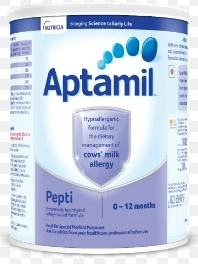
Aptamil Pepti Infant Formula 0 to 12 Months Tin 400gm
Brand: Nutricia International Private Limited
₹2000.00₹1960.00
View Details


Neocate LCP Infant Formula Powder 400GM
Brand: Nutricia International Private Limited
₹3300.00₹3234.00
View Details
Web Stories


Popular Lab Test






Live Doctor consultation
Live Doctor Chat

Fees ₹99
General Physician

Dr. Syed Mukhtar Mohiuddin
MBBS, MD , Fellowship in Diabetes Mellitus (UK)
- 7 Years
- English
Available at 00:00 to 07:00
Fees ₹99
General Physician
Fees ₹99
General Physician
Fees ₹99
General Physician
Fees ₹99
General Physician
Download Our App & Get Consultation from anywhere.