- Published on: Sep 05, 2023
- 3 minute read
- By: Secondmedic Expert
Understanding Sleep Paralysis: Causes, Symptoms, And Solutions




Are you tired of being startled awake, unable to move, and overwhelmed by fear during the night? Have you ever wondered what causes those eerie experiences of sleep paralysis? If so, you're in the right place. In this blog, we'll explore the fascinating world of sleep paralysis, addressing common questions and shedding light on the mysteries surrounding it. Let's unravel the truth about sleep paralysis together.
Introduction
Sleep paralysis is a perplexing and often terrifying phenomenon that occurs when a person finds themselves temporarily unable to move or speak while falling asleep or waking up. In this comprehensive guide, we will delve into the meaning, causes, symptoms, treatments, and the myths surrounding sleep paralysis. By the end, you will have a better understanding of this intriguing sleep disorder.
Sleep Paralysis Meaning
A. Definition and Explanation of Sleep Paralysis Sleep paralysis is a sleep disorder characterized by a temporary loss of muscle control during the transition between wakefulness and sleep, or vice versa. It often leads to vivid hallucinations and a sense of impending doom, making it a deeply unsettling experience.
B. Historical and Cultural Perspectives on Sleep Paralysis Throughout history, various cultures have attributed sleep paralysis to supernatural beings or malevolent spirits. In many cases, these misconceptions have contributed to the fear associated with sleep paralysis.
C. Common Misconceptions It's essential to dispel myths surrounding sleep paralysis, such as the belief that it is caused by demonic entities. In reality, it is a physiological phenomenon with scientific explanations.
Sleep Paralysis Causes
A. Explanation of What Causes Sleep Paralysis The exact cause of sleep paralysis is not fully understood, but it is believed to involve disruptions in the sleep-wake cycle and REM (rapid eye movement) sleep. During REM sleep, our bodies are naturally paralyzed to prevent us from acting out our dreams. Sleep paralysis occurs when this mechanism malfunctions, leaving individuals temporarily immobilized.
B. Scientific Understanding of Sleep Paralysis Origins Research indicates that sleep paralysis is linked to various factors, including genetics, sleep deprivation, and irregular sleep patterns. Stress and anxiety are also known to trigger episodes.
C. Factors Contributing to Sleep Paralysis Certain sleep disorders, such as narcolepsy, can increase the likelihood of experiencing sleep paralysis. Other factors like sleep apnea, irregular sleep schedules, and substance abuse can also contribute to its occurrence.
Sleep Paralysis Symptoms
A. Detailed Description of Sleep Paralysis Episodes During a sleep paralysis episode, individuals may feel a crushing weight on their chest and an inability to move or speak. Hallucinations, which can be auditory, visual, or tactile, often accompany the experience, adding to the distress.
B. Sensory and Psychological Experiences during Sleep Paralysis Sensory experiences during sleep paralysis can range from a feeling of levitation to the perception of a menacing presence in the room. These hallucinations are a result of the brain's attempt to make sense of the altered state.
C. Variations in Symptoms Symptoms can vary from person to person, with some individuals having recurrent episodes and others experiencing sleep paralysis infrequently.
Is Sleep Paralysis Dangerous?
A. Risks Associated with Sleep Paralysis While sleep paralysis itself is not inherently dangerous, the fear and anxiety it induces can have adverse effects on mental well-being. Chronic sleep paralysis may also disrupt sleep patterns and lead to sleep deprivation.
B. Differentiating Sleep Paralysis from Other Medical Conditions It is crucial to distinguish sleep paralysis from medical conditions like seizures or stroke, which require immediate medical attention. Consulting a healthcare professional is essential for a proper diagnosis.
C. Managing Fear and Anxiety Related to Sleep Paralysis Coping strategies, such as practicing relaxation techniques and maintaining a consistent sleep schedule, can help individuals manage fear and anxiety related to sleep paralysis.
Sleep Paralysis Treatments
A. Medical Approaches to Managing Sleep Paralysis In some cases, healthcare providers may recommend medication or therapy to manage sleep disorders or anxiety, which can alleviate sleep paralysis episodes.
B. Lifestyle Changes to Reduce Sleep Paralysis Episodes Simple lifestyle adjustments, like improving sleep hygiene and reducing stress, can significantly reduce the frequency of sleep paralysis.
C. Coping Strategies for Dealing with Sleep Paralysis Learning to manage sleep paralysis episodes through relaxation techniques and understanding the underlying causes can empower individuals to cope with this phenomenon.
Sleep Paralysis Research
A. Ongoing Studies and Discoveries in Sleep Paralysis Researchers are continually investigating the mechanisms and causes of sleep paralysis. Ongoing studies aim to unravel the complexities of this sleep disorder.
B. Advancements in Treatment and Understanding As our understanding of sleep paralysis deepens, advancements in treatment options and support systems for affected individuals are emerging.
C. Future Directions in Sleep Paralysis Research The future holds promise for more effective treatments and prevention strategies, enhancing the quality of life for those living with sleep paralysis.
In conclusion, sleep paralysis is a perplexing phenomenon with a rich history of myths and misconceptions. Understanding its causes, symptoms, and treatments is essential for those who experience it and for promoting awareness and education within society. If you or someone you know is struggling with sleep paralysis, seeking professional help is a crucial step towards managing this condition and improving overall sleep quality. By dispelling myths and fostering a deeper understanding, we can help individuals navigate the often eerie world of sleep paralysis with confidence and resilience.
Read FAQs
A. No, sleep paralysis itself is not dangerous, but the fear and anxiety it induces can have negative effects on overall well-being.
A. Yes, in some cultures, sleep paralysis has been linked to supernatural beliefs, such as demonic visitations.
A. Improving sleep hygiene, managing stress, and seeking medical advice when necessary are effective ways to reduce the frequency of sleep paralysis episodes.
A. Yes, sleep paralysis can be associated with underlying sleep disorders such as narcolepsy, insomnia, or sleep apnea.
A. Sleep paralysis itself is not physically harmful. While it can be a frightening and distressing experience, it is generally not associated with physical pain or injury. However, the intense fear and anxiety that often accompany sleep paralysis can have psychological and emotional effects, such as anxiety about going to sleep or experiencing future episodes. Additionally, sleep paralysis may be linked to underlying sleep disorders, like narcolepsy, and addressing these conditions can improve overall sleep quality and reduce the occurrence of sleep paralysis.

Virtual Cooking Class with a Dietitian: Why It’s a Powerful Corporate Wellness Benefit
Corporate wellness programs in India are undergoing a meaningful transformation. What once revolved primarily around annual health checkups and gym memberships is now shifting toward sustainable lifestyle-based interventions. Among these, the virtual cooking class with a dietitian has emerged as one of the most practical and high-impact wellness initiatives for modern workplaces.
Poor dietary habits are a leading contributor to lifestyle-related conditions such as diabetes, obesity, hypertension, and heart disease. According to the Indian Council of Medical Research (ICMR) and the National Family Health Survey (NFHS-5), a significant proportion of India’s working population consumes excess refined carbohydrates, sugar, and unhealthy fats, while falling short on protein, fibre, and essential micronutrients.
For corporate wellness initiatives to create lasting impact, they must move beyond awareness and actively support behaviour change. Dietitian-led virtual cooking classes address this gap by turning nutritional knowledge into daily practice.
Why Nutrition Is a Critical Corporate Wellness Priority
1. Rising lifestyle disease burden among employees
ICMR data highlights the growing health challenge within India’s workforce:
-
Over 100 million Indians live with diabetes
-
Nearly one in four adults has hypertension
-
Obesity rates are rising even among younger professionals
These conditions directly affect productivity, absenteeism, insurance claims, and long-term healthcare costs.
2. Desk-bound and remote work culture
Sedentary routines, irregular meal timings, and reliance on processed or convenience foods have become common in corporate environments, especially with hybrid and remote work models.
3. Knowledge does not translate into action
Many employees are aware of what constitutes healthy eating but struggle to apply this knowledge in everyday cooking. Virtual cooking classes bridge this gap by offering hands-on, real-world guidance.
What Is a Virtual Cooking Class with a Dietitian?
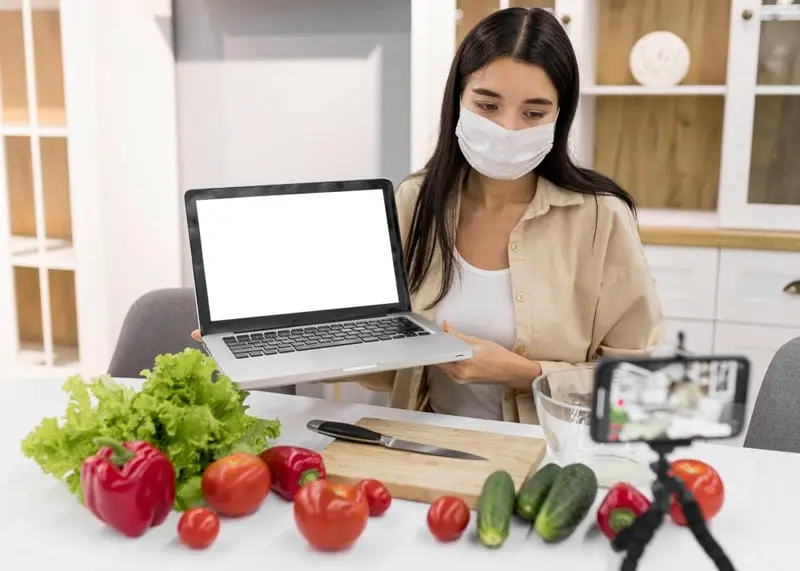
A virtual cooking class with a dietitian is an interactive online session led by a qualified nutrition professional who:
-
Demonstrates healthy, practical recipes
-
Explains ingredient choices and substitutions
-
Teaches portion control and meal balance
-
Addresses common dietary myths
-
Answers real-time participant questions
Unlike generic cooking shows or wellness webinars, these sessions are evidence-based and aligned with preventive health goals. They are designed specifically for corporate audiences, ensuring simplicity, cultural relevance, and scalability.
Why Virtual Cooking Classes Work Better Than Traditional Nutrition Talks
1. Practical skill-building
Employees learn how to:
-
Plan balanced meals
-
Cook quick, healthy dishes
-
Reduce excess sugar, salt, and oil
-
Read food labels with confidence
Skill-based learning leads to stronger habit formation than passive education.
2. Higher engagement and participation
Interactive cooking sessions are:
-
More engaging than lecture-style talks
-
Suitable for virtual and hybrid teams
-
Inclusive across age groups and roles
Participants actively cook, ask questions, and engage rather than passively listening.
3. Cultural relevance
Dietitians tailor recipes to Indian food habits, regional preferences, and household realities, making healthy eating feel practical and sustainable rather than restrictive.
Key Benefits for Employees
Improved daily nutrition
Employees gain confidence in preparing balanced, nourishing meals at home.
Better energy and focus
Stable blood sugar levels and improved nutrient intake support sustained energy and mental clarity during work hours.
Reduced lifestyle disease risk
WHO and Lancet research confirms that dietary improvements significantly reduce the risk of chronic diseases.
Stress reduction
Cooking itself can be therapeutic, contributing positively to mental wellbeing.
Family-wide impact
Healthy habits learned by employees often influence household food choices, extending benefits beyond the workplace.
Why Employers Benefit from Virtual Cooking Classes
1. Reduced absenteeism
Healthier employees tend to experience fewer illness-related absences.
2. Improved productivity
Better nutrition supports cognitive performance, stamina, and focus.
3. Lower long-term healthcare costs
Preventive nutrition initiatives reduce the burden of chronic disease-related claims.
4. Stronger wellness culture
Interactive and practical programs demonstrate genuine employer commitment to employee wellbeing.
5. High return on investment
Compared to large-scale medical interventions, virtual cooking classes are cost-effective, scalable, and easy to implement.
EY–FICCI corporate wellness reports consistently show that nutrition-focused preventive programs deliver higher engagement and long-term impact.
Topics Commonly Covered in Corporate Cooking Classes
-
Balanced Indian meals
Focus on protein, fibre, and micronutrient adequacy -
Quick workday recipes
Healthy meals prepared in under 30 minutes -
Disease-preventive diets
Heart-healthy, diabetes-friendly, and weight-conscious cooking -
Smart ingredient swaps
Replacing refined grains, excess oil, and added sugar -
Portion control techniques
Understanding serving sizes without calorie obsession -
Reading food labels
Identifying hidden sugar, sodium, and trans fats
How Virtual Cooking Classes Support Preventive Healthcare
Preventive healthcare focuses on addressing risk factors before disease develops, and nutrition plays a central role in this approach.
According to WHO and NITI Aayog:
-
Dietary modification is among the most cost-effective preventive strategies
-
Workplace interventions significantly influence adult eating habits
Virtual cooking classes help:
-
Reinforce preventive screening insights
-
Support chronic disease management
-
Improve adherence to dietitian recommendations
Role of AI-Guided Insights in Corporate Nutrition Programs
Modern wellness programs increasingly use data-driven tools to strengthen impact. AI-enabled health insights can:
-
Identify common nutritional gaps across employee populations
-
Personalise dietary recommendations
-
Support dietitians with evidence-based insights
-
Track long-term wellness outcomes
This ensures cooking sessions are aligned with real employee health needs rather than generic advice.
Why Virtual Delivery Works Best for Corporates
-
Easy scalability across multiple locations
-
No physical infrastructure required
-
Ideal for remote and hybrid teams
-
Flexible scheduling
-
Consistent quality delivery
Virtual formats ensure uniform wellness experiences regardless of employee location.
Long-Term Impact on Corporate Wellness
Organisations that consistently implement nutrition-focused wellness initiatives observe:
-
Higher employee engagement
-
Improved biometric health indicators
-
Reduced burnout
-
Stronger employer branding
Lancet workplace health studies indicate that nutrition-based interventions show measurable benefits within 6–12 months.
Conclusion
A virtual cooking class with a dietitian is more than a wellness activity—it is a powerful preventive health intervention. By equipping employees with practical nutrition skills, these sessions drive meaningful behaviour change, reduce lifestyle disease risk, and support long-term wellbeing. For organisations seeking impactful, scalable, and evidence-based corporate wellness solutions, dietitian-led virtual cooking classes represent a forward-thinking investment in workforce health.
References
-
ICMR – Dietary Patterns and Lifestyle Disease Prevention Reports
-
National Family Health Survey (NFHS-5) – Nutrition and Metabolic Health Data
-
NITI Aayog – Workplace Wellness and Preventive Healthcare Reports
-
WHO – Diet, Nutrition and Chronic Disease Prevention Guidelines
-
Lancet – Workplace Nutrition Interventions and Health Outcomes
-
EY-FICCI – Corporate Wellness and Productivity Studies
-
Statista – Corporate Wellness Program Trends in India
Our Services
Request A Callback
Recent Posts




Aptamil Pepti Infant Formula 0 to 12 Months Tin 400gm
Brand: Nutricia International Private Limited
₹2000.00₹1960.00
View Details


Neocate LCP Infant Formula Powder 400GM
Brand: Nutricia International Private Limited
₹3300.00₹3234.00
View Details
Web Stories


Popular Lab Test






Live Doctor consultation
Live Doctor Chat

Fees ₹99
General Physician
Fees ₹99
General Physician
Fees ₹99
General Physician

Dr. Syed Mukhtar Mohiuddin
MBBS, MD , Fellowship in Diabetes Mellitus (UK)
- 7 Years
- English
Available at 00:00 to 07:00
Fees ₹99
General Physician
Fees ₹99
General Physician
Download Our App & Get Consultation from anywhere.