• Published on: Aug 20, 2024
  • 3 minute read
  • By: SecondMedic Expert

Understanding Sickle Cell Disease: Types, Symptoms, And Causes

  • WhatsApp share link icon
  • copy & share link icon
  • twitter share link icon
  • facebook share link icon

Sickle Cell Disease (SCD) is a group of inherited red blood cell disorders that can have severe effects on the body. It is a lifelong condition that requires constant management. In this blog, we'll explore what sickle cell disease is, the different types, symptoms, and causes, as well as the importance of early diagnosis and treatment.

What is Sickle Cell Disease?

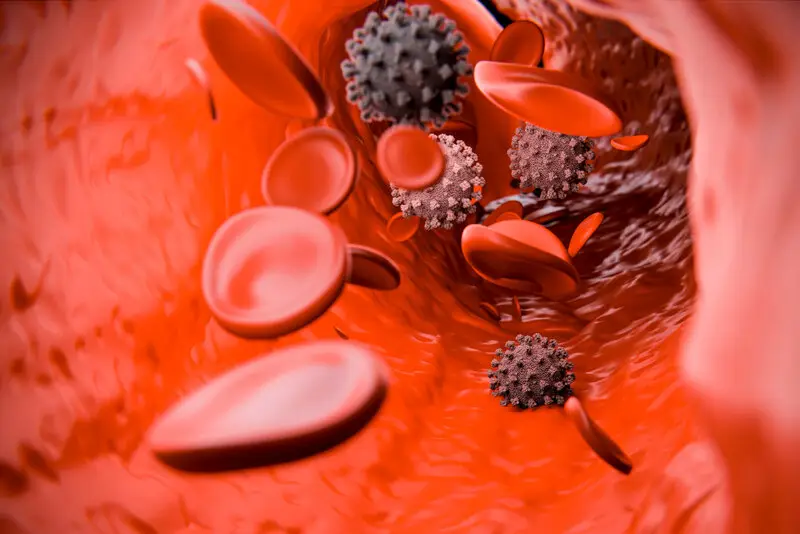
Sickle Cell Disease is a genetic disorder affecting the hemoglobin within red blood cells. Hemoglobin is the protein responsible for carrying oxygen throughout the body. In people with SCD, the hemoglobin is abnormal, causing the red blood cells to become rigid and shaped like a sickle or crescent, rather than the normal round shape.

These sickle-shaped cells can get stuck in blood vessels, blocking blood flow and leading to painful episodes known as sickle cell crises. Over time, this can cause damage to organs, muscles, and bones, leading to various complications.

Types of Sickle Cell Disease

Sickle Cell Disease is not a single condition but a group of related disorders. The most common types include:

1. HbSS (Sickle Cell Anemia):

   - This is the most severe form of SCD. It occurs when a person inherits two sickle cell genes, one from each parent. These individuals produce only sickle-shaped hemoglobin, leading to chronic anemia, severe pain, and other complications.

2. HbSC:

   - This type occurs when a person inherits one sickle cell gene (HbS) and one gene for abnormal hemoglobin called hemoglobin C (HbC). Although symptoms are generally milder than HbSS, individuals with HbSC can still experience significant health issues.

3. HbS Beta-Thalassemia:

   - This form occurs when a person inherits one sickle cell gene and one gene for beta-thalassemia, another form of anemia. The severity of the symptoms depends on how much normal hemoglobin is produced, with the condition ranging from mild to severe.

4. HbAS (Sickle Cell Trait):

   - Individuals with sickle cell trait inherit one sickle cell gene and one normal gene. They typically do not experience symptoms of sickle cell disease, but they can pass the gene to their offspring. It’s important to note that while they usually lead normal lives, extreme conditions such as dehydration and high altitude can trigger some sickle cell-related issues.

Symptoms of Sickle Cell Disease

The symptoms of Sickle Cell Disease can vary from person to person and can range from mild to severe. Common symptoms include:

1. Pain Episodes (Sickle Cell Crises):

   - Pain is the hallmark symptom of SCD. These episodes can be sudden and intense, affecting various parts of the body such as the chest, abdomen, joints, and bones. Pain episodes can last for hours or even days and may require hospitalization.

2. Anemia:

   - Since sickle cells have a shorter lifespan than normal red blood cells, people with SCD often suffer from chronic anemia. Symptoms of anemia include fatigue, weakness, pale skin, and shortness of breath.

3. Swelling of Hands and Feet:

   - Known as dactylitis, this is often one of the first signs of SCD in infants. The swelling is caused by sickle-shaped cells blocking blood flow to the hands and feet.

4. Frequent Infections:

   - The spleen, an organ that helps fight infections, can be damaged by sickle cells. This makes individuals with SCD more susceptible to infections, particularly pneumonia.

5. Delayed Growth:

   - Children with SCD may grow more slowly than their peers due to chronic anemia, which can reduce the supply of oxygen and nutrients to the body’s tissues.

6. Vision Problems:

   - Sickle cells can block small blood vessels in the eyes, leading to vision issues and, in severe cases, blindness.

Causes of Sickle Cell Disease

Sickle Cell Disease is caused by a mutation in the gene that instructs the body to produce hemoglobin. This mutation is inherited from both parents. If a child inherits two sickle cell genes (one from each parent), they will have SCD. If they inherit one sickle cell gene and one normal gene, they will have the sickle cell trait, which usually doesn’t cause symptoms.

The mutation responsible for SCD affects the shape and function of hemoglobin, leading to the formation of sickle-shaped cells that are less flexible and more prone to clumping together, which can block blood flow and cause damage to organs.

Risk Factors

Sickle Cell Disease is most common among people of African descent. However, it also affects people from other ethnic groups, including Hispanic, Middle Eastern, and South Asian populations.

- Family History: SCD is inherited, so having a family history of the disease increases the likelihood of having it.

- Ethnicity: While it is most prevalent in African Americans, the disease can affect people of Mediterranean, Middle Eastern, and Indian descent as well.

Importance of Early Diagnosis and Treatment

Early diagnosis through newborn screening is crucial for managing Sickle Cell Disease. Early intervention can help reduce complications and improve quality of life. Treatment options for SCD include:

1. Medications:

   - Hydroxyurea is a medication that can reduce the frequency of pain episodes and the need for blood transfusions. Pain relievers are also commonly used to manage symptoms.

2. Blood Transfusions:

   - Regular blood transfusions can help increase the number of normal red blood cells in the bloodstream, reducing the risk of stroke and other complications.

3. Bone Marrow Transplant:

   - A bone marrow or stem cell transplant is the only known cure for SCD. However, it is a risky procedure and is usually only considered for individuals with severe complications who have a matching donor.

4. Preventative Care:

   - Preventing infections is a critical part of managing SCD. Vaccinations and antibiotics are often prescribed to reduce the risk of serious infections.

Conclusion

Sickle Cell Disease is a complex and challenging condition that requires lifelong management. Understanding the types, symptoms, and causes of SCD is essential for those affected by the disease and their families. Early diagnosis and appropriate treatment can make a significant difference in the quality of life for individuals with SCD. With ongoing research and advancements in medical care, there is hope for better treatments and, ultimately, a cure for this debilitating disease.

Remember, if you or someone you know is affected by Sickle Cell Disease, it is important to work closely with healthcare professionals to manage the condition effectively. Regular check-ups, a healthy lifestyle, and staying informed about the latest treatment options can help individuals with SCD live longer, healthier lives.

Read FAQs


A. Sickle Cell Disease (SCD) is a genetic disorder where red blood cells become sickle-shaped, leading to blockages in blood flow, pain, and organ damage.

A. Common symptoms include pain episodes (sickle cell crises), chronic anemia, swelling of hands and feet, frequent infections, and delayed growth in children.

A. Currently, the only potential cure for Sickle Cell Disease is a bone marrow or stem cell transplant, but it is a risky procedure and not suitable for everyone. Most treatments focus on managing symptoms and preventing complications.

Read Blog
Sleep disorders

Sleep Disorder Treatment: Effective Ways to Restore Healthy Sleep

Sleep is a fundamental biological process essential for physical restoration, mental clarity and emotional balance. Despite its importance, sleep disorders are increasingly common across all age groups. Millions of people struggle with poor sleep quality, difficulty falling asleep or frequent nighttime awakenings, often without seeking help.

Effective sleep disorder treatment plays a critical role in restoring healthy sleep patterns and preventing long-term health complications.


Understanding Sleep Disorders

Sleep disorders are conditions that disrupt normal sleep patterns, affecting the ability to fall asleep, stay asleep or achieve restorative sleep. They can be short-term or chronic and may occur due to lifestyle factors, medical conditions or psychological stress.

According to global and Indian health data, sleep disorders are underdiagnosed despite their strong association with chronic diseases.


Common Types of Sleep Disorders

Insomnia

Insomnia is the most common sleep disorder.

It involves:

  • difficulty falling asleep
     

  • frequent awakenings
     

  • early morning waking
     

  • non-restorative sleep
     

Chronic insomnia significantly affects daily functioning.


Sleep Apnea

Sleep apnea is a serious condition where breathing repeatedly stops during sleep.

Symptoms include:

  • loud snoring
     

  • daytime sleepiness
     

  • morning headaches
     

Untreated sleep apnea increases cardiovascular risk.


Restless Leg Syndrome

This condition causes uncomfortable leg sensations and an urge to move the legs, especially at night.

It disrupts sleep continuity and quality.


Circadian Rhythm Disorders

These occur when the body’s internal clock is misaligned with daily schedules, common in shift workers and frequent travellers.


Why Sleep Disorders Should Not Be Ignored

Chronic sleep problems increase the risk of:

  • heart disease
     

  • hypertension
     

  • diabetes
     

  • obesity
     

  • depression and anxiety
     

  • reduced immunity
     

Poor sleep affects both physical and mental health.


Causes of Sleep Disorders

Sleep disorders often result from multiple factors, including:

  • chronic stress
     

  • irregular sleep schedules
     

  • excessive screen exposure
     

  • caffeine or alcohol use
     

  • medical conditions
     

  • mental health disorders
     

Identifying root causes is essential for effective treatment.


Diagnosis of Sleep Disorders

Diagnosis involves:

  • detailed sleep history
     

  • lifestyle assessment
     

  • medical evaluation
     

  • sleep studies in selected cases
     

Accurate diagnosis guides appropriate treatment.


Sleep Disorder Treatment Approaches

Behavioural and Cognitive Therapy

Cognitive Behavioural Therapy for Insomnia (CBT-I) is a highly effective non-drug treatment.

It focuses on:

  • correcting sleep-related thoughts
     

  • improving sleep routines
     

  • reducing anxiety around sleep
     

CBT-I is recommended as first-line treatment for chronic insomnia.


Lifestyle and Sleep Hygiene Measures

Good sleep hygiene includes:

  • maintaining regular sleep timings
     

  • limiting screen exposure before bedtime
     

  • creating a comfortable sleep environment
     

  • avoiding heavy meals late at night
     

These measures support natural sleep regulation.


Medical Management

Medications may be used:

  • short-term for severe symptoms
     

  • under medical supervision
     

Medication is often combined with behavioural therapy rather than used alone.


Treatment for Sleep Apnea

Management may include:

  • weight management
     

  • positional therapy
     

  • continuous positive airway pressure (CPAP) devices
     

  • treating underlying conditions
     

Early treatment reduces cardiovascular risk.


Role of Mental Health in Sleep Disorders

Sleep and mental health are closely connected.

Conditions such as anxiety and depression:

  • disrupt sleep architecture
     

  • worsen insomnia
     

  • require integrated treatment
     

Addressing mental health improves sleep outcomes.


Importance of Consistency in Treatment

Sleep disorder treatment requires:

  • patience
     

  • consistency
     

  • follow-up
     

Improvement may take weeks, but sustained effort yields lasting results.


Preventing Sleep Disorders

Preventive strategies include:

  • stress management
     

  • physical activity
     

  • balanced nutrition
     

  • limiting stimulants
     

  • maintaining work-life balance
     

Prevention is more effective than treatment alone.


Impact of Technology on Sleep

Excessive screen use affects melatonin production and delays sleep onset.

Reducing nighttime screen exposure significantly improves sleep quality.


When to Seek Professional Help

Consult a healthcare provider if:

  • sleep problems persist beyond two weeks
     

  • daytime functioning is affected
     

  • snoring and breathing pauses are noticed
     

  • sleepiness interferes with safety
     

Early treatment prevents complications.


Long-Term Benefits of Treating Sleep Disorders

Effective sleep disorder treatment leads to:

  • improved energy and concentration
     

  • better mood and emotional stability
     

  • reduced chronic disease risk
     

  • enhanced quality of life
     

Healthy sleep supports overall wellbeing.


Conclusion

Sleep disorder treatment is essential for restoring physical health, mental clarity and emotional balance. While sleep problems are common, they are not normal or harmless. Insomnia, sleep apnea and other sleep disorders can be effectively managed through behavioural therapy, lifestyle changes and medical care when needed. Early recognition and consistent treatment not only improve sleep quality but also protect long-term health. Prioritising sleep is a powerful step toward a healthier and more productive life.


References

  • Indian Council of Medical Research (ICMR) – Sleep Health and Lifestyle Studies
  • World Health Organization (WHO) – Sleep and Mental Health Guidelines
  • National Institute of Mental Health and Neurosciences (NIMHANS) – Sleep Disorders Research
  • Lancet Psychiatry – Sleep Disorders and Chronic Disease Risk
  • NITI Aayog – Mental Health and Preventive Healthcare Reports
  • Statista – Global Sleep Disorder Prevalence and Trends

See all

Live Doctor consultation
Live Doctor Chat

Download Our App & Get Consultation from anywhere.

App Download
call icon for mobile number calling and whatsapp at secondmedic